Filed Under: The Culture Will Not Go Quiet
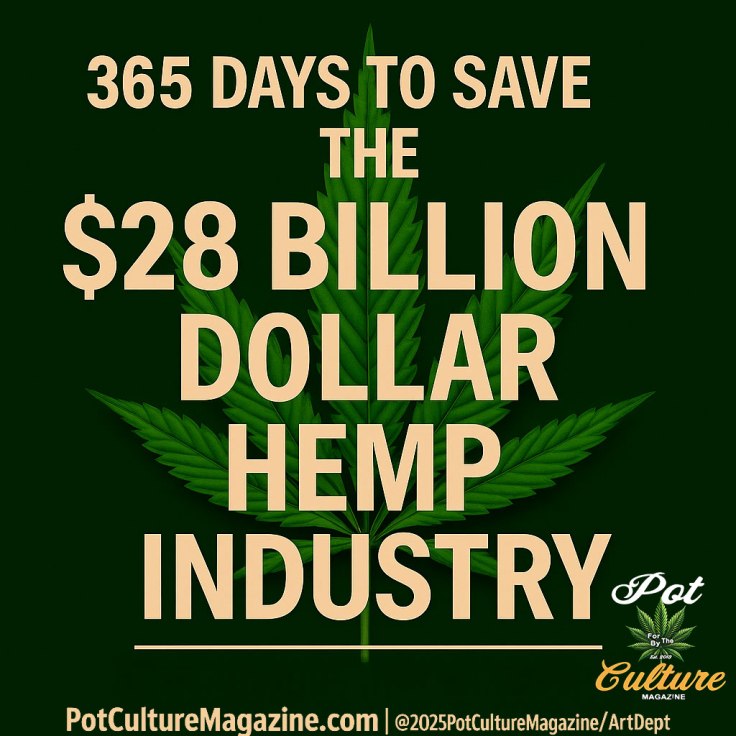
People woke up to a countdown they never asked for. A single clause buried inside the bill used to reopen the government placed millions of Americans into a fight they never agreed to. Veterans who rely on plant-based relief to calm their nights felt it first. Older adults who finally found comfort after years of strain recognized the threat instantly. People with chronic pain understood the implications without a word of explanation. Those avoiding alcohol to protect their recovery saw the danger as clearly as daylight. Washington turned their routines into collateral.
These products exist because traditional systems left people stranded. A veteran who rests through the night because a cannabinoid drink settles his mind is not following a trend. A grandmother who uses plant-based comfort for her joints is not indulging in novelty. A person who avoids alcohol because a hemp-based option supports their stability is not making a whimsical choice. These products fill a gap created by systems that never took these needs seriously. They offer calm without judgment. They bring balance without dominance. They create relief without humiliation.
Congress did not consider any of that when it inserted restrictive language into the funding bill. The move placed an entire legal space on a one-year clock. It ignored the workers who built this market. It ignored the growers who invested seasons of labor into cultivation. It ignored processors, bottlers, designers, drivers, and retailers who depend on these products for their livelihoods. It ignored counties revived by modern agriculture. It ignored small businesses that survived because consumers found relief. It ignored the fact that this part of the plant generates $28 billion each year.
The public saw the maneuver for what it was. So did the organizations that represent this space. The Hemp Beverage Alliance responded immediately and did not hide behind polished language. They captured the situation in direct terms.
“The vote to open up the federal government was just that, a vote to open the government. Unfortunately, the hemp beverage industry was a victim in that bill package, as language to shut down our industry was included without congressional debate or public discussion.”
Then came the warning lawmakers avoided acknowledging.
“The threat to the hemp beverage industry is significant. Without a legislative solution, hemp beverages and the entire hemp industry will cease to exist.”
This was not rhetoric. If the clause remains, the legal space collapses in 2026.
The Alliance clarified that the sector remains active today, next week, next month, and next year. They explained that they are “working with their members and other trade associations and stakeholders” and “setting up meetings with Members of Congress and working with their offices to find a solution that works for everyone.”
Their final message went straight to consumers.
“Elected officials need to hear your stories. They need to hear from real people in their districts. The easiest and most effective thing you can do is call your congressperson and senators and tell them not to take away your hemp beverages. You would be surprised how receptive their offices will be.”
Other organizations responded with purpose. Some did not. Willie Nelson’s representatives redirected us to a statement issued in October, long before this crisis emerged. When asked for a current position, they confirmed that none was available. This is a $28 billion issue. Millions rely on these products for sleep, comfort, mood balance, and sobriety. This is the same community that supported Willie Nelson for decades. Do Willie Nelson’s people think a $28 billion threat can be brushed off because the request came from us rather than a legacy publication, and perhaps they decided our readers do not matter? Their stance created its own statement, and readers will understand exactly what it means.
NORML, on the other hand, stepped forward with clarity and honesty. Deputy Director Paul Armentano did not hesitate to call out what Washington created. He stated that “Congress and federal agencies had years to provide common sense regulations and best practices to this growing commercial marketplace, one that they created. They refused to do so.” He added that “a handful of GOP leaders chose to exploit the budget shutdown crisis to advance their own agenda.”
Armentano warned that “by seeking to recriminalize this market rather than regulate it, lawmakers chose to utilize a sledgehammer when they should have used a scalpel.” He emphasized that “banning the hemp-derived products market will not decrease consumers’ demand for these products nor will it increase consumers’ safety.”
He further explained that “it will deny many consumers who previously relied on these products, including those who did so for therapeutic purposes, from legally accessing them in the future,” noting that “this absence will be especially problematic for those who live in jurisdictions where neither medical cannabis nor adult use products are state regulated.”
His message was unmistakable. Washington engineered this crisis, and millions will feel the consequences.
advertisement
F O R T H E C U L T U R E B Y T H E C U L T U R E
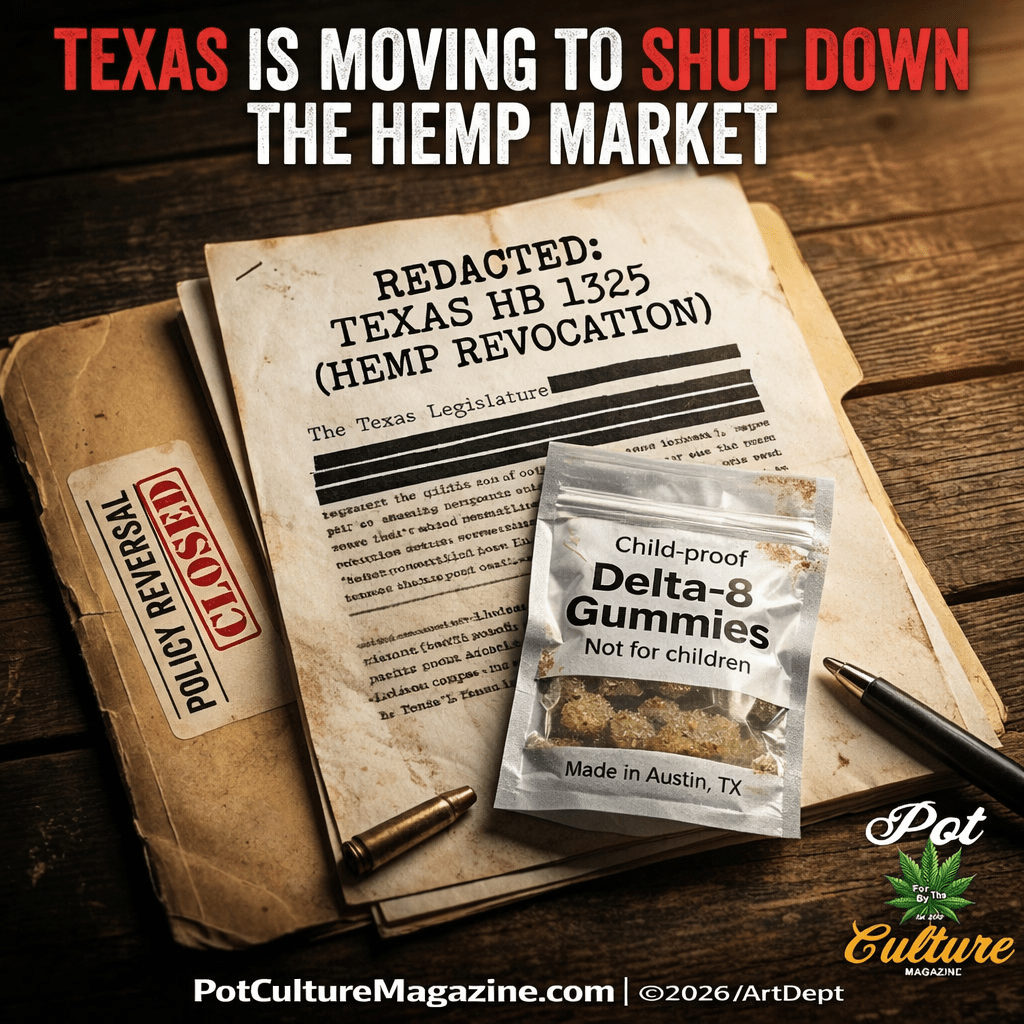
Texas Is Moving to Shut Down the Hemp Market
Texas helped build one of the largest hemp THC markets in the country, then moved to shut it down. As regulators tighten rules and enforcement increases, businesses are left exposed and the future of hemp-derived cannabinoids hangs in the balance. This is not a simple crackdown. It is a full policy reversal with real economic…

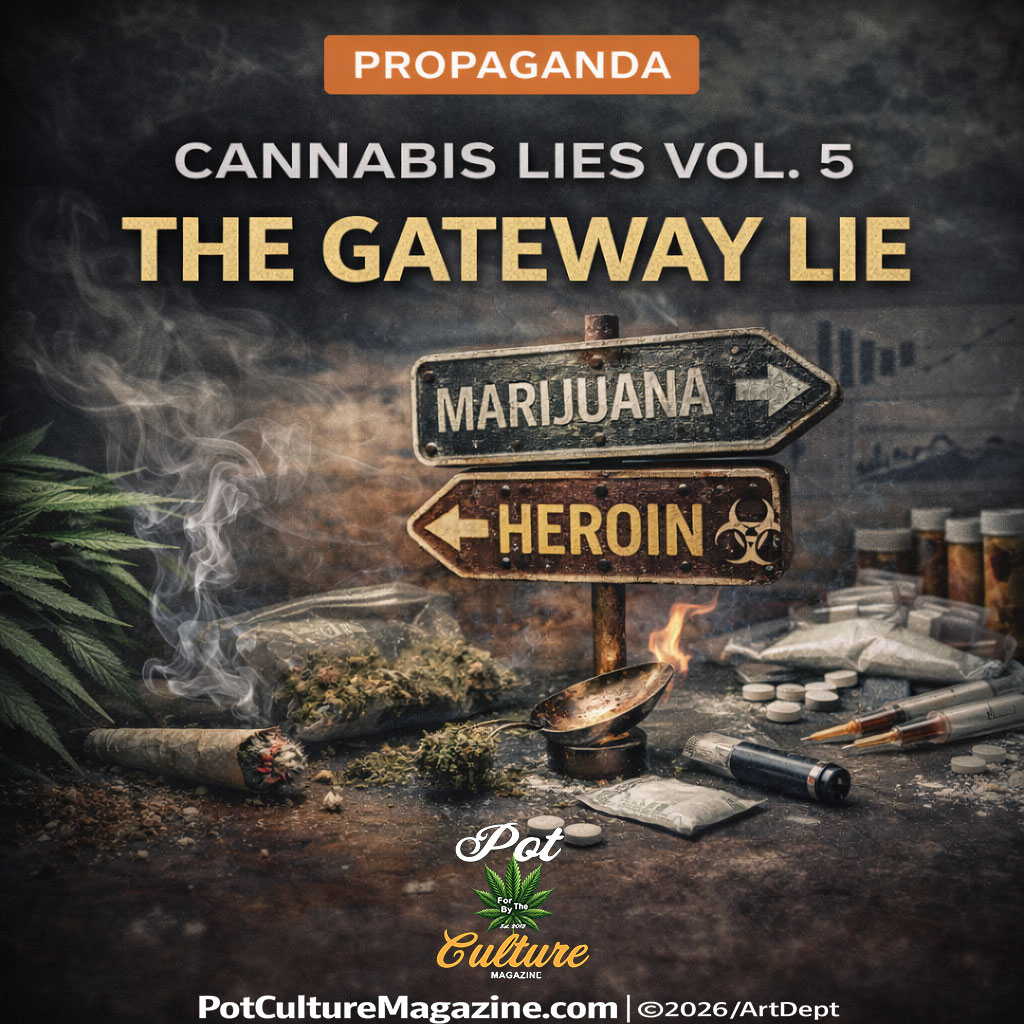
CANNABIS LIES Vol. 5: The Gateway Lie
For decades, politicians have claimed marijuana is a gateway to heroin and harder drugs. Federal youth surveys, NSDUH data, and NIDA’s own language tell a different story. Cannabis use is widespread, hard drug use remains rare, and most users do not progress. The data dismantles one of prohibition’s most durable fear narratives.
advertisement
Federal pressure is rising on multiple fronts. The Supreme Court scheduled a closed-door conference to determine whether it will hear a case brought by state-licensed marijuana companies seeking to challenge federal prohibition. While Congress attempts to erase an entire cannabinoid space through procedural tactics, the country’s highest court is being asked whether prohibition itself withstands constitutional review. If the Court agrees to consider the case, the stakes widen for the entire plant. One branch of government is pushing prohibition forward without debate. Another is being asked whether the foundation of that prohibition should survive at all. The contradiction exposes how fragile and politically shaped this moment has become.
This part of the plant does more than offer a drink or a gummy. It revived rural towns left behind by past economic shifts. It created alcohol free social spaces across the country. It kept small manufacturers alive. It established testing labs, design studios, distribution routes, and retail stores. It supports families from every part of the country. Every person connected to this market contributes to an economy built on need and determination.
The restrictive language that surfaced inside the shutdown bill was not written to protect people. If genuine protection were the goal, lawmakers would have worked with responsible operators to create consistent safety standards. Instead, they aimed at an entire market that challenges established industries. They noticed Americans step away from alcohol. They noticed fewer prescriptions being filled. They noticed consumers choosing something with fewer complications. Their response was an attempt to shut down access instead of improving it.
People who rely on this part of the plant will not disappear because someone in Washington signs a page of text. They found relief through personal effort. They rebuilt their routines through perseverance. They found comfort without needing permission. That resolve does not vanish.
The next year will decide the future. There are 365 days to correct a decision made without transparency. Anyone who depends on these products has the right to reach out to the offices that represent them and explain what is at stake. Describe how these products help you sleep. Describe how they reduce pain. Describe how they steady your mind. Describe how they support your sobriety. Make it clear that this crisis was not created by the public. A $28 billion economy supports families, caregivers, veterans, older adults, and people in recovery. These lives deserve protection, not political convenience.
Public pressure changes outcomes. Offices track every call. Staff members log every message. The numbers become impossible to ignore. This community did not build its own system just to watch it be erased. No one who fought for balance is returning to the shadows because someone in Washington attempted a quiet rollback. This culture does not retreat. The people who rely on this plant are not losing what they built without resistance.
This part of the plant will not return to prohibition.
©2025 Pot Culture Magazine. All rights reserved. This content is the exclusive property of Pot Culture Magazine and may not be reproduced, distributed, or transmitted in any form or by any means without prior written permission from the publisher, except for brief quotations in critical reviews.
F O R T H E C U L T U R E B Y T H E C U L T U R E
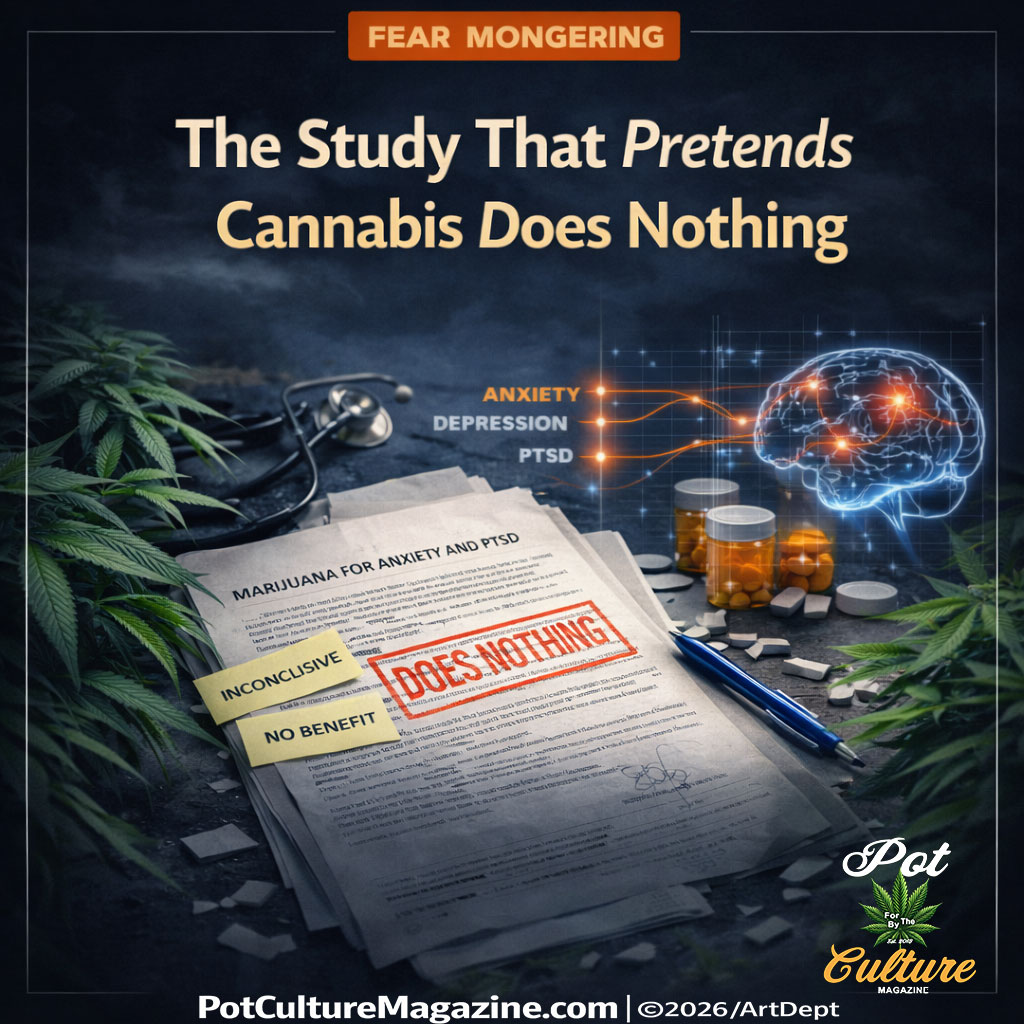
The Study That Pretends Cannabis Does Nothing
A new cannabis study claims marijuana does nothing for anxiety, depression, or PTSD. The reality is far more complicated. Decades of federal restrictions, limited research access, and synthetic substitutes have shaped the science. This breakdown exposes how incomplete data and selective interpretation continue to drive misleading headlines about cannabis and mental health.
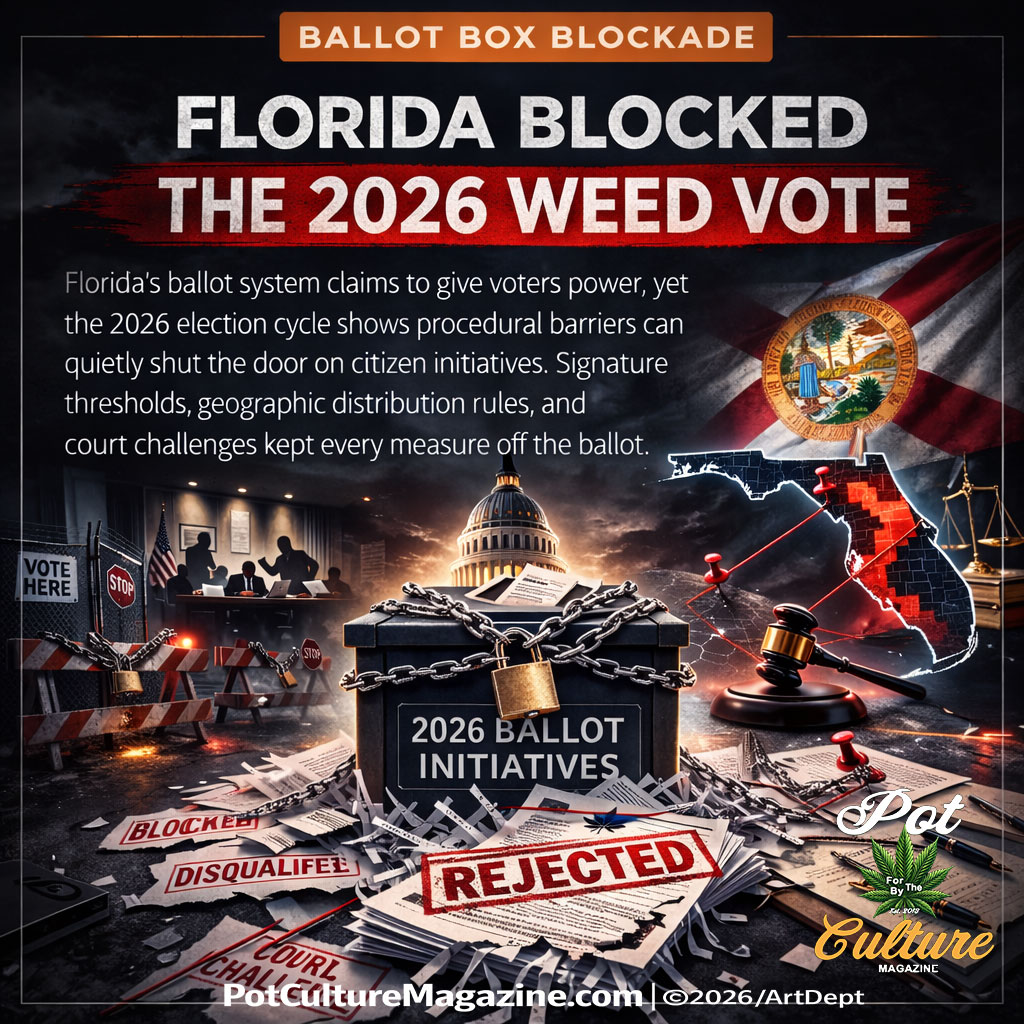
Florida Blocked the 2026 Weed Vote
Florida’s ballot system claims to give voters power, yet the 2026 election cycle shows how procedural barriers can quietly shut the door on citizen initiatives. Signature thresholds, geographic distribution rules, and court challenges blocked every measure from reaching voters, revealing how cannabis legalization fights are often decided by bureaucratic design long before election day.

The Cannabis Lie: Vol. 4 — The Crime Wave Lie
Politicians and pundits warned that legal cannabis would unleash a crime wave. The data tell a different story. From Colorado’s violent crime trends to DOJ time-series research and statewide arrest declines, the evidence shows no consistent long-term surge tied to legalization. The numbers never matched the panic.
Discover more from POT CULTURE MAGAZINE
Subscribe to get the latest posts sent to your email.

Leave a comment