Filed Under: Statehouse Heat

Virginia wanted to move on. Voters made that clear in 2021 when they demanded cannabis reform that actually meant something. They got possession rights, four homegrown plants, and a promise. Then they got nothing else. No retail stores. No licensed market. No safe access. For five years, the state walked around with an empty law, pretending legalization had happened when it hadn’t.
That ends now. Or so they say.
Incoming Governor Abigail Spanberger ran on a promise to finally flip the switch. She is not stalling. She is not sidestepping. Her office is signaling that the long-blocked rollout of recreational cannabis sales will finally begin. The date circled is November 1, 2026. The paperwork is drafted. The commission has voted. The new blueprint is locked. But this is not just about launching stores. It is about whether Virginia is building a cannabis economy that voters actually asked for, or just a quieter version of the same games they have rejected for decades.
The plan kills local opt-outs. No more dry towns. Local governments cannot ban stores outright anymore. They can only tweak zoning rules. To get them on board, the state bumped their cut. Cities and counties get 3.5% of the cannabis excise tax, up from 2.5%. That is on top of the state’s 8%, which gets funneled into education, equity reinvestment, addiction services, and public health.
That is the promise. But the structure is what really matters. This is where Virginia shows its hand.
Under this new blueprint, half of all licenses go to microbusinesses. Not hypothetically. That is the floor. These are limited-scope operators. Local growers, small shop owners, veterans, people with cannabis convictions, and residents from overpoliced neighborhoods. The system caps ownership across license types. You cannot stack a grow, a retail shop, and a lab and call yourself local. You get five licenses total. Even a one percent stake counts. That is not a regulation. That is insulation. A firewall against corporate takeover.
The state is saying no to Big Weed before it even shows up.
The big players, the existing medical operators, most of them multi-state, will be allowed to participate. But they will not get early access. They will not get market dominance. They will have to pay a conversion fee and play by the same launch rules as everyone else. They will also be required to give shelf space to small farms.
It is not perfect equity. But it is not posturing either.
advertisement
F O R T H E C U L T U R E B Y T H E C U L T U R E
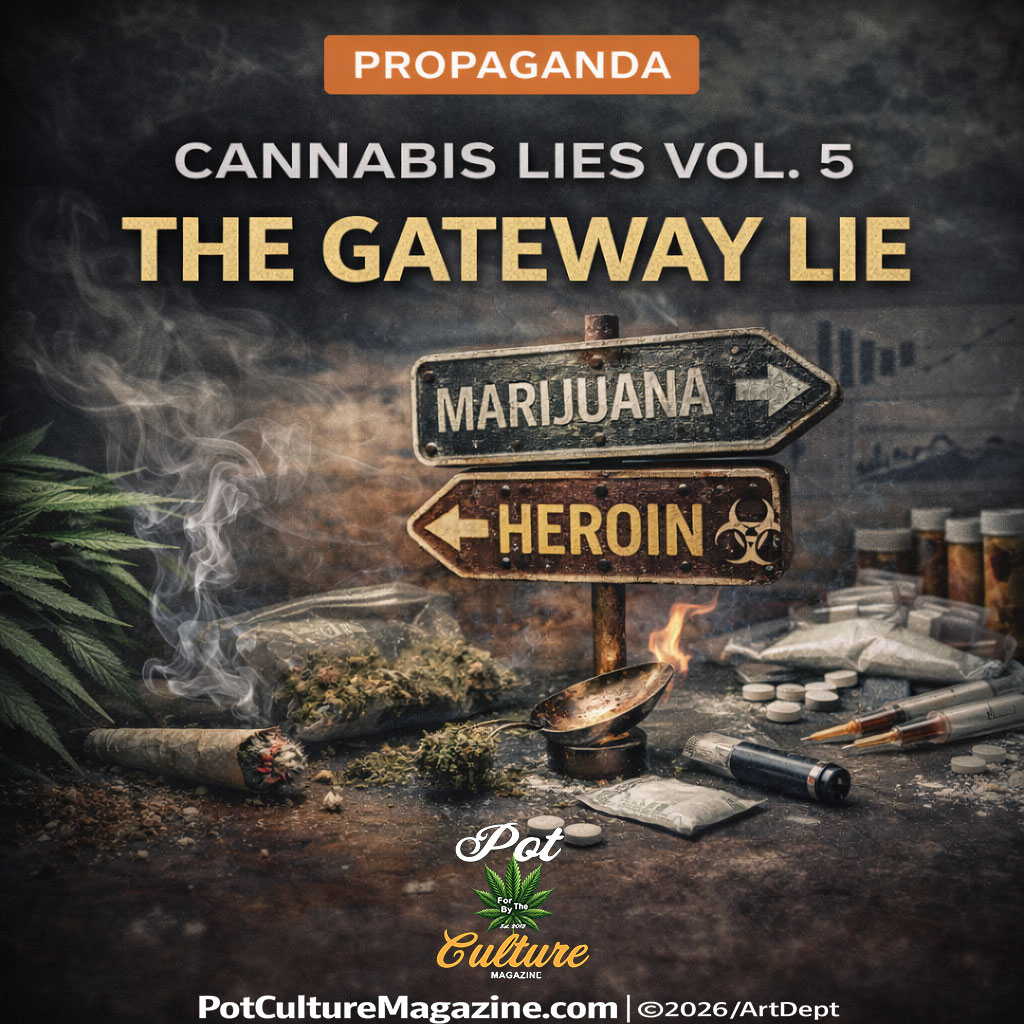
CANNABIS LIES Vol. 5: The Gateway Lie
For decades, politicians have claimed marijuana is a gateway to heroin and harder drugs. Federal youth surveys, NSDUH data, and NIDA’s own language tell a different story. Cannabis use is widespread, hard drug use remains rare, and most users do not progress. The data dismantles one of prohibition’s most durable fear narratives.

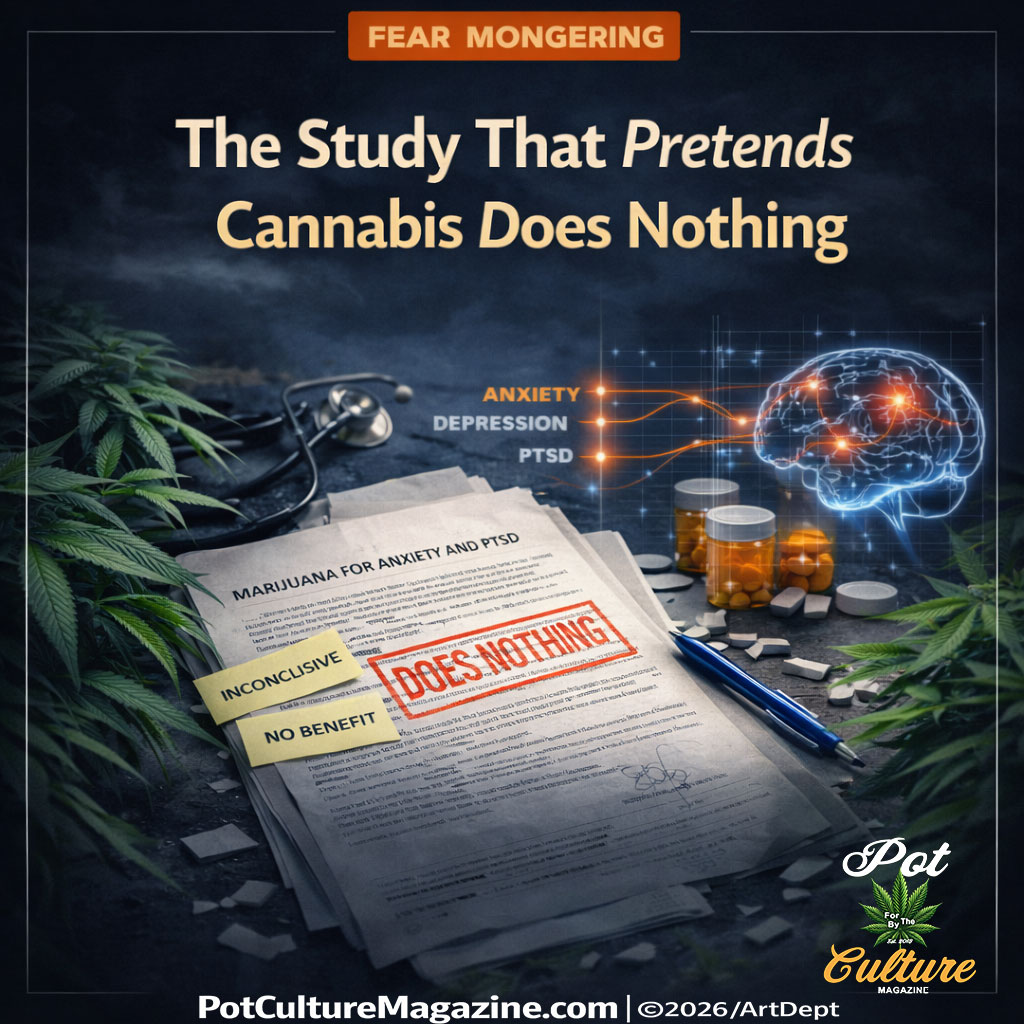
The Study That Pretends Cannabis Does Nothing
A new cannabis study claims marijuana does nothing for anxiety, depression, or PTSD. The reality is far more complicated. Decades of federal restrictions, limited research access, and synthetic substitutes have shaped the science. This breakdown exposes how incomplete data and selective interpretation continue to drive misleading headlines about cannabis and mental health.
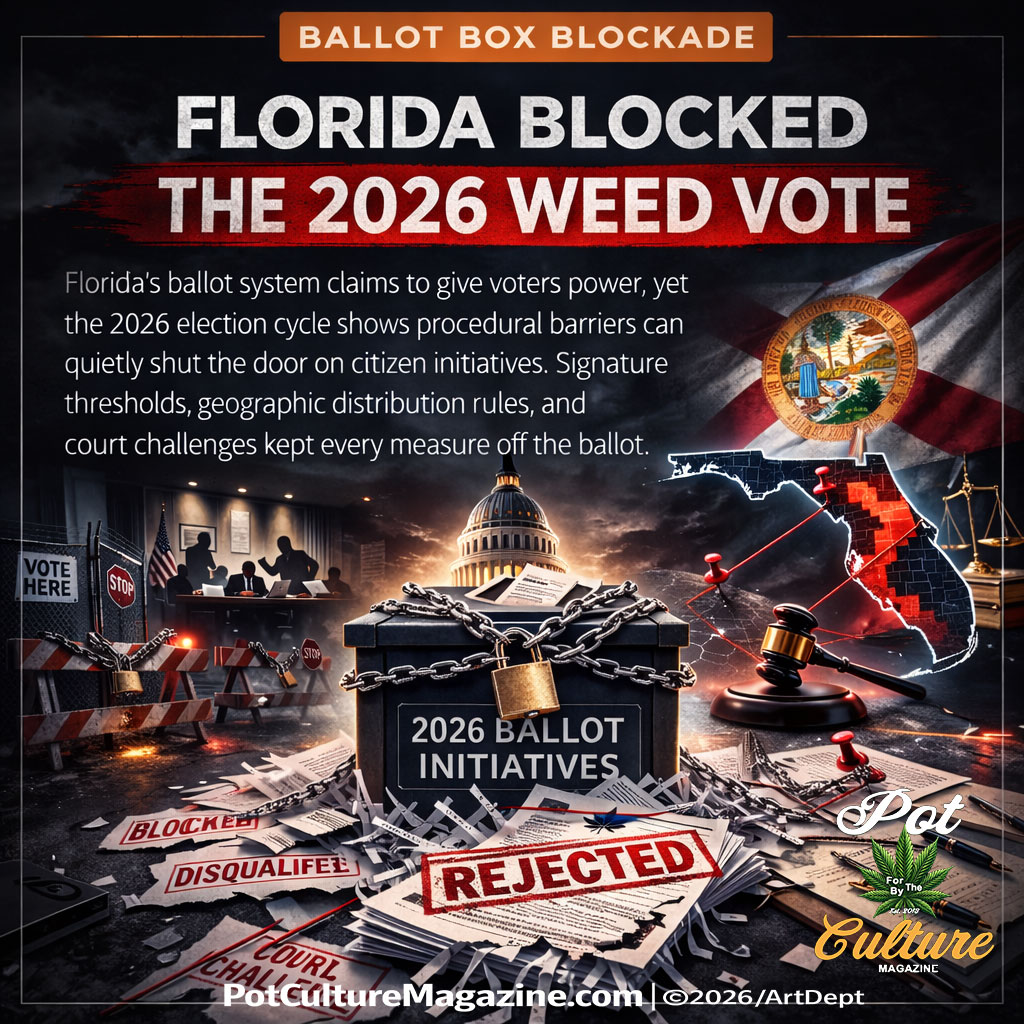
Florida Blocked the 2026 Weed Vote
Florida’s ballot system claims to give voters power, yet the 2026 election cycle shows how procedural barriers can quietly shut the door on citizen initiatives. Signature thresholds, geographic distribution rules, and court challenges blocked every measure from reaching voters, revealing how cannabis legalization fights are often decided by bureaucratic design long before election day.
advertisement
This is the first real attempt in the South to build a cannabis industry that is competitive without being extractive. It does not let companies come in, buy licenses, and vanish profits to Delaware. It does not create a two-tier market where medical insiders get the first bite, and everyone else scrambles for crumbs.
Del. Paul Krizek called it a “decentralized market structure, competitive, sustainable, prioritizing independent Virginia-based businesses.” That design language is not just political; it mirrors the reform community’s core demand. NORML‘s Virginia director, JM Pedini, echoed the point, saying the state “now has an opportunity to do what the Youngkin administration could not” by shifting from delay to action.
And most importantly, it is not built to collapse.
Some states pushed for speed. They licensed as fast as possible, priced products out of reach, and flooded the zone with limited options. That gave the illicit market room to breathe. Virginia is doing the opposite. It is capping license consolidation, opening direct-to-consumer pathways for microbusinesses, and hardcoding equity into the tax structure. It is even allowing cannabis businesses to deduct ordinary business expenses from state taxes. A direct challenge to the federal 280E nightmare.
This is not just about the launch. It is about sustainability.
But not everyone is safe.
If you’re one of the big players looking to swallow a new market, this state just slammed the door. If you’re running unlicensed, you have a clock ticking. And if you’re small and serious, this is your shot. Miss it, you’re out.
Even NORML is not taking this plan at face value. Pedini warned that
“inflated licensing fees and proposed tax rates” must be watched closely. “These are costs that ultimately get passed on and paid for by cannabis consumers, not corporations,” they said. “We remain steadfast in our advocacy for access to cannabis products that are safe, convenient, and affordable.”
That access has to be real, not just legal.
Virginia has a head start. Its medical market already operates under one of the toughest regulatory standards in the country. Pedini reminded lawmakers that Virginia “is already regulating cannabis” through a system that requires licensed pharmacists on-site and mandates full third-party testing. That groundwork gives the state a base most others never had.
The plan’s success hinges on execution. Licensing has to be fair. Local permitting has to move. Regulators have to enforce clean product standards without gutting access. And the governor, Spanberger, has to keep her foot on the gas.
Voters gave her a mandate. Not a suggestion. Not a poll. A real, on-paper, hard-fought, down-ballot mandate.
They want legal cannabis that is actually available, reasonably priced, and not wrapped in bureaucratic red tape. They want to walk into a shop, buy a product that will not poison them, and walk out without a felony hovering over their head.
They do not want press conferences. They do not want half-measures. They want weed. Legal, tested, taxed, and finally real.
And if this blueprint holds?
Virginia might not just become the first Southern state to legalize.
It might become the first one to get it right.
©2025 Pot Culture Magazine. All rights reserved. This content is the exclusive property of Pot Culture Magazine and may not be reproduced, distributed, or transmitted in any form or by any means without prior written permission from the publisher, except for brief quotations in critical reviews.
F O R T H E C U L T U R E B Y T H E C U L T U R E
The Cannabis Lie: Vol. 4 — The Crime Wave Lie
Politicians and pundits warned that legal cannabis would unleash a crime wave. The data tell a different story. From Colorado’s violent crime trends to DOJ time-series research and statewide arrest declines, the evidence shows no consistent long-term surge tied to legalization. The numbers never matched the panic.
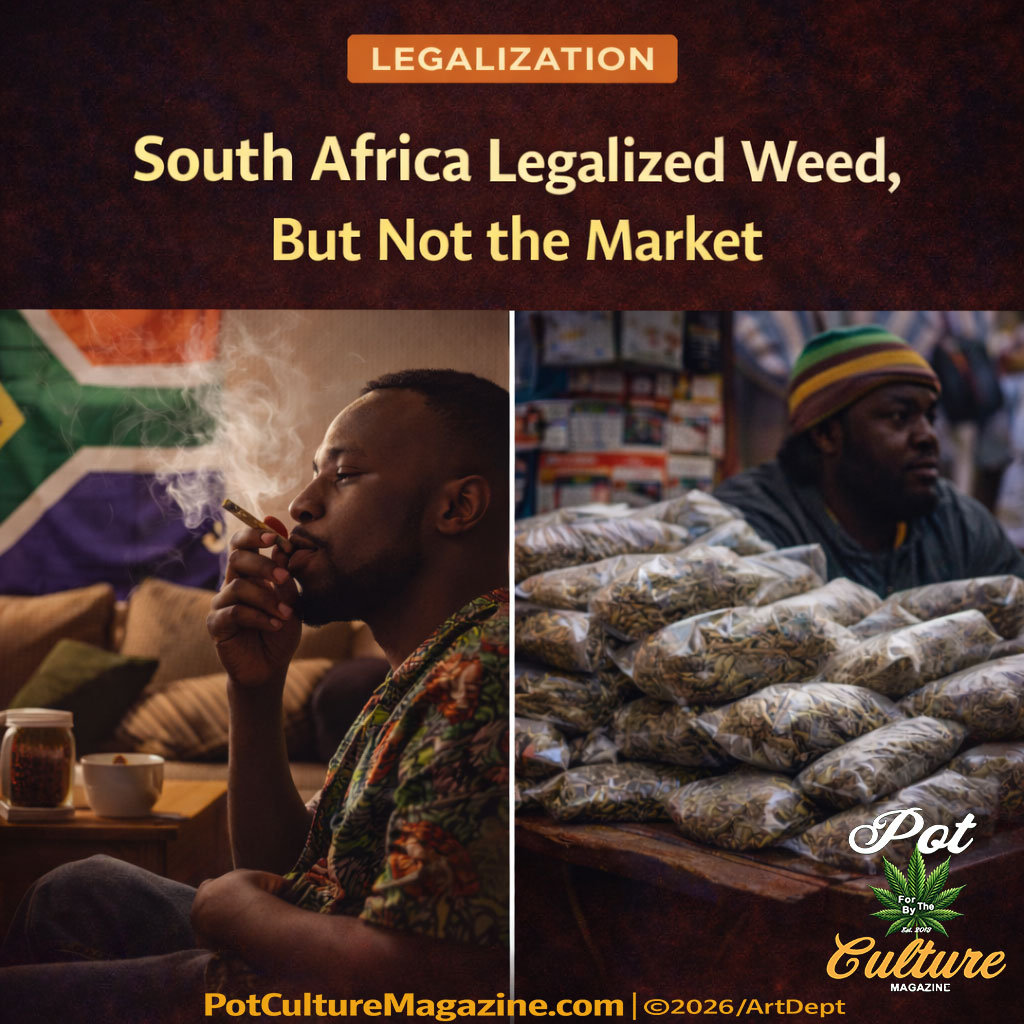
South Africa Legalized Weed, But Not the Market
South Africa recognized private adult cannabis use and home cultivation, but never built a legal domestic market around them. With buying and selling still largely outside the law, the illicit trade remains dominant while regulators scramble to set limits, draft rules, and prepare a broader Cannabis Bill that could finally address commerce.
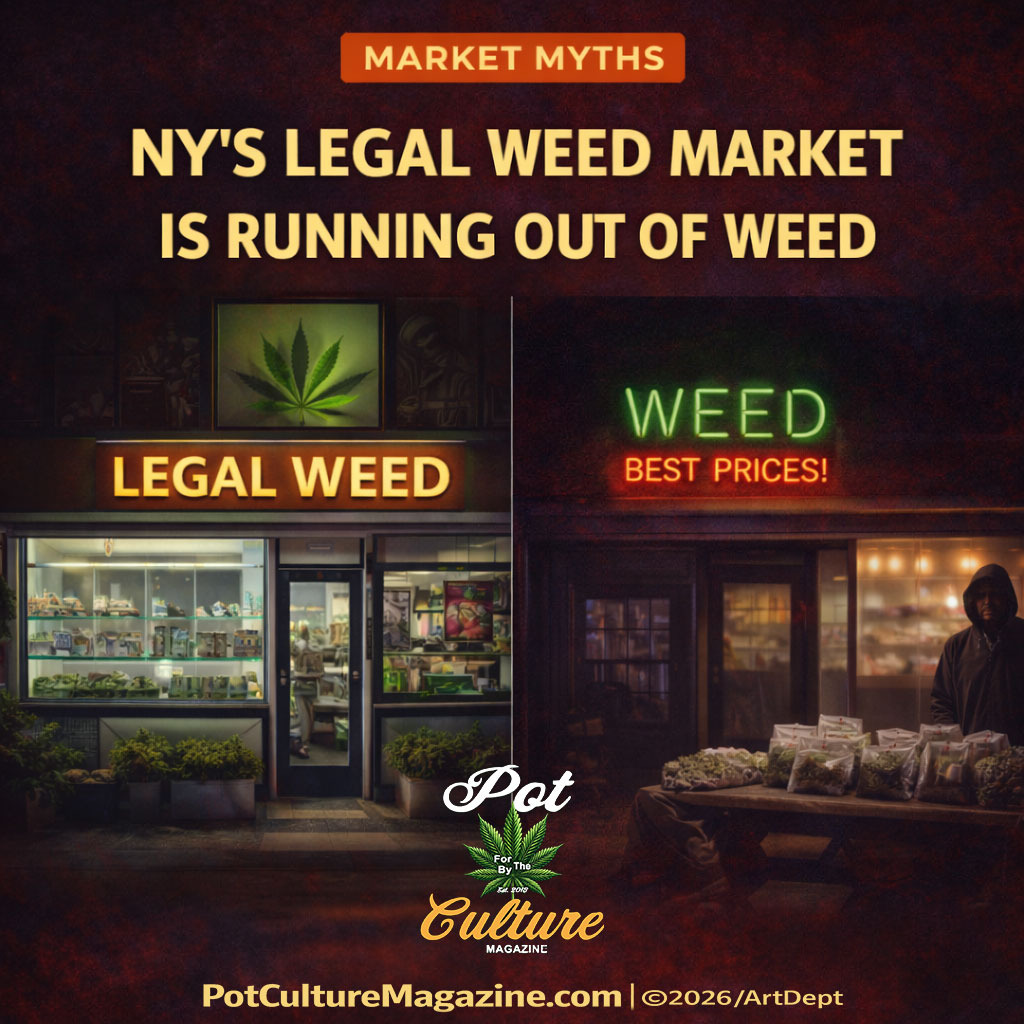
NY’s Legal Weed Market Is Running Out of Weed
New York legalized cannabis and opened hundreds of stores, but regulators now warn the legal market may not produce enough weed to keep them stocked. With nearly 600 stores open and sales nearing $3 billion, the state is discovering that legalization alone does not guarantee a functioning market.
Discover more from POT CULTURE MAGAZINE
Subscribe to get the latest posts sent to your email.

Leave a comment