Cannabis Lies Vol. 9: The Reform Lie
The federal move to Schedule III is a masterclass in bureaucratic maintenance. While corporations celebrate tax relief, the core structure of the drug war remains untouched. This analysis deconstructs the Reform Lie, exposing how the state uses symbolic gestures to professionalize a privilege for the few while keeping the machinery of punishment active for everyone else.

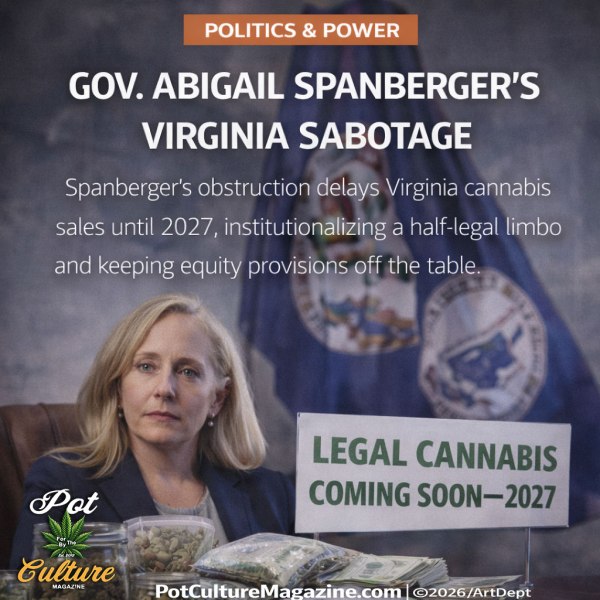
Gov. Abigail Spanberger’s Virginia Sabotage

Virginia legalized possession, but Governor Abigail Spanberger sabotaged the retail market. By delaying sales until 2027 and gutting equity provisions, the Commonwealth institutionalized a half-legal trap. Consumers now navigate a system that treats possession as a right but supply as a crime, fueling an unchecked illicit market while abandoning promised reform. Spanberger’s public safety rhetoric is clearly a mask for obstruction.

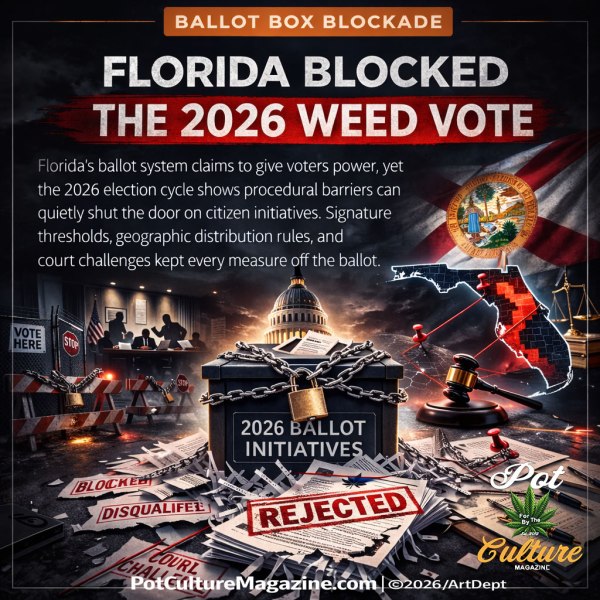
Florida Blocked the 2026 Weed Vote

Florida’s ballot system claims to give voters power, yet the 2026 election cycle shows how procedural barriers can quietly shut the door on citizen initiatives. Signature thresholds, geographic distribution rules, and court challenges blocked every measure from reaching voters, revealing how cannabis legalization fights are often decided by bureaucratic design long before election day.

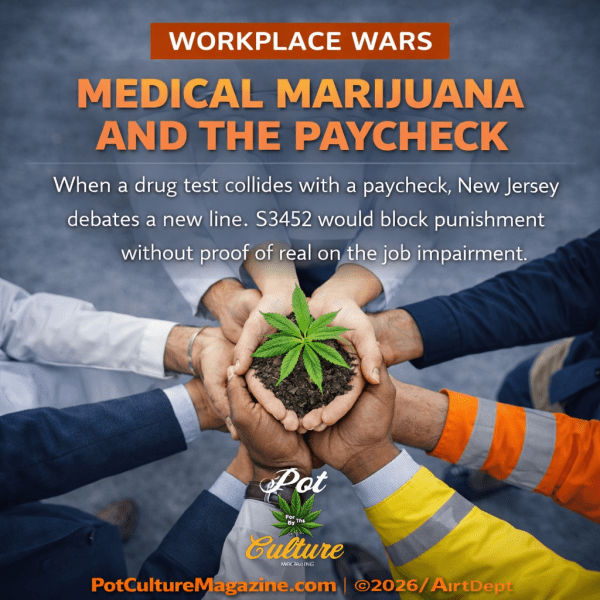
Medical Marijuana and the Paycheck

Workplace Wars continues in New Jersey, where Senate Bill S3452 would protect registered medical cannabis patients from metabolite-only drug test punishment. The proposal shifts the burden to employers, requiring proof by a preponderance of the evidence that lawful medical use caused on-duty impairment, backed by specific articulable symptoms. It also keeps the written notice and three-day explanation or retest process.

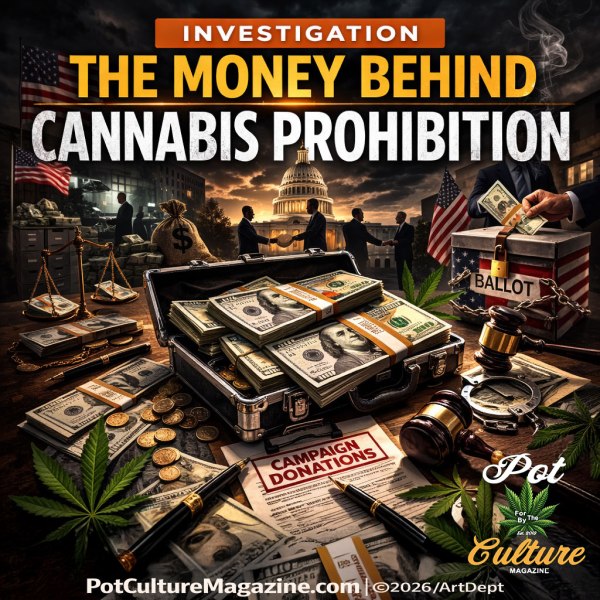
THE MONEY BEHIND CANNABIS PROHIBITION

Cannabis prohibition in the United States no longer survives on raids and panic films. It survives through ballot thresholds, legislative rewrites, regulatory choke points, and lobbying disclosures. This documented audit follows the filings behind legalization war chests, opposition strategies, and the institutional structures that still shape cannabis policy even after voters move on.

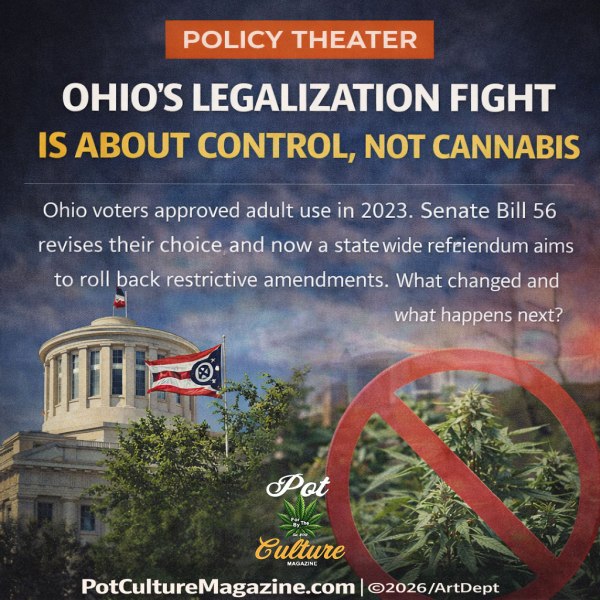
OHIO’S LEGALIZATION FIGHT IS ABOUT CONTROL, NOT CANNABIS

Ohio voters approved adult use cannabis with 57 percent support in 2023. Two years later, lawmakers narrowed that framework through Senate Bill 56. A referendum campaign now seeks to overturn those revisions, requiring roughly 248,000 valid signatures statewide. This piece breaks down what changed, who changed it, and what voters are being asked to decide next.

Create a website or blog at WordPress.com

Up ↑