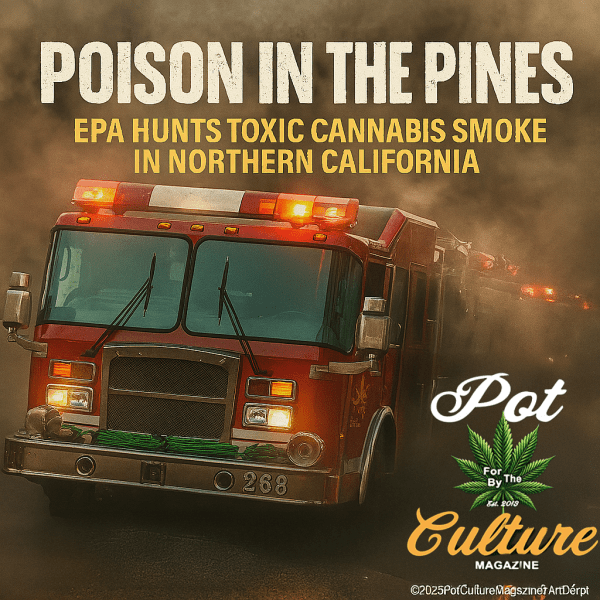
California’s cannabis industry is on fire, both literally and politically. Toxic pesticide smoke blankets Siskiyou County while federal ICE raids leave a farmworker dead in what is supposed to be a legal market. With soaring cannabis taxes and suffocating regulations driving growers to the black market, Sacramento faces a breaking point. Can legalization survive, or is this the end of California’s cannabis dream?
ICE Raids Legal Weed
ICE raids tore through California’s cannabis farms, leaving a trail of arrests, trauma, and one worker dead. With helicopters, tear gas, and rubber bullets, federal agents sent a chilling message to growers and immigrant laborers alike. This hard-edged feature unpacks the chaos, the hypocrisy, and the cost of cultivating legal weed in prohibition’s shadow.
Reefer Report Card: The Week in Weed, Rated July 19, 2025 – Vol. 06
From hemp crackdowns and deadly federal raids to Pennsylvania’s legalization push and a win for veterans, this week in weed was chaos on repeat. Pot Culture Magazine breaks it down and rates the highs, lows, and outright disasters in Reefer Report Card Vol. 06.
High on Religion: Why Churches Are Starting to Embrace Cannabis
Church and cannabis are joining forces in a growing number of spiritual communities across the U.S., testing the limits of religious freedom and federal weed laws. From Elevationists in Colorado to sacred smoke ceremonies in Michigan, Pot Culture investigates the rising spiritual movement to make cannabis a sacrament.
How Local Weed Rules Are Making Legalization Meaningless
They said it was legal, but forgot to mention the local bans, zoning traps, and phantom policies blocking access at every corner. This is the real face of fake legalization, from small town shutdowns to legal gray zones that keep cannabis just out of reach.
$24.7 Billion Later, Legal Weed’s Massive Tax Haul Is Getting Harder to Ignore
Legal cannabis has generated nearly $25 billion in tax revenue, with $4.4 billion collected in 2024 alone. States benefit significantly, funding various community programs. However, equity issues remain, as many who contributed to legalization are still marginalized. The promise of justice is overshadowed by bureaucracy and economic barriers for legacy growers.