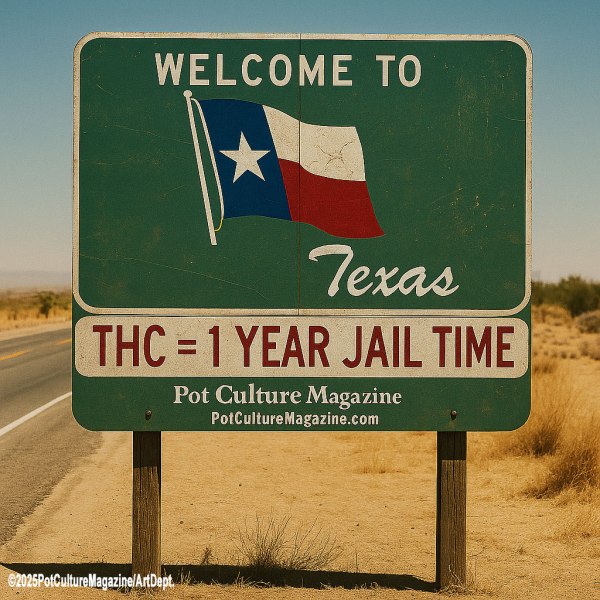
Texas just passed a bill that could jail you for a gummy. House Bill 3948 criminalizes THC above 0.3 percent, targeting vapes, edibles, and Delta-8 under the guise of regulation. While the nation moves forward, Texas slams into reverse, fast and hard.
DEA Stalls on Cannabis Rescheduling: What’s the Hold-Up?
The DEA is dragging its feet on cannabis rescheduling despite over 43,000 public comments and a formal Schedule III recommendation from HHS. What’s the hold-up? This deep-dive exposes the legal limbo, political stall tactics, and why America’s weed policy is still frozen in time.
BREAKING: DEA Reclassifies Marijuana as a Vegetable
In a bizarre twist of bureaucratic brilliance, the DEA has reclassified marijuana as a leafy green vegetable—officially adding it to the American food pyramid. From salad bowls to school lunches, the War on Drugs just got edible. Satirical? Yes. Unbelievable? Barely.
Build Fast, Die Loud: Why Big Weed Keeps Going Bust in California
Gold Flora’s implosion wasn’t a one-off—it was a warning. From ballooned budgets to influencer-backed ego trips, Big Weed’s collapse in California shows what happens when hype and hubris replace substance and sustainability. We break it all down and expose how the industry got too loud, too fast, and now can’t afford the silence.
The DEA’s Stance on Rescheduling: Progress or Stalemate?
The DEA is delaying the rescheduling of marijuana from Schedule I, despite overwhelming scientific support and recommendations from health authorities. This stalling harms the cannabis industry, patients, and communities affected by marijuana criminalization. Political influences from big pharmaceutical companies contribute to this resistance, prolonging the adverse effects of current drug policies.
New Mexico’s Cannabis War: One Year Later—Has Anything Changed?
New Mexico's cannabis industry remains troubled despite increased enforcement efforts and regulatory changes. Legal businesses struggle against illegal sales and preferential treatment for larger operators. Issues such as oversaturation and regional disparities persist, with critics emphasizing the need for fair enforcement. The state's unique cannabis model is at risk without timely reforms.