This week’s Reefer Report Card exposes Congress’s hollow promises to vets, New York’s zoning mess, a $10M Michigan grow raid, and DEA raids while rescheduling stalls. We grade the chaos, call out the hypocrisy, and show why cannabis reform still spins in circles.
Heat Waves and Weed Laws: Summer Is Still a Trap for Cannabis Users
Despite cannabis legalization in several states, enforcement remains harsh, with users frequently facing fines and arrests for public consumption. Hypocrisy abounds as alcohol consumption is often overlooked. Racial disparities persist in arrests, and the festival atmosphere heavily penalizes cannabis use, leaving users feeling tricked rather than free.
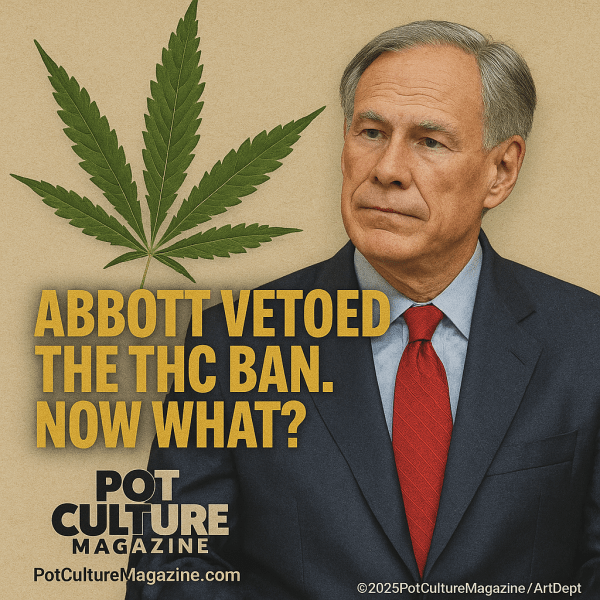
Abbott Vetoed the THC Ban. Now What?
Governor Greg Abbott’s surprise veto of SB 3 handed a rare loss to Texas prohibitionists, keeping hemp-derived THC products legal, for now. But Lt. Gov. Dan Patrick is already plotting revenge. This report breaks down the politics, the power struggle, and what the veto really means for cannabis in Texas. The war on weed isn’t over. It just changed shape.
Texas Legalizes Medical Cannabis Barely
Texas just became the 40th state to legalize medical cannabis, but don’t start celebrating yet. HB 46 expands access through TCUP, allowing up to 10mg THC per dose and new qualifying conditions, but still lags far behind national standards. This report cuts through the hype and shows what the law really means for patients in the Lone Star State.
North Carolina’s Quiet Legalization
Governor Josh Stein didn’t legalize weed, he just moved the goalposts. By creating a Cannabis Advisory Council stacked with experts, enforcers, and tribal leaders, North Carolina is skipping the legislature and designing legalization from the top down. This isn’t a bill. It’s a blueprint, and it might be the only way forward in a state stuck in denial.
$24.7 Billion Later, Legal Weed’s Massive Tax Haul Is Getting Harder to Ignore
Legal cannabis has generated nearly $25 billion in tax revenue, with $4.4 billion collected in 2024 alone. States benefit significantly, funding various community programs. However, equity issues remain, as many who contributed to legalization are still marginalized. The promise of justice is overshadowed by bureaucracy and economic barriers for legacy growers.