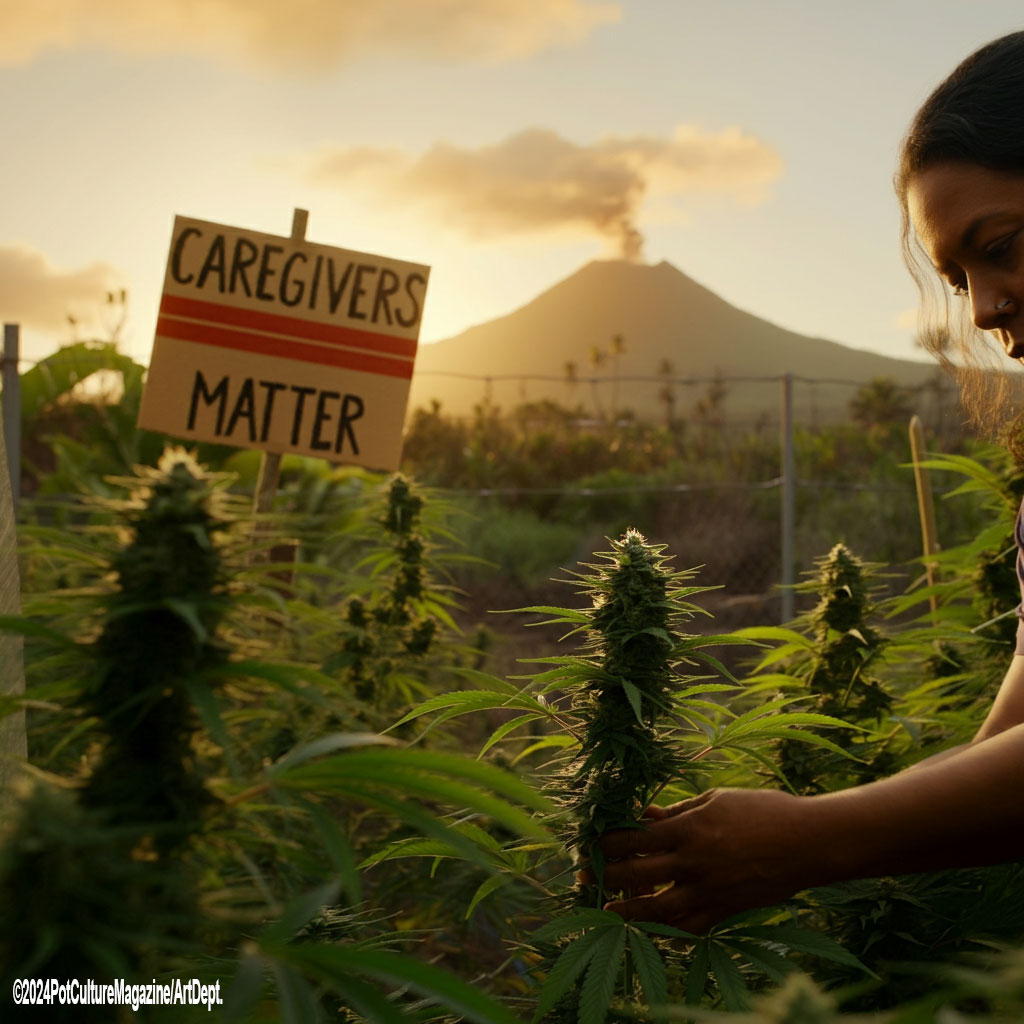
Thousands of Hawaii’s medical cannabis patients are bracing for a major upheaval as the state’s caregiver cultivation law approaches its December 31, 2024 expiration date. This legislative change will outlaw primary caregiver cannabis cultivation and force the closure of large community grow sites—a critical resource for many. The impacts will ripple across the islands, leaving patients with limited options for accessing affordable, safe, and reliable medicine.
The Caregiver Cultivation Ban: What’s Happening?
Since 2000, Hawaii’s medical cannabis law has allowed qualifying patients to cultivate their own plants or designate a primary caregiver to grow cannabis on their behalf. The upcoming change will prohibit caregiver cultivation, except under very limited conditions. Additionally, grow sites where multiple patients collaborate to grow their medicine will also be shut down. This regulatory shift threatens to cut off access for thousands who depend on these sources.
What It Means for Patients
The end of caregiver cultivation will create significant challenges:
- Access to Medicine: Not every patient can grow their own cannabis. Physical limitations, lack of space, and unsuitable living conditions make self-cultivation impossible for many. With caregivers prohibited from growing, patients may struggle to find alternatives.
- Higher Costs: Patients may be forced to rely solely on licensed dispensaries, where products are often significantly more expensive than caregiver-grown cannabis.
- Risk of Unregulated Sources: Patients seeking affordable alternatives might turn to the black market, which carries risks of untested, unsafe products and potential legal consequences.
Government Oversight and Advocacy
The lack of action to address this impending issue has drawn sharp criticism. Representative Della Belatti, Chair of the House Public Safety Committee, acknowledged,
“It really was a failure that we did not address this impending deadline, and now we have the crisis upon us.”
Advocates are calling for the legislature to step in and find a solution before the year’s end. Extending or reinstating caregiver cultivation rights is seen as a critical step toward ensuring patients’ needs are met.
What Can Affected Patients Do?
If you’re impacted by this legislative change, here’s what you can do:
- Contact Your Legislators: Advocate for legislative action to address this issue. Politely but firmly communicate the impact this will have on your health and well-being. You can find your Hawaii state legislators here.
- Explore Dispensary Options: Research licensed dispensaries to determine availability, pricing, and strains that suit your medical needs. While more expensive, dispensaries are a legal option.
- Join Advocacy Groups: Organizations like Hawaii Patients’ Rights and Education Project are fighting for patients’ access to affordable cannabis. Consider joining their efforts.
- Reach Out to Healthcare Providers: Discuss alternative treatment options with your doctor and make adjustments to your regimen as needed.
How to Help
For those looking to support Hawaii’s medical cannabis patients:
- Donate to Advocacy Groups: Support organizations working on behalf of patients’ rights.
- Spread Awareness: Use social media and community platforms to highlight this issue and encourage others to take action.
- Volunteer: Join advocacy efforts to push for legislative change.
Looking Ahead
Hawaii’s caregiver cultivation ban highlights a troubling disconnect between legislative decisions and the realities faced by medical cannabis patients. While the state has made strides in normalizing cannabis use, this looming crisis shows that there’s still a long way to go in ensuring equitable and accessible treatment options for all.
The clock is ticking, and the time for action is now. Whether you’re a patient, advocate, or concerned citizen, your voice can make a difference. Let’s ensure that Hawaii’s medical cannabis program continues to serve the people who need it most.
© 2024 Pot Culture Magazine. All rights reserved. This content is the exclusive property of Pot Culture Magazine and may not be reproduced, distributed, or transmitted in any form or by any means without prior written permission from the publisher, except for brief quotations in critical reviews.
Discover more from POT CULTURE MAGAZINE
Subscribe to get the latest posts sent to your email.

Leave a comment