Filed Under: Odor Politics
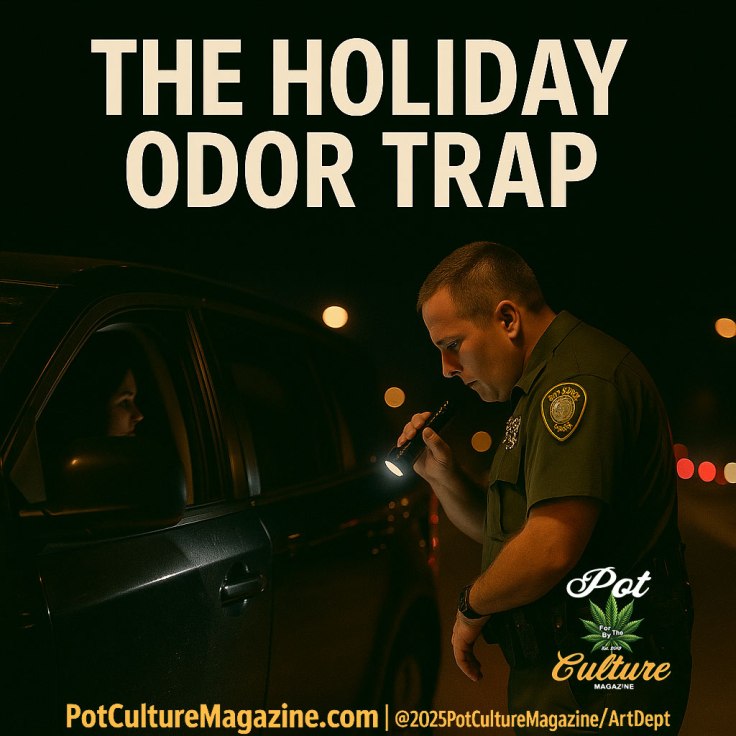
Most people assume the holiday rush is measured in miles, delays, and crowded kitchens. The truth is uglier. From Thanksgiving through New Year’s Eve, the country sees a spike in traffic stops that begin with the same old claim, that an officer “smelled marijuana.” Courts have spent years separating odor from impairment, yet the loophole stays wide open. It gives law enforcement a way to turn ordinary travel into a fishing expedition.
Some states have ruled that smell alone cannot justify a search, while others treat it as fair game. The public rarely knows the difference. Drivers heading to see family pass through counties where a scent on a jacket is enough to escalate a stop. Officers use it because it works. It softens the ground for questioning, it expands their authority, and it moves the conversation away from what actually matters, which is whether the driver is safe.
Most holiday travelers are not impaired. They are tired, stressed, and trying to get where they are going. cannabis lives in homes and clothes the same way kitchen spices do. A single smoked joint on Thanksgiving Eve can leave a jacket scented for days. Officers know this. Courts know this. Yet people still get pulled aside because the scent is treated like a confession.
The pattern is predictable. The officer leans in, mentions odor, then asks questions that have nothing to do with driving. People feel cornered and start explaining things they never needed to explain. That is the moment a simple stop becomes a long delay on the side of the road.
Holiday traffic and police practice collide in a way that punishes normal life. The country is filled with legal markets. People buy edibles and flower for the same reason they buy wine. They visit friends. They share a moment on the porch. The plant is legal in half the country, but its scent is still treated like probable cause.
The holiday season should not require a legal strategy, yet that is where the country stands. Smell is treated as suspicion even in states that claim to respect legalization. People drive through a patchwork of laws that shift from town to town. What protects a driver in one county is ignored in the next.
The courts may eventually close the gap. Legislatures may force consistency. Until then, drivers are left with common sense and preparation. The safest choice is to remove the excuse entirely. Officers cannot prove what they cannot smell, and they cannot escalate what they cannot justify.
Practical Tips For Holiday Drivers Who Want To Avoid The Odor Trap
Keep jackets and bags outside the smoking area. Most odor claims come from clothing, not the person.
Use clean gear during travel days. People who vape during the holiday tend to switch to something low profile. This is where PAX vaporizers fit naturally because they keep the ritual clean and contained.
advertisement
F O R T H E C U L T U R E B Y T H E C U L T U R E
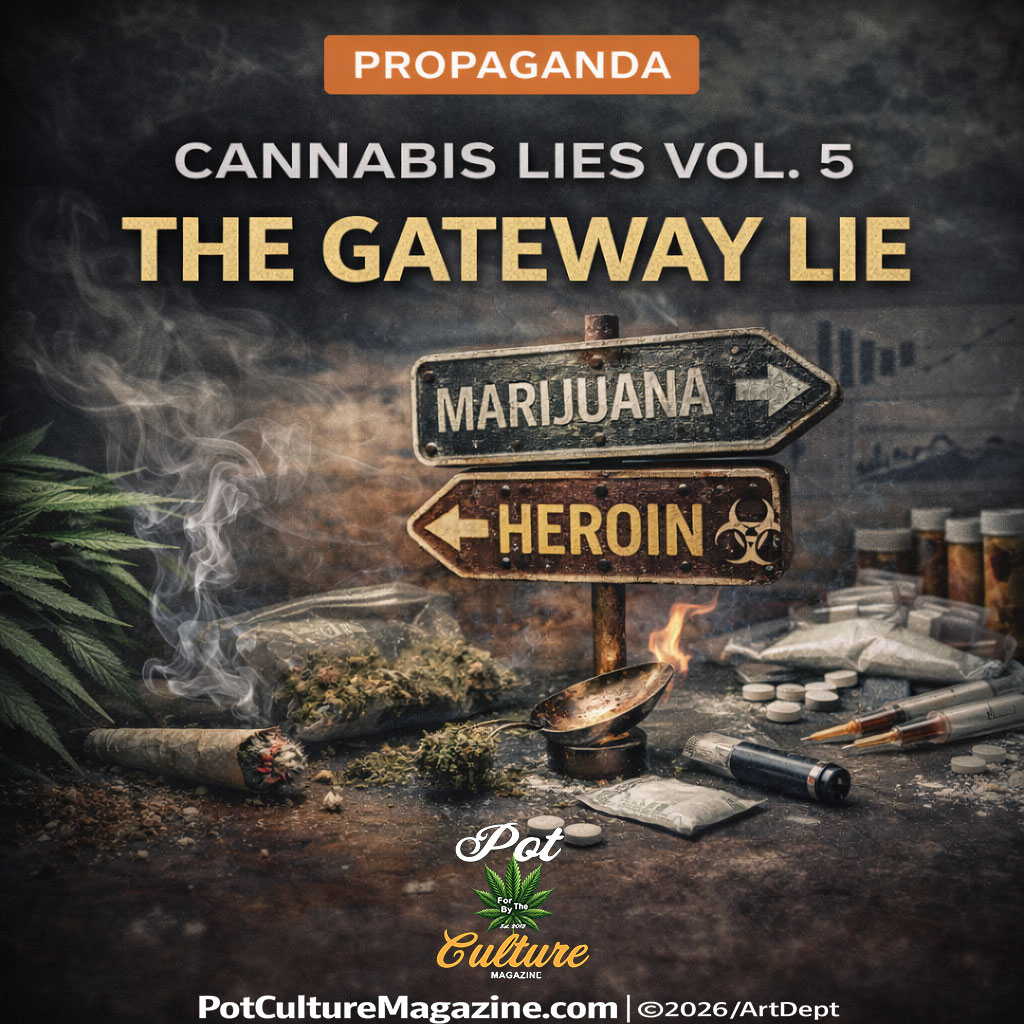
CANNABIS LIES Vol. 5: The Gateway Lie
For decades, politicians have claimed marijuana is a gateway to heroin and harder drugs. Federal youth surveys, NSDUH data, and NIDA’s own language tell a different story. Cannabis use is widespread, hard drug use remains rare, and most users do not progress. The data dismantles one of prohibition’s most durable fear narratives.

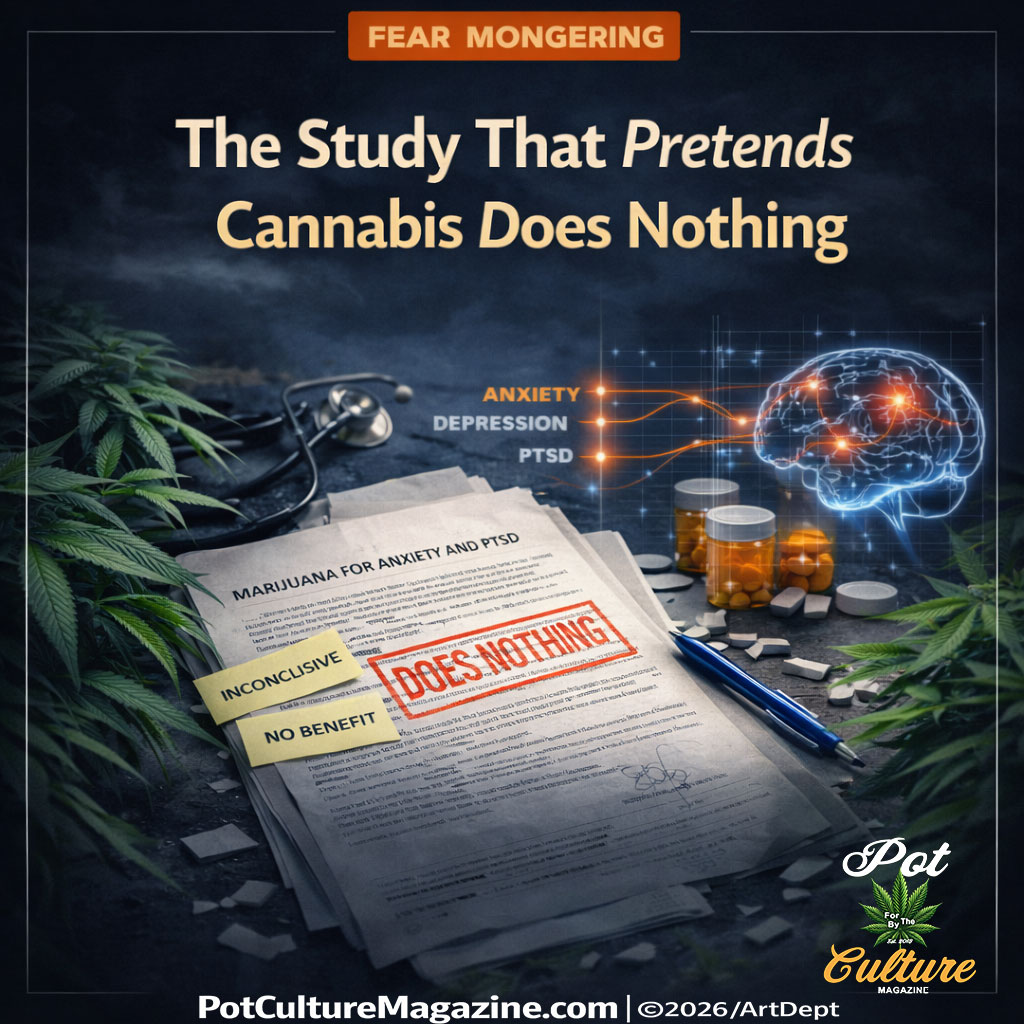
The Study That Pretends Cannabis Does Nothing
A new cannabis study claims marijuana does nothing for anxiety, depression, or PTSD. The reality is far more complicated. Decades of federal restrictions, limited research access, and synthetic substitutes have shaped the science. This breakdown exposes how incomplete data and selective interpretation continue to drive misleading headlines about cannabis and mental health.
advertisement
Do not store old flower containers or ash in the car. Empty jars and forgotten tubes hold scent long after they are cleaned.
Seal anything with a smell. A simple airtight pouch prevents the easiest excuse an officer can use.
Travel clear headed. Some readers prefer relief without impairment during long drives. Endoca CBD has become a steady choice because it stays consistent.
Know the rules in the state you are driving through. Odor is not probable cause in some states, yet it remains a tool in others.
Keep conversations simple and respectful. You do not need to explain your holiday habits.
Remember that odor is not evidence of impairment. Courts have split them apart. Officers blend them because it expands their authority.
©2025 Pot Culture Magazine. All rights reserved. This content is the exclusive property of Pot Culture Magazine and may not be reproduced, distributed, or transmitted in any form or by any means without prior written permission from the publisher, except for brief quotations in critical reviews.
Affiliate Disclosure: Pot Culture Magazine may receive commissions from purchases made through affiliate links such as Cheech & Chong and Endoca. This helps support our independent journalism without affecting our editorial standards.
F O R T H E C U L T U R E B Y T H E C U L T U R E
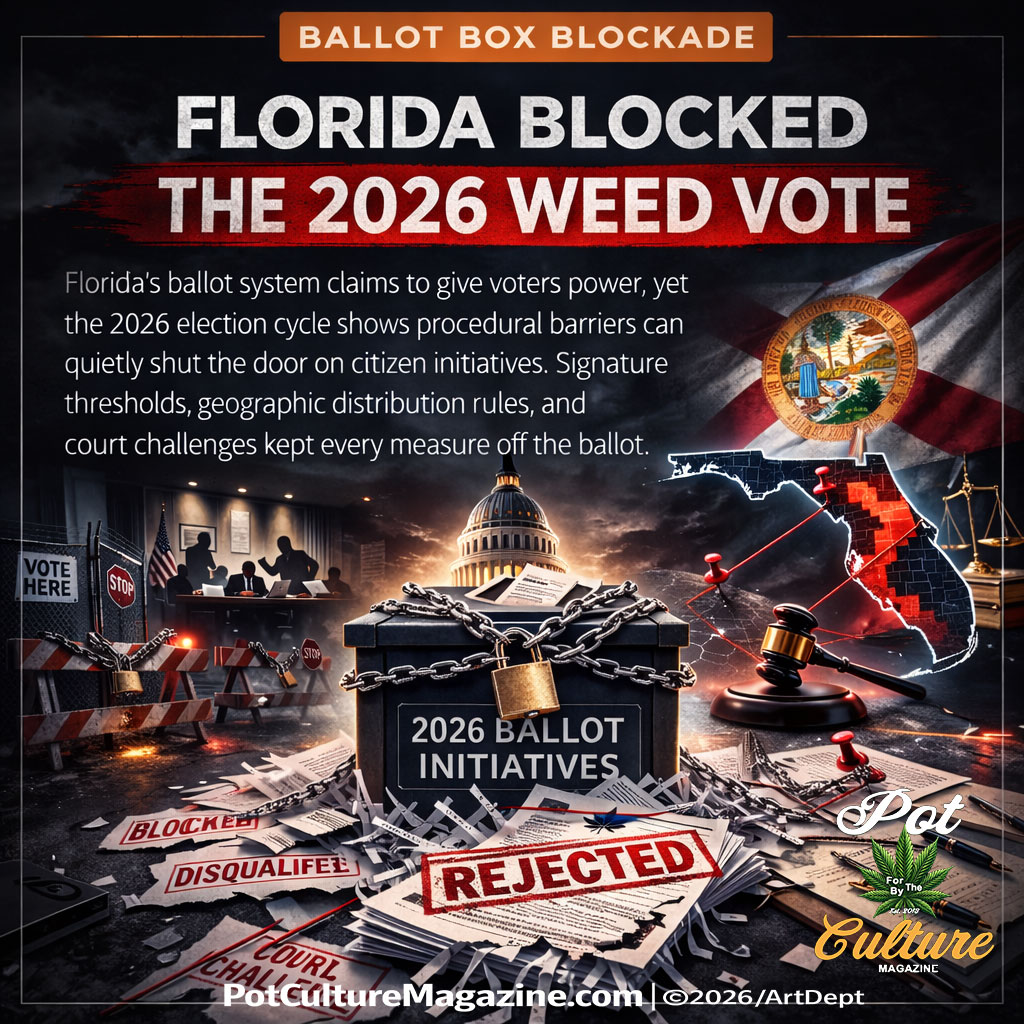
Florida Blocked the 2026 Weed Vote
Florida’s ballot system claims to give voters power, yet the 2026 election cycle shows how procedural barriers can quietly shut the door on citizen initiatives. Signature thresholds, geographic distribution rules, and court challenges blocked every measure from reaching voters, revealing how cannabis legalization fights are often decided by bureaucratic design long before election day.
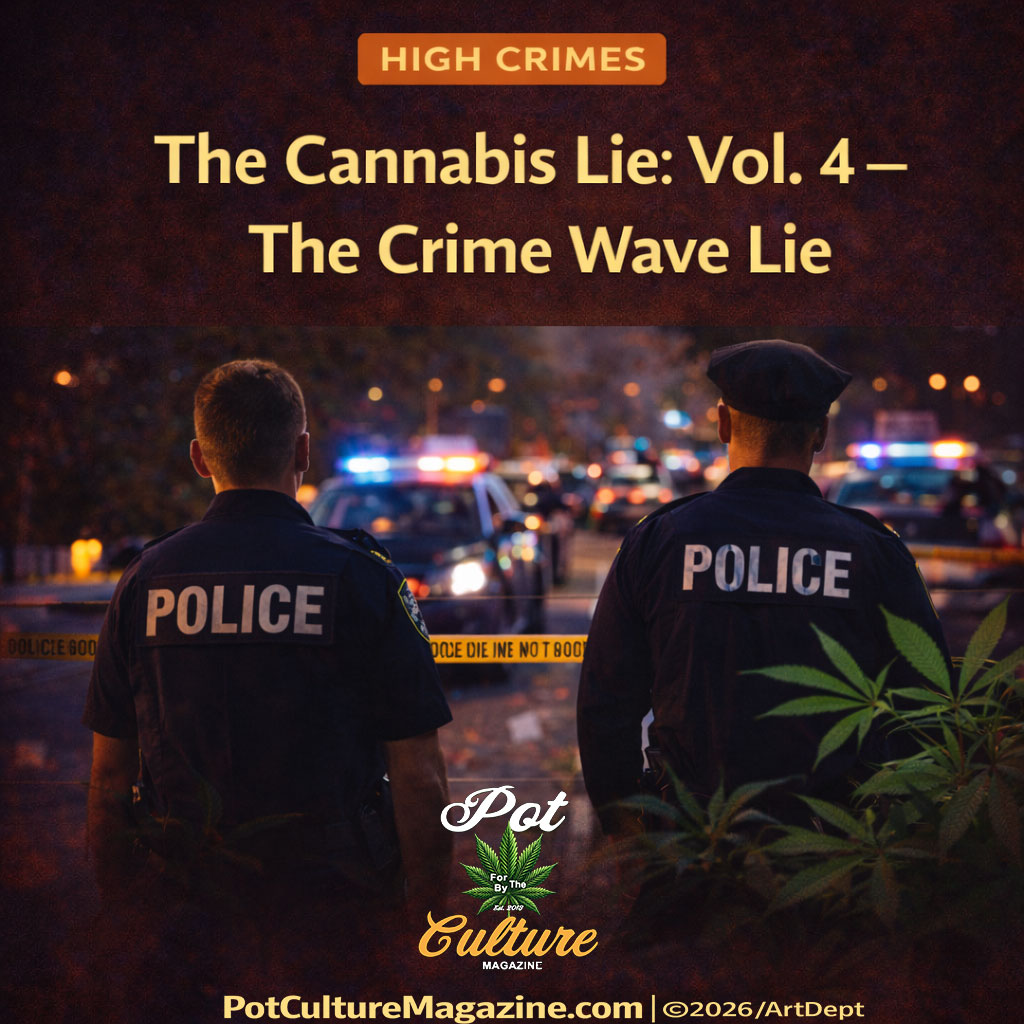
The Cannabis Lie: Vol. 4 — The Crime Wave Lie
Politicians and pundits warned that legal cannabis would unleash a crime wave. The data tell a different story. From Colorado’s violent crime trends to DOJ time-series research and statewide arrest declines, the evidence shows no consistent long-term surge tied to legalization. The numbers never matched the panic.

South Africa Legalized Weed, But Not the Market
South Africa recognized private adult cannabis use and home cultivation, but never built a legal domestic market around them. With buying and selling still largely outside the law, the illicit trade remains dominant while regulators scramble to set limits, draft rules, and prepare a broader Cannabis Bill that could finally address commerce.
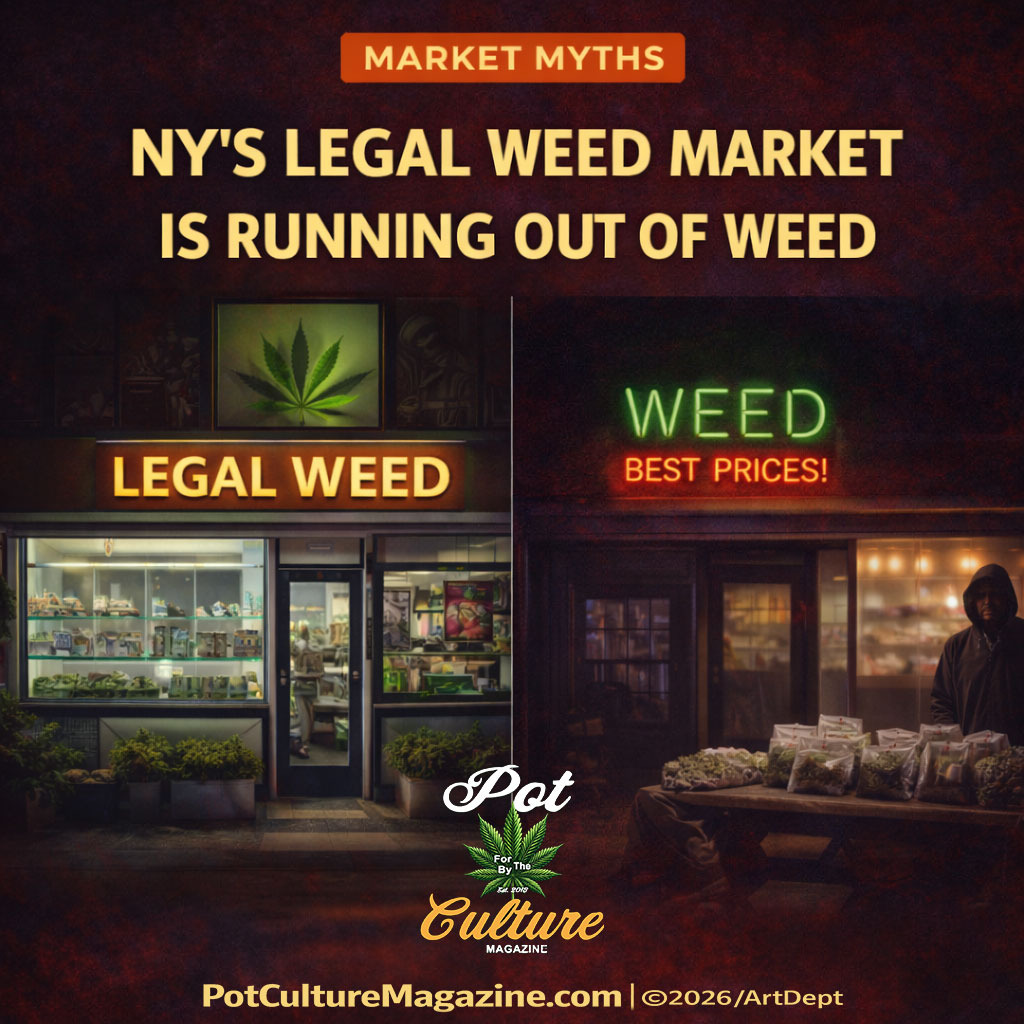
NY’s Legal Weed Market Is Running Out of Weed
New York legalized cannabis and opened hundreds of stores, but regulators now warn the legal market may not produce enough weed to keep them stocked. With nearly 600 stores open and sales nearing $3 billion, the state is discovering that legalization alone does not guarantee a functioning market.
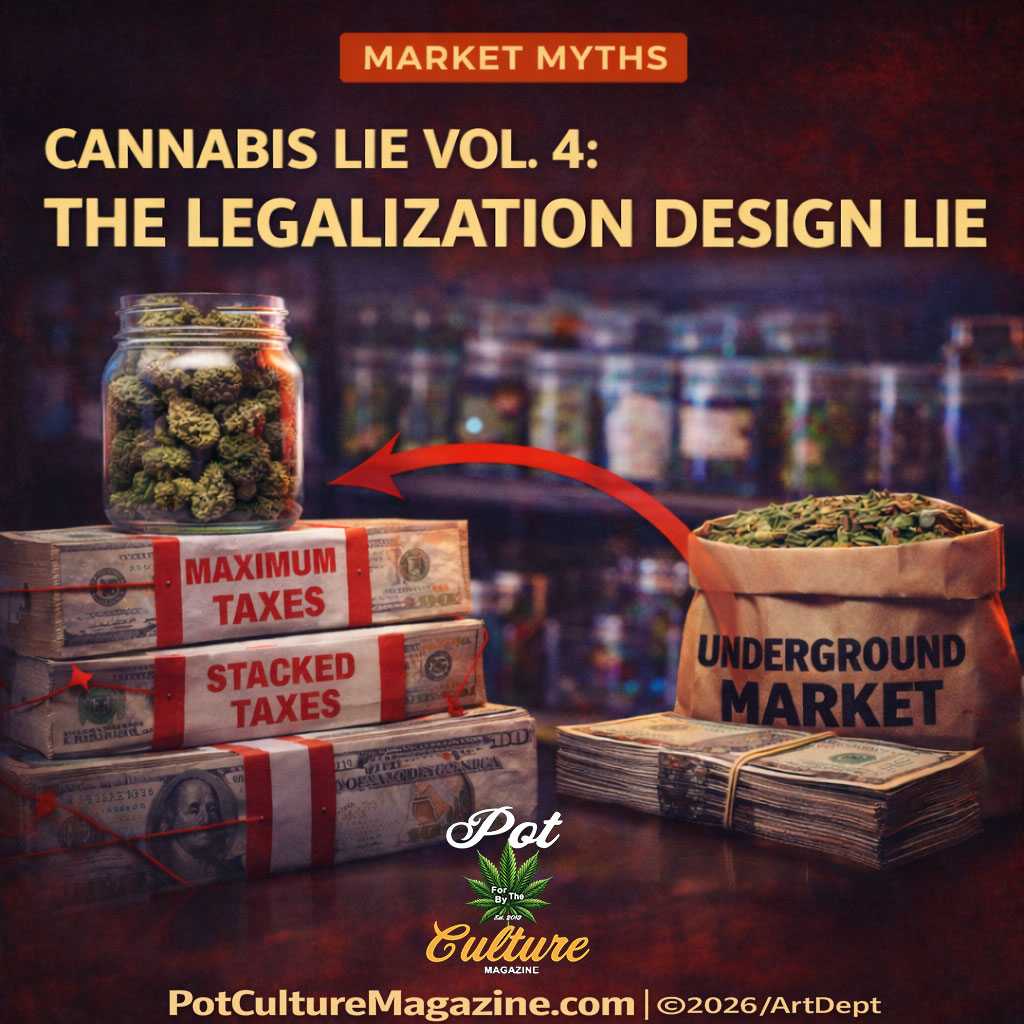
Cannabis Lie Vol. 4: The Legalization Design Lie
Cannabis legalization was sold as the end of the illicit market. Instead, stacked taxes, licensing limits, and local bans created price gaps that allowed underground sales to survive. From California’s cultivation tax to Illinois pricing and Michigan’s price compression, this installment of Cannabis Lie examines how policy design, not the plant, determines who wins and…
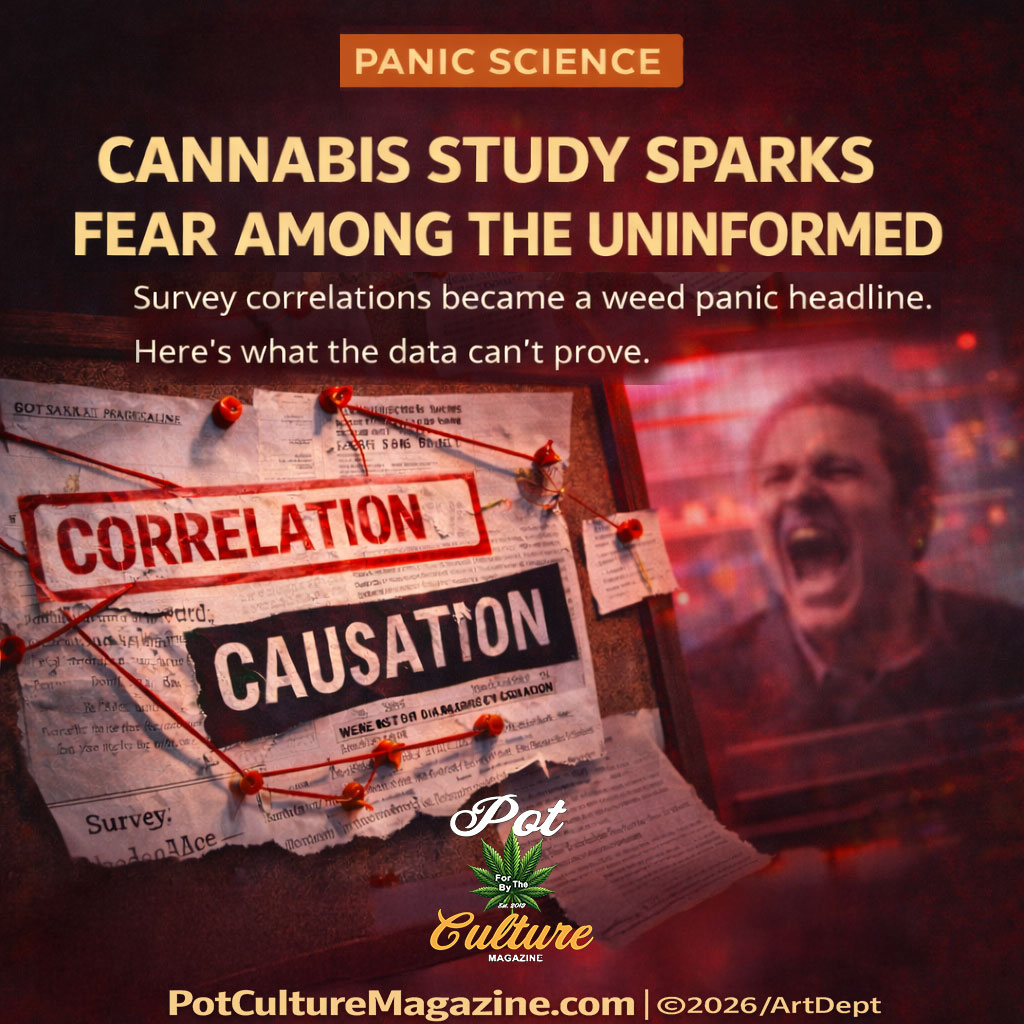
Cannabis Study Sparks Fear Among the Uninformed
A McMaster led analysis of two Canadian mental health surveys is getting recycled as a weed panic story, even though the design can only show association. This piece breaks down what the data can actually support, what it cannot prove, and how headlines turn survey correlations into causal claims that fuel stigma, bad policy, and…
Discover more from POT CULTURE MAGAZINE
Subscribe to get the latest posts sent to your email.

Leave a comment