Filed Under: Boutique Mythology
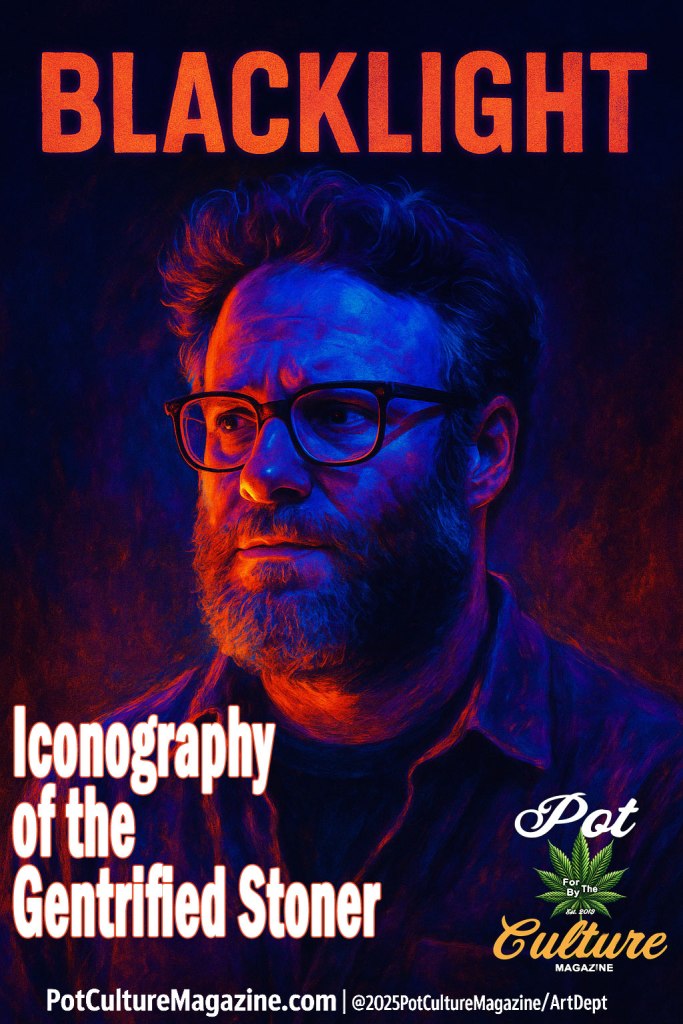
The word icon once meant something in cannabis, something with bones in it, something cut from the kind of truth that does not need to introduce itself. It belonged to the fighters, the caregivers, the people with dirt under their nails, and the law breathing down their necks. It was never meant for the comfortable. It was never meant for the people who discovered cannabis only after it became a revenue stream. It was a title carved in courtroom benches and hospital hallways, not printed on merch.
So when a hemp Facebook group casually knighted Seth Rogen as a Cannabis Icon, the culture flinched. Or at least it should have. But no one blinked. No one questioned it. The word icon went down easily, like a sugary edible that tastes good and does nothing. A label stripped clean of the struggle that once defined it. The moment said less about Seth Rogen and more about how far cannabis culture has drifted from its roots.
Rogen did not crown himself. The culture did it for him, confusing visibility with contribution. People saw him smoke on camera and assumed that meant something deeper. But smoking weed on screen is not activism. It is not a risk. It is not history. It is Hollywood.
To reset the record, we contacted the Marijuana Policy Project. They confirmed that Rogen and Houseplant have given financial support, described only as occurring “over the last several years.” No dates. No amounts. No frequency. No transparency reports. Just the confirmation and the fog around it. Nothing more. They also confirmed his appearance in two MPP events. And they clarified something the mythmakers will not. His appearances were separate from sponsorship funding. Presence without underwriting. Optics without scale.
The truth is not an attack. It is a boundary. His contributions exist, but the mythology built around them has expanded far beyond what the record supports. That is not his doing. That is the culture’s hunger for a friendly face.
Houseplant is a luxury boutique. Clean lines. Designer ashtrays. Home goods that appear in magazines that have never printed the words mandatory minimum. It is cannabis curated for people with kitchens that look like surgical theaters. Nothing wrong with that. Cannabis can wear many outfits. But luxury is not legacy. And comfort is not contribution.
advertisement
F O R T H E C U L T U R E B Y T H E C U L T U R E
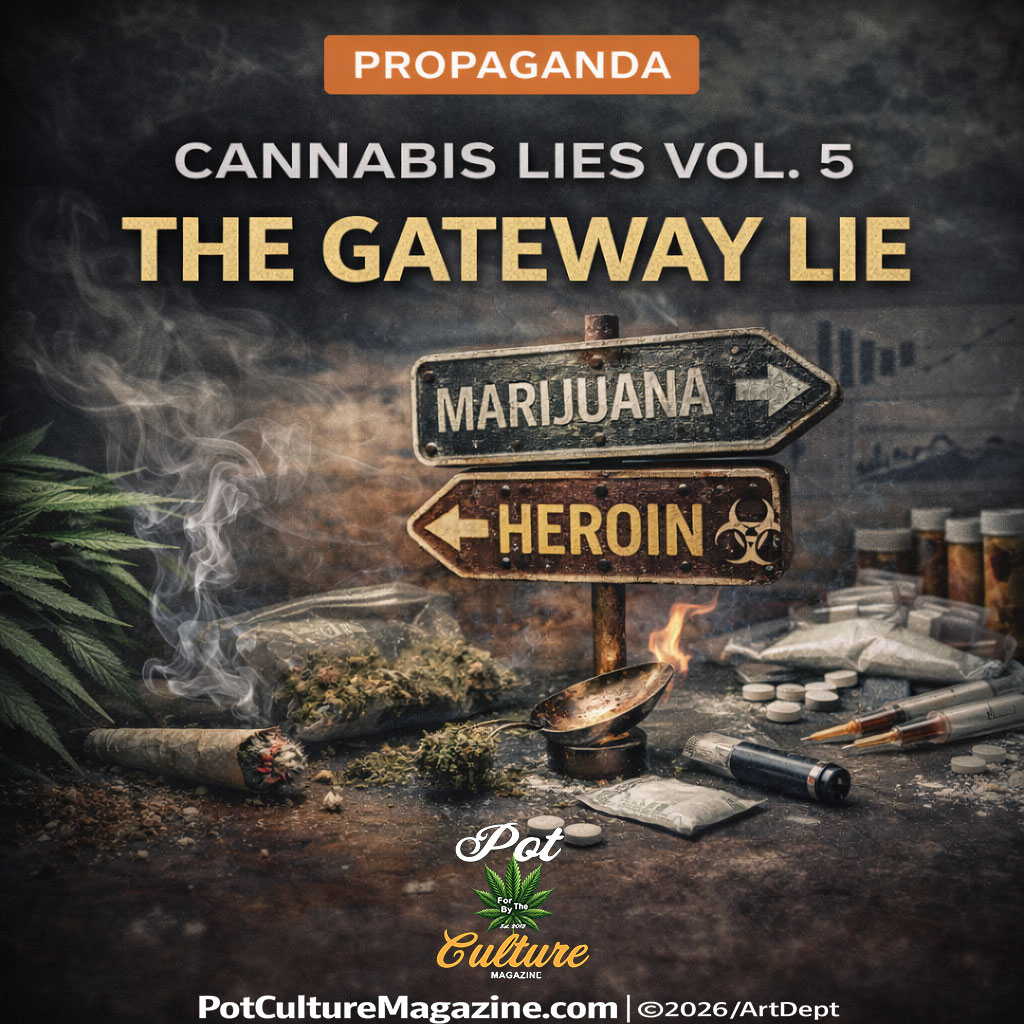
CANNABIS LIES Vol. 5: The Gateway Lie
For decades, politicians have claimed marijuana is a gateway to heroin and harder drugs. Federal youth surveys, NSDUH data, and NIDA’s own language tell a different story. Cannabis use is widespread, hard drug use remains rare, and most users do not progress. The data dismantles one of prohibition’s most durable fear narratives.

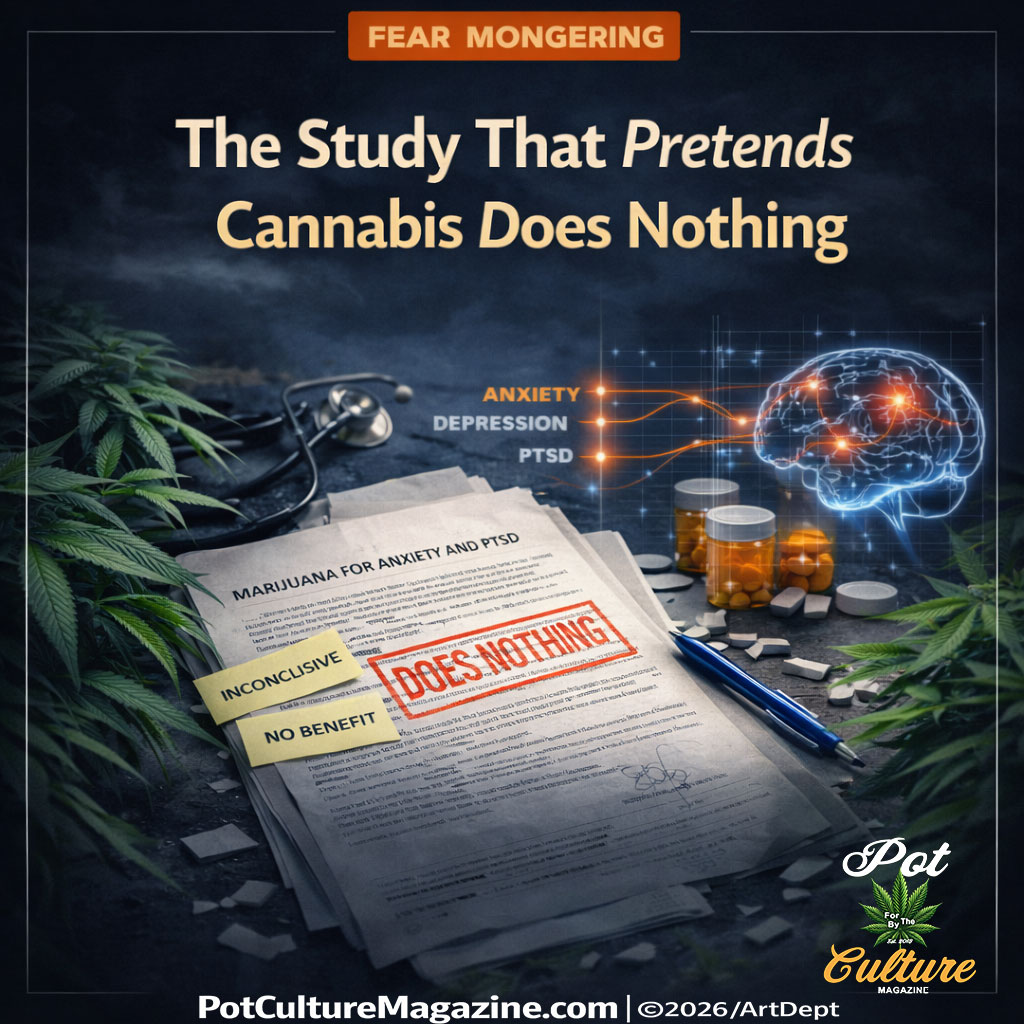
The Study That Pretends Cannabis Does Nothing
A new cannabis study claims marijuana does nothing for anxiety, depression, or PTSD. The reality is far more complicated. Decades of federal restrictions, limited research access, and synthetic substitutes have shaped the science. This breakdown exposes how incomplete data and selective interpretation continue to drive misleading headlines about cannabis and mental health.
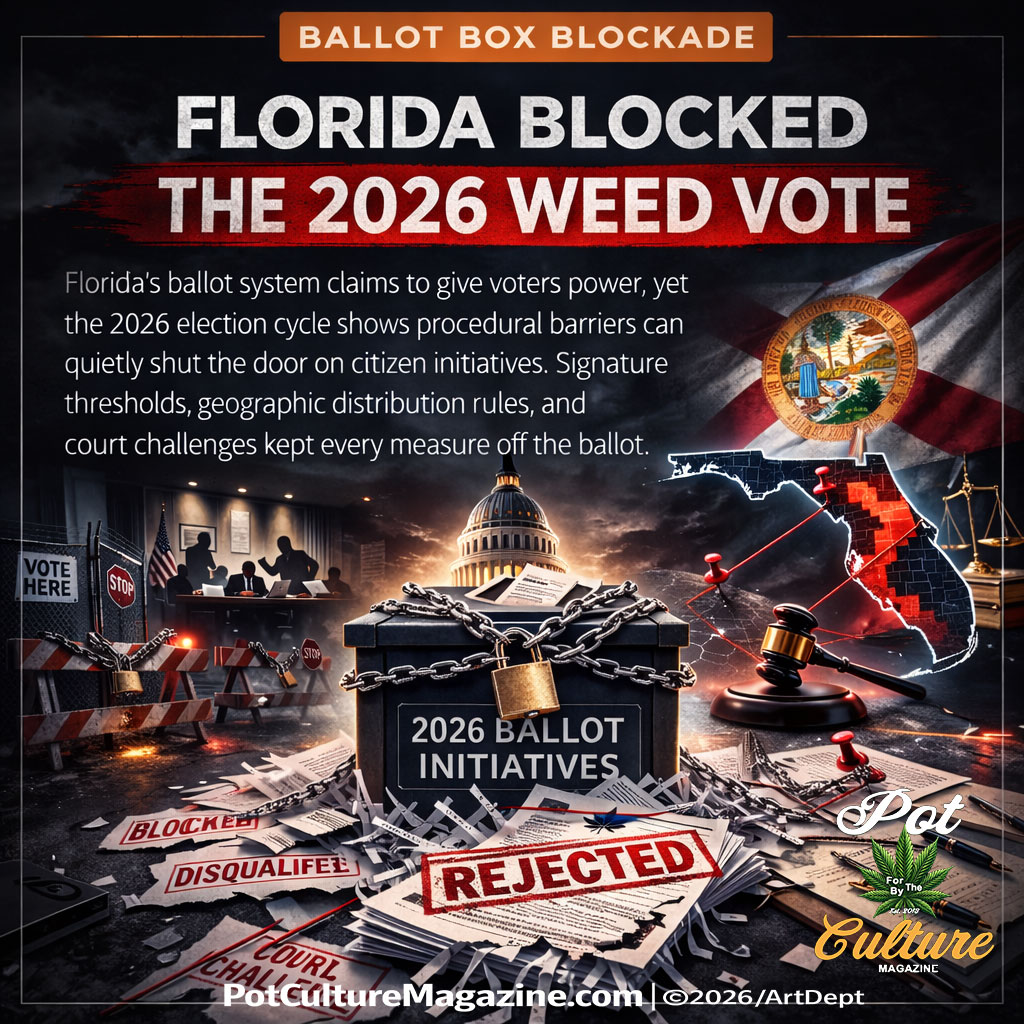
Florida Blocked the 2026 Weed Vote
Florida’s ballot system claims to give voters power, yet the 2026 election cycle shows how procedural barriers can quietly shut the door on citizen initiatives. Signature thresholds, geographic distribution rules, and court challenges blocked every measure from reaching voters, revealing how cannabis legalization fights are often decided by bureaucratic design long before election day.
advertisement
Houseplant succeeds because the ground was already paved. Paved by activists who never touched a designer lighter. People who lost their freedom, their jobs, their homes, sometimes their children. People who fought for patients when the state treated illness as a crime. People who grew medicine in basements and barns because their loved ones were dying. People were erased from the public record almost as thoroughly as the government tried to erase the plant itself.
There are countless documented stories of growers, caregivers, and families who lost their land, their homes, their savings, and their safety while cultivating cannabis to ease the pain of illness. Civil forfeiture swallowed their lives whole for a handful of plants grown for a sick spouse or a dying parent. Some fought. Others broke. The archive is thin because prohibition punished and erased with equal force, but the cultural memory remains.
So when someone points at a celebrity and calls him an icon, the smoke turns sour. It is not Rogen’s fault that the culture mistakes branding for bravery. It is the gentrification of cannabis itself. Legalization brought safety, but it also brought forgetfulness. The industry learned to elevate aesthetics over advocacy. Packaging over policy. Comfort over confrontation.
The danger is not that Seth Rogen will start believing he is an icon. The danger is that the culture already does. When myths calcify, the real pioneers disappear. The activists become footnotes. The martyrs fade. The war that built this moment gets rewritten as a vibe.
Rogen is not the villain. He is the symbol. The safest face of a sanitized era. A pleasant, profitable mascot of cannabis comfort. And that is fine, as long as we do not mistake comfort for courage.
Icons are born in fire. They are shaped by nights spent watching the window for police lights. They are carved into courtroom transcripts and medical records. They do not arrive after the victory. They arrive before it.
Seth Rogen is not an icon. He is a celebrity with a cannabis brand polished enough to fit into high-end retail. The culture built around him is an illusion. And the people who truly earned the word icon deserve their names spoken louder than ever, before the last embers of their stories fade beneath the glow of modern marketing.
©2025 Pot Culture Magazine. All rights reserved. This content is the exclusive property of Pot Culture Magazine and may not be reproduced, distributed, or transmitted in any form or by any means without prior written permission from the publisher, except for brief quotations in critical reviews.
F O R T H E C U L T U R E B Y T H E C U L T U R E

The Cannabis Lie: Vol. 4 — The Crime Wave Lie
Politicians and pundits warned that legal cannabis would unleash a crime wave. The data tell a different story. From Colorado’s violent crime trends to DOJ time-series research and statewide arrest declines, the evidence shows no consistent long-term surge tied to legalization. The numbers never matched the panic.
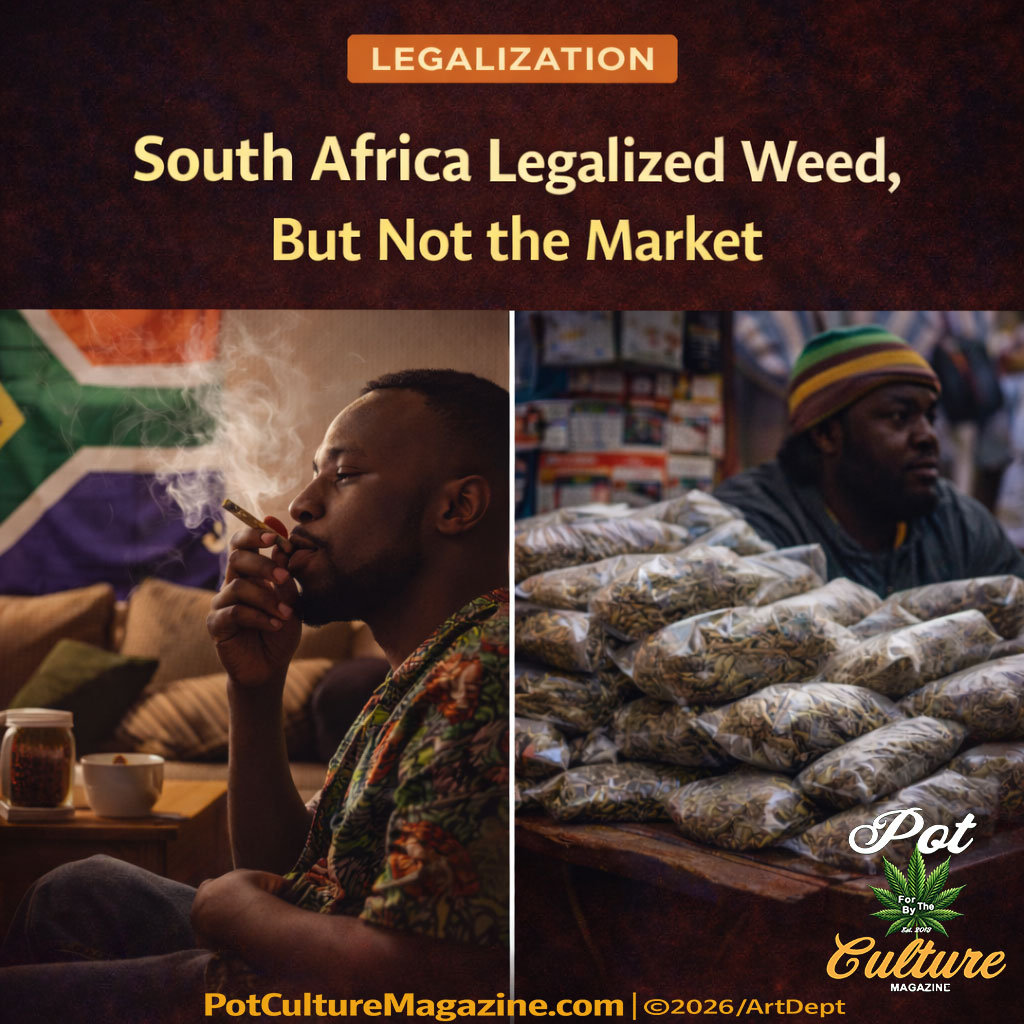
South Africa Legalized Weed, But Not the Market
South Africa recognized private adult cannabis use and home cultivation, but never built a legal domestic market around them. With buying and selling still largely outside the law, the illicit trade remains dominant while regulators scramble to set limits, draft rules, and prepare a broader Cannabis Bill that could finally address commerce.
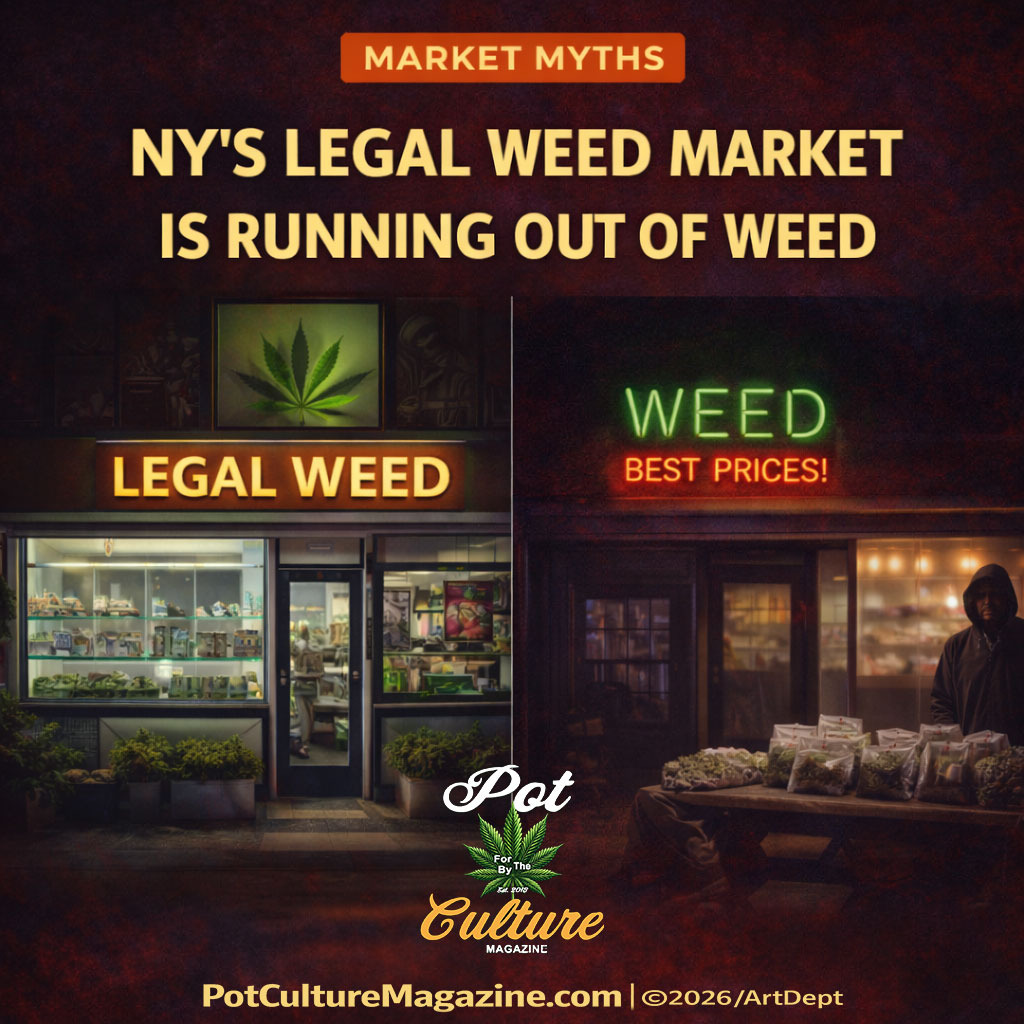
NY’s Legal Weed Market Is Running Out of Weed
New York legalized cannabis and opened hundreds of stores, but regulators now warn the legal market may not produce enough weed to keep them stocked. With nearly 600 stores open and sales nearing $3 billion, the state is discovering that legalization alone does not guarantee a functioning market.
Discover more from POT CULTURE MAGAZINE
Subscribe to get the latest posts sent to your email.

Leave a comment