Filed Under: Law, Sovereignty, Cannabis Policy
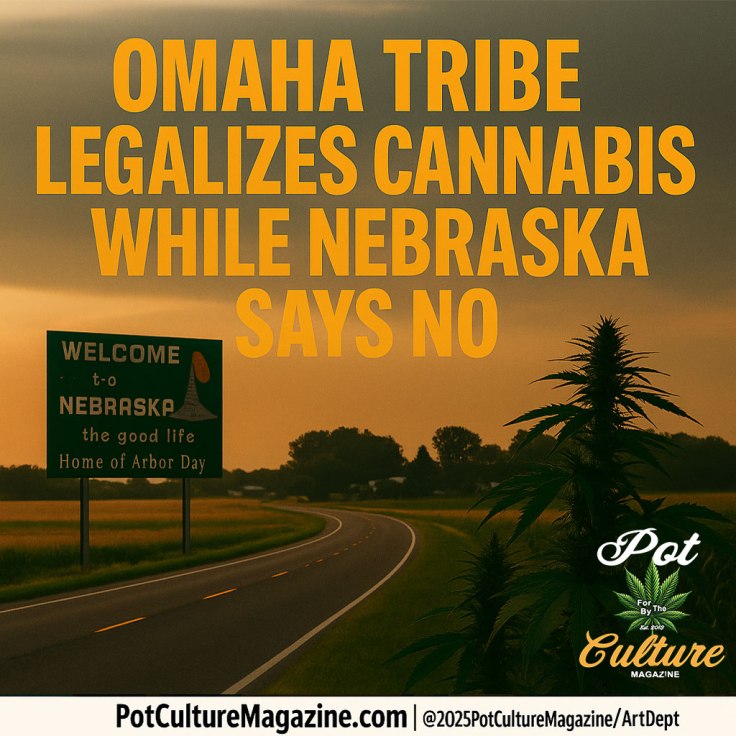
The Omaha Tribe of Nebraska isn’t asking for permission. They’re swearing in their cannabis commission, writing their own rules, and moving faster than the state ever intended. While Nebraska lawmakers stall behind closed doors, the Tribe is building a working cannabis economy in public. They legalized in July. By October, they had a governing body, a draft code, and a plan.
Five voting members now hold the keys. One lawyer sits beside them, no vote, just law. Cultivation, testing, retail, enforcement. Every decision, every policy, every permit starts with them. This isn’t theory. This is power being exercised.
Nebraska voters signed off on medical cannabis in 2024. Almost a year later, nothing has changed. No dispensaries. No licenses. No access. Just bureaucracy and dead ends. The Tribe looked at the same mess and walked around it. Attorney General John Cartier said it was clean. The state lurches from delay to debate. The Tribe governs.
This is not a lifestyle play. There are no curated boxes or artisan jars. Nobody here is trying to become the next celebrity grower. This is a working system being built by people who know what exclusion looks like. The Tribe is debating whether IDs should be required at all. Cannabis cards cost money. That cost keeps people out. They know who those people are. They have names.
One tribal member said it flat. This commission isn’t about cashing in. It’s about sovereignty, safety, and economic survival.
There will be friction. Federal law hasn’t changed. State enforcement can become contentious over boundary lines and product transportation. Banks will hesitate. None of that is new. Other tribes have taken this risk. Some won. Some are still fighting. The Omaha Tribe is not entering this situation blindly.
Rules could be finalized by the end of the year. Retail could open early 2026. Permits will be issued. Grow sites will break the soil. This is the build phase. And if it works, it expands. Processing. Manufacturing. Hospitality. Research. All of it tribal. All of it is governed internally.
While the state debates, the future is being built. Quietly. Decisively. Just across the line.
advertisement
F O R T H E C U L T U R E B Y T H E C U L T U R E

Zurich’s Black Market Problem
Zurich’s Züri Can pilot is giving cannabis reformers something stronger than slogans. New interim findings show regulated, nonprofit access reduced several reported health problems while pulling demand away from the illegal market, giving Switzerland fresh evidence for national cannabis reform and putting prohibition panic on weaker ground.


Vegas Knew, Vegas Looked Away
Las Vegas sold tourists the illusion of legal cannabis while fake dispensary style hemp shops operated near the Strip. Vegas Knew, Vegas Looked Away exposes how Nevada’s casino separation rules, weak hemp oversight, delayed Clark County action, and tourist confusion created a loophole economy hiding in plain sight.
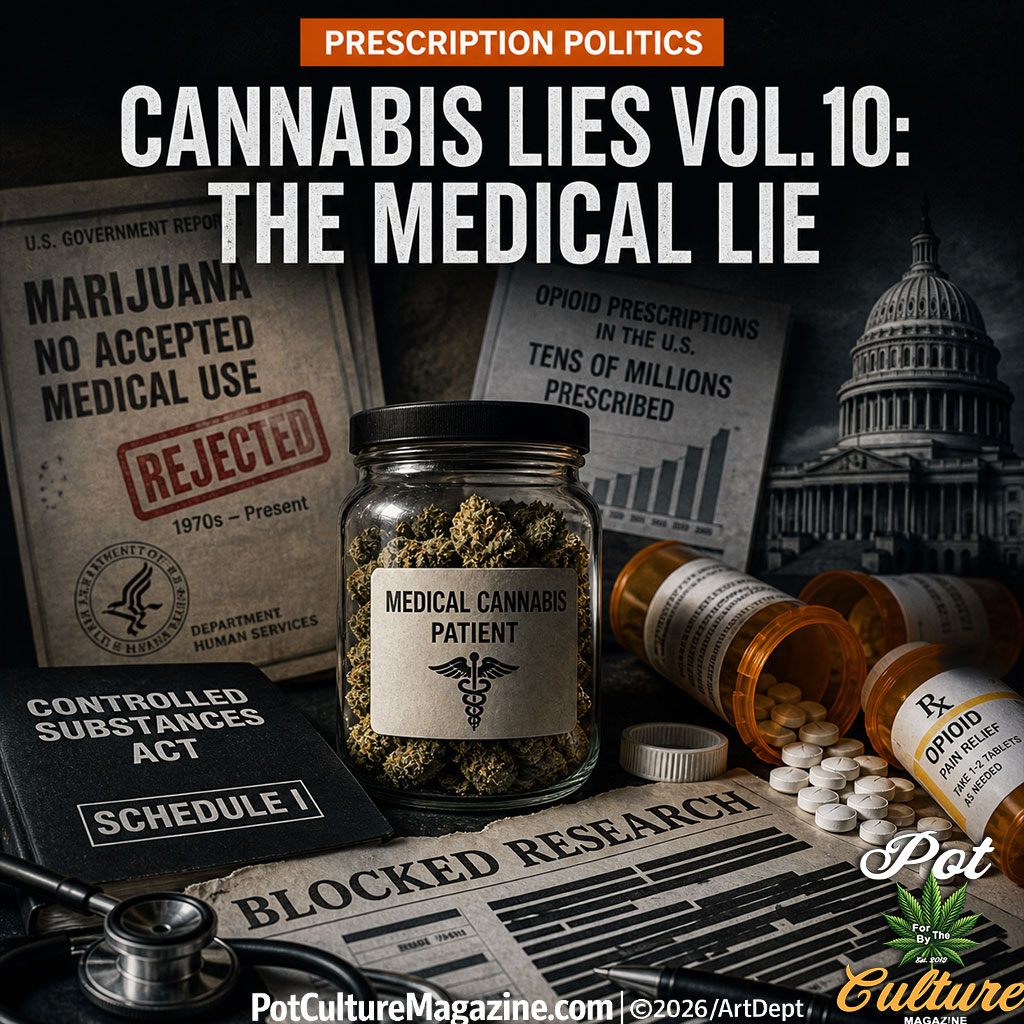
CANNABIS LIES Vol. 10: The Medical Lie
For decades, federal policy claimed cannabis had no accepted medical use while opioid prescriptions moved through the health care system by the tens of millions. Cannabis Lies Vol. 10 exposes the contradiction behind Schedule I, blocked research, medical cannabis patients, and the institutions that spent years pretending politics was medicine.
advertisement
Here is the reality. Under the Omaha Tribe’s new Title 51 code, you can legally purchase and possess up to one ounce of cannabis on tribal land. But once you cross the jurisdictional line into Nebraska state territory, you enter a wholly different legal regime. Nebraska still criminalizes cannabis. Possession of one ounce or less is a civil infraction on the first offense, escalating to misdemeanors for repeat offenses. Anything over one ounce can lead to jail time. Nebraska has no legal pathway for adult-use flower through state law and no state program for smoking or vaping retail flower. The state has kept the “real thing” illegal. That is where the conflict lives. Tribal sovereignty ends where state law begins. In other states, law enforcement has monitored purchases on tribal land and then moved to prosecute once buyers left the reservation. In South Dakota, officers reportedly monitored buyers on Pine Ridge. In New York, the Shinnecock Nation saw customers follow. In Wisconsin, officers waited just past the Menominee line. The pattern is clear. One step off sovereign ground, and state jurisdiction becomes the hunting ground
That is where the conflict lives. Tribal sovereignty ends where state jurisdiction begins. In some places, police have made that line their hunting ground. In South Dakota, officers watched Pine Ridge buyers. In New York, the Shinnecock Nation saw customers follow. In Wisconsin, cars were stopped just past Menominee land. The pattern is the same. One step off tribal ground and you are back under state law. They wait. They watch. Then they act.
They can’t stop you from shopping. But they can find a reason. And in prohibition states, every joint, every jar, every receipt becomes a risk. It doesn’t matter if you bought it legally. The second your tires hit Nebraska pavement, you are in their hands.
The Omaha Tribe isn’t hiding from that fact. They are moving anyway. Sovereignty means building something real in the face of risk. They know where their land ends. They know what it takes to govern. That’s why they are doing it themselves.
They’re not staging a protest. They’re building a program. Licensing could begin by early 2026. Sales could follow. They’ll control their seed-to-sale. And when that happens, Nebraska will be standing on the other side of the border with empty shelves and a broken process.
The people in Omaha aren’t waiting on the governor to evolve. They’ve already made the law.
©2025 Pot Culture Magazine. All rights reserved. This content is the exclusive property of Pot Culture Magazine and may not be reproduced, distributed, or transmitted in any form or by any means without prior written permission from the publisher, except for brief quotations in critical reviews.
F O R T H E C U L T U R E B Y T H E C U L T U R E

Jersey’s New Cash Crop
Jersey reinvented itself. A forty-five square mile island once known for offshore finance is now exporting pharmaceutical-grade cannabis into Germany’s booming medical market. With strict regulation, heavy investment, and a government eager for diversification, Jersey has become an unlikely European powerhouse. The contradiction between local policing and global commerce tells the real story.

A State of the Union on the State of Cannabis Media
Cannabis media is undergoing a predictable institutional decay. The movement’s original architects have transformed from revolutionary contributors into defensive gatekeepers, protecting their legacy rather than fostering future growth. This manifesto examines the four archetypes of decay: the Gatekeeper, the Mercenary, the Scavenger, and the Shill, that currently stifle the industry’s independent voice and threaten the…

Cannabis Lies Vol. 9: The Reform Lie
The federal move to Schedule III is a masterclass in bureaucratic maintenance. While corporations celebrate tax relief, the core structure of the drug war remains untouched. This analysis deconstructs the Reform Lie, exposing how the state uses symbolic gestures to professionalize a privilege for the few while keeping the machinery of punishment active for everyone…
Discover more from POT CULTURE MAGAZINE
Subscribe to get the latest posts sent to your email.

Leave a comment