Filed Under: Democracy for Sale
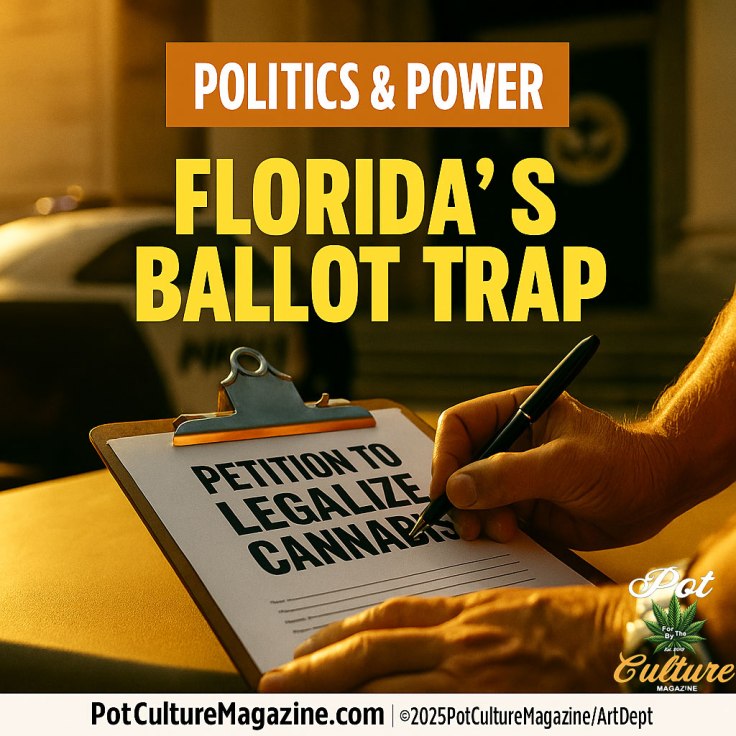
Florida just found a new way to kill legalization without saying no. A few lines of fine print buried inside an election memo may erase almost 200,000 voter signatures, all because a cannabis campaign mailed petitions without stapling on the full amendment text. The state says the link to the amendment online was not good enough. The signatures, the effort, and the money might all go up in smoke over a missing attachment.
The campaign is called Smart & Safe Florida. It collected more than 663,000 verified signatures toward a 2026 adult-use ballot initiative, bankrolled almost entirely by Trulieve Cannabis Corp. to the tune of $26 million. The threshold for Florida’s Supreme Court review was met months ago, but the review never came. The Division of Elections, run by Secretary of State Cord Byrd, instead dropped a directive telling counties to invalidate any petition that didn’t include a full printed copy of the amendment. A federal judge will now decide whether that order is constitutional.
This is not about paperwork. It is about power. Florida lawmakers already passed H.B. 1205, a bill that shrinks the time frame for signature collection from 30 days to 10, requires new registration rules for every petition circulator, and adds felony charges for paperwork errors. The rules came after legalization began polling ahead of the 60 percent threshold needed to pass. They know they cannot win at the ballot, so they are moving the ballot itself.
The playbook is familiar. In 2024, Florida’s previous legalization amendment was struck down by the Florida Supreme Court over “misleading language.” That language had already been approved by state lawyers months earlier. Every time reform gets close, the state rewrites the rules, changes the forms, or delays the referral. Now they are rewriting the mail instructions after the petitions were sent.
advertisement
F O R T H E C U L T U R E B Y T H E C U L T U R E

Zurich’s Black Market Problem
Zurich’s Züri Can pilot is giving cannabis reformers something stronger than slogans. New interim findings show regulated, nonprofit access reduced several reported health problems while pulling demand away from the illegal market, giving Switzerland fresh evidence for national cannabis reform and putting prohibition panic on weaker ground.


Vegas Knew, Vegas Looked Away
Las Vegas sold tourists the illusion of legal cannabis while fake dispensary style hemp shops operated near the Strip. Vegas Knew, Vegas Looked Away exposes how Nevada’s casino separation rules, weak hemp oversight, delayed Clark County action, and tourist confusion created a loophole economy hiding in plain sight.

CANNABIS LIES Vol. 10: The Medical Lie
For decades, federal policy claimed cannabis had no accepted medical use while opioid prescriptions moved through the health care system by the tens of millions. Cannabis Lies Vol. 10 exposes the contradiction behind Schedule I, blocked research, medical cannabis patients, and the institutions that spent years pretending politics was medicine.
advertisement
If the state’s position stands, more than 200,000 signatures could be tossed. That means every Floridian who signed a petition after reading the amendment online would be treated as if they never signed at all. The campaign argues that it is retroactive punishment, a trap set after the fact. And they are not wrong.
This is the new face of prohibition: kill the process, not the people. The same energy that once raided growers now hides inside clerical memos and “guidance” letters. Florida’s rulemakers have turned democracy into a procedural gauntlet, one that even a multimillion-dollar campaign cannot navigate. If this much money and organization cannot reach the ballot, the idea of citizen-led reform is a joke.
The irony is brutal. Florida still sells weed through state-licensed medical programs that are regulated, taxed, and profitable. It just will not let its own voters decide if the rest of the public can join them. The war on weed has turned into a war on participation, and the casualties are signatures.
This is not the story of one campaign. It is the story of how power protects itself when the culture wins the argument. They call it democracy, but it behaves like ownership.
Florida’s voter rights are under attack, and the fix is happening in plain sight. If you live in Florida, check your voter registration at RegisterToVoteFlorida.gov and verify that your signature is current. Follow Smart & Safe Florida and demand accountability from your county elections office. Share this story wherever you can. The ballot only matters if people are willing to fight for the right to use it.
©2025 Pot Culture Magazine. All rights reserved. This content is the exclusive property of Pot Culture Magazine. It may not be reproduced, distributed, or transmitted in any form or by any means without prior written permission from the publisher, except for brief quotations in critical reviews.
F O R T H E C U L T U R E B Y T H E C U L T U R E
Jersey’s New Cash Crop
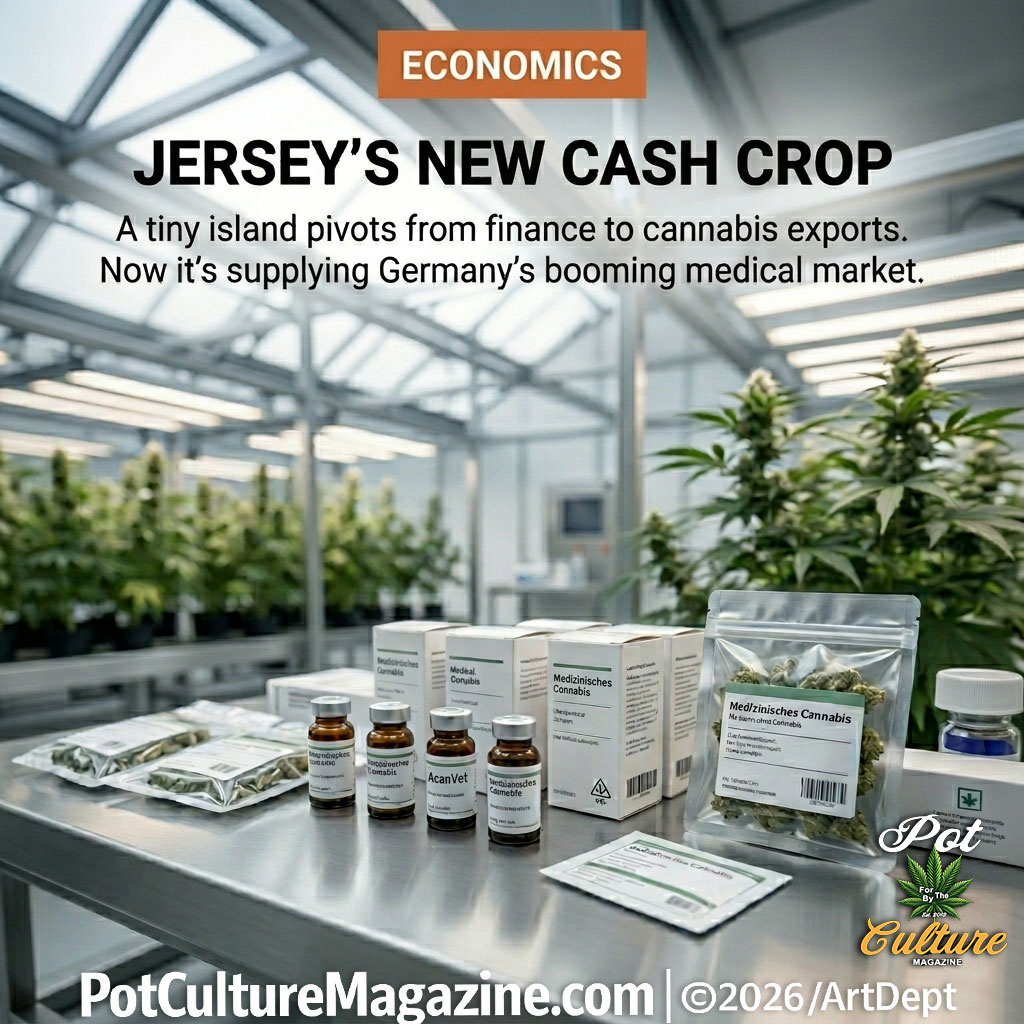
Jersey reinvented itself. A forty-five square mile island once known for offshore finance is now exporting pharmaceutical-grade cannabis into Germany’s booming medical market. With strict regulation, heavy investment, and a government eager for diversification, Jersey has become an unlikely European powerhouse. The contradiction between local policing and global commerce tells the real story.
A State of the Union on the State of Cannabis Media
Cannabis media is undergoing a predictable institutional decay. The movement’s original architects have transformed from revolutionary contributors into defensive gatekeepers, protecting their legacy rather than fostering future growth. This manifesto examines the four archetypes of decay: the Gatekeeper, the Mercenary, the Scavenger, and the Shill, that currently stifle the industry’s independent voice and threaten the…
Cannabis Lies Vol. 9: The Reform Lie
The federal move to Schedule III is a masterclass in bureaucratic maintenance. While corporations celebrate tax relief, the core structure of the drug war remains untouched. This analysis deconstructs the Reform Lie, exposing how the state uses symbolic gestures to professionalize a privilege for the few while keeping the machinery of punishment active for everyone…
Discover more from POT CULTURE MAGAZINE
Subscribe to get the latest posts sent to your email.

Leave a comment