Filed Under: Regulated to Death

Ohio voters approved legalization. The General Assembly responded by rewriting the deal after the ink dried.
Senate Bill 56 is not a correction. It strips power away after the vote and reassigns control through regulation. The law compresses a public mandate into a system where the state decides who can participate, how products behave in the market, where cannabis can move, and how quickly penalties apply when rules are breached.
This bill exists because lawmakers never accepted the outcome. Legalization passed, but trust did not follow. What voters approved at the ballot box is reshaped here through restrictions that were never presented to the public.
The most immediate target is the intoxicating hemp market. SB 56 bans hemp-derived products capable of producing intoxication unless they are sold through licensed marijuana dispensaries. Independent retailers lose access overnight. Smoke shops, hemp stores, and convenience sellers are pushed out. Licensed dispensaries absorb the category by default.
Safety is the excuse. Market control is the result.
A narrow carve-out remains. Low THC hemp beverages stay legal only until December 31, 2026. The expiration date matters. It signals that tolerance is temporary and removal is already planned.
Potency limits follow. SB 56 caps marijuana extracts at 70 percent THC and flower at 35 percent THC. These thresholds are not calibrated to harm. They create production risk. Failed tests destroy inventory. Large operators survive the loss. Smaller growers do not.
Market pressure increases. Opportunity contracts.
Transport rules expand exposure. Marijuana carried outside its original retail packaging becomes a violation under SB 56. The same product shifts from legal to actionable based on container status. Enforcement discretion survives under a procedural cover.
HELP POT CULTURE MAGAZINE STAY ALIVE, AND INDEPENDENT
Home cultivation remains capped at six plants. The tax rate stays at 10 percent. These unchanged elements function as insulation. Lawmakers point to them while tightening everything else around the edges.
Licensing provisions make the intent clear. SB 56 caps dispensaries statewide at 400 and directs cannabis tax revenue toward municipalities already hosting dispensaries. Cities inside the system receive incentives. Areas without dispensaries face higher barriers. Expansion slows without an outright prohibition.
Local governments gain leverage without new accountability. Zoning delays and permit friction become effective vetoes. The bill leaves that imbalance intact.
Regulatory authority sharpens. Inspection language tightens. Compliance thresholds accumulate faster. Revocation paths shorten. SB 56 gives regulators cleaner tools to discipline deviation.
Medical cannabis remains legal, but its insulation erodes. The program is pulled deeper into adult use oversight. Patient access becomes subordinate to compliance management.
Now look at what the law avoids.
Expungement remains sidelined. Legal sales advance while people still carry marijuana convictions that legalization was supposed to make irrelevant.
Social equity receives no meaningful repair. Capital requirements and license caps quietly eliminate participation by anyone without resources.
Advertisement
F O R T H E C U L T U R E B Y T H E C U L T U R E
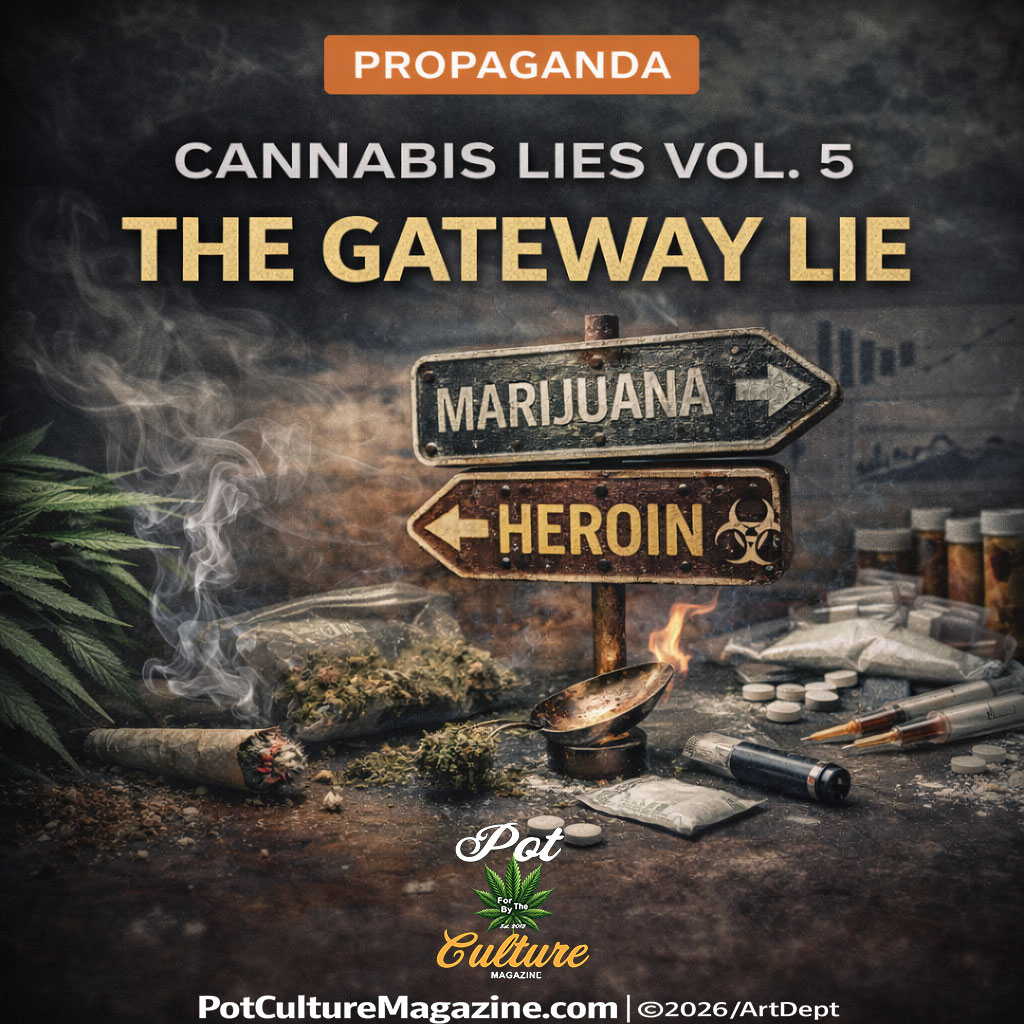
CANNABIS LIES Vol. 5: The Gateway Lie
For decades, politicians have claimed marijuana is a gateway to heroin and harder drugs. Federal youth surveys, NSDUH data, and NIDA’s own language tell a different story. Cannabis use is widespread, hard drug use remains rare, and most users do not progress. The data dismantles one of prohibition’s most durable fear narratives.

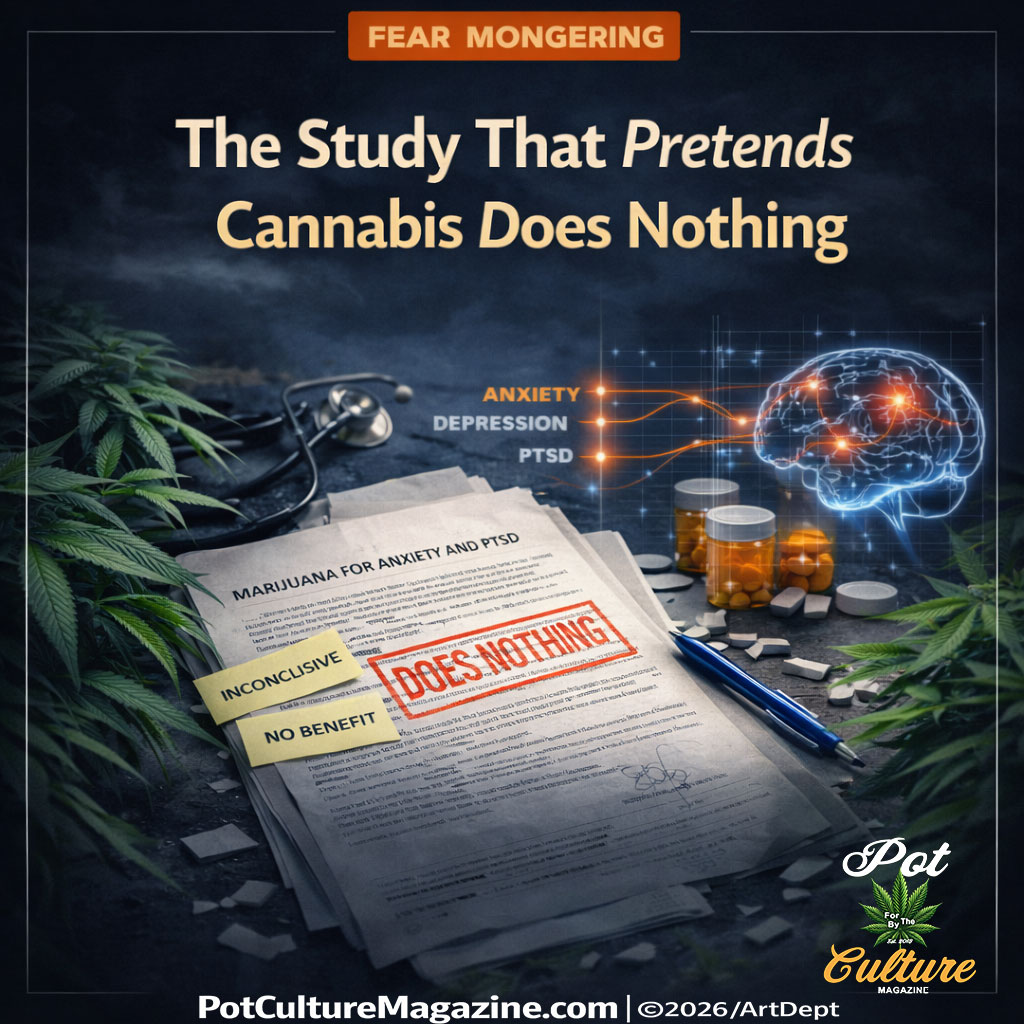
The Study That Pretends Cannabis Does Nothing
A new cannabis study claims marijuana does nothing for anxiety, depression, or PTSD. The reality is far more complicated. Decades of federal restrictions, limited research access, and synthetic substitutes have shaped the science. This breakdown exposes how incomplete data and selective interpretation continue to drive misleading headlines about cannabis and mental health.
Advertisement
Impairment standards remain unresolved. Product rules tighten while roadside enforcement stays subjective.
Municipal resistance remains untouched. Cities hostile to cannabis keep zoning and permitting leverage without consequence.
Supporters call this balance. It is not. The bill narrows participation, strengthens enforcement reach, and protects established operators while limiting entry.
Those effects fall unevenly. Smaller businesses absorb risk. New applicants face closed doors. Consumers inherit rules that criminalize ordinary behavior.
This approach is familiar. Voters act. Legislatures comply narrowly. Committees rewrite outcomes through statute rather than debate.
Ohio legalized weed. The legislature kept control.
This is not reform. It is containment through regulation.
The vote authorized legalization. Senate Bill 56 dictates the terms.
©2025 Pot Culture Magazine. All rights reserved. This content is the exclusive property of Pot Culture Magazine and may not be reproduced, distributed, or transmitted without prior written permission from the publisher, except for brief quotations in critical reviews.
F O R T H E C U L T U R E B Y T H E C U L T U R E
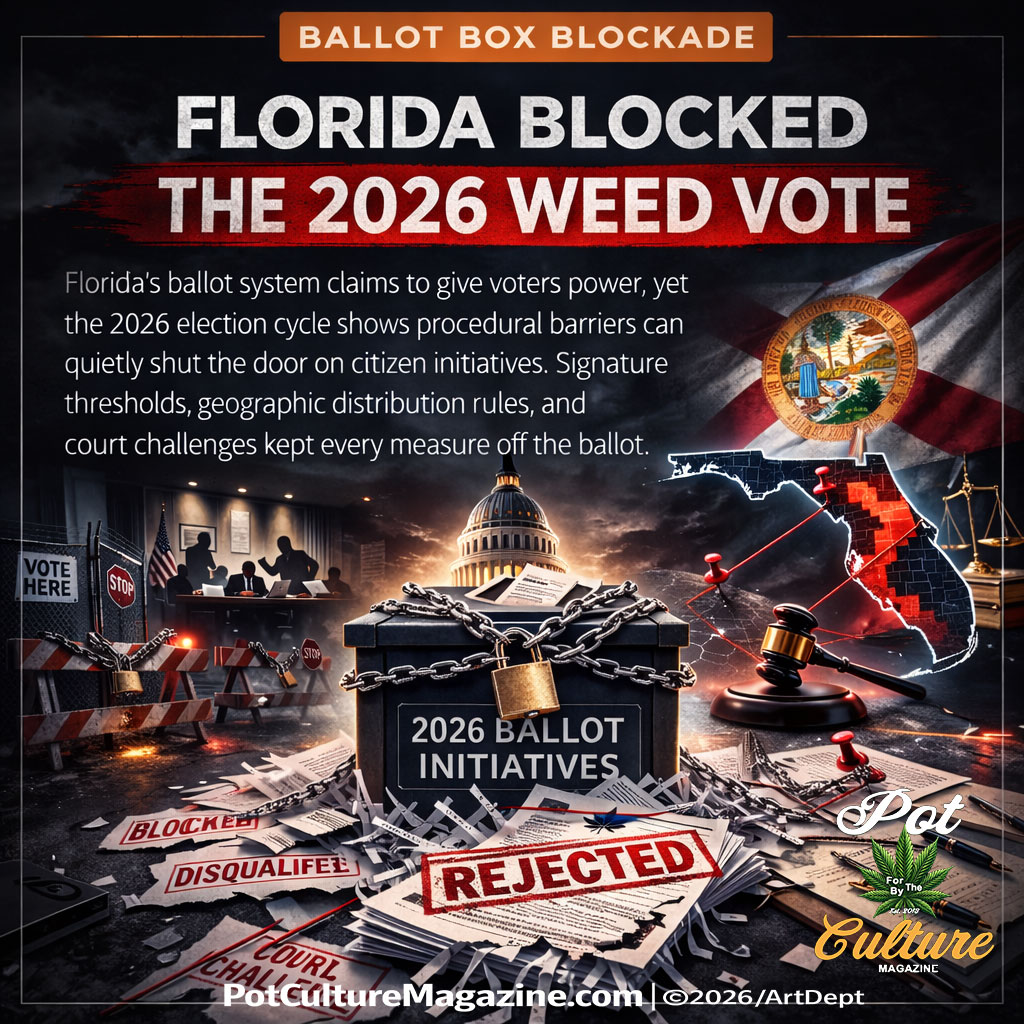
Florida Blocked the 2026 Weed Vote
Florida’s ballot system claims to give voters power, yet the 2026 election cycle shows how procedural barriers can quietly shut the door on citizen initiatives. Signature thresholds, geographic distribution rules, and court challenges blocked every measure from reaching voters, revealing how cannabis legalization fights are often decided by bureaucratic design long before election day.

The Cannabis Lie: Vol. 4 — The Crime Wave Lie
Politicians and pundits warned that legal cannabis would unleash a crime wave. The data tell a different story. From Colorado’s violent crime trends to DOJ time-series research and statewide arrest declines, the evidence shows no consistent long-term surge tied to legalization. The numbers never matched the panic.

South Africa Legalized Weed, But Not the Market
South Africa recognized private adult cannabis use and home cultivation, but never built a legal domestic market around them. With buying and selling still largely outside the law, the illicit trade remains dominant while regulators scramble to set limits, draft rules, and prepare a broader Cannabis Bill that could finally address commerce.
Discover more from POT CULTURE MAGAZINE
Subscribe to get the latest posts sent to your email.

Leave a comment