Filed Under: Culture Warped
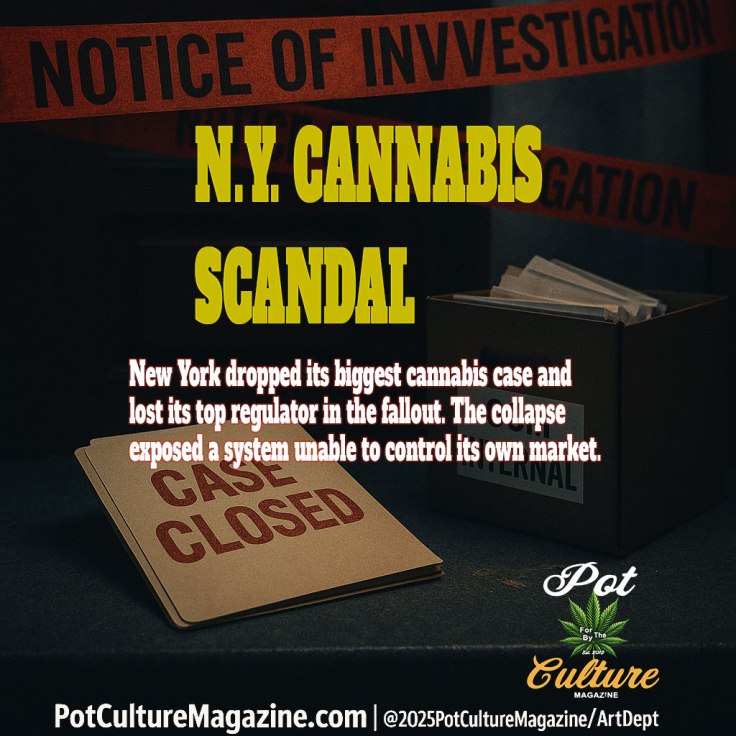
Felicia A. B. Reid walked out of the Office of Cannabis Management the same week New York pulled the plug on one of the most serious enforcement cases in the history of the legal market. The timing was not curious. It was explosive. The state’s acting executive director resigned just as the investigation into Omnium Canna collapsed, and nothing about that sequence looked accidental. It looked like a system coming apart at the seams.
Reid’s resignation did not stem from personal reasons or an orderly transition. Governor Kathy Hochul publicly pushed Reid out. The administration said the agency needed “new leadership” after a series of failures, but people inside the industry saw the truth immediately. The governor’s office forced a top regulator to step down while the agency was knee deep in charges against a distributor accused of undermining the very foundation of legalization. New York calls that reform. Operators call it a meltdown.
Omnium Canna sat at the center of the storm. The company held both processor and distributor licenses, two of the most powerful positions in the legal supply chain. OCM accused Omnium of allowing unlicensed operators to conduct retail activity under Omnium’s licenses. That is not a technical violation. It is illegal. New York law requires every retail operator to hold its own license. No sharing. No proxy operations. No silent partnerships. No license renting.
OCM described Omnium’s alleged actions as a “rent a license” scheme, meaning Omnium gave cover to storefronts that had no legal permission to sell cannabis at all. That kind of arrangement bypasses testing, taxes, product tracking, public safety rules, and every safeguard built into legalization. If true, it would mean Omnium helped illegal shops pose as legal businesses inside a market already drowning in unlicensed stores.
The state filed formal charges. Regulators sought to revoke Omnium’s licenses, impose civil penalties, and force the destruction of allegedly illicit products. The case looked like the first real attempt to hold a major player accountable. It looked like the moment New York would show the illegal market that enforcement still had teeth. Then the entire thing blew apart.
The enforcement action stalled. Progress slowed, deadlines slipped, and the case drifted into uncertainty. At the same time, Felicia Reid was pushed out of her role, leaving the state’s top cannabis regulator vacant in the middle of one of OCM’s most serious investigations. Nothing about the timing inspired confidence. A major compliance action appeared stuck in place while the agency lost its leadership, and the industry saw the same message in the chaos. The program was struggling to control the market and struggling even more to control itself.
Advertisement
F O R T H E C U L T U R E B Y T H E C U L T U R E
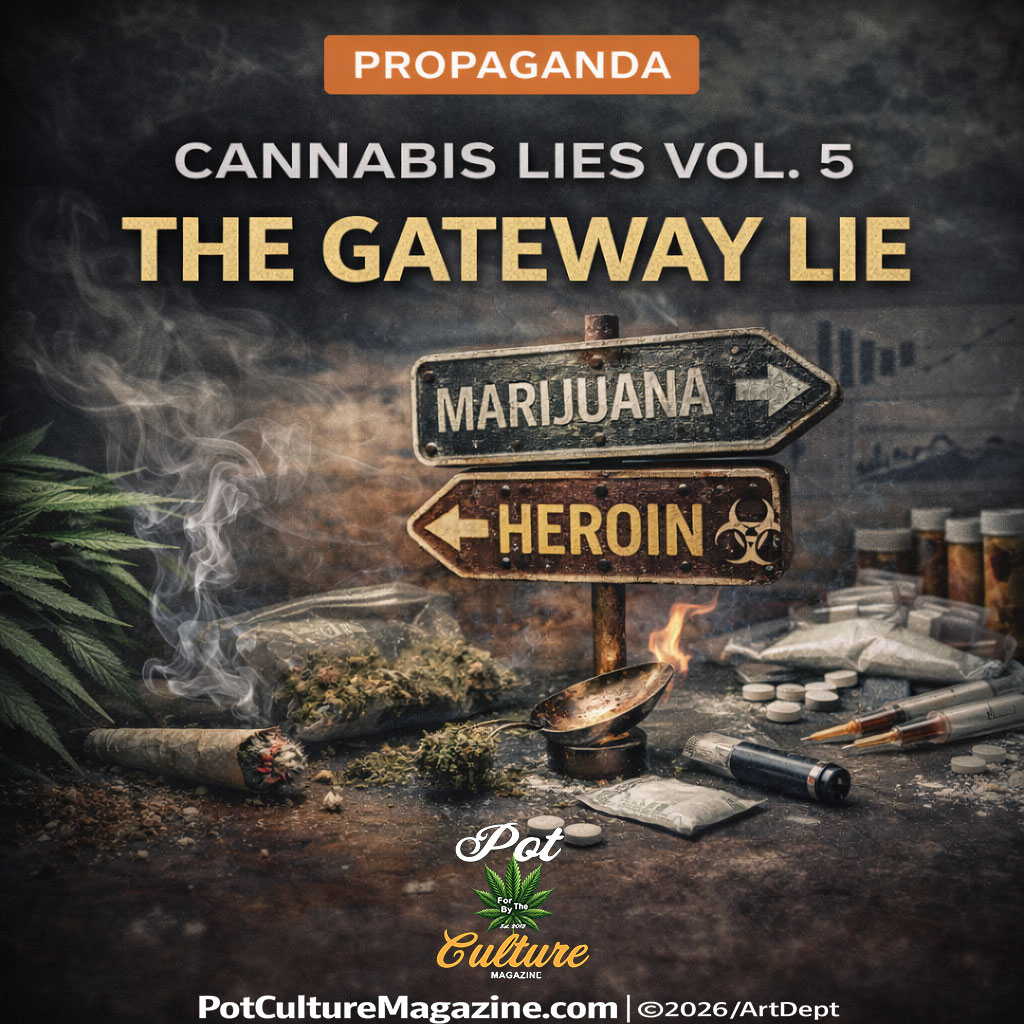
CANNABIS LIES Vol. 5: The Gateway Lie
For decades, politicians have claimed marijuana is a gateway to heroin and harder drugs. Federal youth surveys, NSDUH data, and NIDA’s own language tell a different story. Cannabis use is widespread, hard drug use remains rare, and most users do not progress. The data dismantles one of prohibition’s most durable fear narratives.

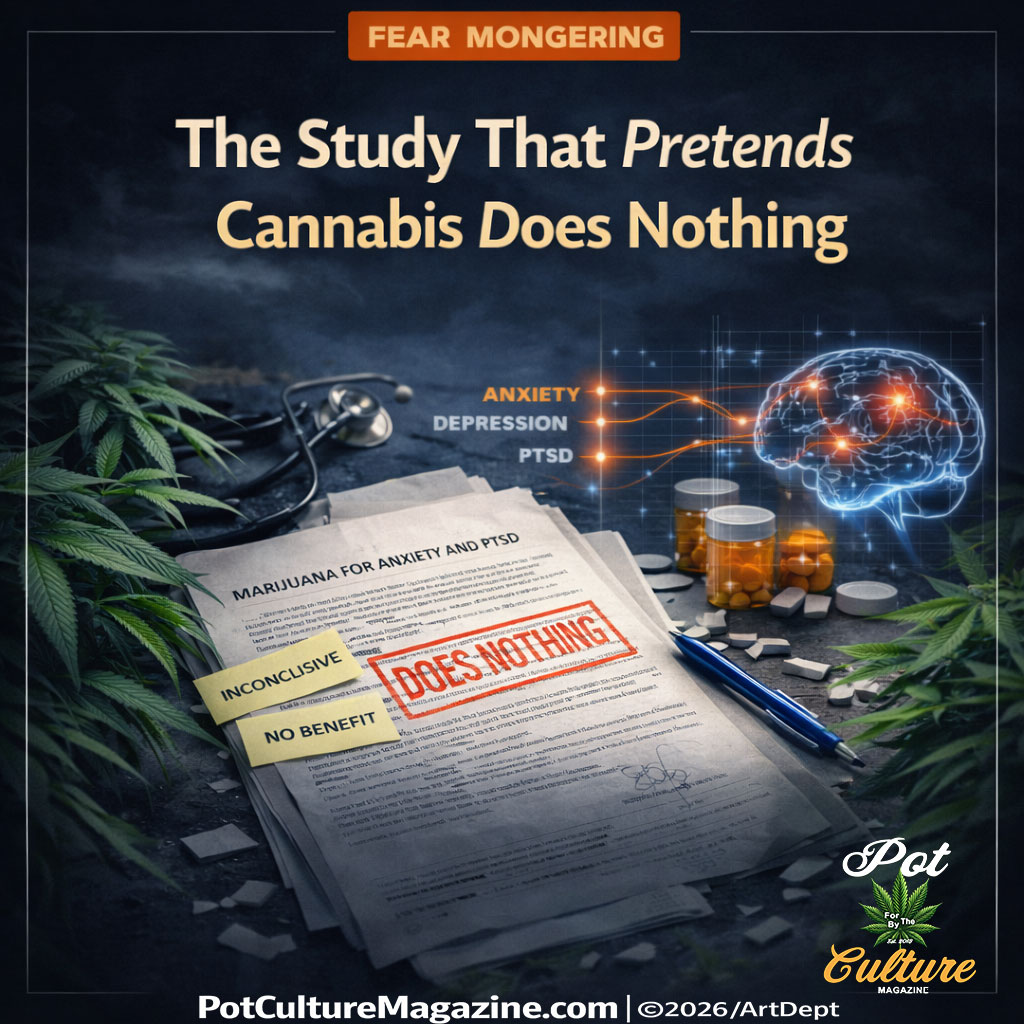
The Study That Pretends Cannabis Does Nothing
A new cannabis study claims marijuana does nothing for anxiety, depression, or PTSD. The reality is far more complicated. Decades of federal restrictions, limited research access, and synthetic substitutes have shaped the science. This breakdown exposes how incomplete data and selective interpretation continue to drive misleading headlines about cannabis and mental health.
Advertisement
Reid’s resignation became the centerpiece of the scandal because it told operators what they already suspected. The agency in charge of building a legal industry could not even maintain internal stability. Leadership turnover became the new constant. New York’s first executive director resigned under pressure earlier in the rollout. Senior staff left during OCM’s performance review. Now the acting head stepped down in the middle of a compliance case involving a multimillion-dollar distributor.
Every legal operator in the state felt the impact of that collapse. Real businesses spent hundreds of thousands of dollars to follow the rules. They fought for licenses. They hired lawyers. They paid rent for empty storefronts while OCM failed to approve applications on time. They struggled to compete with illegal smoke shops that stayed open without consequence. They operated inside a system that punished them for obeying the law. Watching Omnium’s case fall apart confirmed what they feared most. Enforcement was not real. Accountability was not real. The rulebook only applied to the people who respected it.
Illegal storefronts flourished because the state could not stop them. New York City alone saw more than one thousand unlicensed cannabis shops operating in broad daylight. Inspections lagged. Court orders stalled. Police lacked authority. Landlords hesitated. OCM had too few inspectors to control a market ballooning faster than any legalization rollout in the country. Illegal operators celebrated the chaos. Legal operators drowned in it.
HELP POT CULTURE MAGAZINE STAY ALIVE, AND INDEPENDENT
Omnium fit perfectly into that environment because the allegations against the company matched the broader pattern of collapse. If regulators are correct, Omnium allegedly created a shield for unlicensed operators to behave like legal ones. That would mean the state’s own licensing system became a tool for people who did not qualify for licenses at all. That would mean legalization turned into a game where the easiest move was finding the right partner, not following the law.
The collapse of the investigation destroyed what little confidence the legal market had left. If New York cannot hold a distributor accountable for alleged violations written in plain language, then what can it do? If the governor forces out the top regulator in the middle of a case, what message does that send to every operator trying to follow the rules? If investigators cannot finish the first real enforcement action, what hope remains for a system already buckling under illegal competition?
Legacy growers understood the betrayal immediately. They were promised a system that would give them a place in the legal market. They were told the program would correct the damage of prohibition. They were told the state would protect them from corporate takeover and underground competition. Instead, they got a regulatory collapse that rewarded the people who could bend the rules while punishing the people who carried the culture through the criminal era.
Consumers watched the scandal unfold and saw the truth in real time. The state asked them to trust a system that could not keep its own leadership intact. The state asked them to trust a supply chain that might have included untracked product. The state asked them to trust a market surrounded by illegal storefronts outnumbering legal ones by staggering margins. The resignation of a top official turned that uncertainty into a crisis of faith.
The political fallout continues to spread. The governor’s office wants new leadership. Lawmakers want accountability. Advocates want structural reform. Operators want a system that functions. Nobody seems confident that the current framework can provide it. The resignation of Felicia A. B. Reid did not fix the program. It exposed it. It showed the public that the enforcement apparatus can fall apart faster than the illegal operators it was designed to stop.
New York now faces the question it avoided for years. Can a legal cannabis market survive when its regulatory agency cannot hold its own ground? Can the state claim victory when investigations collapse under political heat? Can the program earn legitimacy when illegal shops dominate the street, and licensed operators close their doors in debt?
The Omnium scandal did not break the New York cannabis program. The program was already broken. The scandal only revealed the truth. The system that promised justice and opportunity became a battlefield of internal collapse, regulatory confusion, political intervention, and market instability. The resignation was not the end of the story. It was the moment the entire state saw what legalization in New York had turned into.
A legal market without accountability is not a legal market. A regulator without stability is not a regulator. A system that drops major cases during leadership turmoil is a system that cannot protect the people it claims to serve. New York stands on the edge of a program it cannot defend. The truth sits in the fallout. The resignation told the whole state what the investigation never reached. The foundation cracked long before Omnium appeared. The collapse only made it visible.
©2025 Pot Culture Magazine. All rights reserved. This content is the exclusive property of Pot Culture Magazine and may not be reproduced, distributed, or transmitted without prior written permission from the publisher, except for brief quotations in critical reviews.
F O R T H E C U L T U R E B Y T H E C U L T U R E
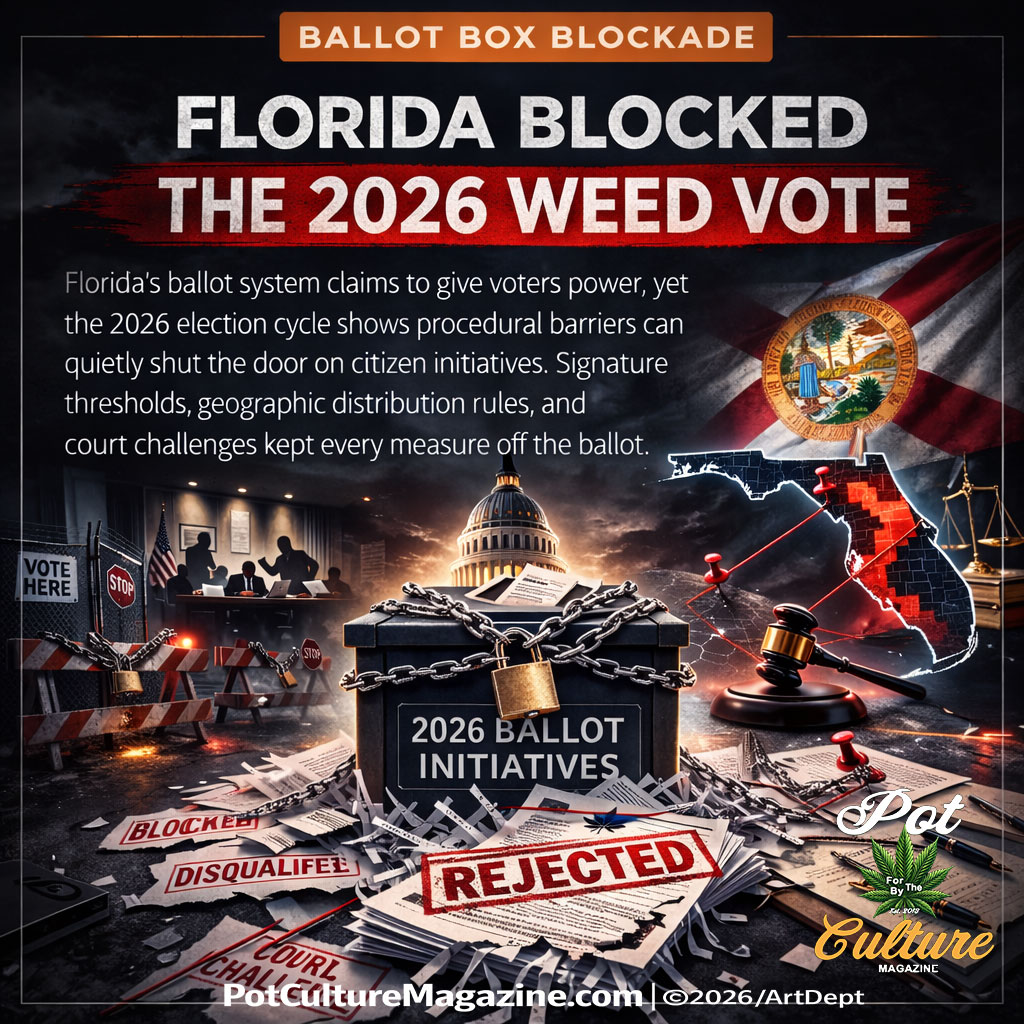
Florida Blocked the 2026 Weed Vote
Florida’s ballot system claims to give voters power, yet the 2026 election cycle shows how procedural barriers can quietly shut the door on citizen initiatives. Signature thresholds, geographic distribution rules, and court challenges blocked every measure from reaching voters, revealing how cannabis legalization fights are often decided by bureaucratic design long before election day.

The Cannabis Lie: Vol. 4 — The Crime Wave Lie
Politicians and pundits warned that legal cannabis would unleash a crime wave. The data tell a different story. From Colorado’s violent crime trends to DOJ time-series research and statewide arrest declines, the evidence shows no consistent long-term surge tied to legalization. The numbers never matched the panic.

South Africa Legalized Weed, But Not the Market
South Africa recognized private adult cannabis use and home cultivation, but never built a legal domestic market around them. With buying and selling still largely outside the law, the illicit trade remains dominant while regulators scramble to set limits, draft rules, and prepare a broader Cannabis Bill that could finally address commerce.
Discover more from POT CULTURE MAGAZINE
Subscribe to get the latest posts sent to your email.

Leave a comment