Filed Under: Law, Sovereignty, Cannabis Policy

The Omaha Tribe of Nebraska did not slow down after voting to legalize cannabis. The new regulatory commission met in late October twenty twenty five and immediately began building the framework of a functioning system. Officers took their oaths. Draft rules went under review. A vertical license for the Tribe itself was approved before the meeting ended. It was a clear signal. The project was already moving.
A few weeks later, the commission reconvened and finalized its cannabis regulations. These rules are now active law. Licensing preparations are underway. Micro grower opportunities for tribal members are built into the plan. An industry is taking shape on tribal land, built deliberately and without the political hesitation that has stalled Nebraska for years.
State leaders responded by walking away from tobacco tax compact talks that had been in motion. The Tribe called it retaliation, and the timing left little room for another interpretation. Soon after, Attorney General Mike Hilgers warned that anyone who makes a legal purchase on tribal land and returns home with it would be acting “at their own peril.” The message carried more intimidation than policy clarity.
When asked to explain their stance, officials leaned on familiar lines. Hilgers says flower is too close to recreational use and that the state is not prepared for the consequences. Governor Jim Pillen describes cannabis as a threat to order, though no evidence has been offered to support the claim. Some lawmakers argue the timeline is too aggressive. Others believe Nebraska should wait for federal change before acting. Each explanation is different, but all of them stall progress.
The facts do not back those warnings. Flower is the main form of cannabis medicine in most regulated medical states in the United States, because it works quickly and costs less than manufactured products. States that tried to ban it eventually reversed course. Minnesota, Louisiana, and Florida all learned that lesson. Nebraska is trying to revive a structure that has already failed elsewhere.
advertisement
F O R T H E C U L T U R E B Y T H E C U L T U R E
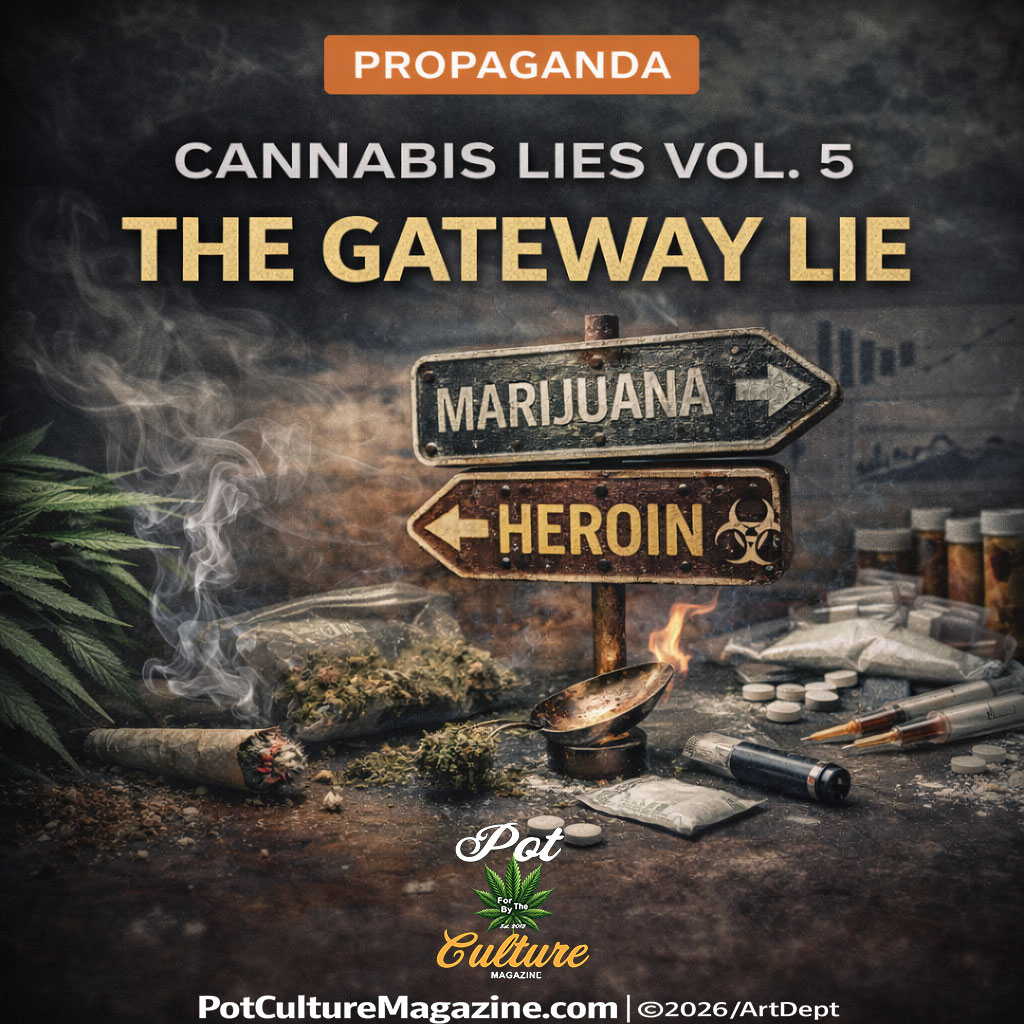
CANNABIS LIES Vol. 5: The Gateway Lie
For decades, politicians have claimed marijuana is a gateway to heroin and harder drugs. Federal youth surveys, NSDUH data, and NIDA’s own language tell a different story. Cannabis use is widespread, hard drug use remains rare, and most users do not progress. The data dismantles one of prohibition’s most durable fear narratives.

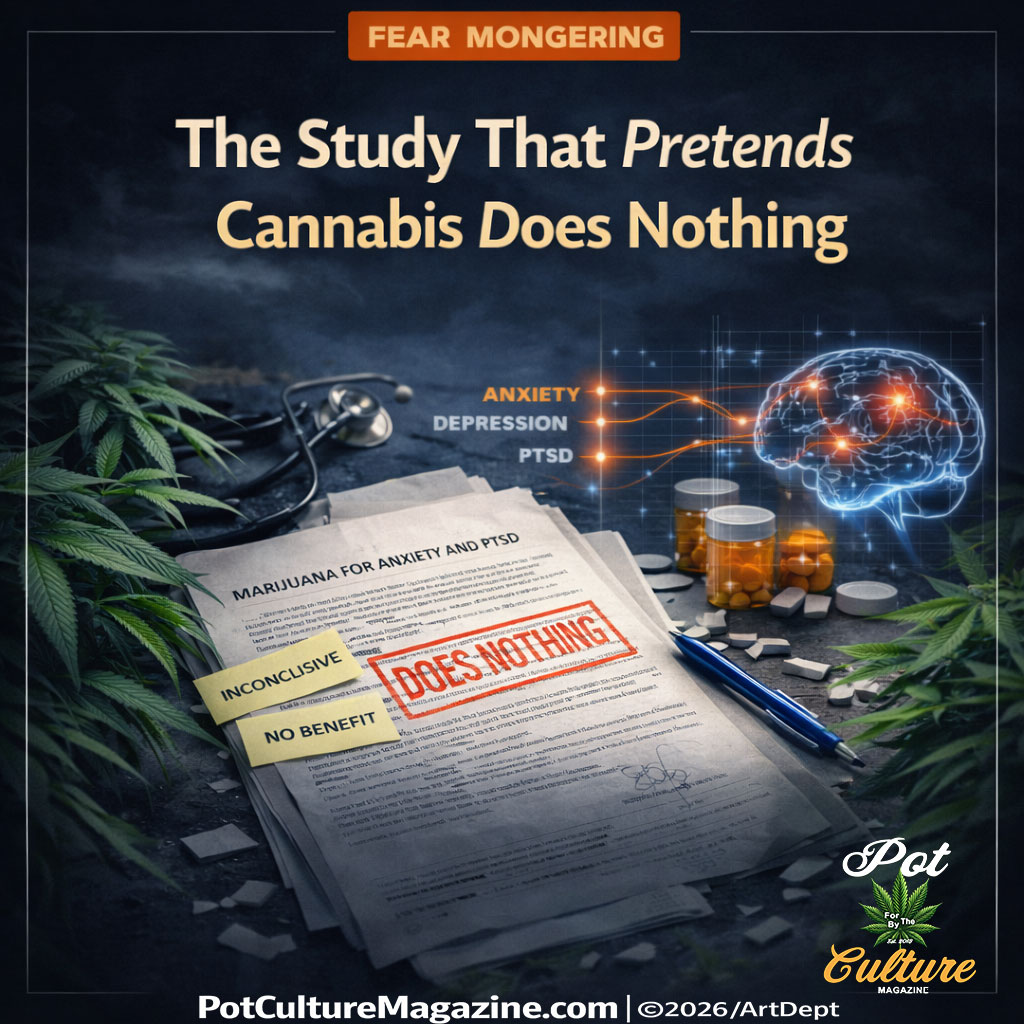
The Study That Pretends Cannabis Does Nothing
A new cannabis study claims marijuana does nothing for anxiety, depression, or PTSD. The reality is far more complicated. Decades of federal restrictions, limited research access, and synthetic substitutes have shaped the science. This breakdown exposes how incomplete data and selective interpretation continue to drive misleading headlines about cannabis and mental health.
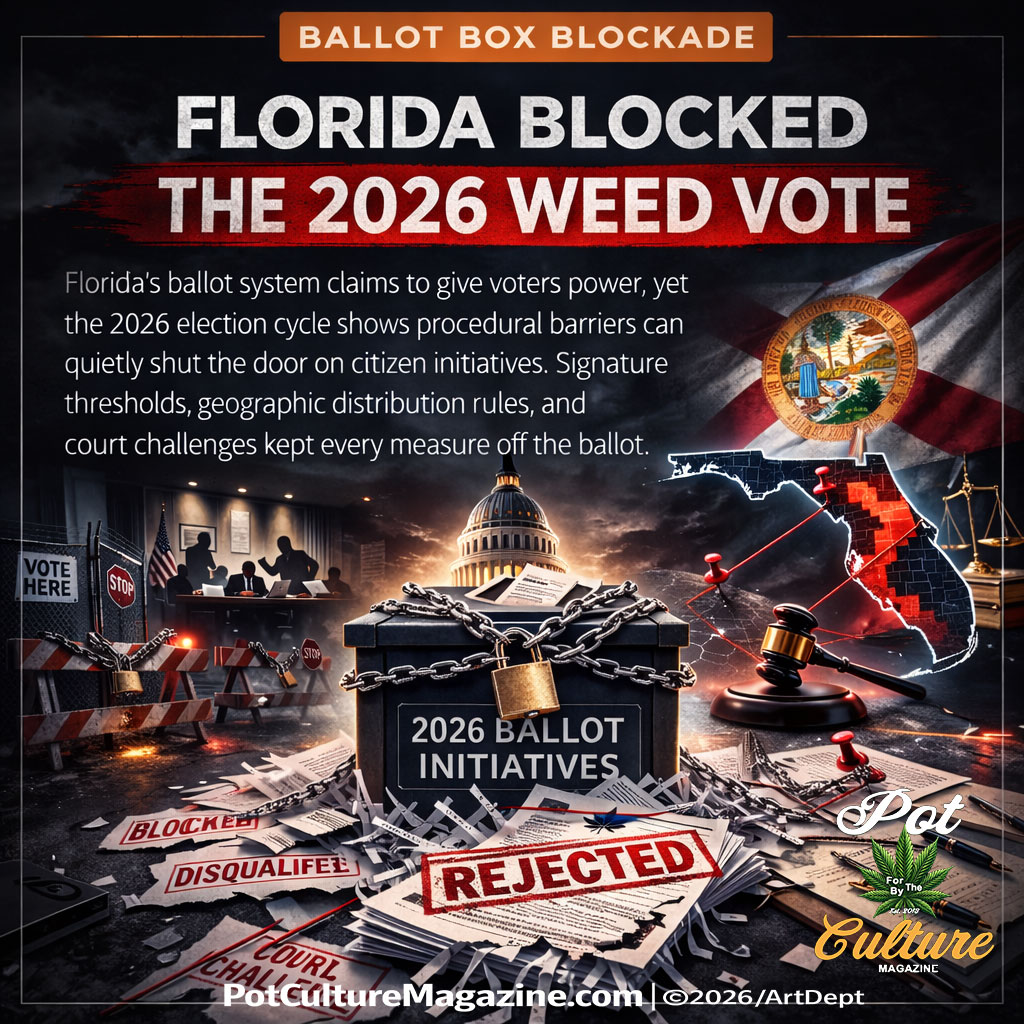
Florida Blocked the 2026 Weed Vote
Florida’s ballot system claims to give voters power, yet the 2026 election cycle shows how procedural barriers can quietly shut the door on citizen initiatives. Signature thresholds, geographic distribution rules, and court challenges blocked every measure from reaching voters, revealing how cannabis legalization fights are often decided by bureaucratic design long before election day.
advertisement
The safety argument does not hold up. Alcohol is sold openly every day, even though it contributes to around 178,000 deaths each year, according to CDC alcohol data. Pharmacies dispense prescription opioids that are tied to over eighty thousand overdose deaths per year in CDC opioid reports. Cannabis does not show up in fatal overdose statistics in the same way. There is no confirmed fatal overdose record from cannabis alone. The idea that it is the major danger in the lineup collapses with basic comparison.
Concerns about illicit markets fall apart in the same way. In states like Colorado, Oregon, and Michigan, illegal sales shrank after people were given access to a regulated product at fair prices. Underground markets grow when the law blocks access or criminalizes the act of seeking it. Prohibition keeps illegal markets alive. Regulation reduces them.
Federal law offers even less support for inaction. Cannabis remains a controlled substance at the federal level, but dozens of states and multiple tribal nations have built medical or adult use systems anyway. Every functioning cannabis program in the country exists because local governments refused to treat federal inertia as a veto.
The true pressure point in this story sits at the border. Tribal law governs the reservation. State law controls the ground outside it. A person who buys cannabis under tribal jurisdiction is legal while they remain there. Crossing the line into Nebraska turns that same possession into a crime again under state law. Police are free to enforce that transition. The risk falls on the consumer, not the Tribe.
The Tribe has been direct about what they can and cannot control. They built their program because no one else in the region has offered one that meets real needs. They passed their rules because the wait has already been too long. Their path is forward.
This moment is no longer conceptual. The commission is operating. The regulations are in place. Licensing is the next step. Nebraska’s opposition is intensifying just as the Tribe’s system becomes real. A sovereign nation is building a modern cannabis market. The state around it is trying to hold on to a past that has already vanished everywhere else.
Sovereignty is not symbolic. It is an authority. The Omaha Tribe is using it, and Nebraska is confronting that reality in real time.
©2025 Pot Culture Magazine. All rights reserved. This content is the exclusive property of Pot Culture Magazine and may not be reproduced, distributed, or transmitted in any form or by any means without prior written permission from the publisher, except for brief quotations in critical reviews.
F O R T H E C U L T U R E B Y T H E C U L T U R E
The Cannabis Lie: Vol. 4 — The Crime Wave Lie
Politicians and pundits warned that legal cannabis would unleash a crime wave. The data tell a different story. From Colorado’s violent crime trends to DOJ time-series research and statewide arrest declines, the evidence shows no consistent long-term surge tied to legalization. The numbers never matched the panic.
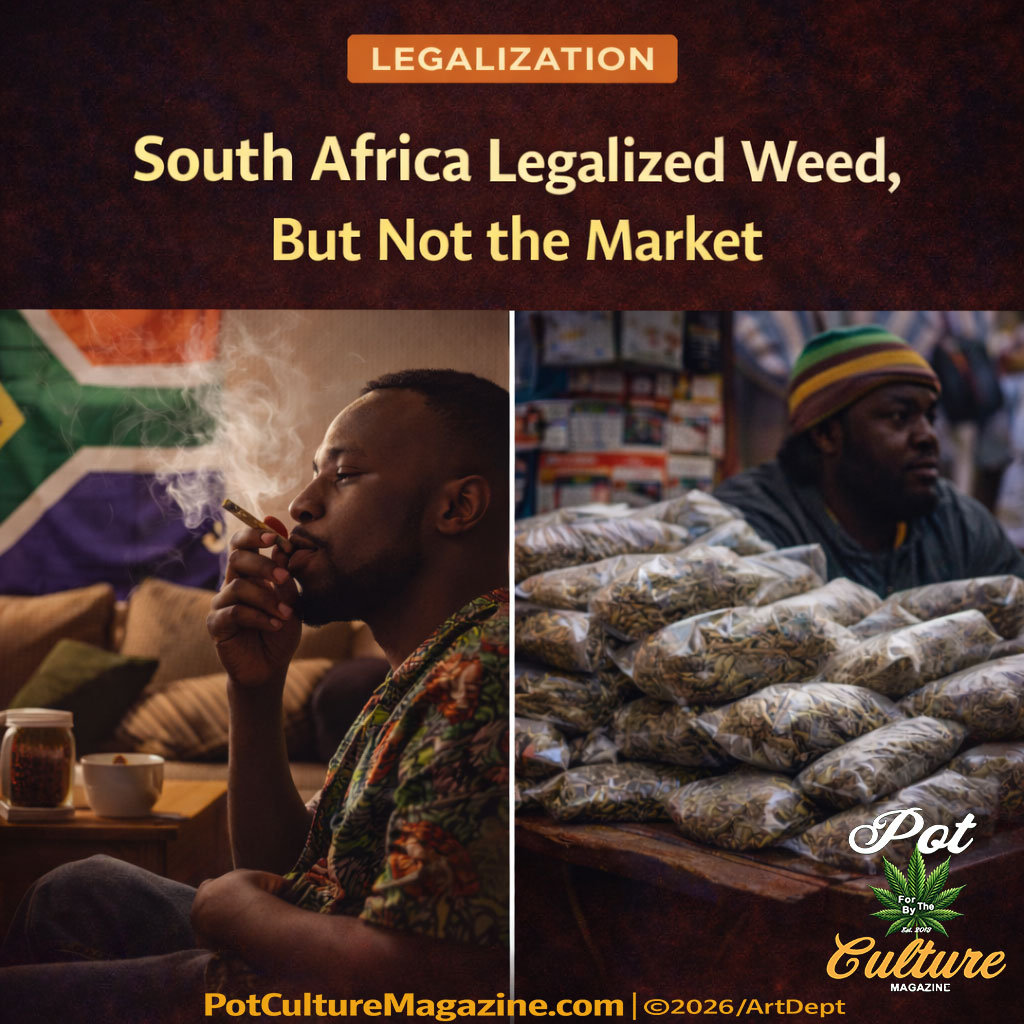
South Africa Legalized Weed, But Not the Market
South Africa recognized private adult cannabis use and home cultivation, but never built a legal domestic market around them. With buying and selling still largely outside the law, the illicit trade remains dominant while regulators scramble to set limits, draft rules, and prepare a broader Cannabis Bill that could finally address commerce.
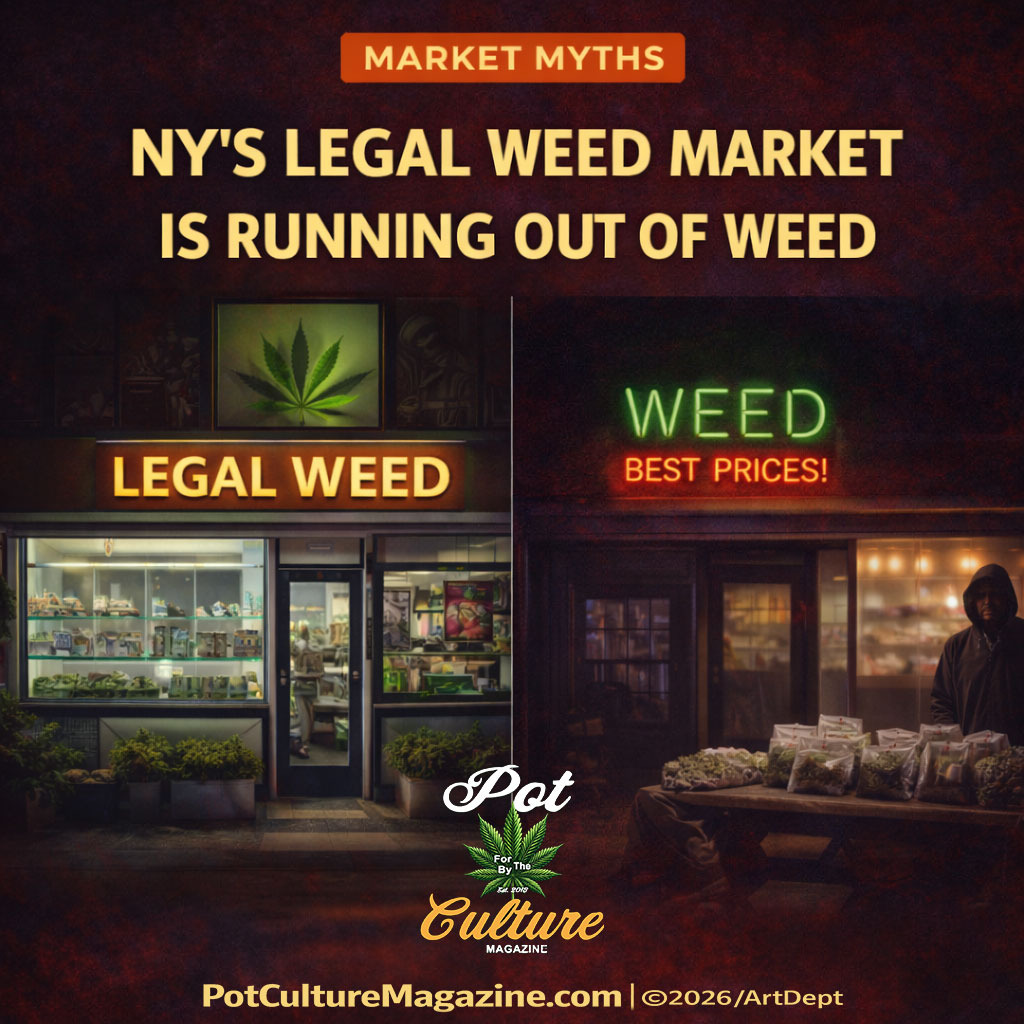
NY’s Legal Weed Market Is Running Out of Weed
New York legalized cannabis and opened hundreds of stores, but regulators now warn the legal market may not produce enough weed to keep them stocked. With nearly 600 stores open and sales nearing $3 billion, the state is discovering that legalization alone does not guarantee a functioning market.
Discover more from POT CULTURE MAGAZINE
Subscribe to get the latest posts sent to your email.

Leave a comment