Filed Under: Fear Merchants

America is walking forward, and the numbers leave no room for debate. Most Democrats support legalization. Most Independents support legalization. A noticeable slice of Republicans is beginning to move in the same direction. That is the story from the latest Gallup poll, which shows 85% of Democrats, 66% of Independents, and 40% of Republicans support legal cannabis. Those numbers expose a country that treats cannabis as an everyday fact while a small, stubborn faction continues to cling to an old narrative built on anxiety.
Go anywhere in a legal state, and the shift is obvious. Parents pick up CBD during grocery runs. Office workers keep edibles tucked inside their bags. Grandparents trade sleep tinctures the way earlier generations compared vitamins. Dispensaries sit beside barber shops and bakeries. The plant has slipped into daily American life without fanfare. Yet federal law still behaves as if legalization might unleash a crisis that never arrives.
So where does the resistance come from? Not from the majority. Not from the people who actually live in communities where cannabis is already normalized. The pushback grows out of a corner of the electorate that still reacts to alarms first sounded decades ago. Those warnings were crafted to create instinctive discomfort. Once that feeling settles in, it becomes a habit, and habits can outlast the reasons that created them.
Religious influence plays a role, especially in regions where sermons shape community attitudes. Some leaders still insist that cannabis weakens responsibility or invites moral decline. Those messages settle into the minds of congregants who rarely question why alcohol escapes the same scrutiny or why prescription drugs that cause staggering harm inspire little outrage. The contradiction is visible, yet the messaging survives because it offers the comfort of certainty.
Political operatives understand this terrain with precision. They know which voters respond to moral discomfort and which audiences feel threatened by cultural change. So they recycle the same stories that once frightened earlier generations. The strategy is familiar, and that familiarity is exactly what keeps it effective. Cannabis becomes shorthand for a world slipping out of control, even when that belief has no connection to the lives people actually live.
This mix of religious pressure, old fears, and political calculation keeps federal law frozen in place. Entire states have built legitimate economies around cannabis. Farmers cultivate it. Scientists study it. Patients rely on it. Police departments in legal regions treat it as a low priority. Yet Washington continues to cling to outdated classifications, pretending the plant belongs beside substances responsible for genuine destruction. That stance survives because it comforts a segment of voters who feel safer believing the old narrative.
advertisement
F O R T H E C U L T U R E B Y T H E C U L T U R E
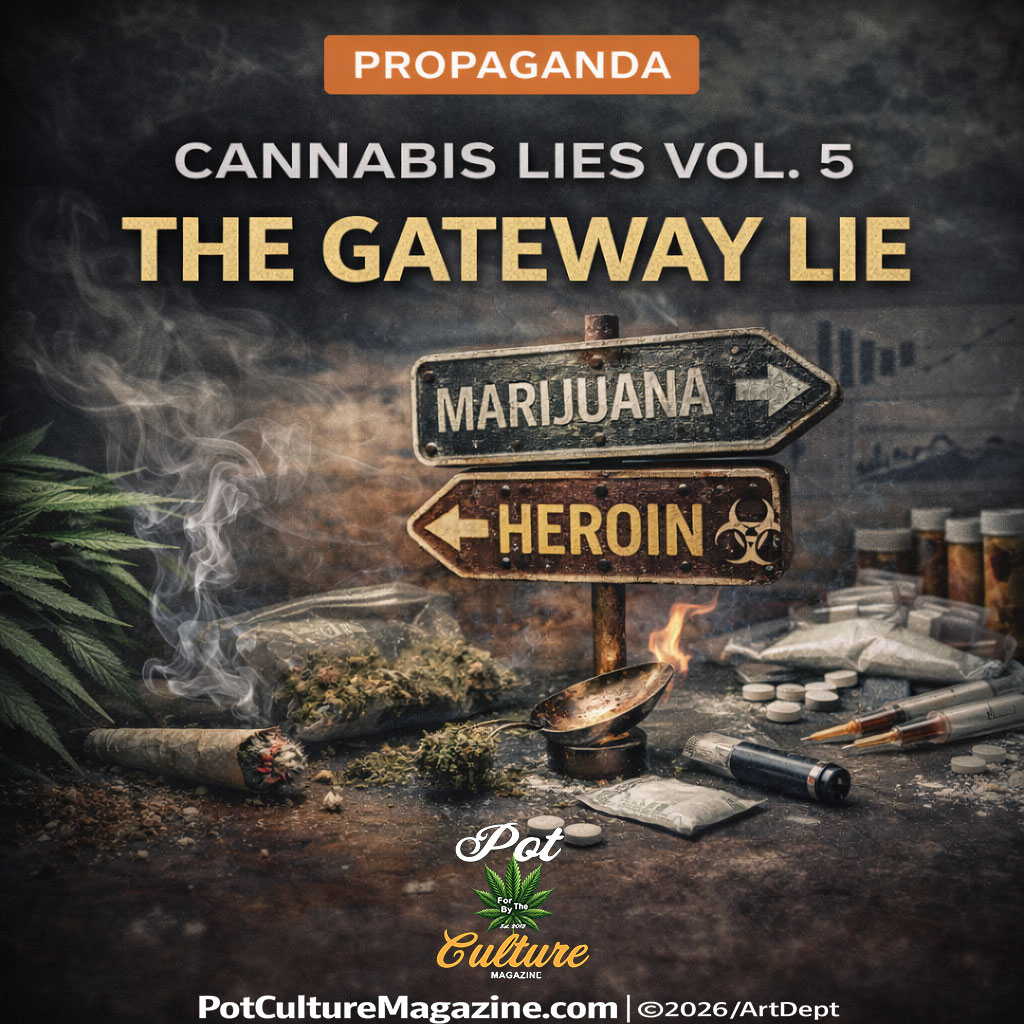
CANNABIS LIES Vol. 5: The Gateway Lie
For decades, politicians have claimed marijuana is a gateway to heroin and harder drugs. Federal youth surveys, NSDUH data, and NIDA’s own language tell a different story. Cannabis use is widespread, hard drug use remains rare, and most users do not progress. The data dismantles one of prohibition’s most durable fear narratives.

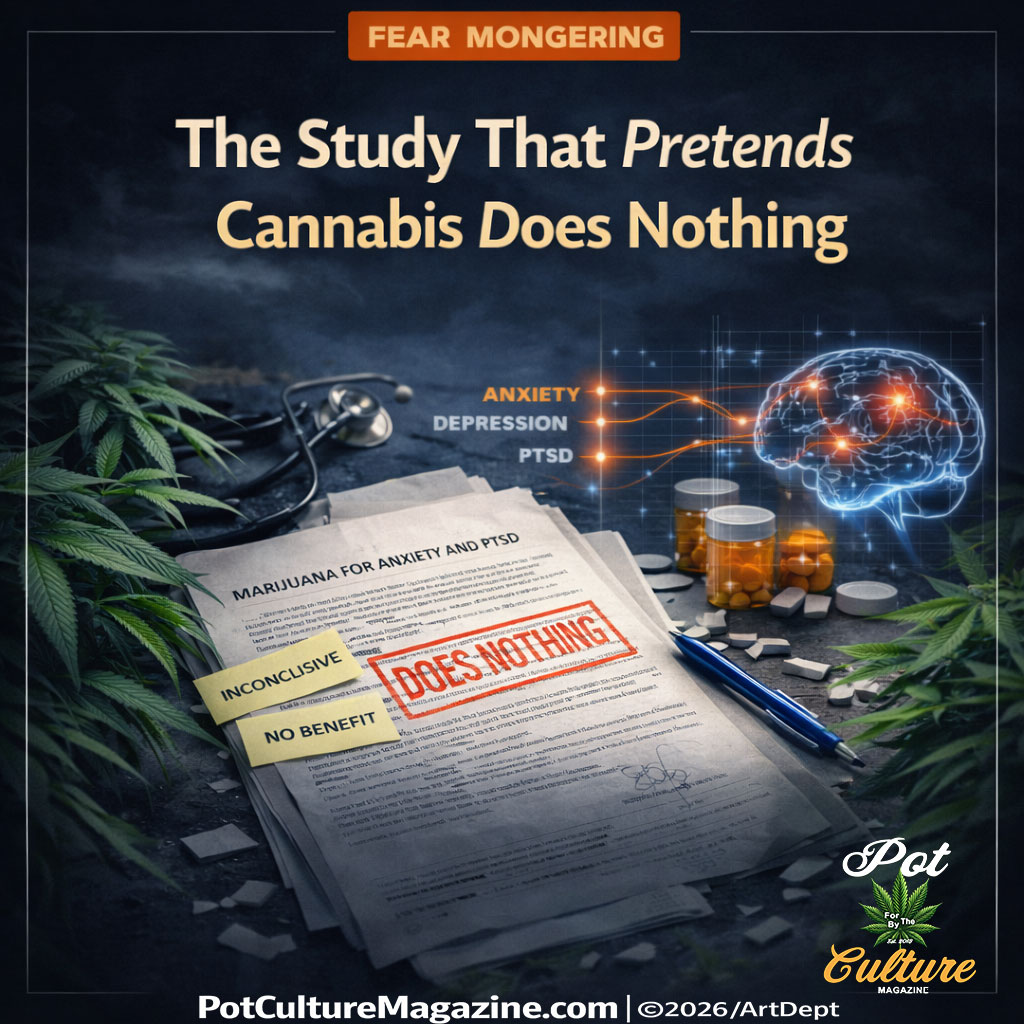
The Study That Pretends Cannabis Does Nothing
A new cannabis study claims marijuana does nothing for anxiety, depression, or PTSD. The reality is far more complicated. Decades of federal restrictions, limited research access, and synthetic substitutes have shaped the science. This breakdown exposes how incomplete data and selective interpretation continue to drive misleading headlines about cannabis and mental health.
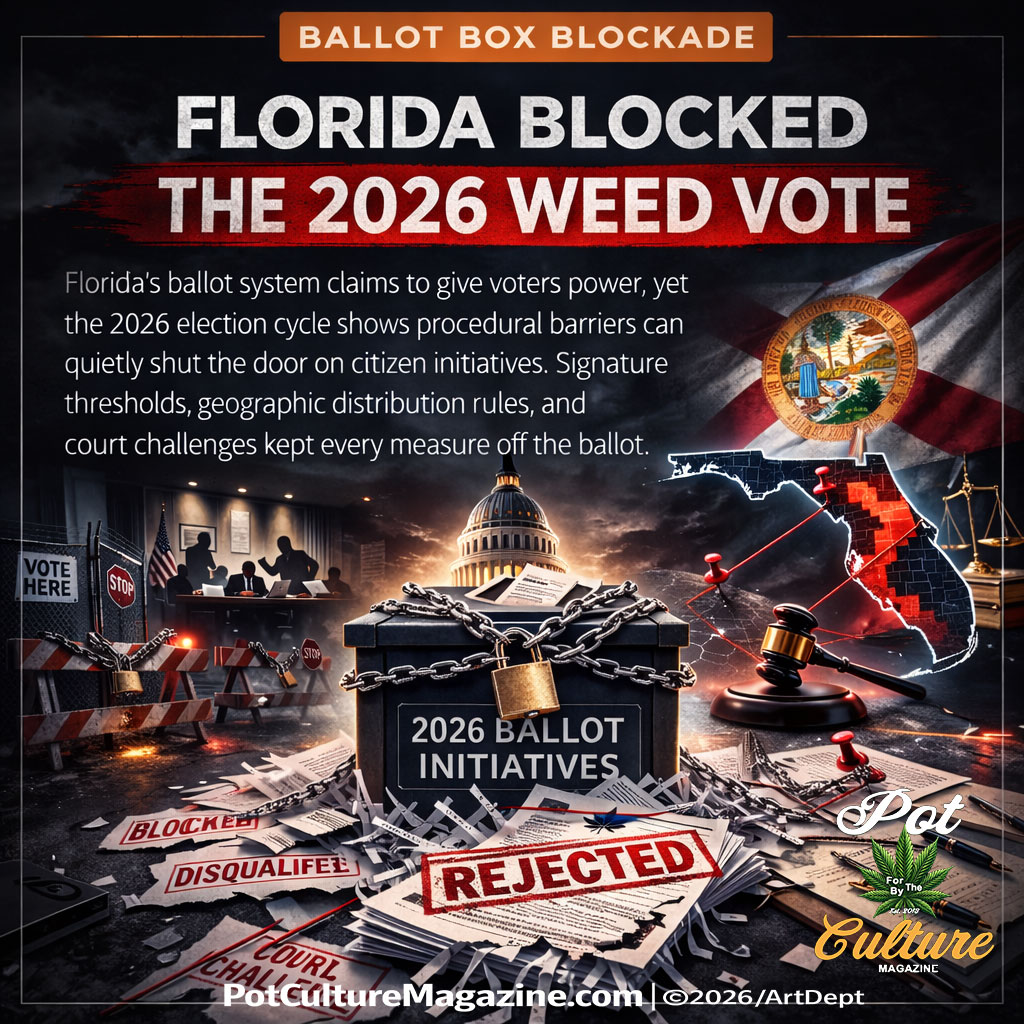
Florida Blocked the 2026 Weed Vote
Florida’s ballot system claims to give voters power, yet the 2026 election cycle shows how procedural barriers can quietly shut the door on citizen initiatives. Signature thresholds, geographic distribution rules, and court challenges blocked every measure from reaching voters, revealing how cannabis legalization fights are often decided by bureaucratic design long before election day.
advertisement
The strange twist is that many of the voters most uneasy about legalization already live in towns where cannabis circulates quietly and without disruption. Their neighborhoods have not collapsed. Their schools have not crumbled. Their streets have not descended into chaos. They are reacting to a version of cannabis created by speeches, broadcasts, and press releases designed to stoke anxiety. Daily life disproves the warnings without fanfare.
The latest Gallup numbers highlight that disconnect. The public has already moved past the fear that shaped earlier generations. Policy lags because the political system continues to reward a shrinking audience that still clings to the old script. Their discomfort is not rooted in evidence. It grows from repetition. It grows from voices that learned to convert unease into loyalty. Once that cycle takes hold, facts struggle to break it.
National legalization is not a matter of speculation. Cultural momentum is too broad, and generational change is too deep. Younger voters treat cannabis as a routine part of adulthood. Older voters, especially those dealing with chronic conditions, embrace it as a gentler alternative to the medications that failed them. The shift has already happened. The only forces delaying federal reform are the political incentives built to amplify a minority voice.
Those incentives do not protect public safety. They protect people who rely on fear to retain influence. They protect institutions that lose authority when outdated beliefs fade. They protect politicians who cannot afford to admit that their warnings were never grounded in science. The conversation around cannabis was never about the plant. It was always about who gets to define the boundaries of acceptable behavior.
Legal cannabis unsettles the people who built their worldview on the idea that forbidden pleasures hold a society together. It challenges those who believe authority must dictate morality. It disrupts the logic of anyone who structured their identity around the belief that strict prohibition preserves order. Cannabis never carried that weight. The people pushing the warnings did.
America has already made its decision. Cannabis is part of daily life. The objections that survive come from people who fear the erosion of an era that ended long ago. They are not protecting the country from harm. They are trying to protect themselves from realizing that the world has moved on without their permission.
Legalization will happen because the country already lives it. The lingering question is how long a shrinking faction can delay what the majority has accepted as ordinary. Their unease is not the caution of careful thinkers. It is the residue of lessons taught before the facts were given a chance to speak. That residue once shaped national policy. Now it echoes within a smaller corner of the electorate.
Cannabis did not transform. The country did. The fear was never about the plant. It was about the people who needed the plant to symbolize a threat it never posed.
©2025 Pot Culture Magazine. All rights reserved. This content is the exclusive property of Pot Culture Magazine and may not be reproduced, distributed, or transmitted in any form or by any means without prior written permission from the publisher, except for brief quotations in critical reviews.
F O R T H E C U L T U R E B Y T H E C U L T U R E
The Cannabis Lie: Vol. 4 — The Crime Wave Lie
Politicians and pundits warned that legal cannabis would unleash a crime wave. The data tell a different story. From Colorado’s violent crime trends to DOJ time-series research and statewide arrest declines, the evidence shows no consistent long-term surge tied to legalization. The numbers never matched the panic.

South Africa Legalized Weed, But Not the Market
South Africa recognized private adult cannabis use and home cultivation, but never built a legal domestic market around them. With buying and selling still largely outside the law, the illicit trade remains dominant while regulators scramble to set limits, draft rules, and prepare a broader Cannabis Bill that could finally address commerce.
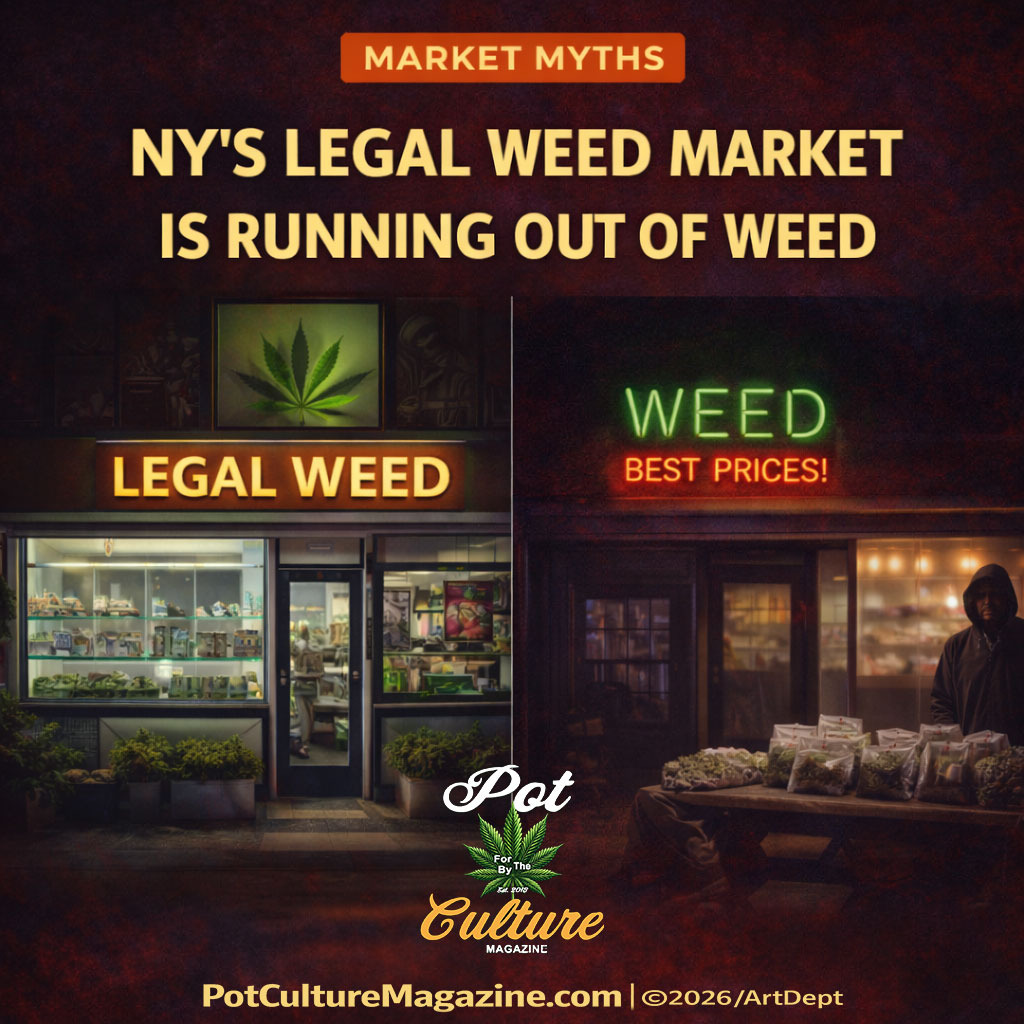
NY’s Legal Weed Market Is Running Out of Weed
New York legalized cannabis and opened hundreds of stores, but regulators now warn the legal market may not produce enough weed to keep them stocked. With nearly 600 stores open and sales nearing $3 billion, the state is discovering that legalization alone does not guarantee a functioning market.
Discover more from POT CULTURE MAGAZINE
Subscribe to get the latest posts sent to your email.

Leave a comment