Filed Under: Cultural Shift
Mississippi did not blink; the voters forced it. In 2020, they approved medical cannabis, the court killed it on a technicality, then lawmakers rebuilt it. By January 2023, the first legal sales happened in Brookhaven and Oxford, and real patients walked out with products in hand. One of the first was Tom Goldman, a Parkinson’s patient featured by Mississippi Today, who said he had waited years for this moment.
The Mississippi Medical Cannabis Act authorized licensed growers, processors, and dispensaries under state control. As of mid-2025, more than 170 dispensaries have opened across the state, according to the Mississippi Department of Health. It is not a cultural revolution yet, but it is something the state once swore would never happen. Police in Jackson and Hattiesburg are quietly dropping low-level possession charges. Sheriffs in smaller counties say they have bigger problems than someone with a few grams.
In Louisiana, the rebellion is quieter but deeper. The state still calls its dispensaries “pharmacies,” a linguistic trick meant to keep conservatives comfortable. Yet sales top $140 million a year, and every parish knows where the green crosses glow after dark. The legislature expanded the medical list to include anxiety, PTSD, and chronic pain, and pharmacists now fill jars instead of pills. Patients over fifty are the fastest-growing group, according to state data.
New Orleans made its stance clear. The City Council voted unanimously to pardon thousands of municipal possession cases, and Council President Helena Moreno said she was tired of criminalizing people for something that half the country now buys legally. Police still seize pounds when they find them, but the days of street-level arrests are fading. In Baton Rouge, city prosecutors are declining to prosecute small possession charges entirely unless other crimes are also involved. The paperwork is no longer worth the cost.
Alabama took the long way. In 2021, the legislature passed a strict medical program limited to tablets, tinctures, and topical products. The law required seed-to-sale tracking, doctor certification, and banned smokable flower. Two years later, the same state is awash in hemp-derived THC products. Delta-8 and Delta-10 lines sit in vape stores from Birmingham to Mobile. In May 2025, Governor Kay Ivey signed HB 3, a bill that limits hemp THC potency and bans smokable products but acknowledges a booming market that never stopped growing, as reported by the Alabama Reflector. Lawmakers wrote the restriction while industry groups and farmers lobbied for clear standards, not criminalization.
Behind the store counters are real people testing limits. A small hemp farm in Cullman County sells “compliant” flower with lab reports taped to the jars. Retailers show customers QR codes proving THC percentages stay under the 0.3 percent limit. It is legal theater, but the customers do not care. They are already part of the new normal, where the line between hemp and marijuana is paperwork.
Arkansas has gone full commercial. The Department of Finance and Administration reports medical cannabis sales exceeding $1 billion since launch. Daily sales now average around $800,000, with twenty-six licensed dispensaries active and expansion already under review, according to the Arkansas Democrat-Gazette. Arkansas is proof that even conservative states see green when the numbers add up. The governor’s office rarely mentions the program in speeches, but it is now a consistent tax source.
Texas is the holdout, but the wall is cracking. The state’s Compassionate Use Program began as a symbolic gesture for epilepsy patients and now covers over 200 qualifying conditions. Enrollment rose from fewer than 3,000 in 2019 to more than 63,000 in 2025, according to the Department of Public Safety. Cities like Austin, Killeen, and Denton voted to decriminalize possession, but the Attorney General sued to block them. Courts have ruled that state law preempts local reform, yet enforcement remains selective. Police admit that since hemp was legalized, they cannot prove marijuana in court without expensive lab work. The result is quiet tolerance through bureaucracy.
F O R T H E C U L T U R E B Y T H E C U L T U R E
CANNABIS LIES Vol. 7: The Mental Health Panic
Cannabis and mental health risks are often overstated in public debate. Research shows heavy use and high THC exposure can increase psychosis risk in vulnerable individuals, but widespread claims of a mental health crisis lack strong evidence. This piece examines the data, separates correlation from causation, and breaks down what cannabis users need to know.

IDAHO TRIES TO STOP A VOTE BEFORE IT STARTS
Idaho lawmakers passed a resolution urging voters to reject a medical cannabis initiative before it reaches the ballot. The move highlights how officials are shaping public opinion ahead of a vote, while maintaining strict prohibition and blocking even limited access for patients.
MS LIMITS MEDICAL CANNABIS WHERE IT MATTERS MOST
Mississippi maintains strict limits on medical cannabis after Governor Tate Reeves vetoed expansion bills on March 26, 2026. Patients remain unable to use cannabis in hospitals while eligibility and access rules stay tightly controlled. This feature examines what the veto blocks, how it affects patients, and what it means for the state’s growing cannabis market.
The hypocrisy is thick across the region. Elected officials who once warned about gateway drugs now sit on boards of hemp or CBD startups. Campaign finance records in Mississippi show donors linked to cultivation companies backing both Republican and Democratic candidates. In Louisiana, legislators invested in pharmacy networks that distribute medical cannabis through partnerships with state universities. The same men who voted to restrict the plant now profit from its regulation.
On the ground, doctors and patients have already moved on. In Gulfport, oncologists recommend medical cannabis for chemotherapy nausea. In Lafayette, pain specialists write certifications for arthritic seniors who never thought they would walk into a dispensary. A 2024 Louisiana Board of Pharmacy report shows over 180,000 registered patients statewide, up 42 percent from the previous year. Across the border, Mississippi’s patient registry passed 40,000 by mid-2025. These are not radicals; they are retirees, veterans, and teachers.
The stigma still hangs, but the silence around it is thinning. At farmers’ markets in northern Louisiana, vendors sell CBD lotions beside tomatoes and cucumbers. In Alabama, church deacons admit they use hemp gummies for sleep. One Birmingham pharmacist said half his CBD buyers are over sixty. They do not want to get high; they just want their backs to stop hurting.
The legal divide between hemp and marijuana is becoming unworkable. Hemp-derived intoxicants fill gas station shelves while licensed cannabis businesses pay thousands for compliance. Federal descheduling of hemp in 2018 opened a market too big to control, and the South ran with it. In Mississippi, hemp acreage jumped from near zero in 2019 to over 2,000 acres by 2024, according to the U.S. Department of Agriculture. Alabama lists more than 350 licensed hemp growers. Enforcement agencies complain they cannot tell the crops apart without lab testing, so many counties simply look away.
Behind the polite language of “pilot programs” and “medical exceptions” is the truth that prohibition has collapsed. Prosecutors in Hinds County, Mississippi, and Orleans Parish, Louisiana, say small possession cases rarely make it to court. State labs are overworked, and public opinion no longer supports wasting time on them.
The South is changing under its own heat. Not through protest, but through exhaustion. People are tired of the hypocrisy. They see their neighbors using CBD oil for arthritis, their kids growing hemp legally, and their mayors pardoning the same offenses that once filled jails. The rebellion is not loud; it is steady, and it is happening everywhere from rural Mississippi to suburban Baton Rouge.
For the national movement, the message is clear. Legalization is no longer a partisan dream from the coasts. It is taking root in the soil of the Bible Belt. The federal government will eventually have to catch up to a region that stopped waiting. The rebellion has already started; it just is not wearing tie-dye this time.
© 2025 Pot Culture Magazine. All rights reserved. This content is the exclusive property of Pot Culture Magazine and may not be reproduced, distributed, or transmitted in any form or by any means without prior written permission from the publisher, except for brief quotations in critical reviews.
F O R T H E C U L T U R E B Y T H E C U L T U R E
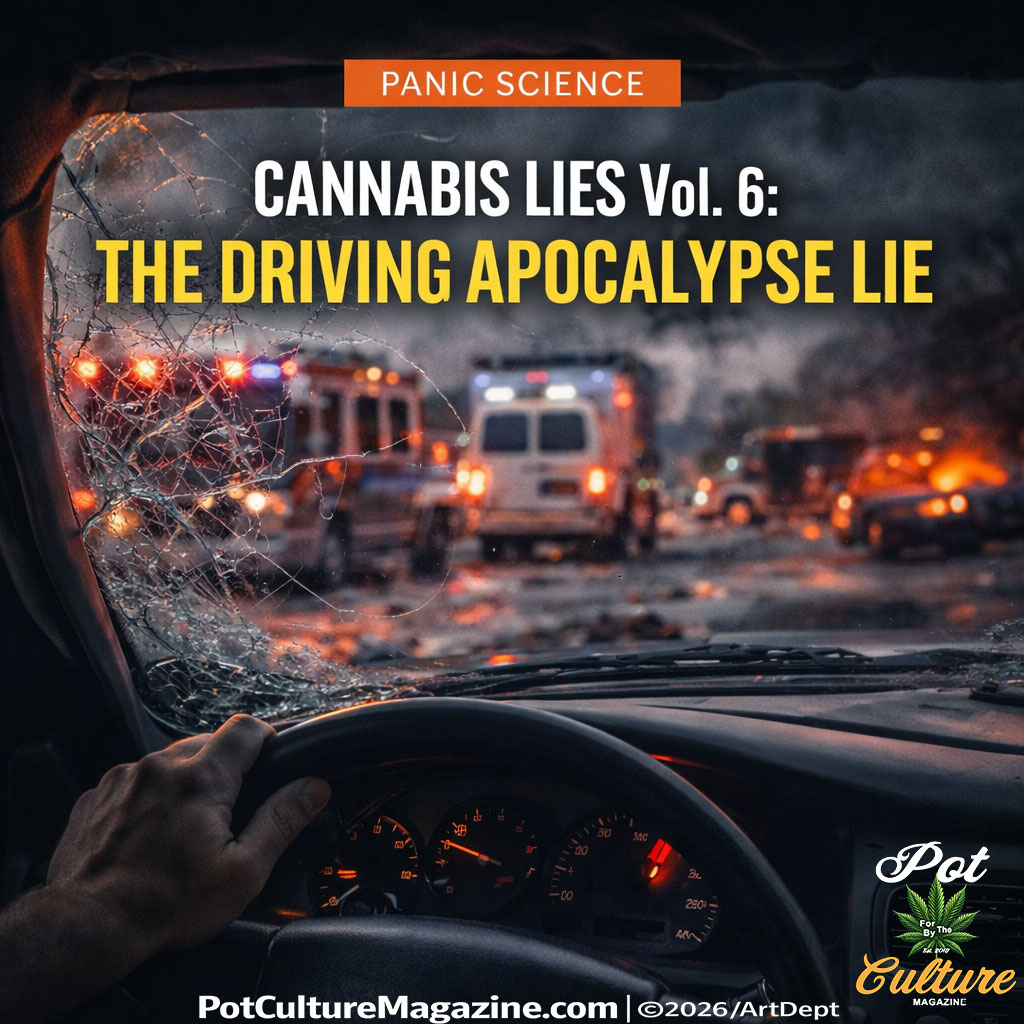
CANNABIS LIES Vol. 6: The Driving Apocalypse Lie
Legal cannabis is often blamed for rising traffic deaths, but federal data tells a more complicated story. NHTSA findings, toxicology limitations, and conflicting crash studies reveal that THC presence is not a reliable measure of impairment. This investigation breaks down how flawed testing and policy shortcuts have shaped the narrative around so-called stoned driving.
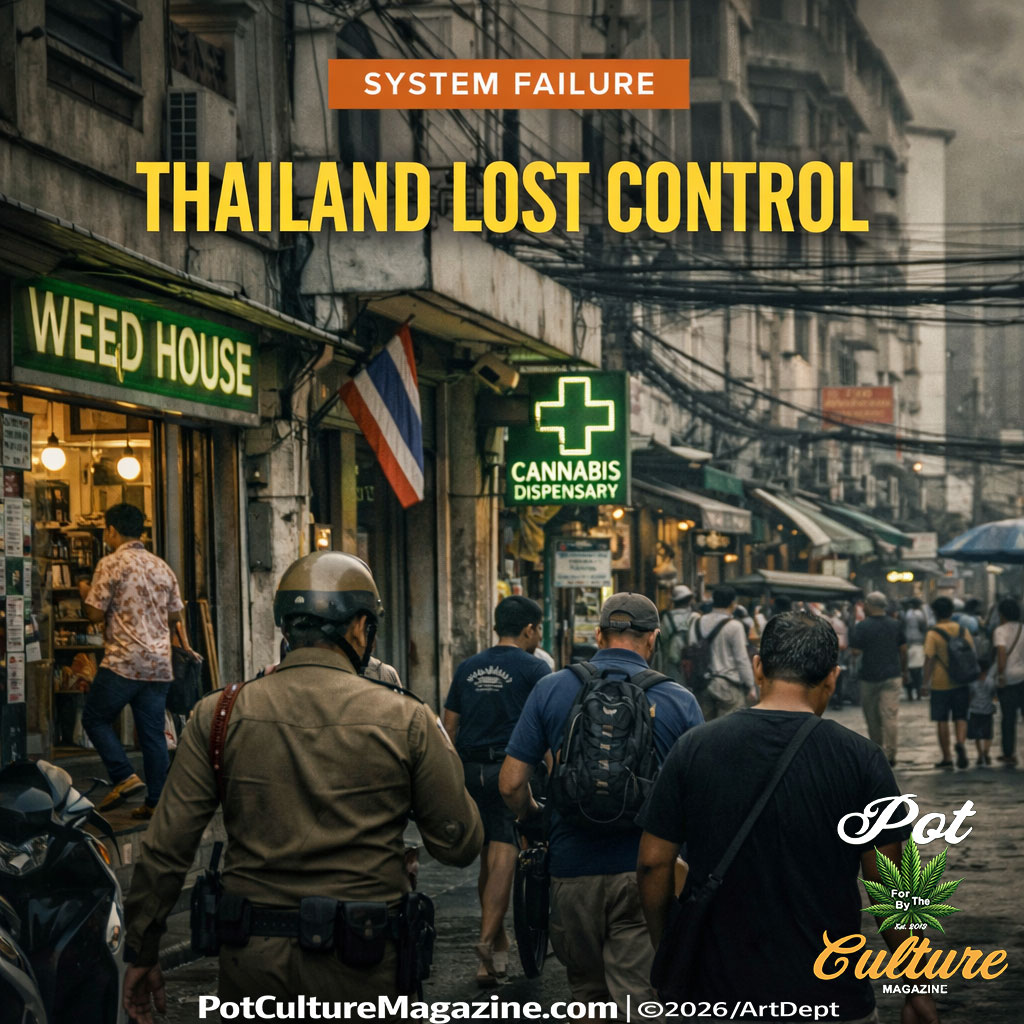
Thailand Lost Control
Thailand blew open its cannabis market, then tried to force it back under control. This feature tracks the country’s shift from prohibition to medical legalization, decriminalization, and regulatory backlash, exposing how weak enforcement, political pressure, and rushed policy turned a reform headline into a live case study in state correction.
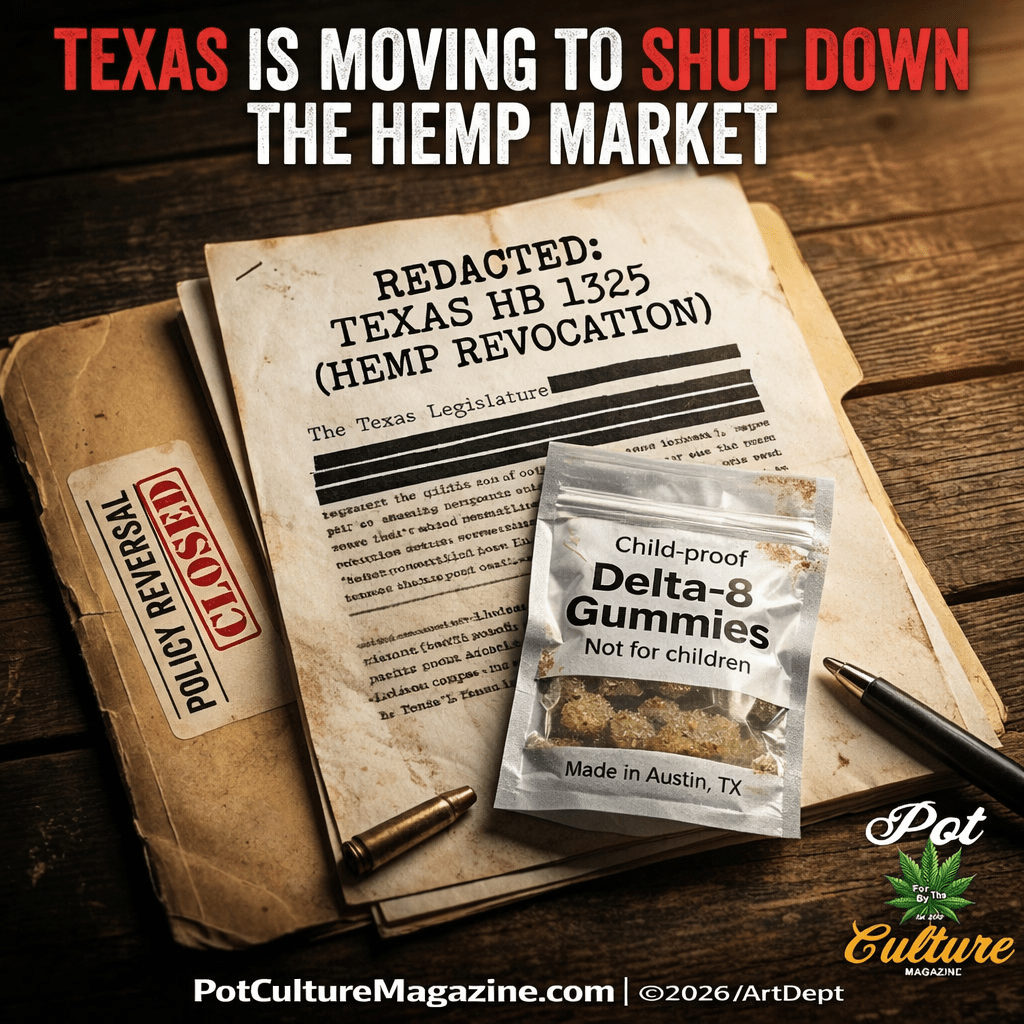
Texas Is Moving to Shut Down the Hemp Market
Texas helped build one of the largest hemp THC markets in the country, then moved to shut it down. As regulators tighten rules and enforcement increases, businesses are left exposed, and the future of hemp-derived cannabinoids hangs in the balance. This is not a simple crackdown. It is a full policy reversal with real economic…
Discover more from POT CULTURE MAGAZINE
Subscribe to get the latest posts sent to your email.

Leave a comment