Filed Under: Democracy in Disguise
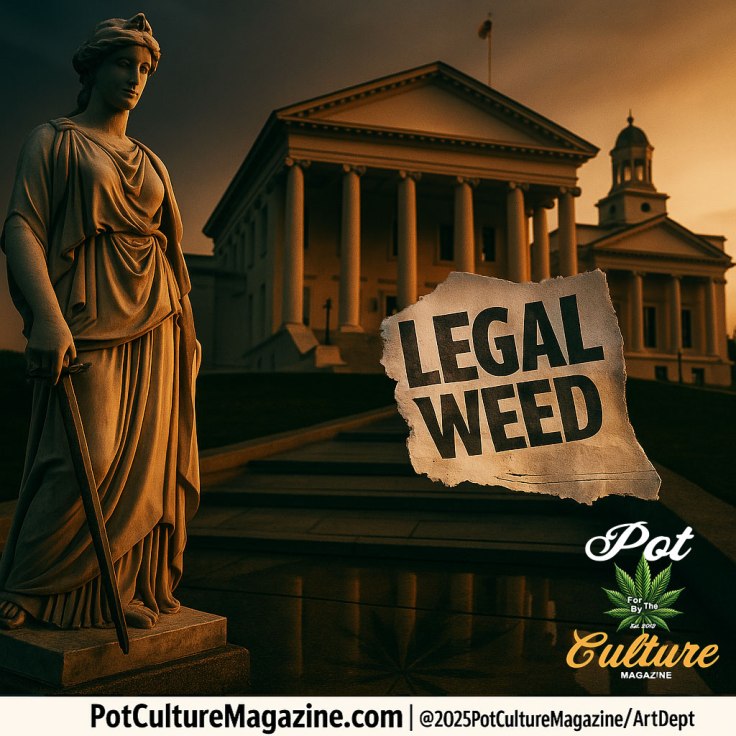
Virginia legalized cannabis in 2021, then pretended it didn’t. Governor Ralph Northam signed the bill that made adult possession legal, effective July 1, 2021. Adults could hold up to an ounce and grow a few plants. What they could not do was buy it. The legislature promised retail licensing would follow. It never did.
The new governor, Glenn Youngkin, walked in with a smile and a veto pen. He told reporters that commercial weed sales would endanger “health and safety,” the oldest scare line in the book. His vetoes in 2024 and 2025 killed retail plans that were already passed by both chambers. He ignored the data, the revenue projections, and the voters who said yes to legalization. What survived was a paper version of freedom. Legal to own, illegal to purchase.
Delegate Paul Krizek said it best: “It’s great that this bill is getting Republican votes, but the one that matters is the governor, and yet he is unwilling to recognize that it is 2025 and not 1975.” That quote belongs on a billboard in every Virginia county.
The irony is staggering. Virginia built a Cannabis Control Authority, hired experts, drafted regulations, and then locked the door. The agency has a full framework ready to roll: licensing dates, retail guidelines, and even equity provisions. The only missing signature belongs to the governor.
Advocates are losing patience. NORML called the continued delay “a consumer protection concern and a public health one.” Translation: prohibition by paperwork keeps the black market healthy and everyone else in danger. Police still seize the product. People still risk charges for selling what the law already admits is legal to use.
Today’s election is not just about candidates. It is about whether Virginia keeps pretending. Abigail Spanberger has said the state needs “a clear strategy and plan to transition into a regulated market.” That reads like a diplomat’s sentence, but inside it lives a promise. She knows the system is half-built and that the vacuum benefits no one except street dealers and moral crusaders.
Her opponent, Winsome Earle-Sears, calls legalization a “gateway mistake.” The phrase smells like church basements and campaign mailers from 1993. Her stance is rooted in fear, not evidence. States with legal sales see lower arrest rates, higher tax revenue, and safer product testing. Maryland proved it in 2023 when retail stores opened statewide and pulled in over $20 million in tax revenue in the first month. Washington, D.C., still operates a messy gifting economy that pretends not to sell. North Carolina and Tennessee still treat possession like a moral crime. Virginia floats between them, neither free nor punished, just stuck.
The numbers are not kind to the current leadership. A Roanoke College poll found 57 percent of Virginians support retail cannabis sales. Fiscal analysts project $7 million in year-one revenue and roughly $300 million over six years. None of it arrives until a governor signs the bills already waiting. The infrastructure is built. The blueprint exists. The only obstacle is political vanity.
advertisement
F O R T H E C U L T U R E B Y T H E C U L T U R E
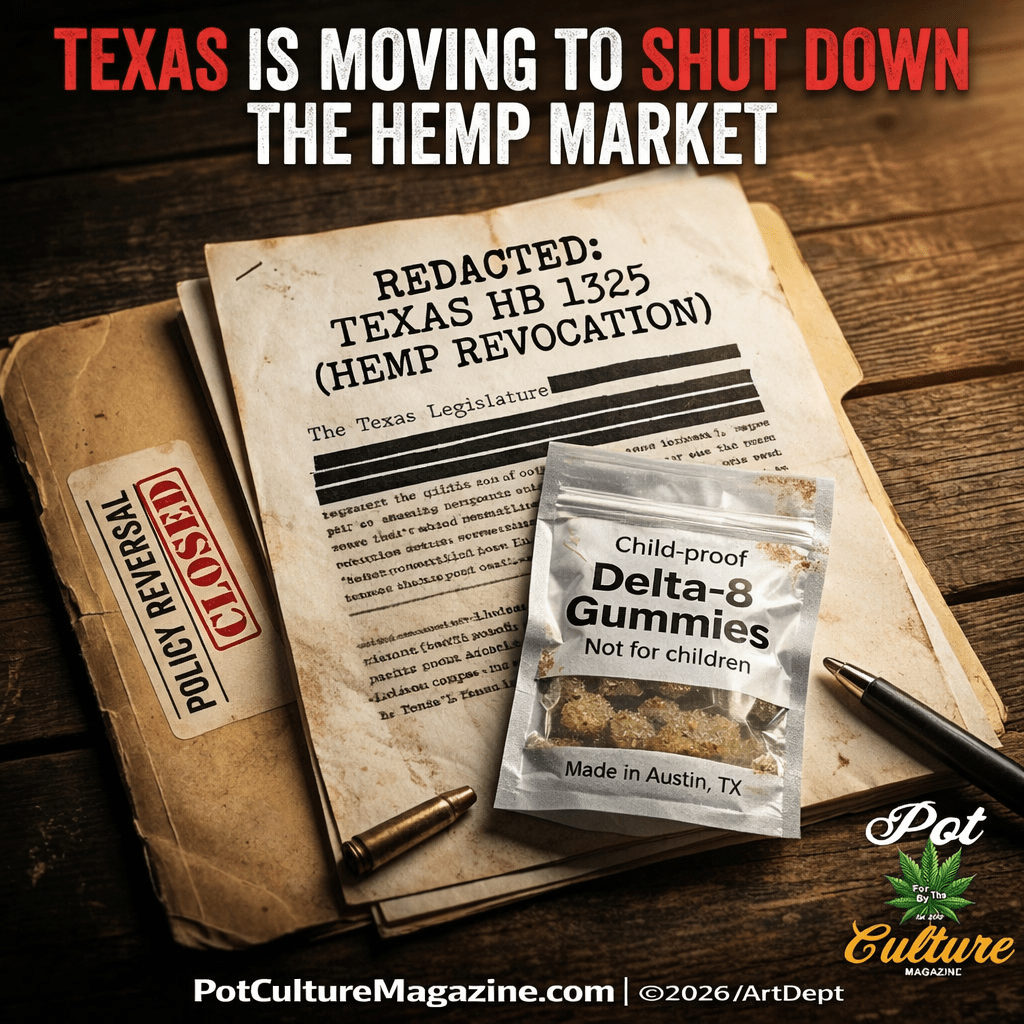
Texas Is Moving to Shut Down the Hemp Market
Texas helped build one of the largest hemp THC markets in the country, then moved to shut it down. As regulators tighten rules and enforcement increases, businesses are left exposed and the future of hemp-derived cannabinoids hangs in the balance. This is not a simple crackdown. It is a full policy reversal with real economic…

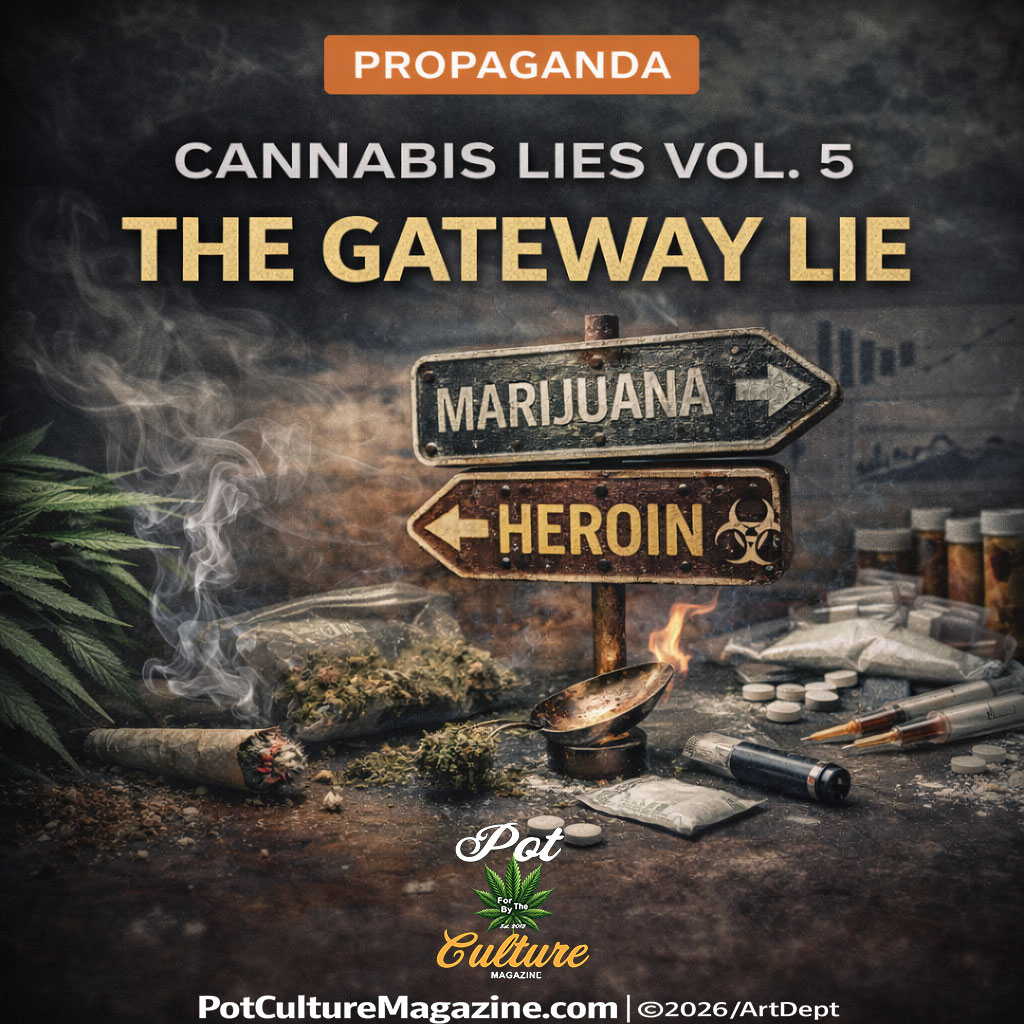
CANNABIS LIES Vol. 5: The Gateway Lie
For decades, politicians have claimed marijuana is a gateway to heroin and harder drugs. Federal youth surveys, NSDUH data, and NIDA’s own language tell a different story. Cannabis use is widespread, hard drug use remains rare, and most users do not progress. The data dismantles one of prohibition’s most durable fear narratives.
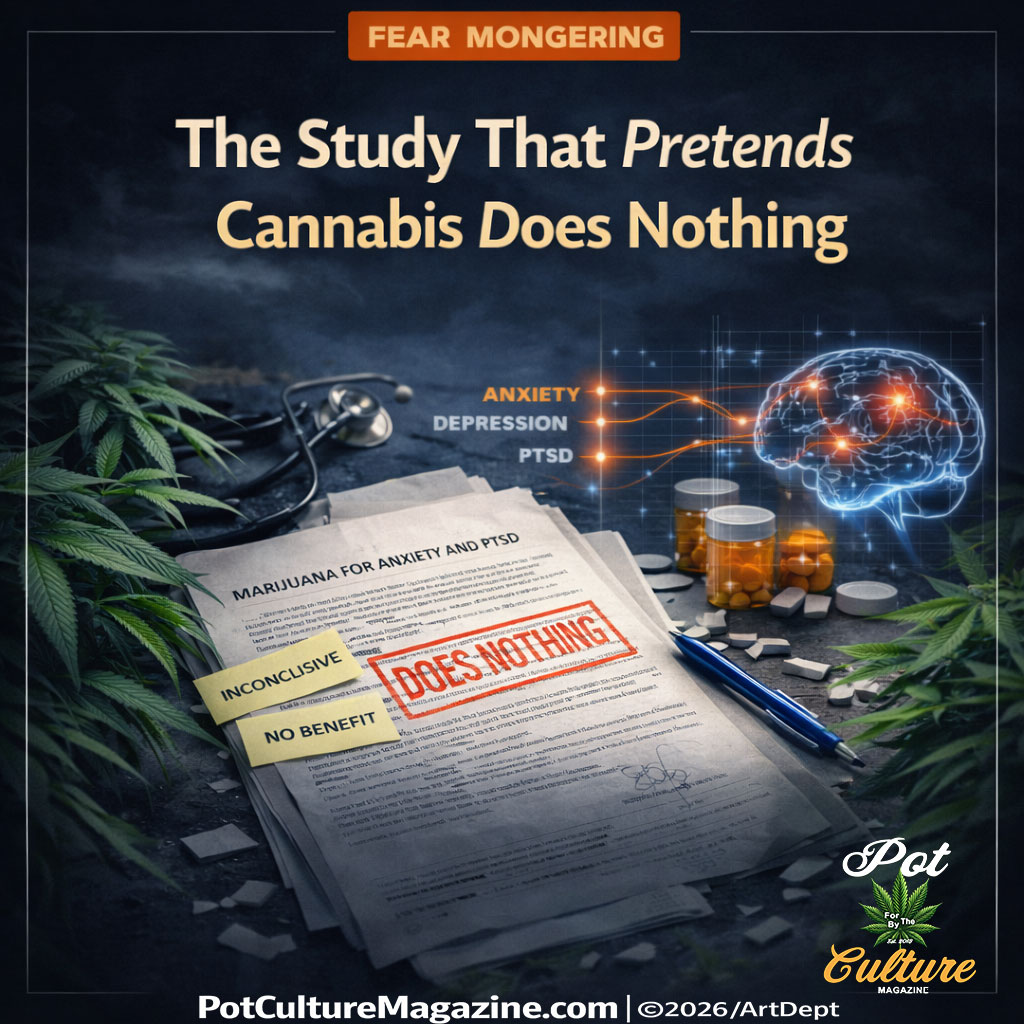
The Study That Pretends Cannabis Does Nothing
A new cannabis study claims marijuana does nothing for anxiety, depression, or PTSD. The reality is far more complicated. Decades of federal restrictions, limited research access, and synthetic substitutes have shaped the science. This breakdown exposes how incomplete data and selective interpretation continue to drive misleading headlines about cannabis and mental health.
advertisement
Spanberger’s cautious tone reads like a strategy. She is a former CIA case officer who understands timing. Voters who fear chaos trust her calm. The irony is that the most moderate person in the race might be the only one willing to finish legalization. Her approach is methodical, not loud. Sears’s is loud, not methodical. One argues for a system that reflects reality, the other for nostalgia dressed as virtue.
The issue runs deeper than pot. It speaks to whether democracy still functions after the vote is counted. Virginia’s people spoke in 2021. Their government smiled, pocketed the applause, then refused to follow through. That is not policy, it is betrayal disguised as caution.
Walk through Richmond, and you can smell the truth. Dispensaries in waiting, farms ready to pivot, entrepreneurs stuck in limbo. Every surrounding state has already written its next chapter. Virginia’s pages are blank because one man kept saying no.
If Spanberger wins, the ink starts to flow. The Cannabis Control Authority can begin licensing by September 2025 and open retail by May 2026. The black market will shrink. Consumers will finally have tested products. Farmers will have legitimate buyers. The state will collect the taxes it keeps pretending to want.
If Sears wins, the brakes stay on. The underground will keep laughing. The same people who shout “law and order” will preserve the one system that guarantees disorder.
Virginia does not need another governor who prays over progress. It needs one who signs the will of the people. The policy is written. The infrastructure is waiting. The only barrier left is nerve. Get Out and Vote, make your voice count.
© 2025 Pot Culture Magazine. All rights reserved. This content is the exclusive property of Pot Culture Magazine and may not be reproduced, distributed, or transmitted in any form or by any means without prior written permission from the publisher, except for brief quotations in critical reviews.
F O R T H E C U L T U R E B Y T H E C U L T U R E
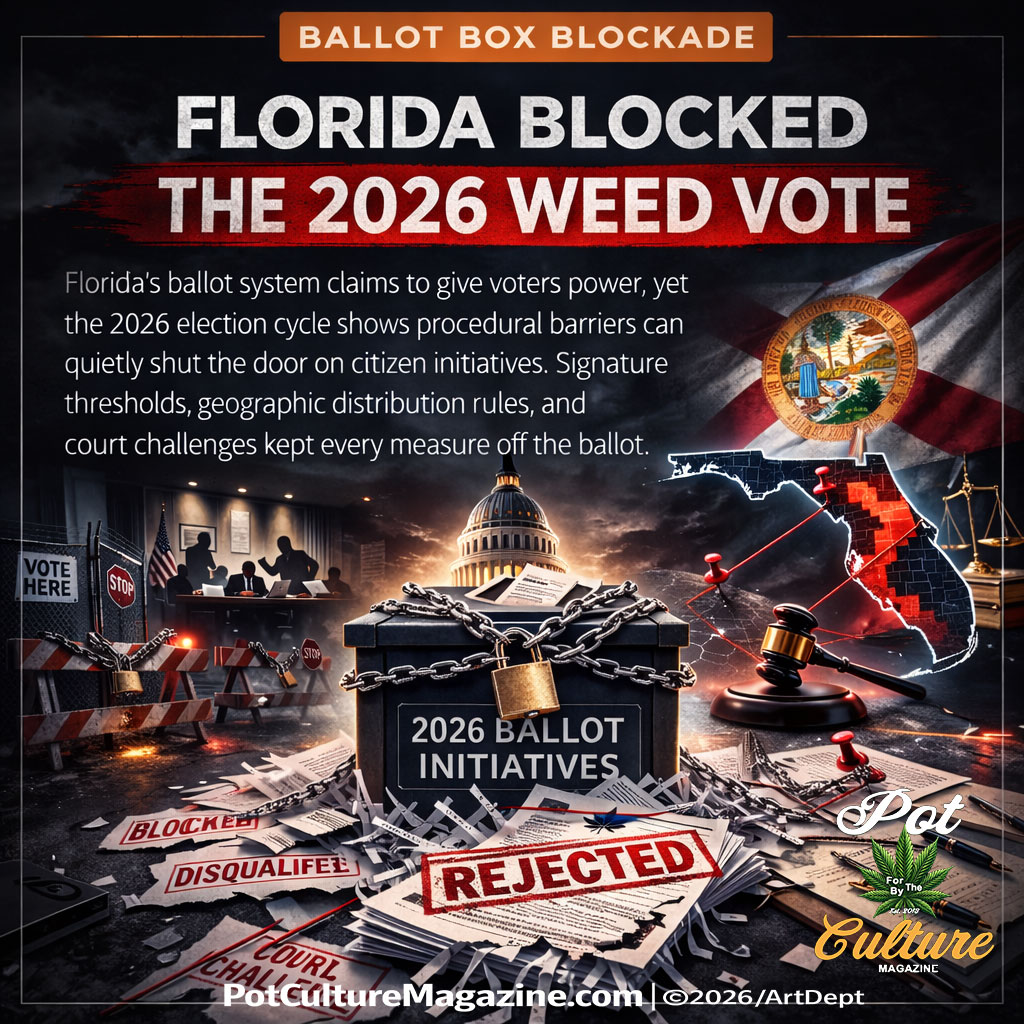
Florida Blocked the 2026 Weed Vote
Florida’s ballot system claims to give voters power, yet the 2026 election cycle shows how procedural barriers can quietly shut the door on citizen initiatives. Signature thresholds, geographic distribution rules, and court challenges blocked every measure from reaching voters, revealing how cannabis legalization fights are often decided by bureaucratic design long before election day.
The Cannabis Lie: Vol. 4 — The Crime Wave Lie
Politicians and pundits warned that legal cannabis would unleash a crime wave. The data tell a different story. From Colorado’s violent crime trends to DOJ time-series research and statewide arrest declines, the evidence shows no consistent long-term surge tied to legalization. The numbers never matched the panic.

South Africa Legalized Weed, But Not the Market
South Africa recognized private adult cannabis use and home cultivation, but never built a legal domestic market around them. With buying and selling still largely outside the law, the illicit trade remains dominant while regulators scramble to set limits, draft rules, and prepare a broader Cannabis Bill that could finally address commerce.
Discover more from POT CULTURE MAGAZINE
Subscribe to get the latest posts sent to your email.

Leave a comment