Filed Under: War Games

Every October, the federal machine wakes from its quiet months and starts acting like the Drug War never ended. There are warnings, press releases, and photos of agents posing beside tables of seized vape pens. It is a ritual more than a response. A kind of bureaucratic muscle memory. The season turns, and the system remembers who it used to be.
It is Thursday, October 2, 2025, and Red Ribbon Month has just started. The official line is prevention. The slogan is the same one used since the eighties. The message is familiar enough to smell like dust. The agency’s public pages are already full of downloadable toolkits, classroom posters, and social media graphics telling parents to talk to their kids about pills. The campaign runs through the end of the month, and the timing is not a coincidence. October is when government drug warriors sell themselves back to the public.
What they call education, others might call theater. The biggest recent action was Operation Vape Trail, a mid-September crackdown on counterfeit vape products. It stretched across the United States and netted more than two million illicit cartridges along with cash, cars, and firearms. The operation wrapped on September 19, barely a week before Red Ribbon prep began. That overlap is no accident either. The October surprise came early this year, staged to feed the annual narrative that America’s children are still one puff away from ruin.
This is how the cycle works. The fiscal year ends in September. Budgets are tallied. Departments look for proof of purpose. A big bust and a glossy prevention campaign look good in the next funding review. The people in charge do not need a new threat. They just need a reason to exist. Every fall, they find one.
This year, they are not talking about marijuana. The word never appears in the official materials. There are no recycled headlines about fentanyl-laced cannabis or trick-or-treat paranoia. Instead, the focus is on counterfeit pills and vaping devices, a safer narrative that still checks all the boxes. Youth danger. Hidden toxins. Drugs disguised as candy. The same visual vocabulary, just applied to new props.
The truth is simpler and smaller. Federal drug prosecutions have dropped to their lowest level in decades. Reuters reported on September 29, 2025, that drug conspiracy and importation cases are down ten percent from last year. The federal drug war is shrinking, its targets have narrowed, and its reach has faded. That does not fit the heroic image that once defined the fight, so the message shifts. Less enforcement, more awareness. Less action, more noise.
State agencies, on the other hand, are still chasing headlines. Kansas authorities launched a wave of raids this week targeting illicit THC products in convenience stores, framing it as a school safety measure. Alabama followed with its own sweep, focused on “unregulated cannabis items” near college campuses. Indiana’s attorney general held a press conference promising to protect families from “illegal vapes and street pot.” None of these were federal operations, but they fit neatly inside the seasonal script. Every state wants its turn in the spotlight.
advertisement
F O R T H E C U L T U R E B Y T H E C U L T U R E
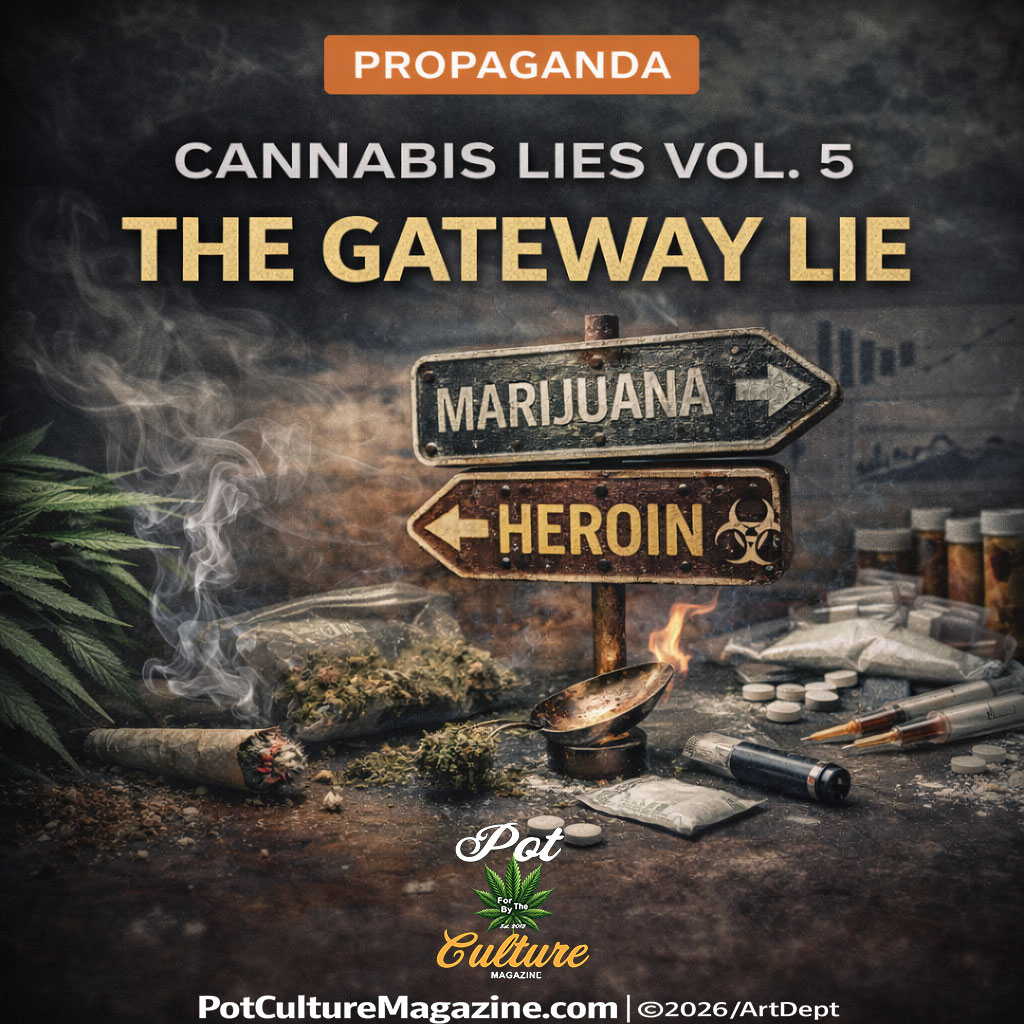
CANNABIS LIES Vol. 5: The Gateway Lie
For decades, politicians have claimed marijuana is a gateway to heroin and harder drugs. Federal youth surveys, NSDUH data, and NIDA’s own language tell a different story. Cannabis use is widespread, hard drug use remains rare, and most users do not progress. The data dismantles one of prohibition’s most durable fear narratives.

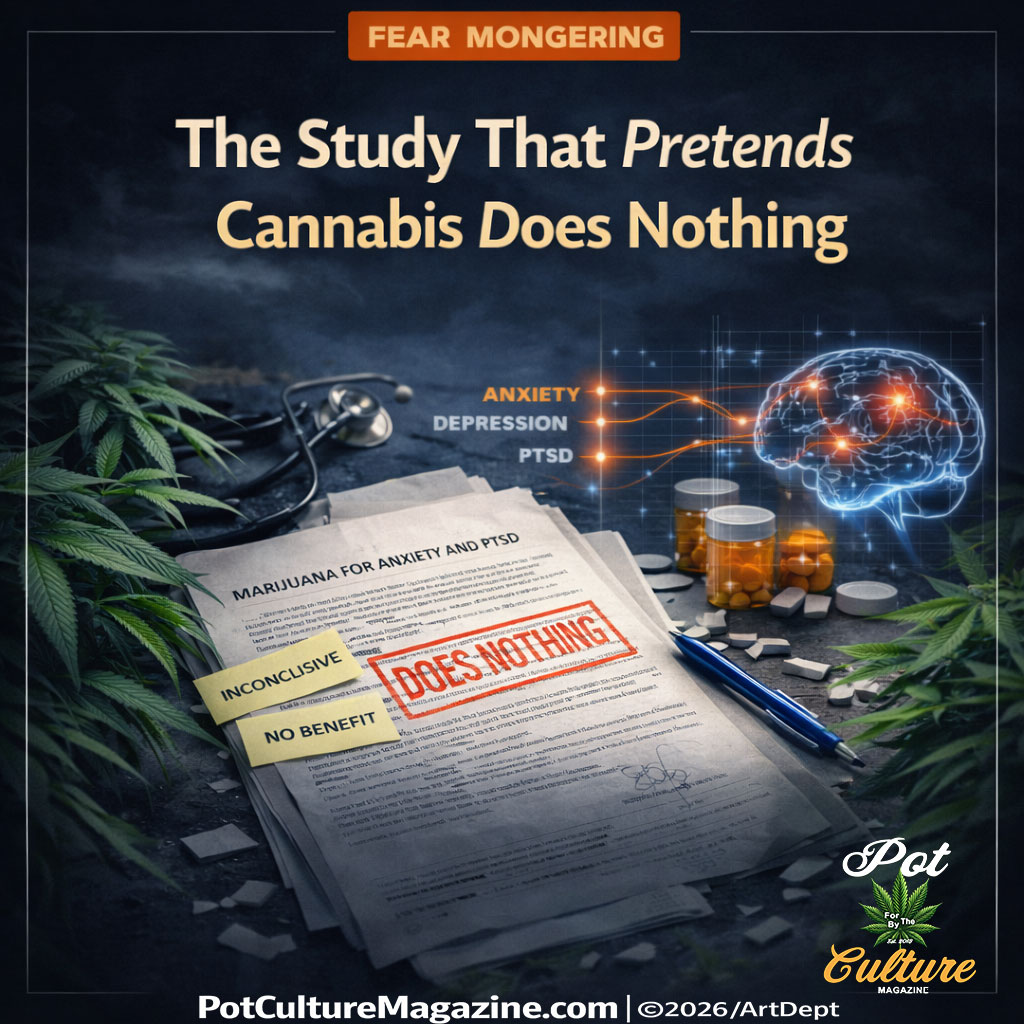
The Study That Pretends Cannabis Does Nothing
A new cannabis study claims marijuana does nothing for anxiety, depression, or PTSD. The reality is far more complicated. Decades of federal restrictions, limited research access, and synthetic substitutes have shaped the science. This breakdown exposes how incomplete data and selective interpretation continue to drive misleading headlines about cannabis and mental health.
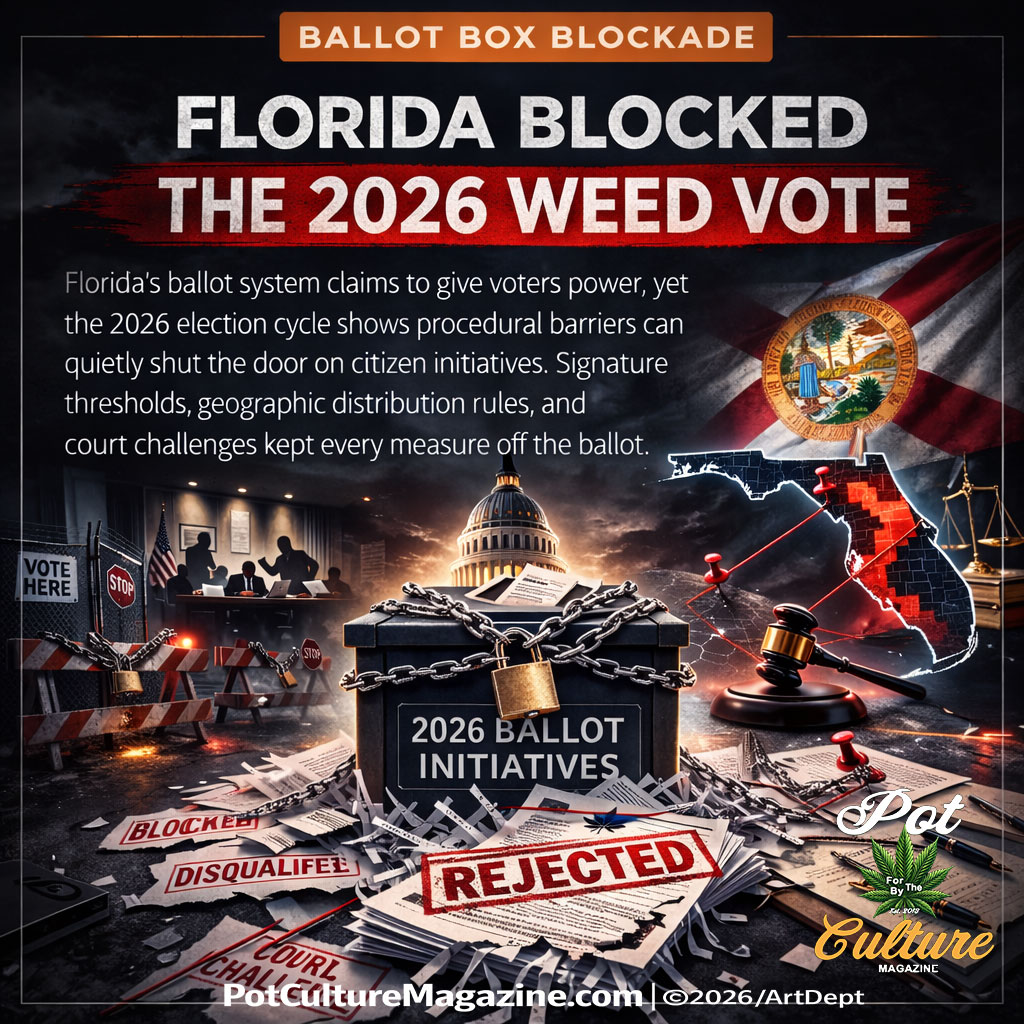
Florida Blocked the 2026 Weed Vote
Florida’s ballot system claims to give voters power, yet the 2026 election cycle shows how procedural barriers can quietly shut the door on citizen initiatives. Signature thresholds, geographic distribution rules, and court challenges blocked every measure from reaching voters, revealing how cannabis legalization fights are often decided by bureaucratic design long before election day.
advertisement
The national office doesn’t need to lead the charge. It just has to set the tone. The rest of the system follows. A few press releases about prevention become local headlines about crackdowns. A few warnings about vapes become TV segments about “new drug trends.” Each layer of the media chain amplifies the same old story. Drugs are back. Kids are at risk. The guardians are on duty. By the time the message hits the public, it no longer matters whether any of it is new or true.
There is a kind of genius in the timing. October is when attention spans shrink and newsrooms hunt for seasonal stories. The same institutions step in with their annual morality play. It fills airtime. It costs nothing. It keeps the appearance of relevance without exposing the drop in actual enforcement. The public sees headlines. Congress sees activity. Nobody asks what it accomplished.
For decades, this formula has worked. In 2022, it was rainbow fentanyl, with warnings about colorful pills that looked like Skittles. In 2023, it was THC gummies mistaken for Halloween candy. Last year, it was a vague alert about synthetic weed in vape cartridges. Each time, the panic burned bright for a week, then vanished when no cases materialized. Each time, the fear served its purpose. Attention equals funding. Funding equals survival.
This year’s version is quieter but no less calculated. The Red Ribbon campaign has outlived the people who started it. It began in 1985 after the murder of agent Enrique Camarena and became a moral cornerstone of the anti-drug movement. Schoolchildren were told to wear red ribbons as symbols of drug-free living. For decades, it has been used to justify the same failed policies under a softer tone. Now, in 2025, it functions as nostalgia. A way to remind Americans that the crusade still cares, even if the country no longer believes.
What makes this moment interesting is the contrast. Cannabis is legal in twenty-five states for recreational use and more than forty for medical. Psychedelics are being decriminalized city by city. The tide has turned. Yet the same government agencies remain frozen in an era when saying “drugs are bad” was enough to end the conversation. The real October surprise is that they have nothing new to say.
The facts tell a different story from the slogans. The National Drug Threat Assessment for 2025 lists synthetic opioids and methamphetamine as the primary concerns. Cannabis appears only in passing. Yet the talking points continue to lump all controlled substances together, refusing to separate plants from poisons. That refusal keeps the budgets stable. It also keeps the myth alive.
The Red Ribbon materials read like museum exhibits. Posters urging kids to live drug-free, lesson plans about peer pressure, old slogans dressed in digital fonts. It’s the same moral language that once justified raids, arrests, and propaganda films. The difference is that the public has changed. Parents who grew up on weed propaganda now smoke legally. Teenagers roll joints from dispensary flower. The fear no longer sticks.
Even law enforcement veterans admit privately that the Halloween scares have lost power. There are no documented cases of strangers giving children cannabis candy. There are no waves of accidental poisonings tied to October. The warnings have become a parody, recycled because no one wants to be the first to stop pretending. The people in charge do not correct the myth because the myth still pays dividends.
It’s easy to see why. Without the ritual panic, they would have to face uncomfortable math. Billions spent. Millions imprisoned. Countless lives disrupted. And for what? Cannabis is more available than ever. Addiction rates for harder drugs haven’t improved. The opioid crisis remains catastrophic. Yet every October, the same institutions that helped criminalize a generation reemerge to lecture the public on safety.
The problem is not that they lie. It is that they cannot evolve. Their power depends on the perception of danger. A calm public is a threat to their identity. So they create urgency out of habit, spotlighting small operations like Vape Trail as national triumphs. They turn data into drama. They trade relevance for accuracy.
This October’s campaign is cleaner and quieter, but the motive is the same. Red Ribbon Week runs from October 23 through 31. Operation Vape Trail wrapped on September 19. Federal prosecution numbers fell by ten percent. These facts paint a picture of a system treading water. It still talks about fighting drugs, but what it really fights is its own fading importance.
Out in the real world, cannabis continues to expand legally, medically, and culturally. Dispensaries open. Voters approve new laws. Governors push for reform. The agencies once feared are now the outliers, still clinging to their old slogans while the country moves on. Every October, they resurrect their mission in the hope that the echo of fear will still sound like authority.
The irony is that their survival strategy proves how irrelevant they have become. The October surprise is not a scandal or a new operation. It is the emptiness of the message. The silence on cannabis. The lack of new enforcement. The transition from raids to hashtags. The institutions built for confrontation now survive on ceremony.
They will ride the month through Red Ribbon Week, celebrate another year of “prevention,” and fade back into the background by November. The press will forget. Congress will approve another budget. The war that never ended will keep dragging its feet.
What remains is the same uneasy truth. These agencies do not need to win. They only need to last. Every October, they prove that by staging their comeback, waving old slogans, and hoping the public still feels scared enough to look twice. The real surprise is how many people have stopped paying attention.
© 2025 Pot Culture Magazine. All rights reserved. This content is the exclusive property of Pot Culture Magazine and may not be reproduced, distributed, or transmitted in any form or by any means without prior written permission from the publisher, except for brief quotations in critical reviews.
F O R T H E C U L T U R E B Y T H E C U L T U R E
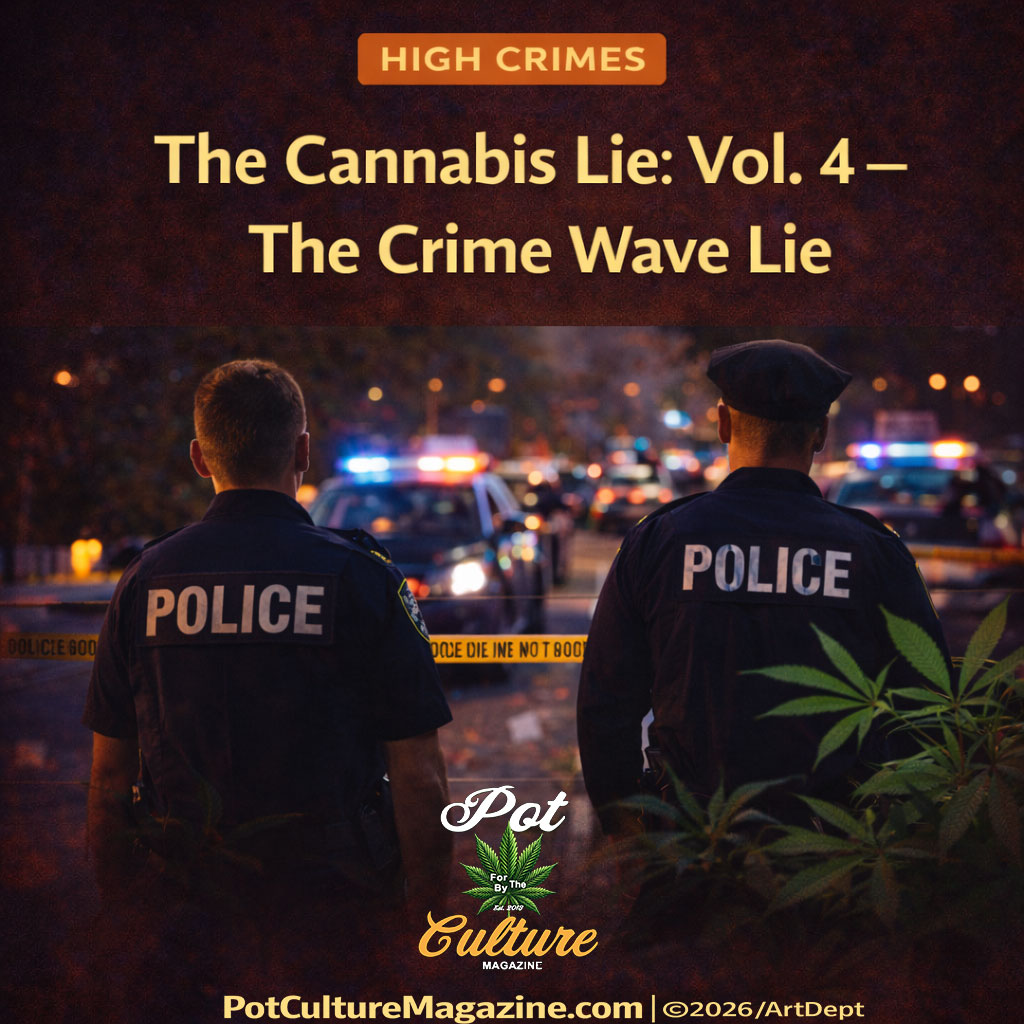
The Cannabis Lie: Vol. 4 — The Crime Wave Lie
Politicians and pundits warned that legal cannabis would unleash a crime wave. The data tell a different story. From Colorado’s violent crime trends to DOJ time-series research and statewide arrest declines, the evidence shows no consistent long-term surge tied to legalization. The numbers never matched the panic.

South Africa Legalized Weed, But Not the Market
South Africa recognized private adult cannabis use and home cultivation, but never built a legal domestic market around them. With buying and selling still largely outside the law, the illicit trade remains dominant while regulators scramble to set limits, draft rules, and prepare a broader Cannabis Bill that could finally address commerce.
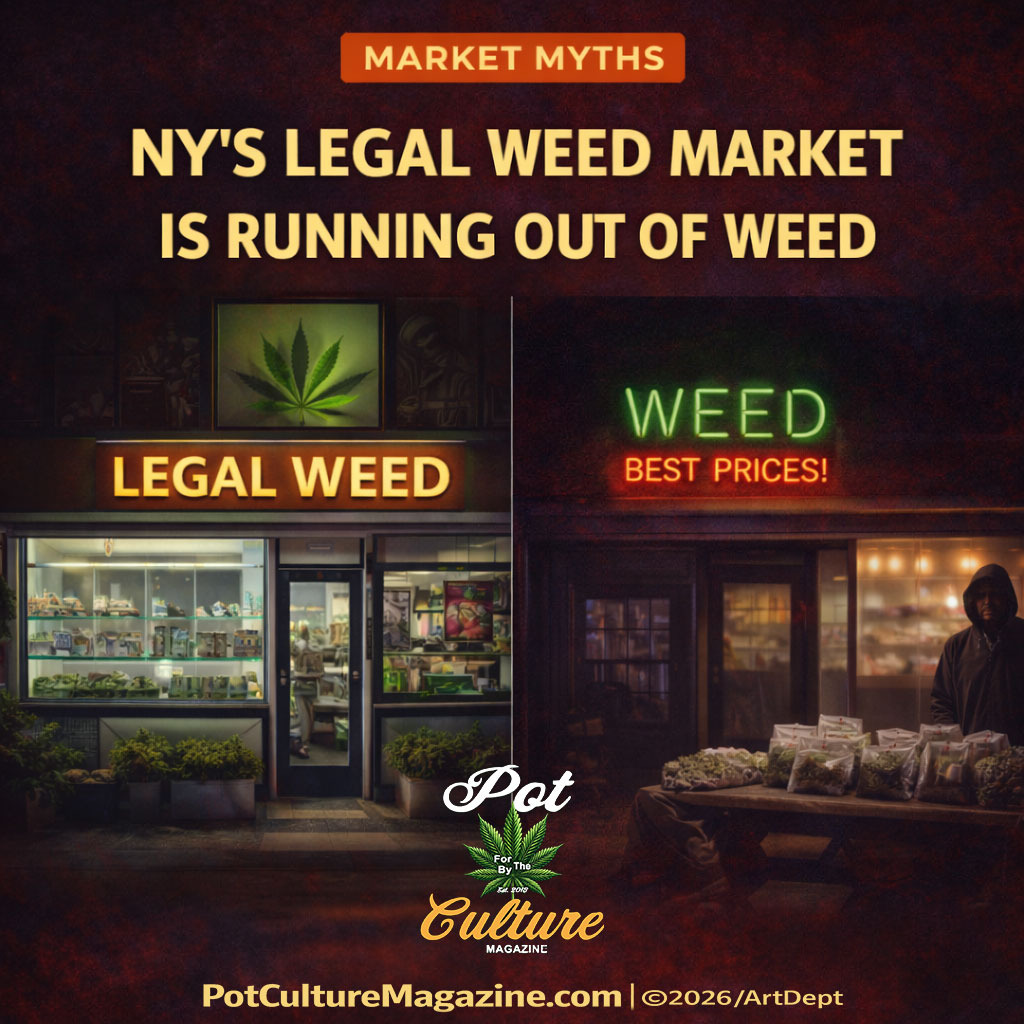
NY’s Legal Weed Market Is Running Out of Weed
New York legalized cannabis and opened hundreds of stores, but regulators now warn the legal market may not produce enough weed to keep them stocked. With nearly 600 stores open and sales nearing $3 billion, the state is discovering that legalization alone does not guarantee a functioning market.
Discover more from POT CULTURE MAGAZINE
Subscribe to get the latest posts sent to your email.

Leave a comment