Filed Under: Hemp Games, Federal Folly
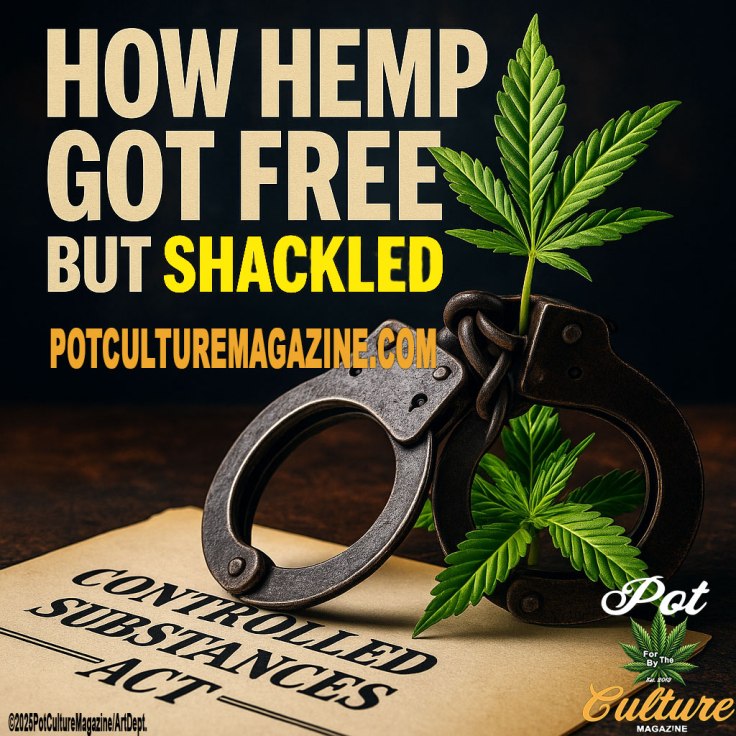
The federal government loves to pretend it is progressive. It pats itself on the back for modernizing drug policy while quietly kneecapping the very plant it claims to liberate. Hemp was supposed to be free. In 2018, Congress tore it from the Controlled Substances Act, declaring it no longer the devil’s weed but an agricultural commodity. A cultural and legal milestone, no doubt. Farmers cheered, CBD brands flooded shelves, and Wall Street smelled a payday.
But like everything in America’s drug war, the fine print told another story. Hemp was only free if it stayed under 0.3 percent delta-9 THC by dry weight. That single number, plucked from thin air, became the razor wire around the crop. Cross the line and you are back in felony country. This is not liberation. It is a probation sentence dressed up as reform.
Politicians sold the Farm Bill as a revolution. They told farmers they could finally plant hemp without risking DEA raids. They told consumers CBD was a wellness product for the masses, not a contraband substance. They told the public the war on weed had matured. What they did not say was that hemp is legal in name only. Every crop has to be tested. Every lab must prove THC levels stay under the magic 0.3 number. Hot crops are burned, livelihoods torched. Small farmers who thought they were joining the green rush discovered they had simply signed up for another round of government surveillance.
The DEA never truly left. In 2020, it became clear that hemp was only lawful if every step of production stayed under the THC cap. Intermediate extracts that spike above the threshold, even if later diluted, count as Schedule I marijuana. Farmers and processors suddenly found themselves in a game of chemical musical chairs. Step wrong and you are a criminal again. This is how Washington rewrites freedom: give you the word, keep the chains.
No one denies CBD’s boom. By 2019, it was everywhere. Gas stations, pharmacies, corner bodegas. Oils, gummies, sodas, bath bombs. It was the weed you could sell to grandma. But the FDA took one look and pulled the rug. CBD in food? Illegal. CBD in supplements? Illegal. CBD in drinks? Illegal. Only the pharmaceutical form, Epidiolex, was approved. Everything else was a gray-market hustle.
That gray zone became the rule, not the exception. Farmers grew hemp, brands bottled it, consumers bought it, but federal regulators hovered like buzzards. Warning letters rained down on small operators who dared make health claims. Banks closed accounts. Insurance dried up. For every “hemp is legal now” headline, the reality was that you are free to grow a crop you cannot sell, process a product you cannot market, and run a business you cannot bank. The outlaw spirit never died; it was forced into hemp, too.
advertisement
F O R T H E C U L T U R E B Y T H E C U L T U R E
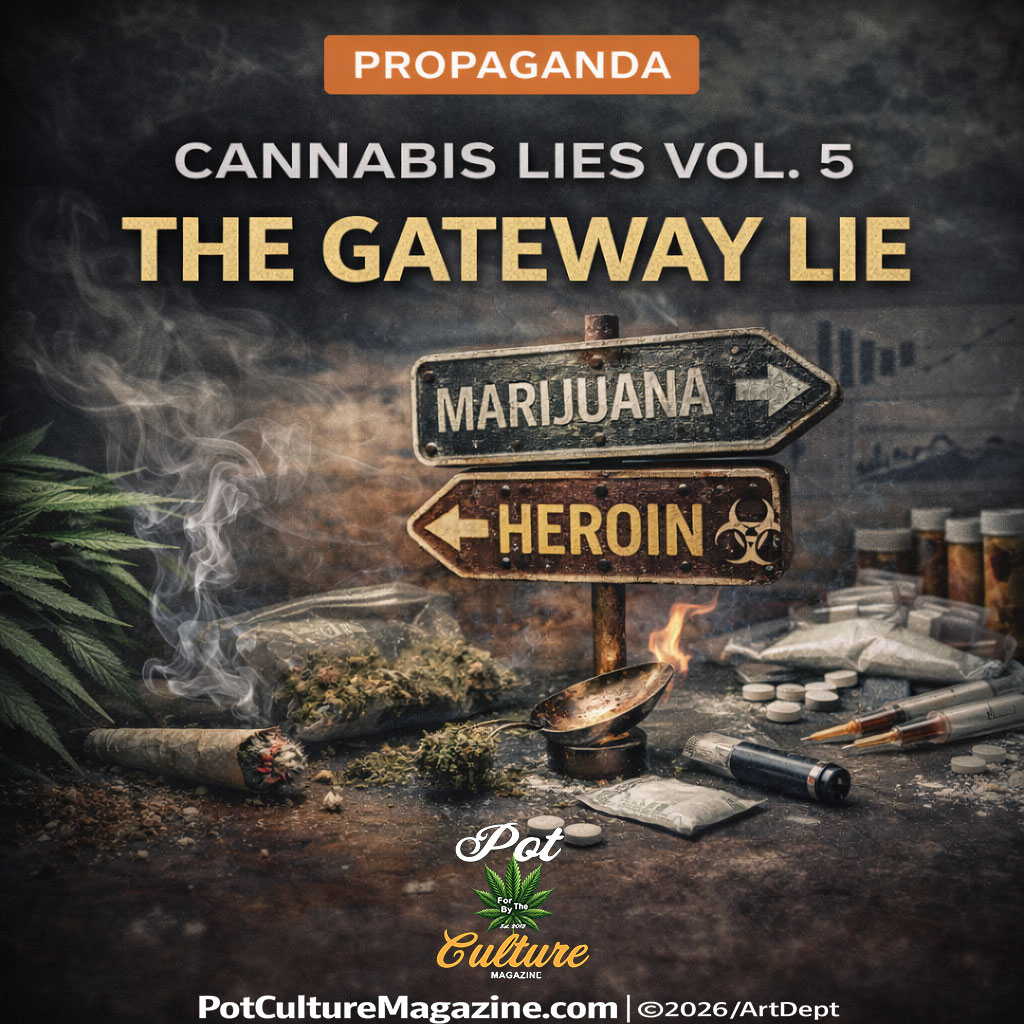
CANNABIS LIES Vol. 5: The Gateway Lie
For decades, politicians have claimed marijuana is a gateway to heroin and harder drugs. Federal youth surveys, NSDUH data, and NIDA’s own language tell a different story. Cannabis use is widespread, hard drug use remains rare, and most users do not progress. The data dismantles one of prohibition’s most durable fear narratives.

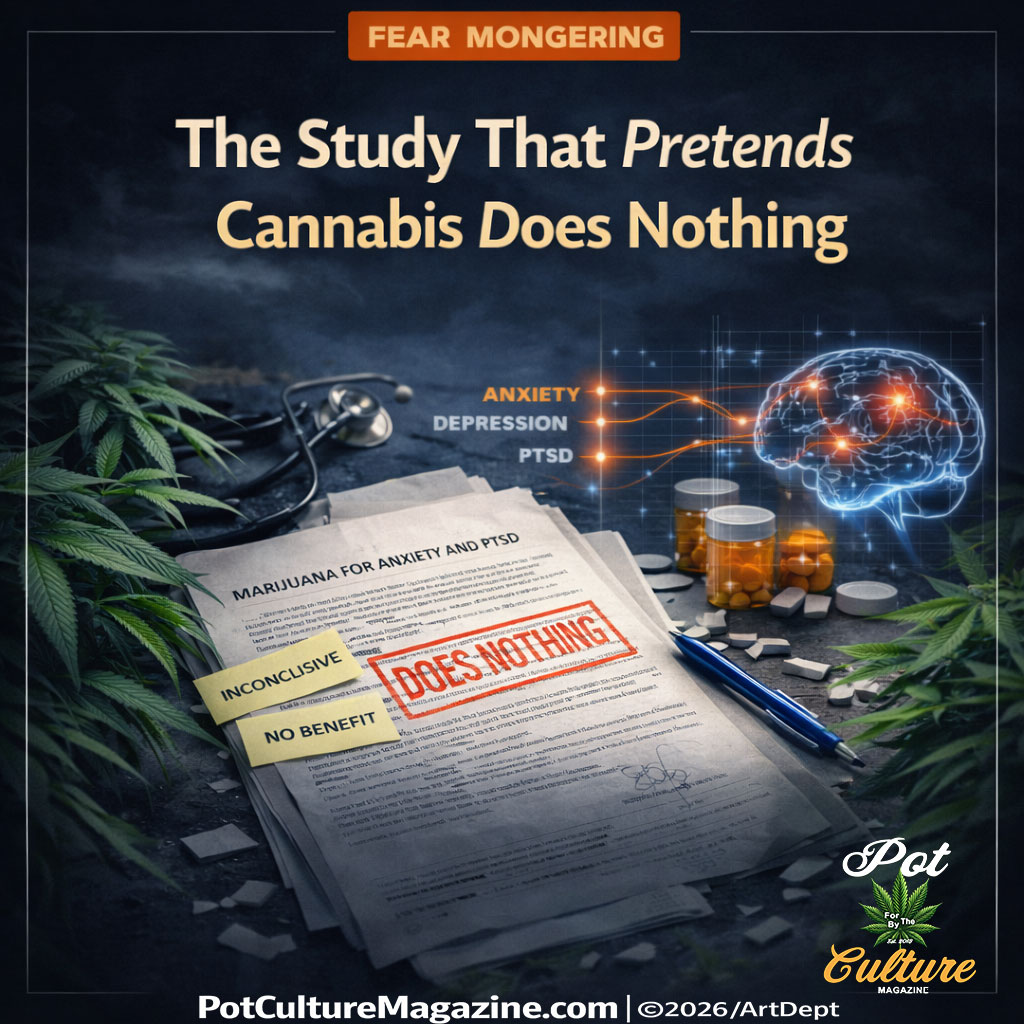
The Study That Pretends Cannabis Does Nothing
A new cannabis study claims marijuana does nothing for anxiety, depression, or PTSD. The reality is far more complicated. Decades of federal restrictions, limited research access, and synthetic substitutes have shaped the science. This breakdown exposes how incomplete data and selective interpretation continue to drive misleading headlines about cannabis and mental health.
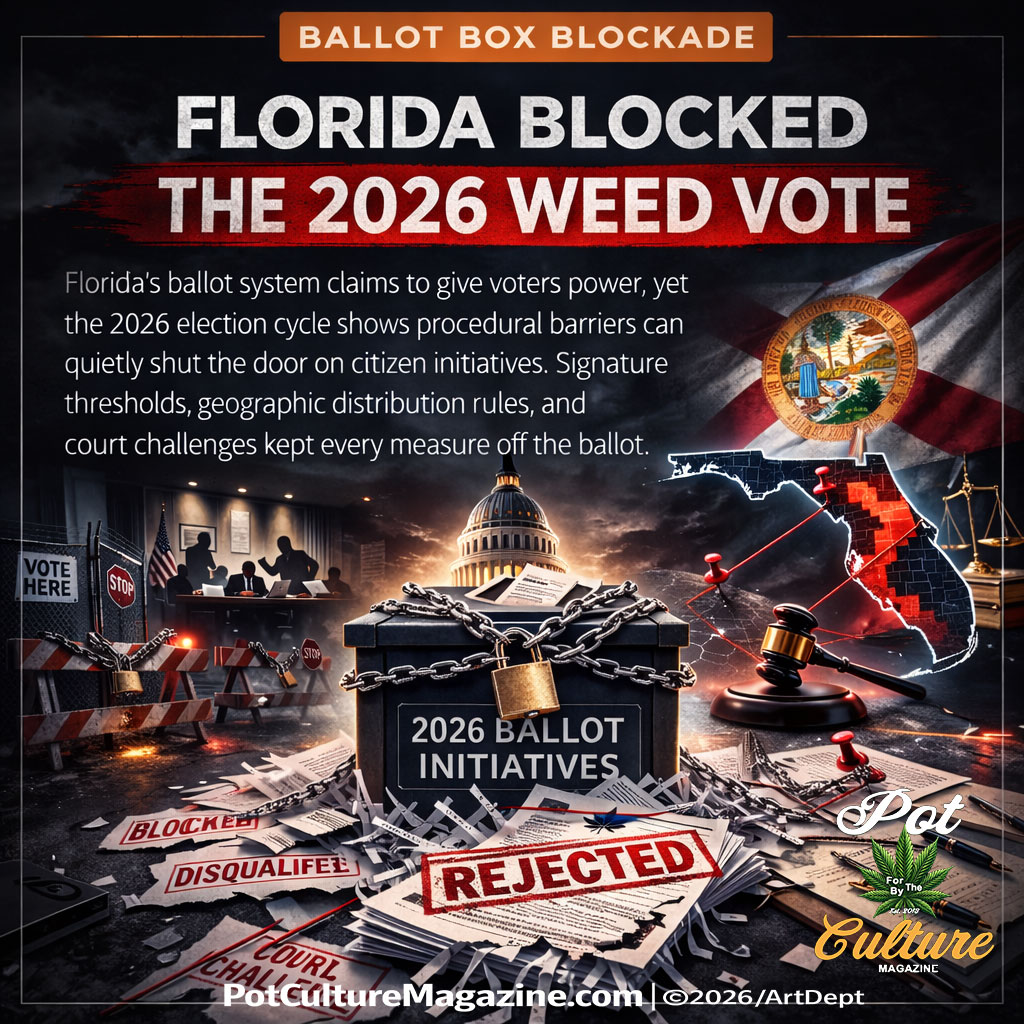
Florida Blocked the 2026 Weed Vote
Florida’s ballot system claims to give voters power, yet the 2026 election cycle shows how procedural barriers can quietly shut the door on citizen initiatives. Signature thresholds, geographic distribution rules, and court challenges blocked every measure from reaching voters, revealing how cannabis legalization fights are often decided by bureaucratic design long before election day.
advertisement
Here’s the twist Washington never saw coming. By legalizing hemp and tying legality only to delta-9 THC, they left a back door wide open. Chemists started converting hemp-derived CBD into other compounds. Delta-8. Delta-10. HHC. THC-O. Each intoxicating, each technically legal under the 0.3 percent delta-9 limit. Suddenly, you could walk into a smoke shop in Texas or Kentucky, states still hostile to cannabis, and buy gummies that got you lit. A whole underground-above-ground market exploded. Hemp was no longer just CBD oil for soccer moms. It was weed’s shadow twin, running wild in the very states that fought legalization the hardest.
The DEA scrambled. State legislatures scrambled. Congress mumbled about closing loopholes. But the fact remained: hemp had slipped the leash. America had legalized weed through a technicality. Now lawmakers want to stuff it back into the cage. Proposals to redefine hemp to include all intoxicating cannabinoids are piling up. Lobbyists scream about protecting children from gummies. Meanwhile, the real story is simple. Prohibitionists lost control of the narrative, and they cannot stand it.
The ones left holding the bag are the farmers. They were promised a billion-dollar crop. They got a minefield. Seeds do not always breed true. Weather changes cannabinoid content. A heat wave, a cold snap, a late harvest, and suddenly your hemp tests hot. You lose the crop. If you are lucky, you lose just the crop. If unlucky, you gain a criminal record. The USDA issues rules, the states enforce them, and the DEA watches from the shadows. Farmers are forced to operate like chemists, constantly sampling, praying the test results don’t cross the invisible line. One decimal place can make the difference between a legal harvest and an appointment with the sheriff. This is not agriculture. It is a rigged casino where the house always wins.
Descheduling hemp was not the government growing a conscience. It was a compromise, a carve-out, a way to keep the wall against cannabis standing while opening a small window for industry. Washington loves hemp because it looks harmless. Hemp rope. Hemp shirts. Hempcrete. It is the good cannabis, the non-threatening cousin. By legalizing hemp, politicians could pretend they were progressive while still criminalizing the culture that carried the plant through decades of raids and prisons.
But hemp has a way of reminding people of its family. Farmers discovered it grows like a weed because it is weed. Consumers discovered CBD soothes because it interacts with the same system as THC. Chemists discovered cannabinoids are a playground of conversion. The wall is crumbling from within. The next few years will decide hemp’s fate. Congress is considering amendments that would redefine hemp to outlaw intoxicating hemp products. States are passing patchwork bans, from gummies to vapes. The FDA is still refusing to regulate CBD as a supplement. What does that mean? Another cycle of criminalization, raids, and corporate consolidation. Big players with lawyers and labs will survive. Small farmers, small brands, small shops will be crushed. The same story cannabis has lived for decades is playing again, only this time in the field of hemp. Descheduling was a headline. The fine print was always a prohibition in a new costume.
The federal government did not free hemp. It traded one set of shackles for another. Hemp may be off the Controlled Substances Act, but it is not free in practice. It is policed by THC math, smothered by FDA silence, and strangled by state bans. The outlaw truth is clear. Hemp slipped through the cracks and forced America to confront the absurdity of prohibition all over again. The plant is teaching the same lesson it always has. You cannot regulate nature into submission. The only real solution is full cannabis freedom. Until then, every farmer, every consumer, every outlaw is playing a rigged game. And like always, the government smiles while it stacks the deck.
©2025 Pot Culture Magazine. All rights reserved. This content is the exclusive property of Pot Culture Magazine and may not be reproduced, distributed, or transmitted in any form or by any means without prior written permission from the publisher, except for brief quotations in critical reviews.
F O R T H E C U L T U R E B Y T H E C U L T U R E
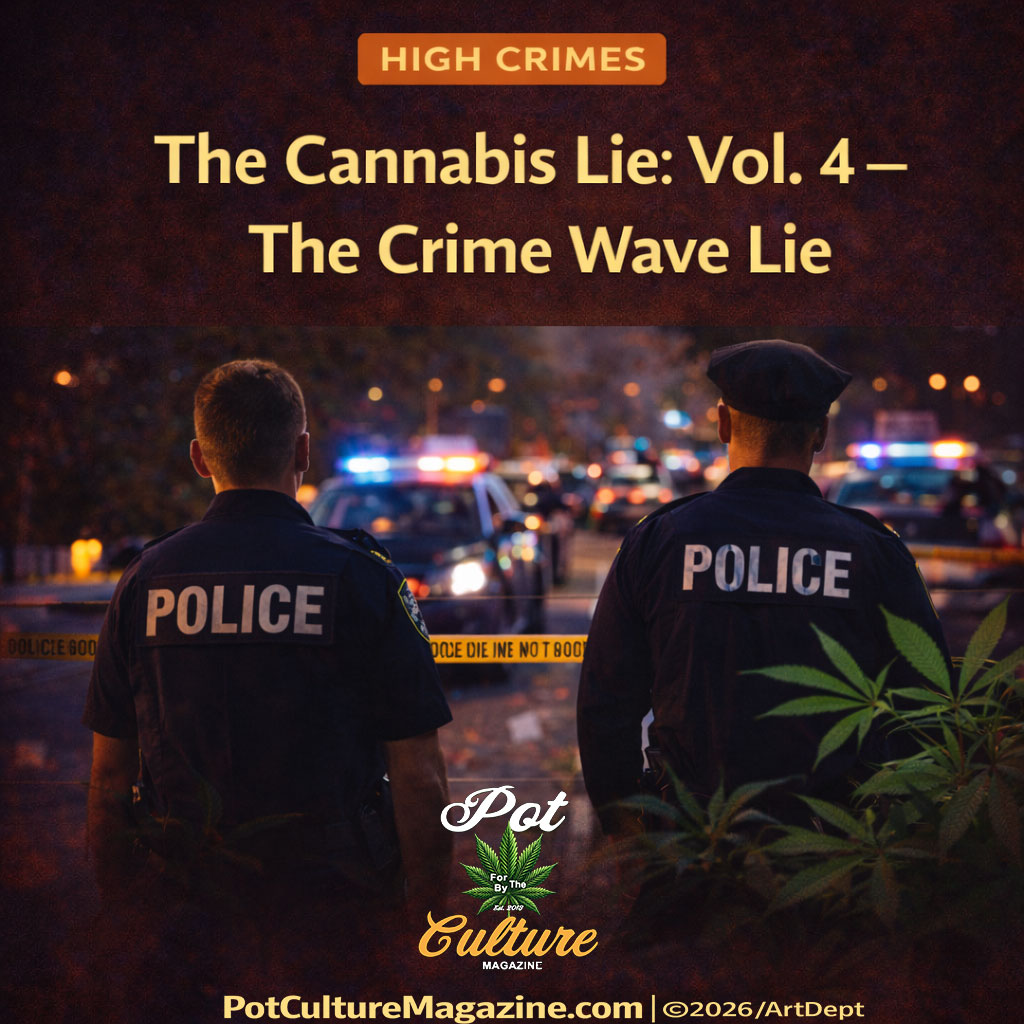
The Cannabis Lie: Vol. 4 — The Crime Wave Lie
Politicians and pundits warned that legal cannabis would unleash a crime wave. The data tell a different story. From Colorado’s violent crime trends to DOJ time-series research and statewide arrest declines, the evidence shows no consistent long-term surge tied to legalization. The numbers never matched the panic.
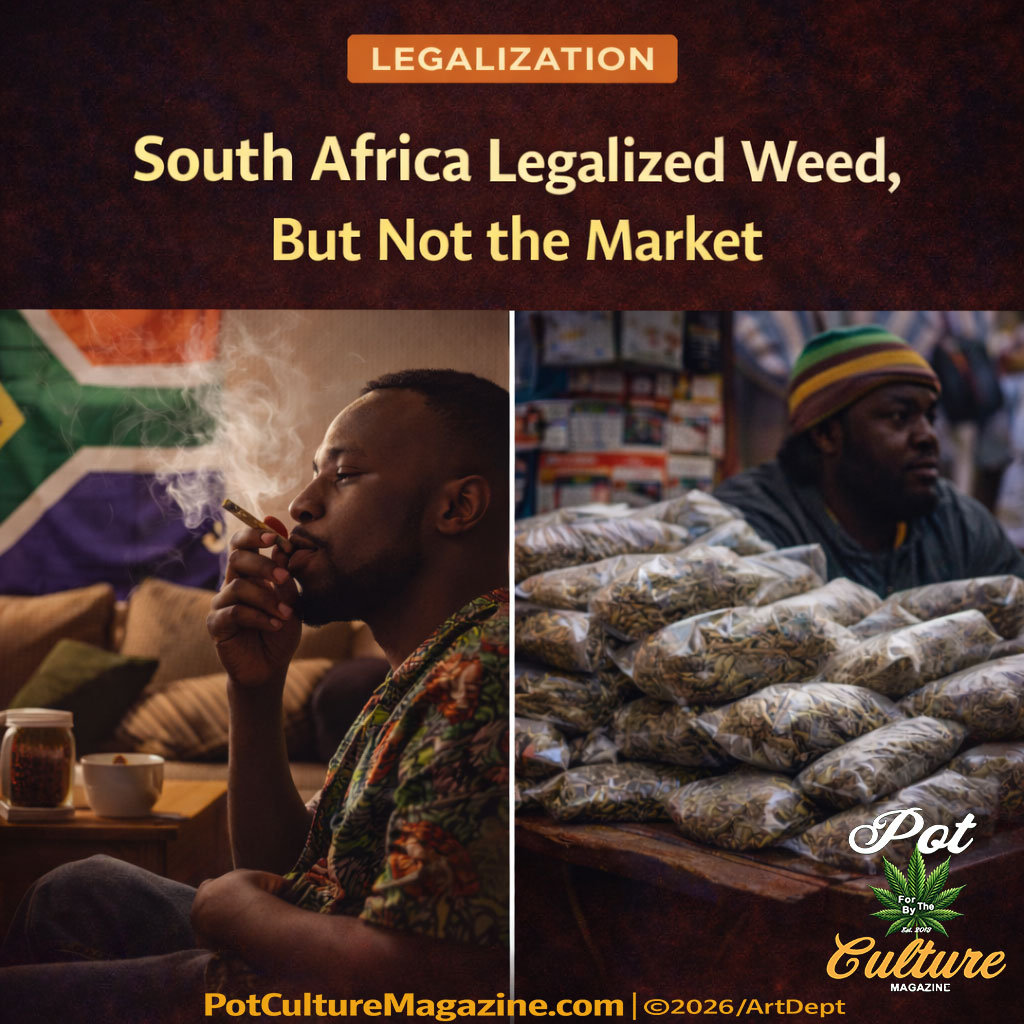
South Africa Legalized Weed, But Not the Market
South Africa recognized private adult cannabis use and home cultivation, but never built a legal domestic market around them. With buying and selling still largely outside the law, the illicit trade remains dominant while regulators scramble to set limits, draft rules, and prepare a broader Cannabis Bill that could finally address commerce.
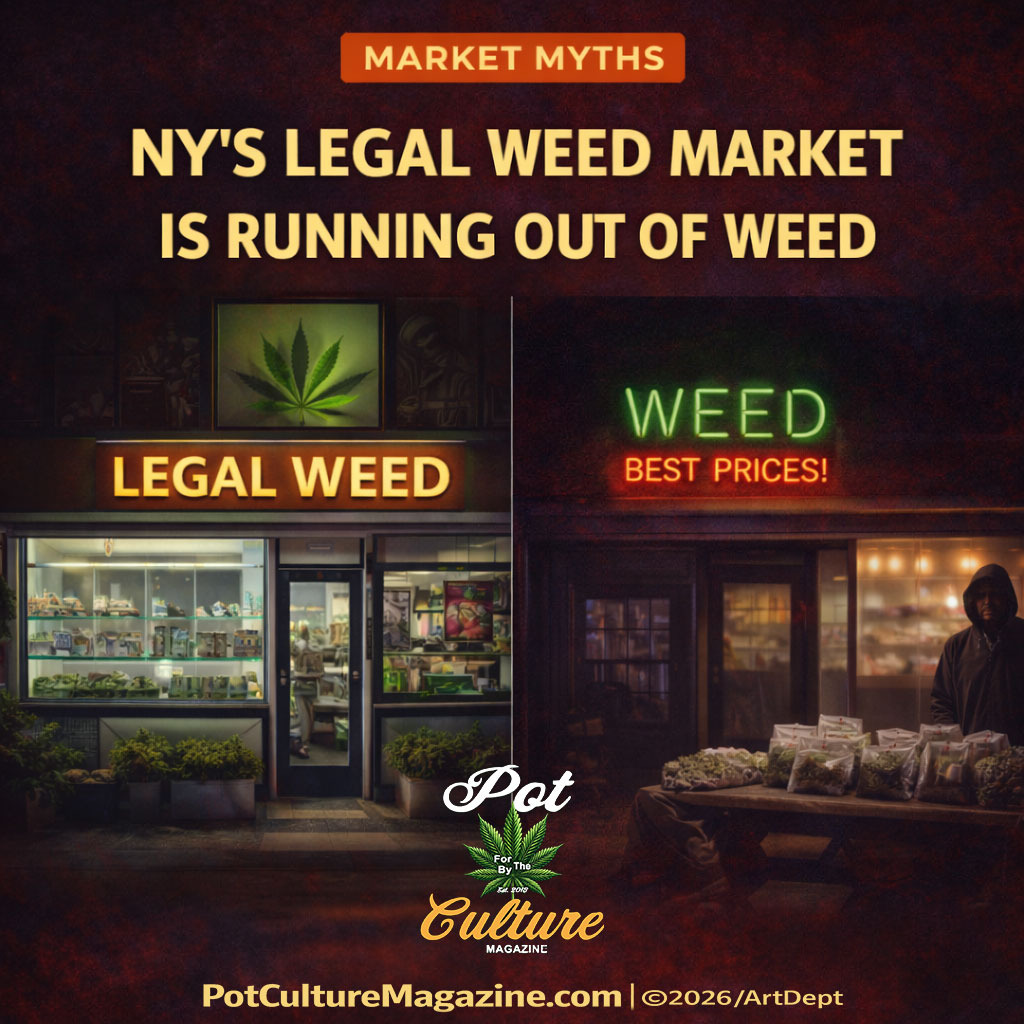
NY’s Legal Weed Market Is Running Out of Weed
New York legalized cannabis and opened hundreds of stores, but regulators now warn the legal market may not produce enough weed to keep them stocked. With nearly 600 stores open and sales nearing $3 billion, the state is discovering that legalization alone does not guarantee a functioning market.
Discover more from POT CULTURE MAGAZINE
Subscribe to get the latest posts sent to your email.

Leave a comment