Filed Under: Driving While Legal

The American road is haunted by a lie. It is a lie so old and so deeply embedded in the culture that people take it for truth. It is the idea that if a cop pulls you over and a lab finds THC in your blood, you must be impaired. That you are a danger on the road. That you are guilty. It is a lie because science says otherwise, and now we have the data to prove it. The war on cannabis drivers is not about safety; it is about control.
Scientists at the Center for Medicinal Cannabis Research (CMCR) at UC San Diego just published the largest study of its kind, putting the hammer down on this lazy assumption. Nearly 200 cannabis users sat in driving simulators after abstaining for 48 hours or more. They were compared with a control group of sober non-users. The results could not be clearer. There was no difference in driving performance between the regular cannabis users and the people who had never smoked a joint in their lives. The heaviest smokers, the ones who reported four joints a day, drove just as well as the control group after a 48-hour break. No weaving, no lane drift, no danger. Yet under the laws of more than half the country, those same people would be cuffed, booked, and hit with life-wrecking charges if a cop found THC in their blood.
That is the scam. THC is not alcohol. You cannot measure it like you measure a breath full of beer fumes. THC lingers in the body long after the high is gone. Studies going back twenty years have shown metabolites can be detected in urine for weeks and in blood for days. A sober driver can carry THC in their blood and drive perfectly, but the law still says guilty. That is not justice. That is prohibition hiding behind a badge.
The UC San Diego study, published in Psychopharmacology this month, is a shot across the bow. The lead researcher, graduate student Kyle Mastropietro, was blunt. There was no connection between driving performance and blood THC levels, nor between impairment and use history. Senior author Thomas Marcotte, professor of psychiatry at UC San Diego, said it outright. Using THC blood concentrations as a marker of impairment is not justified. The data show the system is broken.
But will the courts and cops listen? History says no. Legislatures have leaned on junk science for decades, pushing per se THC limits like Colorado’s five nanograms per milliliter rule. That number is a political compromise, not a scientific truth. The National Highway Traffic Safety Administration (NHTSA) admitted years ago that no clear correlation exists between THC concentration and impairment. Yet the laws remain on the books. Judges keep rubber-stamping them. Innocent drivers keep losing licenses, jobs, and custody of their kids.
The hypocrisy becomes sharper when you look at alcohol. The blood alcohol concentration limit of 0.08 was set because research tied that level directly to impairment. It is not perfect, but it is rooted in data. THC laws are not. They are written by fearmongers and enforced by prosecutors who build careers on easy convictions. Meanwhile, alcohol kills over 10,000 people a year on American roads. Cannabis is a scapegoat in comparison. The science is undeniable. The latest federal data show alcohol is present in about 30 percent of all traffic deaths. Cannabis alone rarely tops five percent, and when it does appear, it is usually alongside alcohol or other drugs. Yet the hammer falls hardest on cannabis drivers.
The UC San Diego findings join a growing pile of evidence. A 2019 meta-analysis by the National Academies found inconsistent links between cannabis use and crash risk, noting that many studies were confounded by alcohol. A 2022 Canadian government report concluded that roadside saliva tests are unreliable and risk punishing sober drivers. Even the Congressional Research Service has acknowledged that per se THC limits are not scientifically defensible. But statehouses keep doubling down. Michigan debated a zero-tolerance rule. Nevada raised its per se limit to two nanograms. Pennsylvania is still arresting drivers for metabolites alone.
This is not science. It is politics. And politics loves an easy villain. Cops and prosecutors love it too, because cannabis DUIs are quick collars and easy wins. Labs cash checks, running blood samples. Politicians write press releases about cracking down on impaired driving. Everyone eats but the drivers, who get chewed up by the system.
The absurdity plays out in real lives. A medical cannabis patient in Arizona smokes legally at night for pain, drives to work sober the next morning, gets rear-ended at a stoplight, and suddenly, he is facing DUI charges because blood tests show residual THC. His boss sees the arrest in the paper. His insurance spikes. His custody case with his ex goes sideways. All while the driver who hit him blows clean on alcohol and walks away. This is happening every day.
The courts are beginning to notice. In 2019, the Michigan Supreme Court threw out a THC DUI case, citing a lack of evidence that metabolites equated to impairment. In Washington State, defense attorneys have won cases by bringing in expert witnesses to challenge the junk science of nanogram limits. Even the Colorado Department of Public Safety has admitted its per se law is shaky. But progress is slow, and for every case that gets dismissed, dozens more end in guilty pleas because people cannot afford to fight.
The new UC San Diego study should have been a front-page story. Instead, it landed quietly in an academic journal while the fear machine kept rolling. CNN and local news stations love to run stoned driver scare stories, complete with B-roll of teenagers hitting bongs in cars. They never run the data showing that sober cannabis users are no more dangerous on the road than anyone else. They never talk about the insurance companies lobbying to keep per se laws alive. They never mention the cottage industry of court-ordered rehab programs profiting off false convictions.
The scam works because fear sells. Mothers Against Drunk Driving (MADD) and similar groups pivoted to cannabis as alcohol deaths plateaued. Law enforcement agencies hungry for federal grants learned to talk about marijuana impairment in the same breath as fentanyl. State lawmakers desperate to look tough on drugs ignored the science. And so the machine grinds on, chewing up regular people while pretending to protect them.
But cracks are showing. The National Institute of Justice ran a driving simulator study in 2021 and concluded that blood THC levels were poor predictors of impairment. Canada, which legalized cannabis nationwide in 2018, has struggled to enforce THC driving laws and quietly admitted the science is weak. Even the AAA Foundation for Traffic Safety has urged policymakers not to rely on per se limits. When lobbyists for alcohol companies are the loudest voices demanding THC limits, you know something is rotten.
advertisement
F O R T H E C U L T U R E B Y T H E C U L T U R E
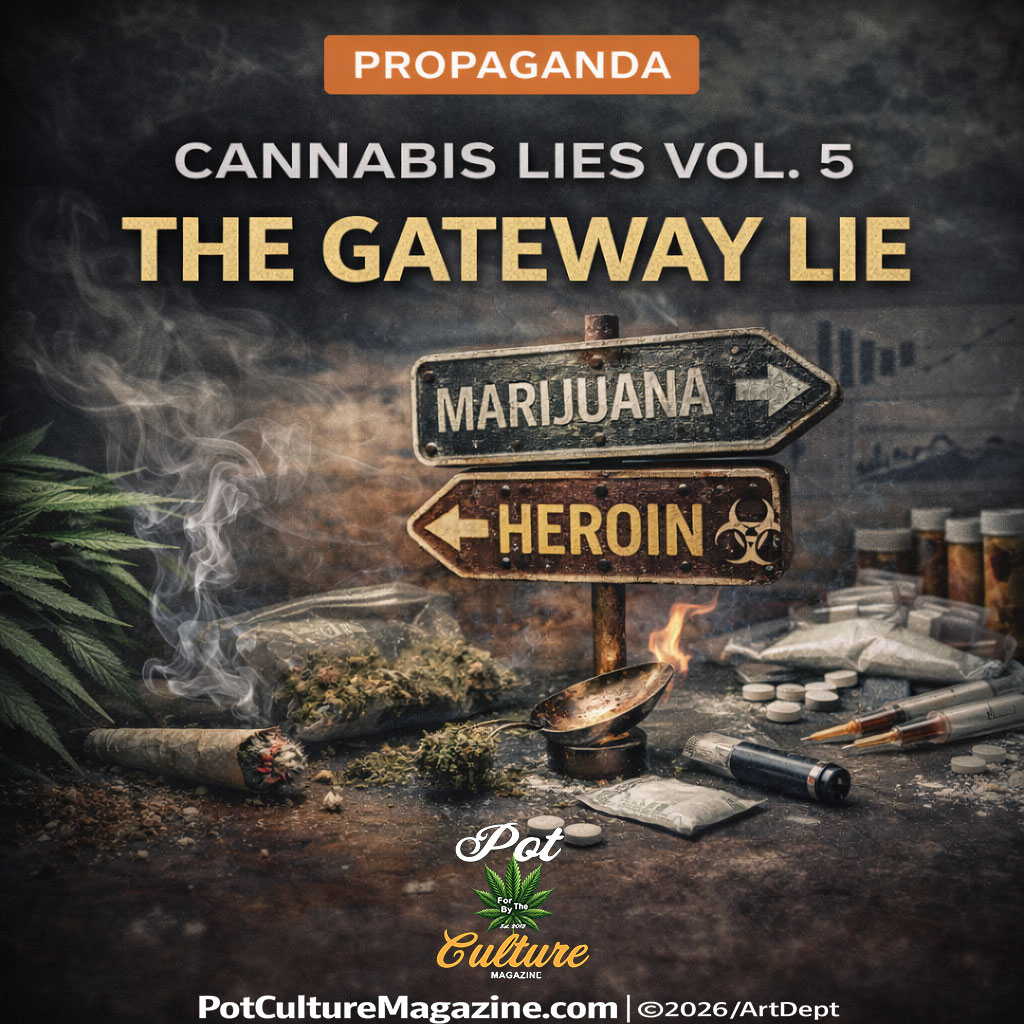
CANNABIS LIES Vol. 5: The Gateway Lie
For decades, politicians have claimed marijuana is a gateway to heroin and harder drugs. Federal youth surveys, NSDUH data, and NIDA’s own language tell a different story. Cannabis use is widespread, hard drug use remains rare, and most users do not progress. The data dismantles one of prohibition’s most durable fear narratives.

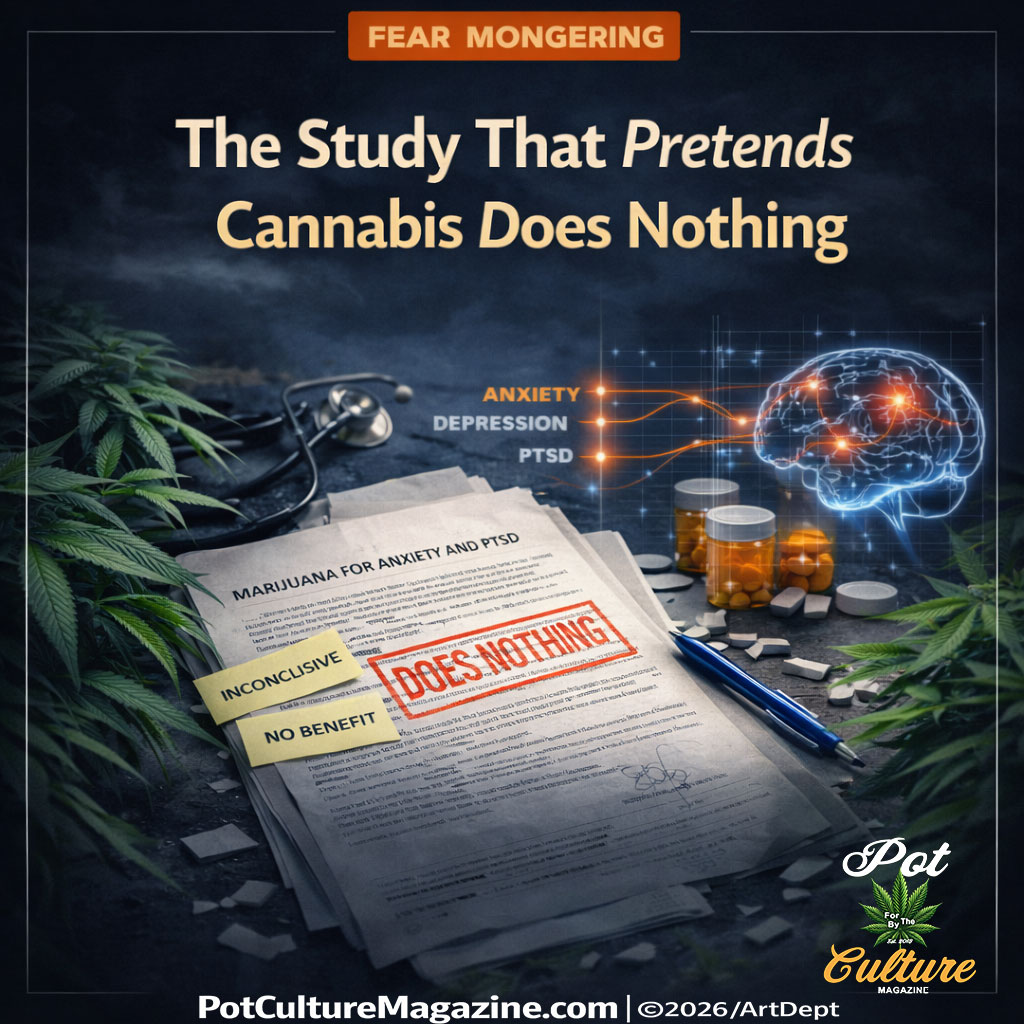
The Study That Pretends Cannabis Does Nothing
A new cannabis study claims marijuana does nothing for anxiety, depression, or PTSD. The reality is far more complicated. Decades of federal restrictions, limited research access, and synthetic substitutes have shaped the science. This breakdown exposes how incomplete data and selective interpretation continue to drive misleading headlines about cannabis and mental health.
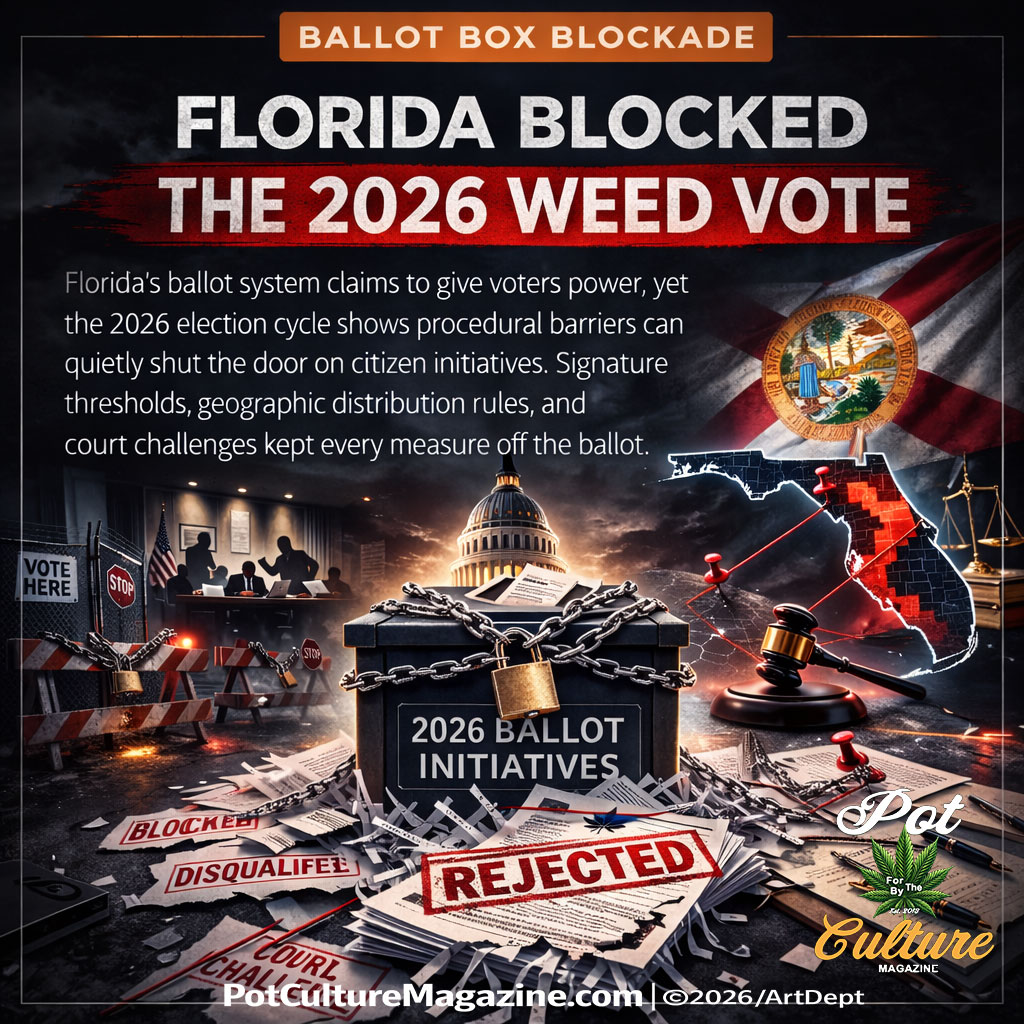
Florida Blocked the 2026 Weed Vote
Florida’s ballot system claims to give voters power, yet the 2026 election cycle shows how procedural barriers can quietly shut the door on citizen initiatives. Signature thresholds, geographic distribution rules, and court challenges blocked every measure from reaching voters, revealing how cannabis legalization fights are often decided by bureaucratic design long before election day.
advertisement
The UC San Diego researchers were cautious in their wording, but the outlaw truth is clear. The system is rigged. THC per se laws are not about safety; they are about control and profit. They are about keeping cannabis in the penalty box even as legalization spreads. They are about reminding users that no matter how free the plant becomes, they can still be branded criminals with a single traffic stop.
It is time to flip the script. If America wants to talk about road safety, start with alcohol. Start with the opioid epidemic that leaves drivers nodding out at stop signs. Start with the sleep deprivation epidemic fueled by wage slavery and gig work. Start with the SUV craze that has turned every fender-bender into a fatality. Stop scapegoating cannabis. Stop criminalizing sobriety.
The outlaw cannabis community has always known this was bullshit. We have been pulled over, tested, and railroaded for years. What makes this moment different is the data. Hard numbers from respected institutions are piling up, saying what we have been screaming all along. THC in the blood does not equal impairment. Sober drivers are being framed by junk science. The law is broken, and it is time to fix it.
The fix is simple. Scrap per se THC limits. Train cops to recognize actual impairment, not metabolites. Use field sobriety tests that measure performance, not chemistry. Fund research that compares cannabis to alcohol in real driving conditions, not lab guesses. And most importantly, write laws that recognize science, not fear.
This is not a call for stoned driving. No one is saying it is safe to rip a dab and merge onto the freeway. This is a call for honesty. For fairness. For an end to laws that punish people who are sober, safe, and legal. The UC San Diego study is just the latest proof. If lawmakers ignore it, they are not protecting drivers. They are protecting their careers, their donors, and the corporations that profit from the scam.
Cannabis users already live under enough stigma. We should not have to fear that a cop with a needle and a lab tech with a contract can ruin our lives even when we are sober. The outlaw road ahead is clear. Keep fighting. Keep exposing the lie. Keep telling the truth loud enough that even the courts cannot ignore it.
Because every day that passes under these laws is another day, sober people are branded guilty. And that is the real crime.
©2025 Pot Culture Magazine. All rights reserved. This content is the exclusive property of Pot Culture Magazine and may not be reproduced, distributed, or transmitted in any form or by any means without prior written permission from the publisher, except for brief quotations in critical reviews.
F O R T H E C U L T U R E B Y T H E C U L T U R E
The Cannabis Lie: Vol. 4 — The Crime Wave Lie
Politicians and pundits warned that legal cannabis would unleash a crime wave. The data tell a different story. From Colorado’s violent crime trends to DOJ time-series research and statewide arrest declines, the evidence shows no consistent long-term surge tied to legalization. The numbers never matched the panic.
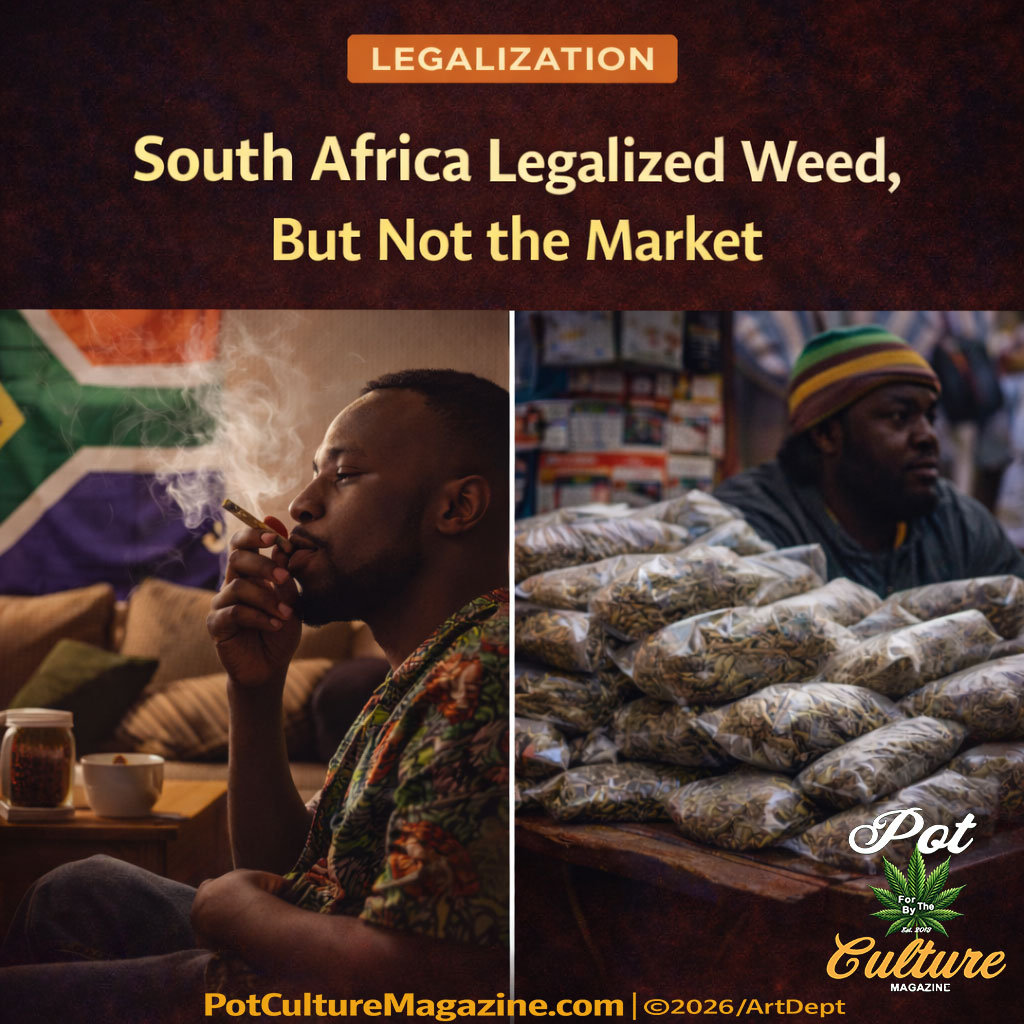
South Africa Legalized Weed, But Not the Market
South Africa recognized private adult cannabis use and home cultivation, but never built a legal domestic market around them. With buying and selling still largely outside the law, the illicit trade remains dominant while regulators scramble to set limits, draft rules, and prepare a broader Cannabis Bill that could finally address commerce.
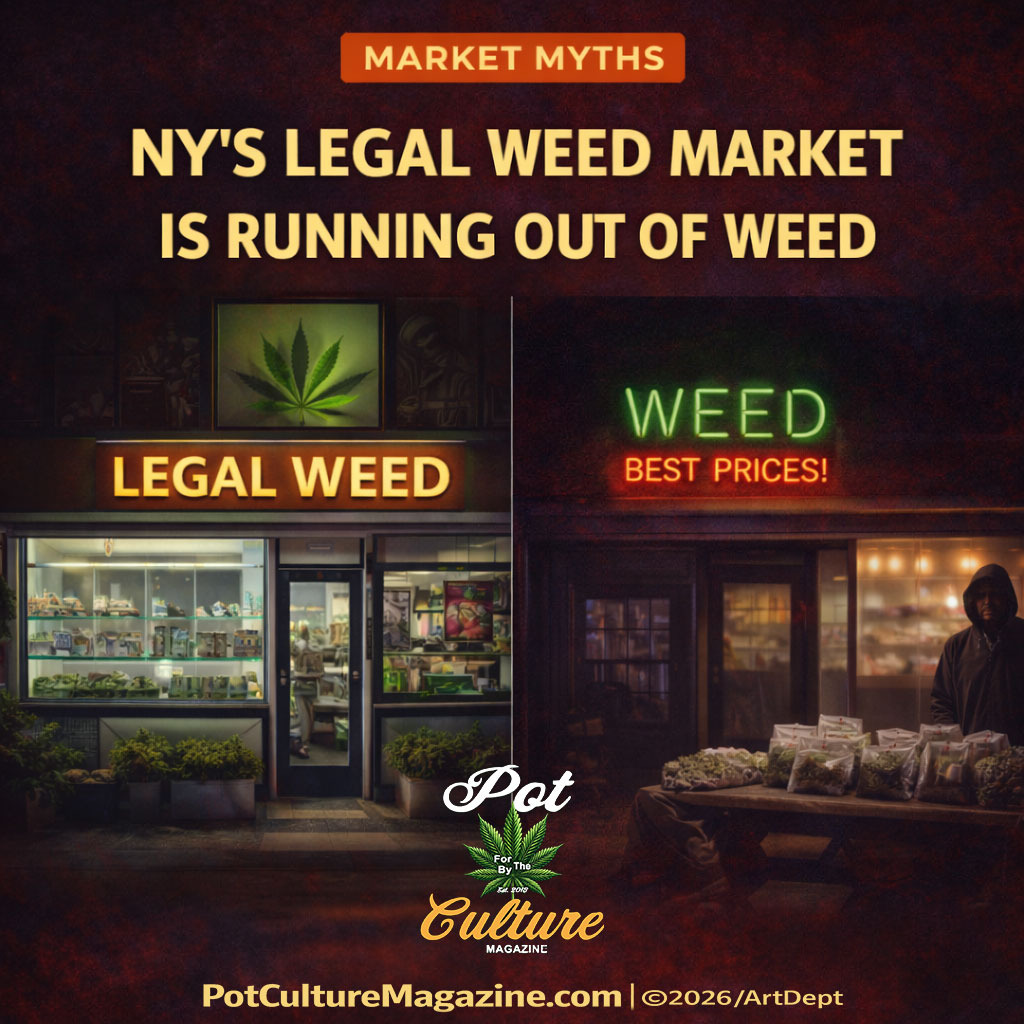
NY’s Legal Weed Market Is Running Out of Weed
New York legalized cannabis and opened hundreds of stores, but regulators now warn the legal market may not produce enough weed to keep them stocked. With nearly 600 stores open and sales nearing $3 billion, the state is discovering that legalization alone does not guarantee a functioning market.
Discover more from POT CULTURE MAGAZINE
Subscribe to get the latest posts sent to your email.

Leave a comment