10 Moments That Made Weed Culture What It Is
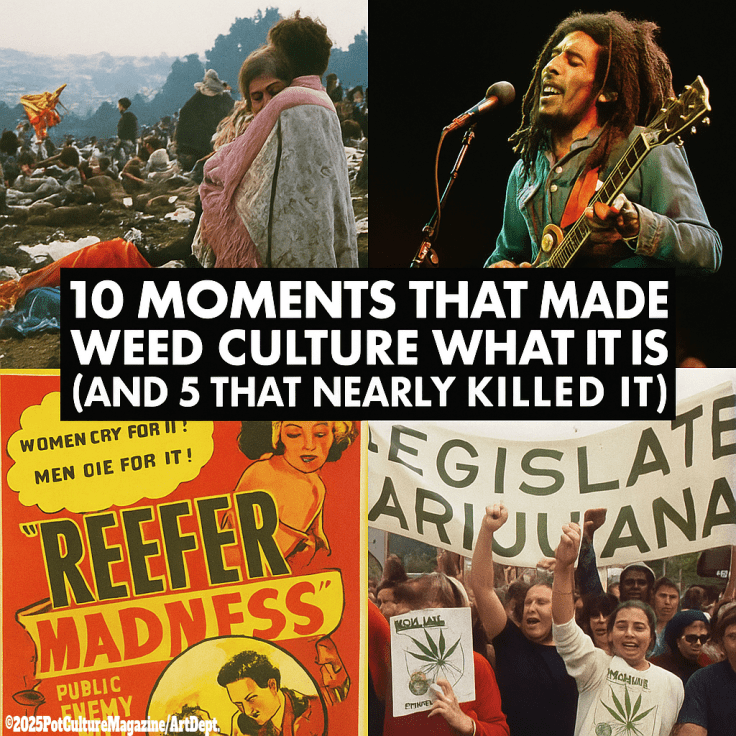

- 1967 – Summer of Love Gets Skunky: The late ’60s counterculture embraced marijuana as a symbol of peace and rebellion. In San Francisco’s 1967 Summer of Love and at Woodstock in 1969, hippies openly lit up, viewing cannabis as a natural, mind-opening sacrament. This era normalized ganja in youth culture and sparked activism – the National Organization for the Reform of Marijuana Laws (NORML) was founded in 1970 to fight prohibition.

- 1970s – The Reggae Revolution: In Jamaica, reggae artists like Bob Marley sang about “Kaya” and the “holy herb”, spreading Rastafarian views of ganja as a sacrament. Marley’s music globalized cannabis culture and linked it to anti-colonial resistance.
- 1974 – High Times Hits the Presses: Publisher Tom Forçade launched High Times magazine, initially a spoof of Playboy with centerfolds of buds. It became the “bible of weed culture” and sold 500,000 copies a month by 1977.

- 1978 – Up in Smoke Blazes into Theaters: Comedians Cheech & Chong brought stoner humor mainstream with Up in Smoke, the first true “stoner movie.” It grossed $44 million and kicked off the cannabis comedy genre.
- 1985 – Jack Herer’s The Emperor Wears No Clothes: Activist Jack Herer published this underground classic, documenting hundreds of uses for hemp and exposing the lies of prohibition. The book is credited with igniting the hemp revolution.
- 1988 – The First Cannabis Cup: High Times editor Steve Hager organized the inaugural Cannabis Cup in Amsterdam. What began as a small harvest festival grew into the Oscars of weed culture.

- 1991 – The Code “420” Goes Global: The term 420, coined by the Waldos, spread globally after High Times published their story in 1991. April 20 became an international stoner holiday, with massive smoke-outs from San Francisco’s Golden Gate Park to London’s Hyde Park.
- 1996 – Medical Marijuana Goes Legit: California’s Proposition 215 made it the first U.S. state to legalize medical marijuana. This landmark shift inspired other states to follow suit.
- 2012 – The Legalization Era Begins: Voters in Colorado and Washington legalized recreational cannabis, opening the floodgates for a wave of reform across the United States.
- 2010s – Cannabis Conquers Countries: Uruguay became the first country to legalize marijuana in 2013, followed by Canada in 2018. These moves cemented cannabis as a global industry.
FOR THE CULTURE BY THE CULTURE

CANNABIS LIES Vol. 5: The Gateway Lie
For decades, politicians have claimed marijuana is a gateway to heroin and harder drugs. Federal youth surveys, NSDUH data, and NIDA’s own language tell a different story. Cannabis use is…


The Study That Pretends Cannabis Does Nothing
A new cannabis study claims marijuana does nothing for anxiety, depression, or PTSD. The reality is far more complicated. Decades of federal restrictions, limited research access, and synthetic substitutes have…
5 Moments That Nearly Killed It
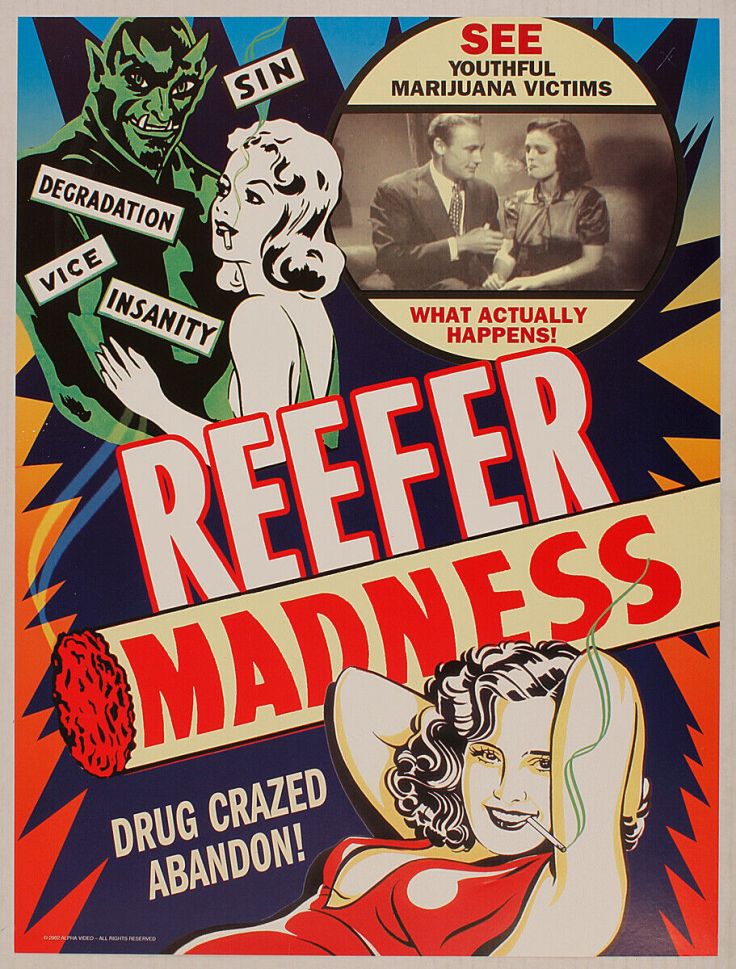
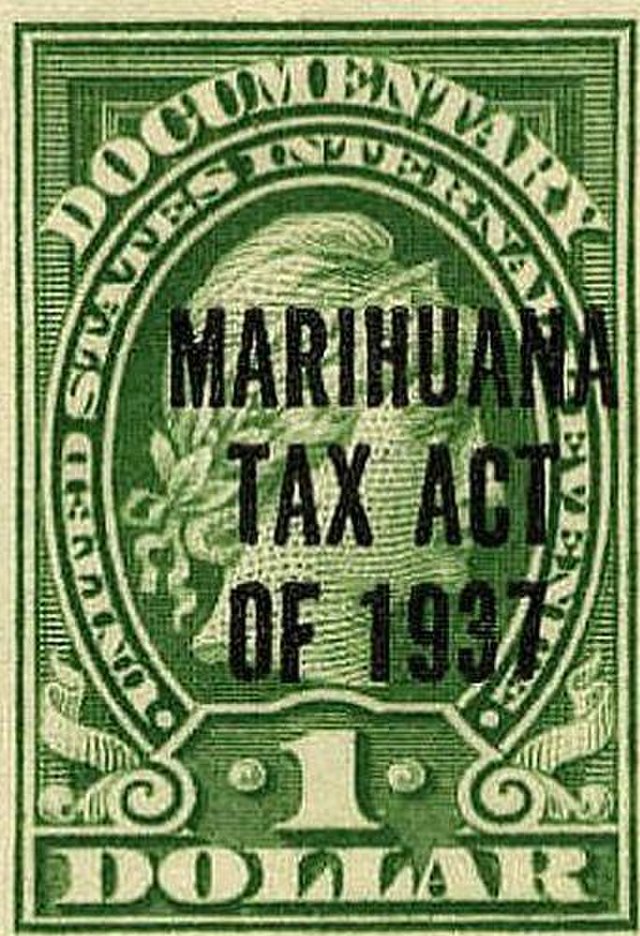
- 1930s – Reefer Madness Propaganda: The racist, sensationalist campaign led by Harry Anslinger and fueled by William Randolph Hearst culminated in the Marihuana Tax Act of 1937.
- 1970 – Nixon Declares War on Pot: The Controlled Substances Act made marijuana a Schedule I drug, and Nixon ignored the Shafer Commission’s recommendation to decriminalize cannabis.
- 1980s – Just Say No: The Reagan era ramped up mandatory minimum sentences and poured millions into anti-cannabis campaigns like D.A.R.E..
- 2003 – Operation Pipe Dreams: The DEA’s Operation Pipe Dreams led to the arrest of comedian Tommy Chong for selling bongs.

- 2010s – The Big Green Corporate Grab: Tobacco giant Altria and beer conglomerate Constellation Brands invested billions in cannabis, sparking fears that Big Weed would crush the culture.
Through highs and lows, weed culture has proven as resilient as a hardy plant. For a deeper dive into one of cannabis culture’s architects, see Pot Culture Magazine’s profile of Steve Hager, the visionary High Times editor who helped create 420, the Cannabis Cup, and more.
Discover more from POT CULTURE MAGAZINE
Subscribe to get the latest posts sent to your email.

Leave a comment