Filed Under: Cannabis Cosplay

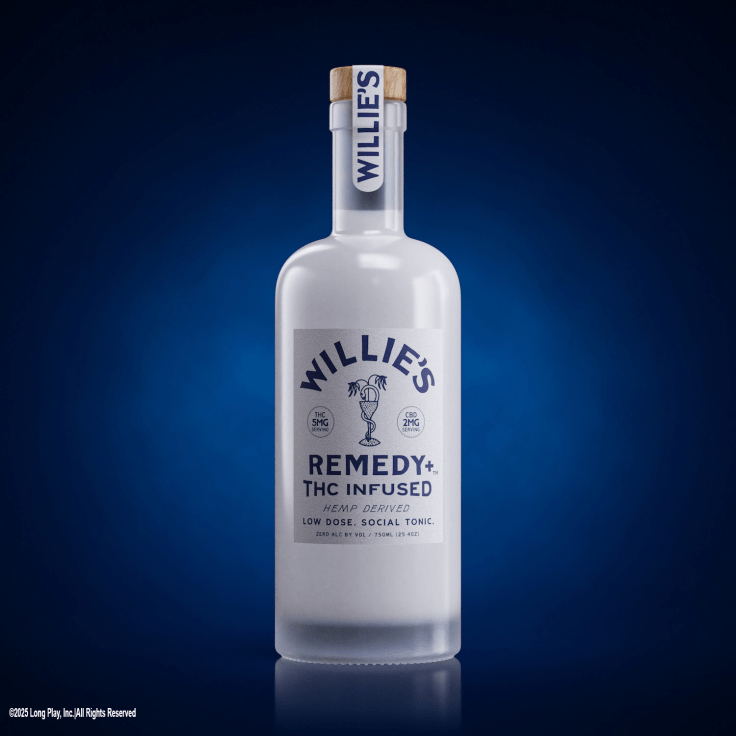
Willie Nelson’s face is on the can, but the weed isn’t in it. That should tell you everything.
The new “Willie’s Remedy” hemp drinks are riding high on outlaw nostalgia, but the actual product is low dose, low risk, and legally neutered. Two milligrams of THC if you’re lucky, five if you splurge. All of it derived from hemp, not cannabis. All of it is legal under a federal loophole that says THC is fine, as long as it comes from a plant with the right bloodline.
And you’re paying real money for it. A four-pack of Willie’s tonics runs close to twenty bucks. That’s five dollars per can for a dose that wouldn’t get your grandma giggling. In California, that same twenty bucks gets you an actual eighth of flower from a licensed dispensary. If this were the street, Willie would be getting his ass kicked for pulling that kind of scam. In the culture that raised him, low dose and high price is a one-way ticket to getting your stash stomped.
This isn’t weed. It’s a workaround. And calling it legalization is a lie.
When Congress passed the 2018 Farm Bill, they legalized hemp by defining it as cannabis containing less than 0.3 percent delta-9 THC by dry weight. That single clause cracked open a tunnel beneath the still-standing fortress of federal cannabis prohibition. Suddenly, if you could extract delta 9 THC from hemp legally grown under the bill’s guidelines, you could sell it in states that hadn’t legalized marijuana at all.
Companies jumped. Some got scrappy, others got slick. Hemp-derived THC was isolated, emulsified, and stuffed into gummies, vapes, tinctures, and eventually, drinks. These products skirted cannabis regulations entirely. No state licensing. No dispensary requirement. No seed-to-sale tracking. No taxes that fund social equity or addiction services.
It was cannabis commerce without cannabis law. And the beverage sector saw its chance.
Today, hemp-based drinks are being sold in gas stations, bodegas, health food stores, and boutique apothecaries from Mississippi to Missouri. The brands call it “legal weed” with a wink, but it’s really legal marketing built on a technicality.
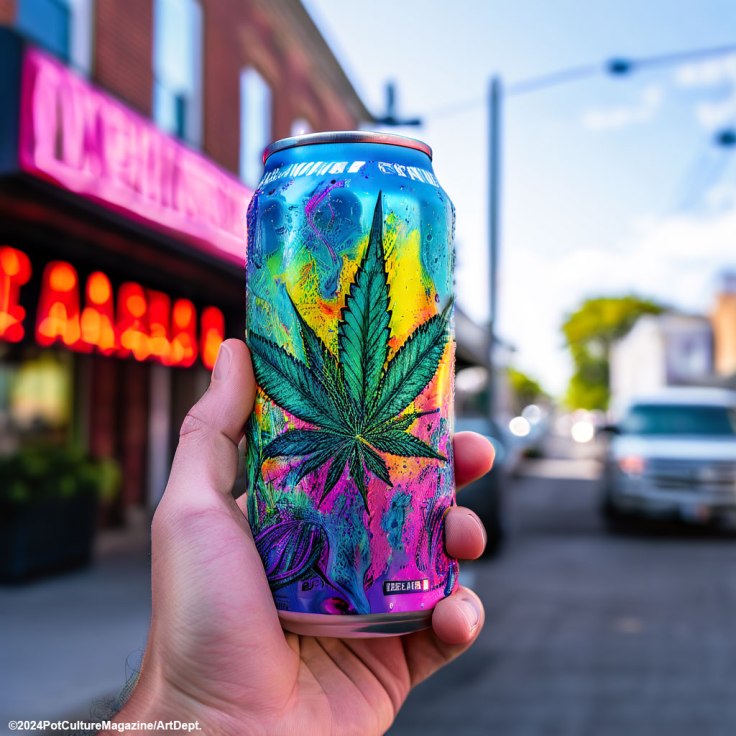
Let’s be clear. Hemp-derived drinks aren’t for stoners. They’re for the curious, the cautious, the “canna curious” crowd who want the illusion of cannabis without the full hit. Most of these drinks deliver two to five milligrams of THC. That’s a microdose to anyone with even casual weed experience. A whisper of euphoria, if you’re lucky. If your tolerance is real, it’s like drinking LaCroix for the flavor.
And they cost more than flowers. Willie’s four-pack goes for twenty bucks in some stores. Other brands push six dollars per can. For that price, you could grab a pre-roll, a gram of live resin, or a ten milligram gummy with actual effect. But the point isn’t potency. The point is palatability. These drinks are made to sit on shelves, not in dispensary safes. They’re built to appeal to people who wouldn’t set foot in a head shop but will toss something “hemp-infused” into a brunch order or a yoga bag.
This isn’t about access. It’s about optics.
The average consumer doesn’t know what emulsified THC is. They don’t ask if the product is nano or liposomal or if it’s heat stable. They see Willie’s name, read the word “relaxing,” and crack the can. But what’s inside deserves more scrutiny.
Many hemp drinks use emulsification technology to make THC water soluble and fast acting. Sounds impressive. But there are no federal standards requiring brands to disclose what emulsifier they use, how bioavailable it actually is, or how consistent the dosage remains over time. Some formulations degrade on the shelf. Others separate, turning into weird floaty soup. And nobody’s talking about the sugar alcohols, preservatives, or synthetic terpenes used to hide the taste of bitter extract.

Transparency is optional. Potency is cosmetic. But branding is bulletproof.
You’d think Nelson’s name would guarantee authenticity, but even “Willie’s Remedy” doesn’t tell you much beyond “hemp-derived” and “flavored.” Good luck finding lab results, terpene breakdowns, or traceability. You’re drinking a vibe. Not a product.
Not the cannabis community. Not the patients. Not the legacy growers or the people still behind bars for actual weed.
The winners are the beverage investors, the hedge funds, and the celebrity brand managers who figured out that hemp is the back door to weed’s commercial appeal without the political baggage. According to Headset, cannabis beverage sales hit nearly three hundred million dollars in twenty twenty four, with almost half of that coming from hemp based drinks sold outside regulated dispensaries. That number is growing fast, fueled by supermarket chains, wellness influencers, and states that outlaw flower but look the other way on hemp.
It’s not a revolution. It’s a rebrand. And the culture’s getting cut out of the check.
Take Texas. You can buy Willie’s drinks at boutique shops in Austin or over the counter in Dallas. But real cannabis? Still criminal. Minor possession charges carry jail time. Over twenty thousand Texans were arrested for marijuana possession in twenty twenty two, according to state law enforcement data.
And yet, the same state allows you to buy a THC-infused “social tonic” at a farmer’s market, as long as it’s under point three percent by dry weight and comes from hemp. The drink is legal, the plant is not. It’s a policy so hypocritical it reads like satire.
This isn’t harm reduction. This is harm deflection. It lets lawmakers and corporations claim progress without doing a damn thing to repair the damage of prohibition.
While wellness brands fill shelves with fruit-flavored placebos, the original cannabis economy is suffocating. Dispensaries in California are closing under the weight of taxes and overregulation. Social equity applicants in New York are still locked in legal battles over access. The farmers who supplied the underground market are being boxed out by corporate operators who never risked a thing.
Meanwhile, the hemp side needs none of the infrastructure. No background checks. No licensing schemes. No local approvals. And no concern for where the money goes. Most hemp brands couldn’t name a single cannabis prisoner, let alone advocate for one.
This is how culture gets stripped of its parts. The legacy is left to rot while the logo gets a spa treatment.
To be fair, none of this is strictly Nelson’s fault. He’s not formulating the drinks. He’s not lobbying for loopholes. He’s lending his name and image to a product line that fits the new market mold. Gentle, compliant, and shelf-ready.
But that’s what makes this even more frustrating. The symbol of rebellion has become the mascot for compliance. Not in spirit, maybe, but in practice.
And Willie isn’t alone. Seth Rogen, Mike Tyson, Travis Scott, Martha Stewart. All have their names on cannabis branded products, many of them hemp-based, many of them built to pass regulatory muster without carrying the culture with them. It’s cannabiz cosplay, and the costumes get flashier as the plant gets blander.
There’s a line in marketing that says If you can’t change the product, change the perception. That’s exactly what’s happened here. The product is weak. The laws are unjust. The access is fake. But slap a trusted face on it, splash some citrus, and call it progress.
If you want real cannabis culture, this isn’t it. If you want real reform, this isn’t even close.
And if you want a deeper cut on how long this deception has been running, our blog post The Oldest Weed Farm in America breaks it down. The federal government built a cannabis grow site during the War on Drugs and pretended it was science. It’s still running. And it’s still a farce.
The next time someone tells you cannabis is legal, hand them one of these drinks and ask if it tastes like freedom.
©2025 Pot Culture Magazine. All rights reserved. This content is the exclusive property of Pot Culture Magazine and may not be reproduced, distributed, or transmitted in any form or by any means without prior written permission from the publisher, except for brief quotations in critical reviews.
Discover more from POT CULTURE MAGAZINE
Subscribe to get the latest posts sent to your email.

Leave a comment