Filed Under: Schedule This
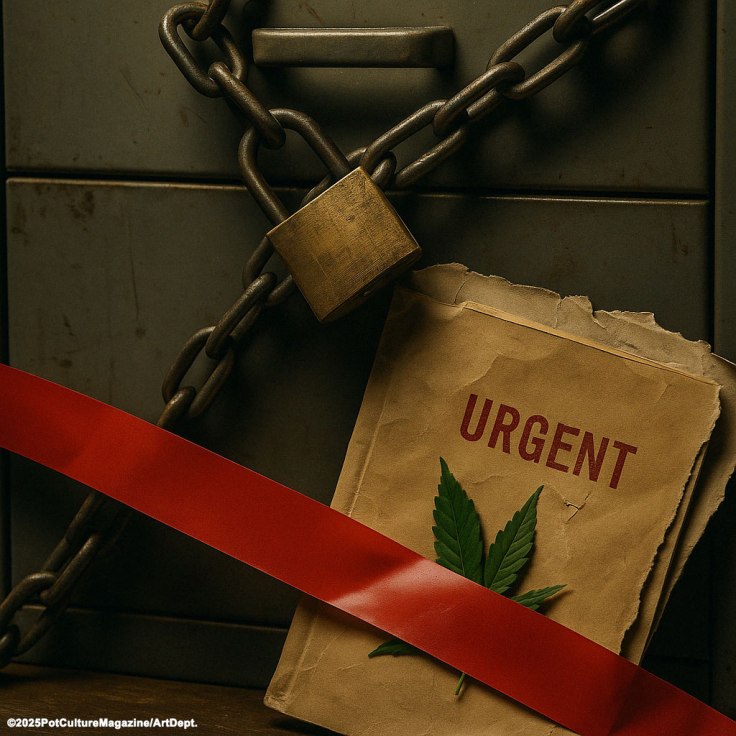
It has been nearly eight months since the Department of Health and Human Services recommended that cannabis be reclassified as a Schedule III substance. That recommendation was historic. The DEA’s response has been silence, procedural dodging, and delay tactics that stretch credibility.
More than 43,000 public comments have poured in, the overwhelming majority pushing for full descheduling. And yet, there is still no hearing date, no clear timeline, and no accountability. Instead of movement, we have a federal agency entrenched in bureaucratic inertia while the rest of the country moves forward without it.
This is not a scheduling debate. This is federal paralysis.
HHS Made the Call. DEA Is Stalling It.
On August 29, 2023, HHS formally recommended that cannabis be moved from Schedule I to Schedule III. The reasoning was clear. Cannabis has accepted medical use in the United States, and its abuse potential is significantly lower than substances that remain in Schedule I. This directly contradicted the DEA’s long-held stance.
The shift to Schedule III would not legalize cannabis, but it would remove the harshest federal penalties. The 280E tax burden on cannabis businesses would be lifted. Medical research would be easier to conduct. Prescriptions for synthetic THC formulations would have a smoother regulatory path. It would also undercut decades of legal justification for aggressive cannabis enforcement.
What it would not do is solve the racial inequities of prohibition or restore the rights of those still in prison. It is a partial fix. But still, a major one.
The DEA has done nothing with it.
The Legal Excuse Machine
In theory, the DEA must follow a process that includes a public comment period, internal review, and potential hearings before making a final scheduling decision. That public comment window closed with tens of thousands of submissions. Then came the stall.
To date, the DEA has not set a schedule for briefing or hearings on the matter. A related legal case involving the Interlocutory Appeal remains unresolved. Without that appeal being heard or scheduled, no administrative movement can occur.
This is how reform dies. Not in courtrooms. In delayed memos and unread inboxes.
HELP POT CULTURE MAGAZINE STAY ALIVE, AND INDEPENDENT
What the Delay Means in Real Terms
For researchers, the stall keeps cannabis in regulatory purgatory. Federal grants remain difficult to access. Clinical studies are still choked by red tape. Patients who rely on medicinal cannabis remain invisible in federal policy.
For dispensary owners and operators, the delay keeps them under punishing tax codes. Section 280E still applies. These businesses, already facing fierce market instability, continue to operate with none of the benefits that Schedule III status would provide. There is no tax relief. No banking reform. No legitimacy.
For the public, the delay sends a message. Science does not matter. Popular support does not matter. Reform can be recommended at the highest levels and still get buried by agency inaction.
Over Forty-Three Thousand Comments. Mostly Ignored
The DEA received over 43,000 public comments. That volume should trigger urgency. Instead, it triggered silence.
Many of those comments were coordinated by advocacy organizations, medical professionals, patient groups, and veterans’ coalitions. The themes were consistent. Move cannabis off Schedule I. Acknowledge its medicinal utility. Stop using outdated legal frameworks to deny care and criminalize users.
The DEA has not responded publicly to the content of those comments. There is no published summary. No outline of steps. No admission that public consensus exists. The people spoke. The agency shrugged.
A Political Tug of War
There is speculation that political optics are influencing the delay. The Trump administration has publicly taken a harder stance on cannabis, despite growing public support. Inaction from federal agencies serves the political interests that view drug policy reform as a wedge issue.
Behind closed doors, pharmaceutical lobbies, federal law enforcement unions, and private prison interests still wield power. Schedule III threatens their model. Delay benefits them.
The Culture Has Moved On. The Government Has Not.
Thirty-eight states have legalized cannabis in some form. Over half the adult population lives in a state where weed is legal. Corporate cannabis is a billion-dollar industry. Celebrities are selling flower. Major universities are launching cannabis research centers.
Meanwhile, the DEA is still pretending that cannabis belongs in the same legal category as heroin.
There is no coherent logic to this disconnect. There is only fear, influence, and inertia.
So What Happens Now?
Advocates continue to apply pressure. Lawsuits may be filed to force a response. Congressional allies may demand hearings or oversight. But the truth is that none of those strategies is guaranteed to work quickly.
The DEA holds the key. And for now, it is refusing to unlock the door.
Rescheduling was supposed to be a signal that science and policy could finally align. What we are seeing instead is a reminder that federal cannabis policy is not guided by facts. It is managed by people who benefit from keeping things broken.
Take Action
If you are tired of delays and political games, make your voice heard. Contact the DEA, your congressional representatives, and demand accountability.
- Submit comments and pressure the DEA here: https://www.dea.gov/submit-questions-and-comments
- Contact your House Representative: https://www.house.gov/representatives/find-your-representative
- Reach your Senator: https://www.senate.gov/senators/senators-contact.htm
Policy changes occur when enough people stop accepting the status quo. Be loud. Be informed. Be relentless.
© 2025 Pot Culture Magazine. All rights reserved.
This content is the exclusive property of Pot Culture Magazine and may not be reproduced, distributed, or transmitted in any form or by any means without prior written permission from the publisher, except for brief quotations in critical reviews.
F O R T H E C U L T U R E B Y T H E C U L T U R E
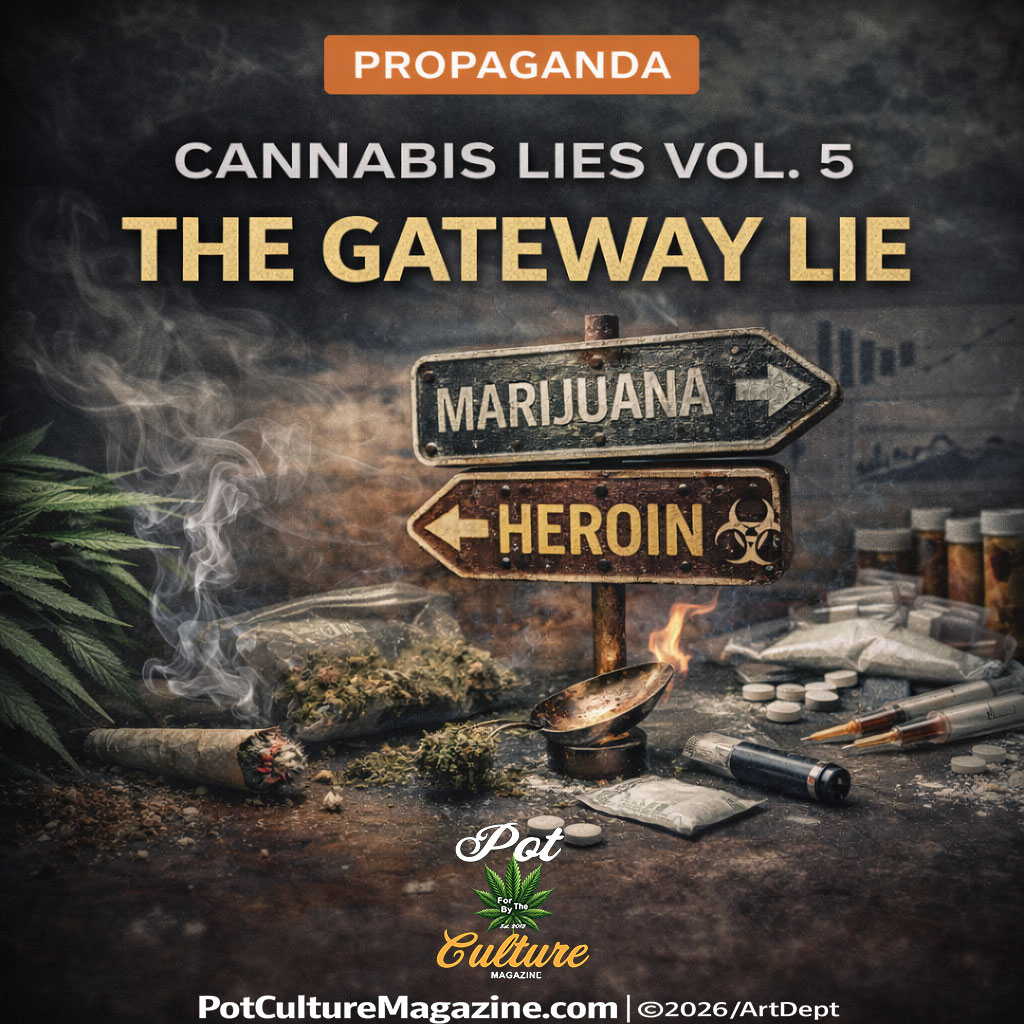
CANNABIS LIES Vol. 5: The Gateway Lie
For decades, politicians have claimed marijuana is a gateway to heroin and harder drugs. Federal youth surveys, NSDUH data, and NIDA’s own language tell a different story. Cannabis use is widespread, hard drug use remains rare, and most users do not progress. The data dismantles one of prohibition’s most durable fear narratives.

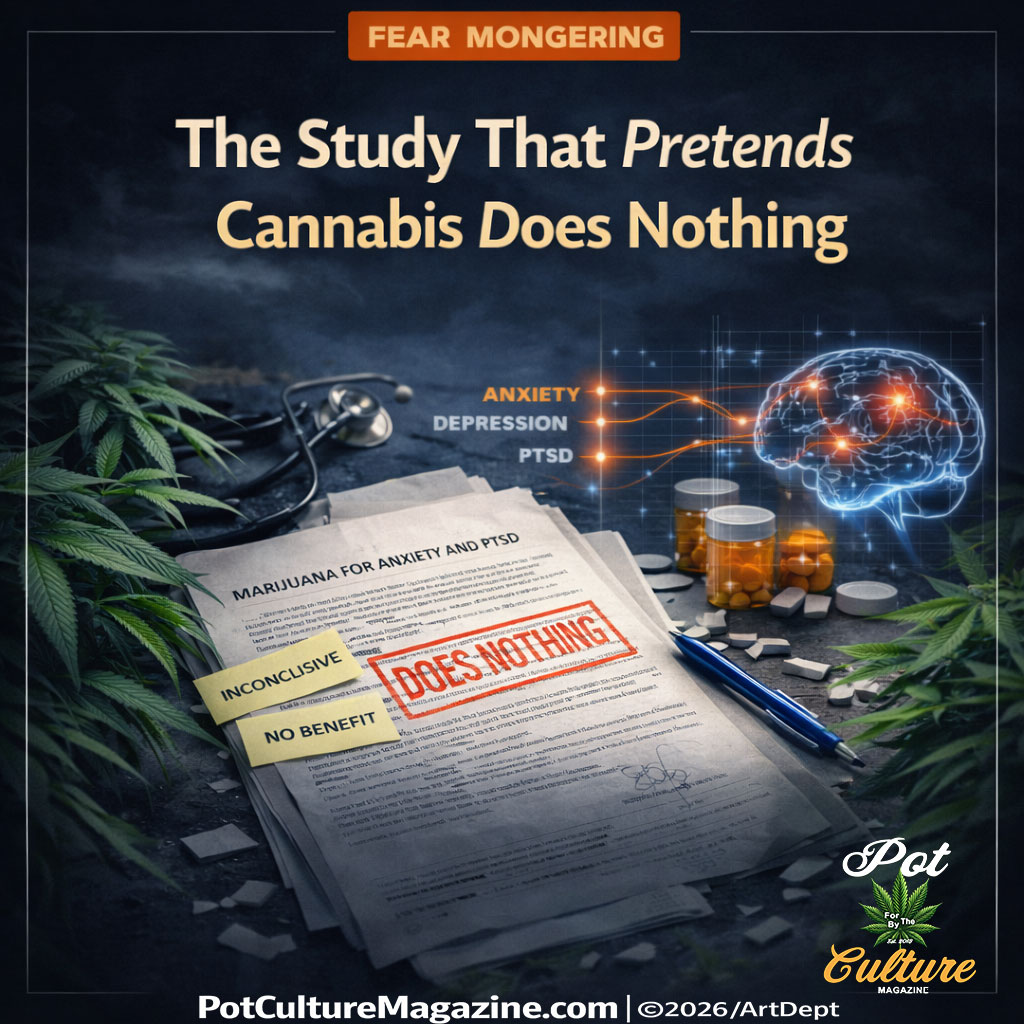
The Study That Pretends Cannabis Does Nothing
A new cannabis study claims marijuana does nothing for anxiety, depression, or PTSD. The reality is far more complicated. Decades of federal restrictions, limited research access, and synthetic substitutes have shaped the science. This breakdown exposes how incomplete data and selective interpretation continue to drive misleading headlines about cannabis and mental health.
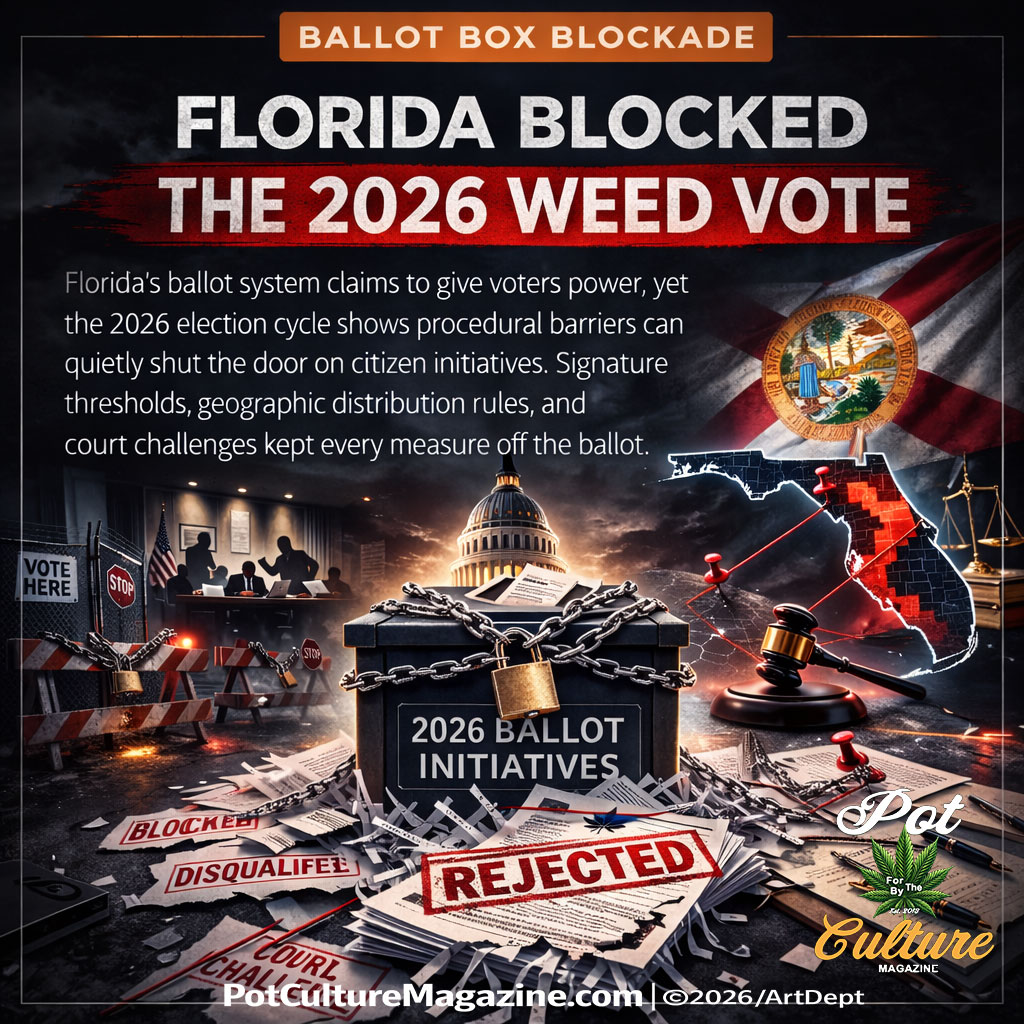
Florida Blocked the 2026 Weed Vote
Florida’s ballot system claims to give voters power, yet the 2026 election cycle shows how procedural barriers can quietly shut the door on citizen initiatives. Signature thresholds, geographic distribution rules, and court challenges blocked every measure from reaching voters, revealing how cannabis legalization fights are often decided by bureaucratic design long before election day.
Discover more from POT CULTURE MAGAZINE
Subscribe to get the latest posts sent to your email.

Leave a comment