Filed Under: Regulatory Affairs, Legal Developments, Cannabis Politics
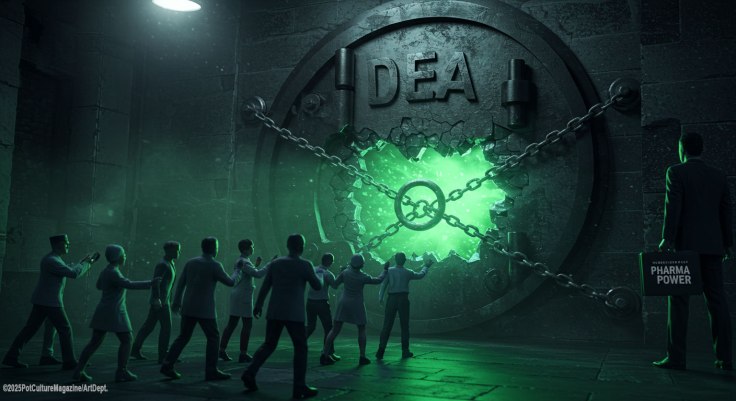
The DEA is still reviewing whether marijuana deserves to stay in Schedule I—a category reserved for drugs with “no accepted medical use” and a “high potential for abuse.” You know, like heroin.
Meanwhile, fentanyl is Schedule II. Methamphetamine? Schedule II. But marijuana? Still labeled more dangerous than crack cocaine. That’s not science—it’s sabotage.
A Long History of Delay and Denial

The DEA’s resistance goes back decades. Since 1972, reformers have been petitioning for marijuana to be rescheduled. Each time, the agency has responded with stall tactics, legal loopholes, and scientific gaslighting.
- In 1988, DEA Administrative Law Judge Francis Young ruled that marijuana should be moved to Schedule II, calling it “one of the safest therapeutically active substances known.” The DEA ignored its own judge.
- In 2016, the agency again rejected rescheduling—claiming there wasn’t enough evidence, even as states legalized medical use and peer-reviewed studies stacked up.
And now, after The U.S. Department of Health and Human Services HHS officially recommended rescheduling marijuana to Schedule III in 2023, the DEA is once again dragging its feet.
So What’s the Holdup Now?
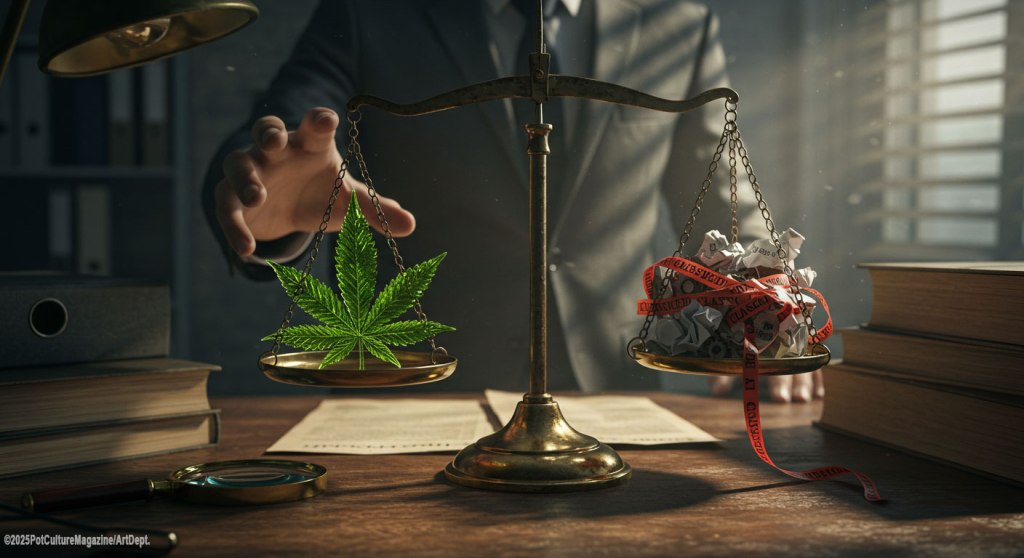
According to MarketWatch, DEA Administrator Anne Milgram testified before Congress in 2024, saying the agency is “still conducting its review.” But cannabis industry experts and reform advocates say this smells more like bureaucratic foot-dragging.
The DEA says it’s weighing legal, medical, and scientific input. But what it’s really weighing is political fallout. Because once marijuana is rescheduled, the whole drug war narrative starts to crumble.
Who’s Losing While They Stall?
The cannabis industry is bleeding money while it waits. Businesses can’t deduct expenses under IRS code 280E, and banks won’t touch them due to federal classification.
- Researchers face absurd hurdles just to study marijuana. It’s easier to study cocaine.
- Patients are denied access to medical marijuana through their insurance.
- Black and brown communities still carry the scars of marijuana criminalization—while white-owned corporations rake in billions.
Rescheduling won’t fix all of this. But it’s a start.
The Science Is Settled. The Politics Aren’t.
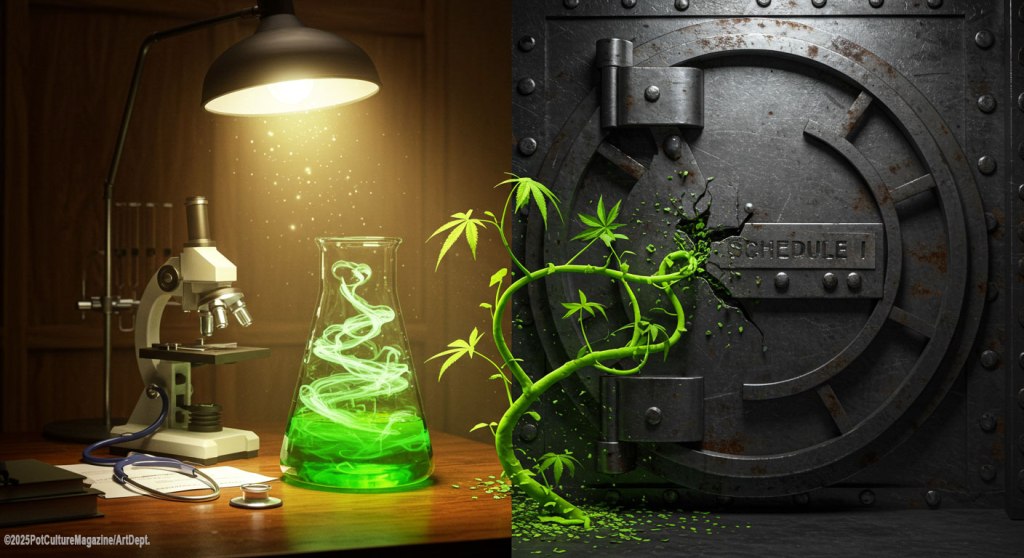
There is no shortage of scientific support for rescheduling. The National Academies of Sciences concluded in 2017 that cannabis has therapeutic benefits, particularly for chronic pain. The World Health Organization has called for reclassification globally.
Even the Department of Health and Human Services agrees it no longer belongs in Schedule I. Yet the DEA seems hell-bent on preserving a classification that defies both logic and evidence.
Who’s Really Behind the Resistance?
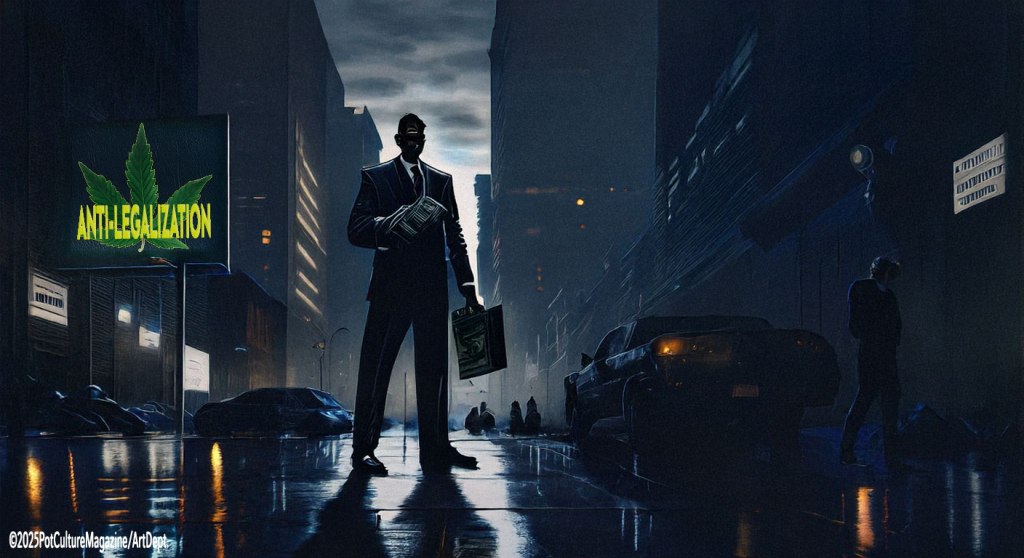
Big Pharma, for starters. Major pharmaceutical companies have spent millions lobbying against cannabis reform. The reason? Weed competes with painkillers, sleep aids, antidepressants, and anxiety meds.
Groups like Smart Approaches to Marijuana (SAM), backed by former politicians and funded by opioid interests, continue to peddle debunked scare tactics about youth use and mental illness.
Even rehab industries have reason to resist reform. After all, arrested stoners feed their court-ordered treatment pipelines.
Global Rescheduling Is Already Happening

In 2020, the United Nations Commission on Narcotic Drugs reclassified cannabis and recognized its medical use—based on WHO recommendations. Germany legalized recreational cannabis in 2024. Thailand, Uruguay, and Canada have already embraced cannabis reform.
The U.S. is behind. And the DEA is the main anchor dragging us down.
This Isn’t Just Bureaucracy. It’s Harm.
Every day marijuana stays in Schedule I:
- Entrepreneurs go bankrupt.
- Sick people suffer without access.
- Legacy growers remain in the legal gray zone.
- Criminal justice reform is stalled.
And all while the government cashes in on tax revenue from the very substance it still classifies as medically useless.
It’s not just hypocrisy—it’s policy violence.
The DEA’s silence speaks volumes. It’s not science that’s holding this up—it’s power. The kind you don’t give up unless someone takes it from you.
So take it.
Demand answers. Flood your representatives with calls and emails. Pressure your senators. Ask your governor where they stand. Tell the DEA their delay is a disgrace—and make damn sure they know we’re watching.
The war on weed isn’t over. But neither are we.
© 2025 Pot Culture Magazine. All rights reserved. This content is the exclusive property of Pot Culture Magazine and may not be reproduced, distributed, or transmitted in any form or by any means without prior written permission from the publisher, except for brief quotations in critical reviews.
Discover more from POT CULTURE MAGAZINE
Subscribe to get the latest posts sent to your email.

Leave a comment