
Cannabis legalization didn’t just change the game for weed enthusiasts; it cracked open the door for the broader acceptance of psychedelics, setting the stage for what many call the “Psychedelic Renaissance.” This movement is not only transforming mental health treatment but also challenging societal norms in profound ways.
The Cannabis Catalyst
Cannabis legalization has been a game-changer, demonstrating how regulated frameworks can bring benefits such as tax revenue, job creation, and reduced criminal justice costs. As cannabis became more accepted, it paved the way for other substances to be reconsidered. The success of cannabis legalization has shown that public opinion and policy can shift significantly, paving the way for psychedelics to follow a similar path.
Historical Context
Psychedelics have a rich history dating back to ancient civilizations, where they were used for spiritual and medicinal purposes. The 1960s saw a surge in psychedelic research and use, but this was followed by a harsh crackdown that pushed these substances underground. Today, we are witnessing a resurgence as society re-evaluates the therapeutic potential of psychedelics, informed by both ancient wisdom and modern science.
Therapeutic Potential and Research
The therapeutic potential of psychedelics is a driving force behind this renaissance. Research has shown promising results for psychedelics in treating various mental health conditions, including PTSD, depression, and addiction. For instance, studies funded by institutions like Johns Hopkins University and NYU have explored the impact of psilocybin on tobacco addiction, showing significant potential for successful treatment.
Veterans have become unexpected advocates for psychedelic therapy, sharing powerful testimonies of how substances like psilocybin have helped them manage trauma and mental health issues. Their support has been crucial in gaining bipartisan political backing for psychedelic research and therapy programs.
advertisement
F O R T H E C U L T U R E B Y T H E C U L T U R E
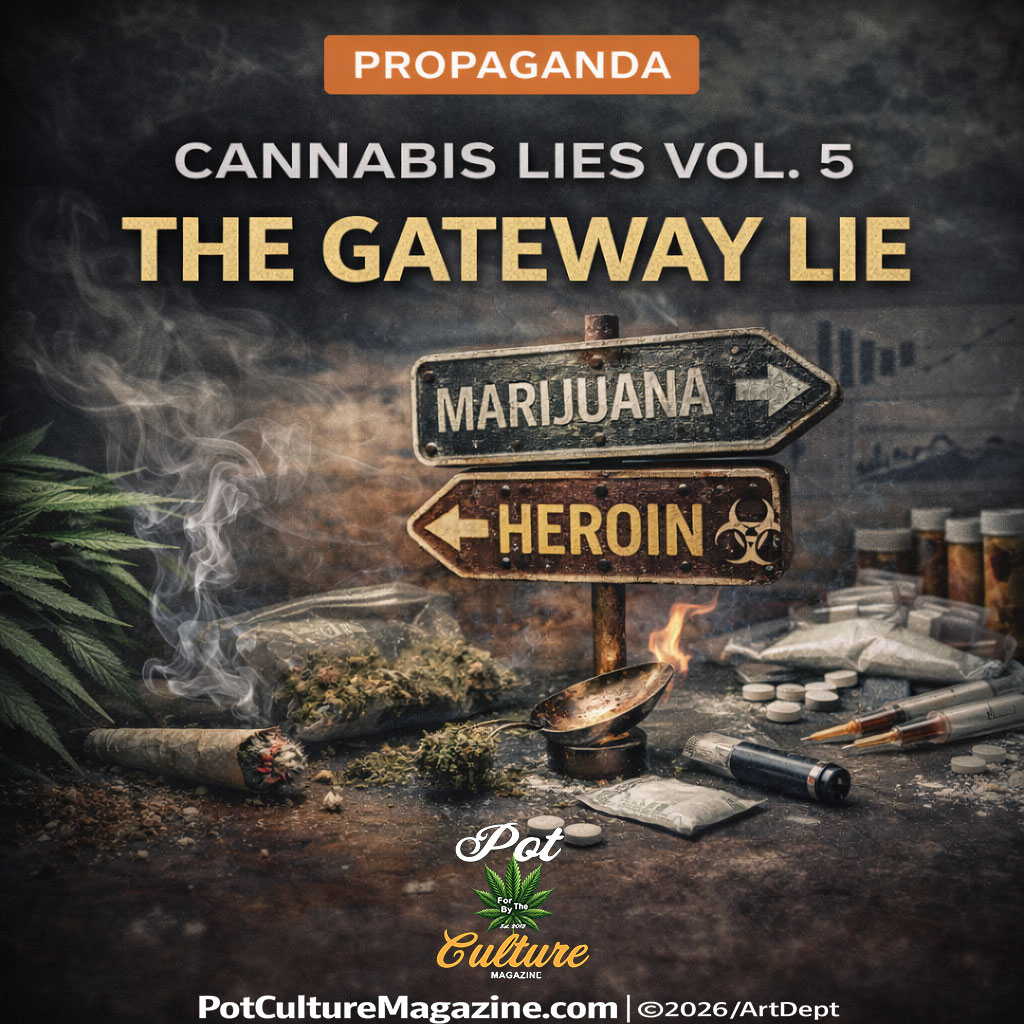
CANNABIS LIES Vol. 5: The Gateway Lie
For decades, politicians have claimed marijuana is a gateway to heroin and harder drugs. Federal youth surveys, NSDUH data, and NIDA’s own language tell a different story. Cannabis use is widespread, hard drug use remains rare, and most users do not progress. The data dismantles one of prohibition’s most durable fear narratives.

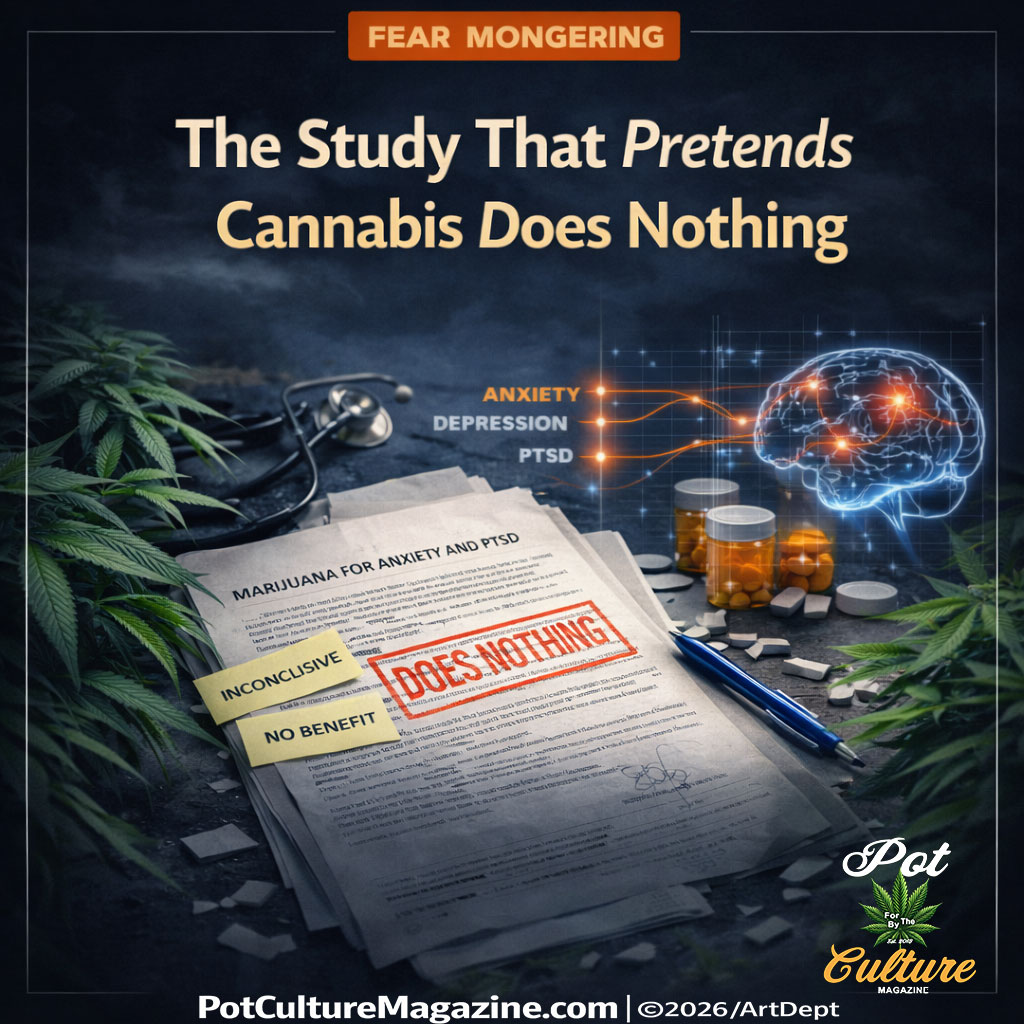
The Study That Pretends Cannabis Does Nothing
A new cannabis study claims marijuana does nothing for anxiety, depression, or PTSD. The reality is far more complicated. Decades of federal restrictions, limited research access, and synthetic substitutes have shaped the science. This breakdown exposes how incomplete data and selective interpretation continue to drive misleading headlines about cannabis and mental health.
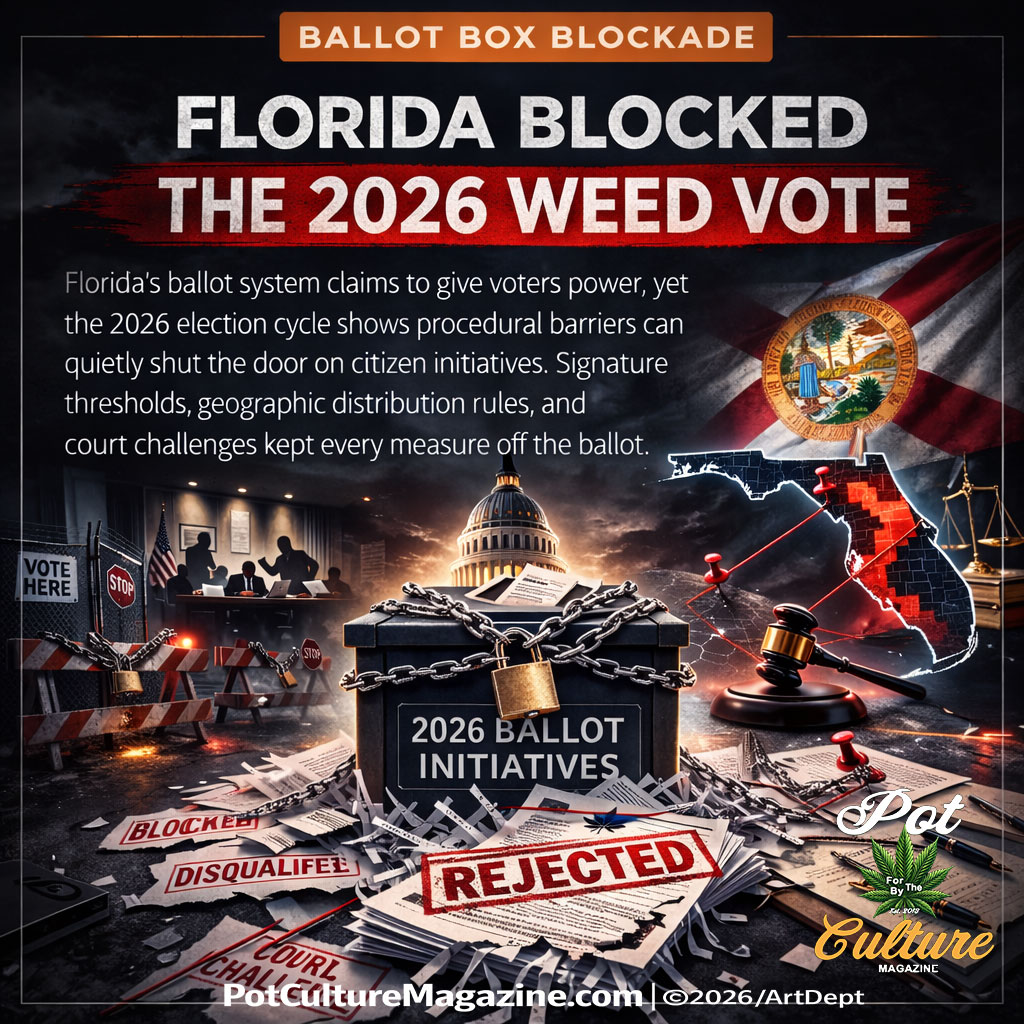
Florida Blocked the 2026 Weed Vote
Florida’s ballot system claims to give voters power, yet the 2026 election cycle shows how procedural barriers can quietly shut the door on citizen initiatives. Signature thresholds, geographic distribution rules, and court challenges blocked every measure from reaching voters, revealing how cannabis legalization fights are often decided by bureaucratic design long before election day.
advertisement
Legal and Regulatory Shifts
The momentum for psychedelic legalization is reminiscent of the rapid changes seen with cannabis reform. Oregon and Colorado are at the forefront of this movement. In 2020, Oregon became the first state to legalize psilocybin for therapeutic use, establishing a regulated framework for psilocybin service centers. Colorado followed with Proposition 122, passed in 2022, which decriminalized psilocybin and established a regulatory framework for therapeutic use.
Internationally, countries like Australia and Jamaica are making significant strides. Australia recently legalized psychedelic therapy, allowing psychiatrists to prescribe MDMA and psilocybin. Jamaica has embraced the commercial potential of psychedelics, becoming a hub for psychedelic retreats and research.
Economic Implications
The economic impact of legalizing psychedelics could mirror that of the cannabis industry. Job creation, tax revenue, and the growth of related businesses, such as psychedelic retreats and therapy centers, are significant potential benefits. This burgeoning industry promises to create economic opportunities and drive innovation.
Addressing Risks and Concerns
Despite their benefits, psychedelics are not without risks. Bad trips, dependency, and the potential for misuse in unsupervised settings are genuine concerns. However, proponents argue that regulated frameworks can mitigate these risks, ensuring safe and controlled use. Addressing these concerns head-on is crucial for gaining broader acceptance.
Future Prospects
The future of psychedelics looks promising, with ongoing research and advocacy paving the way for broader acceptance. The Psychedelic Renaissance represents a paradigm shift in how society views and utilizes these powerful substances. Just as cannabis legalization has transformed public perception and policy, psychedelics are poised to bring about significant changes in mental health treatment and societal norms.
By embracing the therapeutic potential of psychedelics and learning from the cannabis legalization experience, society can pave the way for a future where these substances are integrated into mainstream health and wellness practices, offering new hope for those battling mental health issues.
© 2024 Pot Culture Magazine. All rights reserved. This content is the exclusive property of Pot Culture Magazine. It is not to be reproduced, distributed, or transmitted in any form or by any means, including photocopying, recording, or other electronic or mechanical ways, without the publisher’s prior written permission, except in the case of brief quotations in critical reviews or analyses.
F O R T H E C U L T U R E B Y T H E C U L T U R E

The Cannabis Lie: Vol. 4 — The Crime Wave Lie
Politicians and pundits warned that legal cannabis would unleash a crime wave. The data tell a different story. From Colorado’s violent crime trends to DOJ time-series research and statewide arrest declines, the evidence shows no consistent long-term surge tied to legalization. The numbers never matched the panic.

South Africa Legalized Weed, But Not the Market
South Africa recognized private adult cannabis use and home cultivation, but never built a legal domestic market around them. With buying and selling still largely outside the law, the illicit trade remains dominant while regulators scramble to set limits, draft rules, and prepare a broader Cannabis Bill that could finally address commerce.
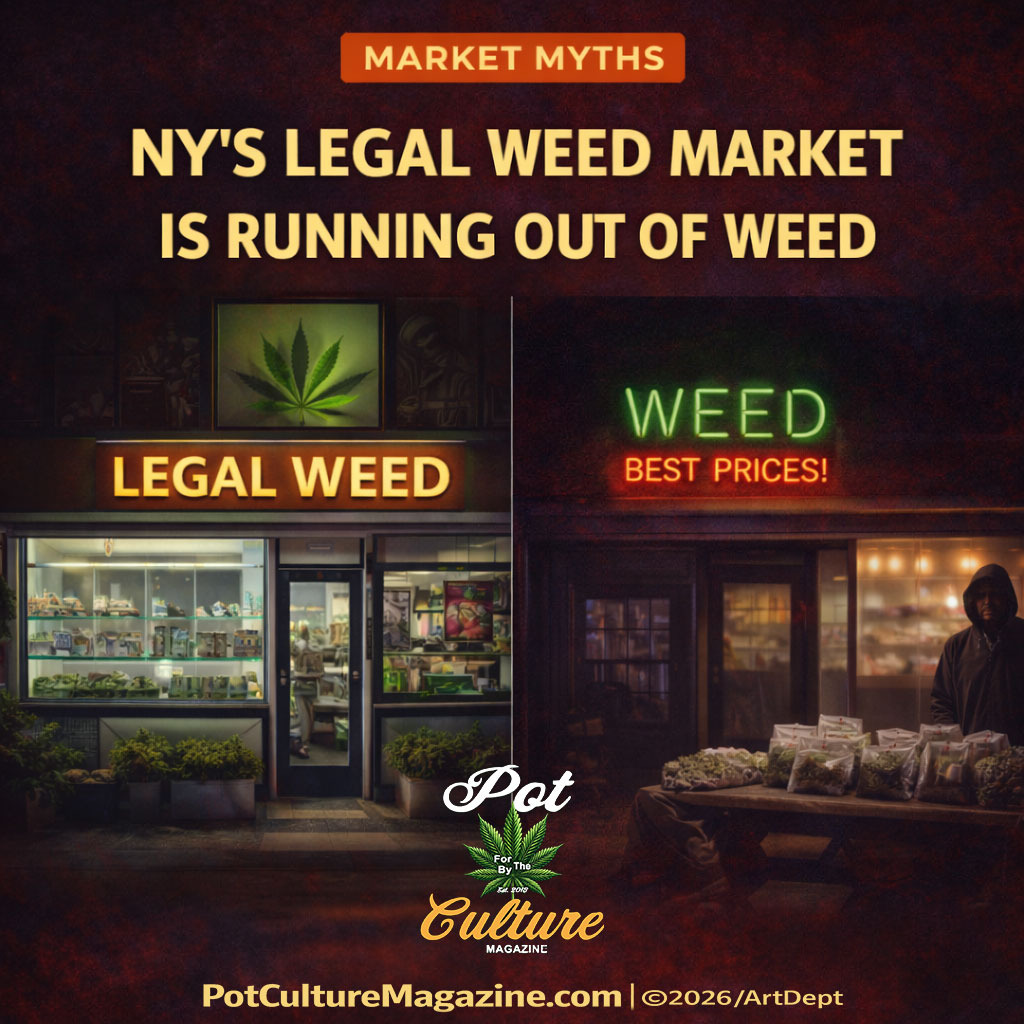
NY’s Legal Weed Market Is Running Out of Weed
New York legalized cannabis and opened hundreds of stores, but regulators now warn the legal market may not produce enough weed to keep them stocked. With nearly 600 stores open and sales nearing $3 billion, the state is discovering that legalization alone does not guarantee a functioning market.
Discover more from POT CULTURE MAGAZINE
Subscribe to get the latest posts sent to your email.

Leave a comment