
In a move that’s whipping through the corridors of power like a rogue wind, the U.S. Drug Enforcement Administration is edging toward a seismic shift in its stance on marijuana. The buzzword? Reclassification. This isn’t just a bureaucratic shuffle—it’s a potential game-changer for how America views and handles this storied herb.
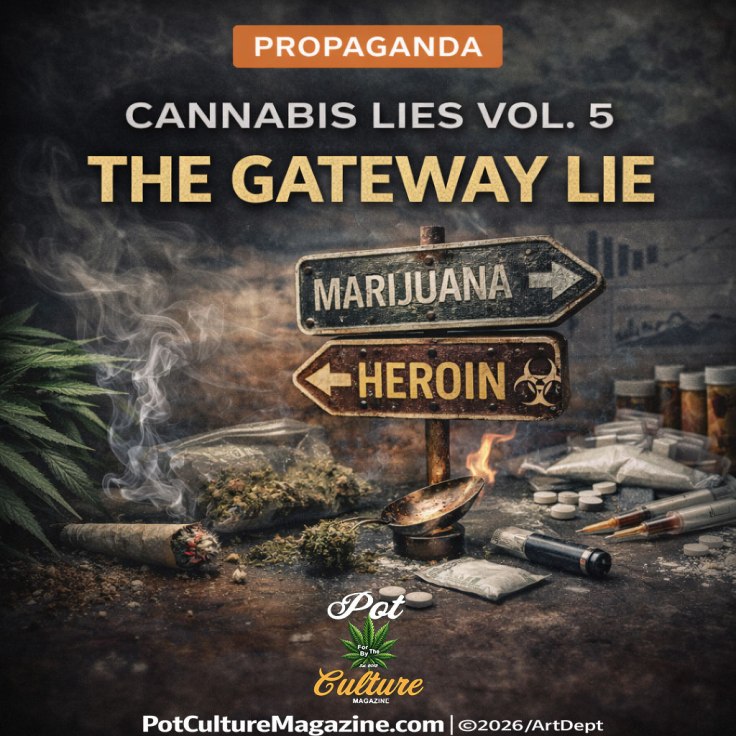
The Justice Department’s latest pitch suggests nudging marijuana from the notorious “Schedule I” category—home to the likes of heroin and LSD—over to the more lenient “Schedule III.” This shift acknowledges the medical virtues of cannabis without swinging the doors wide open to recreational use.
Here’s the real kicker: What exactly does this shake-up entail, and what ripples will it send across the societal and legal landscapes?
The Immediate Horizon: What’s Changed? What’s Next? For now, the wheels are still turning. The proposal needs to go through a gauntlet of reviews—from the White House’s Office of Management and Budget to a public comment period and a legal review. The timeline? Lengthy. The impact? Revolutionary. Vince Sliwoski, a Portland, Oregon-based attorney with his finger on the pulse of cannabis and psychedelic legalities, didn’t mince words when he dubbed the shift “paradigm-shifting” in his chat with The Associated Press.
President Joe Biden, riding the Democratic wave, had previously nudged both the Health and Human Services and the attorney general to reevaluate marijuana’s harsh classification. Their findings? Schedule I was overkill. Meanwhile, Karine Jean-Pierre, the White House press secretary, emphasizes the importance of this “independent review.”


While drugs in Schedule III, like ketamine and certain codeine concoctions, still wear the “controlled substance” label, they enjoy more flexibility for medical use and research. Yet, don’t expect any swift changes to state-sanctioned medical or recreational cannabis programs, which would struggle to align with the stringent federal requirements for Schedule III substances.
The Bigger Picture: Research and Economics One of the thorniest issues? Research. Current classifications have strangled legitimate clinical studies due to tight restrictions. With a move to Schedule III, these bonds could loosen, potentially ushering in a new era of cannabis research. This could finally dismantle the Catch-22 of needing research to support cannabis use but facing barriers that make such research almost impossible.
And then there’s the money side of things—taxes and banking. Currently, cannabis businesses get hammered by tax rates as high as 70% due to federal restrictions on deductions. A reclassification could slash these rates dramatically, giving legal businesses a sharper competitive edge against the black market. However, the banking dilemma persists, with federal regulations still making banks skittish about getting involved with cannabis money.
Voices of Dissent: The Critics Speak Not everyone’s lighting up with enthusiasm. Critics like Kevin Sabet from Smart Approaches to Marijuana—former Obama administration advisor—slam the move as politically charged and not scientifically grounded. On the flip side, legalization advocates argue this is too little, too late. They’re pushing for a total removal of marijuana from the controlled substances list to align federal and state laws and end the decades-long disparity in drug policy impacts, particularly among communities of color.
As America stands at this crossroads, the reclassification of marijuana as a Schedule III drug casts long shadows and bright lights on the path ahead. It’s a story of progress and setbacks, of new opportunities and old challenges. As the narrative unfolds, the implications for medical research, economic relief for legitimate businesses, and the ongoing battle for comprehensive legalization continue to spark fiery debates and kindle hopes for a more rational approach to cannabis.
© Pot Culture Magazine, 2024. All rights reserved. No part of this publication may be reproduced, distributed, or transmitted in any form or by any means, including photocopying, recording, or other electronic or mechanical methods, without the prior written permission of the publisher, except in the case of brief quotations embodied in critical reviews and certain other noncommercial uses permitted by copyright law.
Discover more from POT CULTURE MAGAZINE
Subscribe to get the latest posts sent to your email.

Leave a comment