Politicians and pundits warned that legal cannabis would unleash a crime wave. The data tell a different story. From Colorado’s violent crime trends to DOJ time-series research and statewide arrest declines, the evidence shows no consistent long-term surge tied to legalization. The numbers never matched the panic.
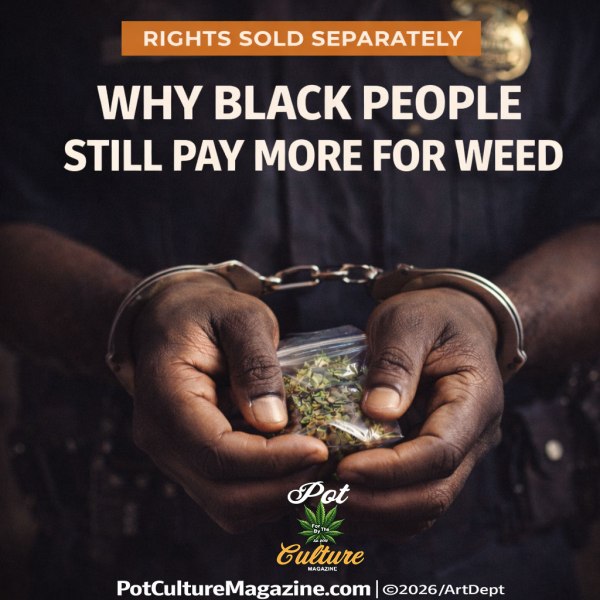
Why Black People Still Pay More for Weed
Cannabis use rates are similar across races, but arrests are not. Black Americans are still arrested for marijuana possession at several times the rate of white Americans, even as legalization spreads. This investigation breaks down the data, the role of possession-only enforcement, and why legalization without repair keeps old lines firmly in place.
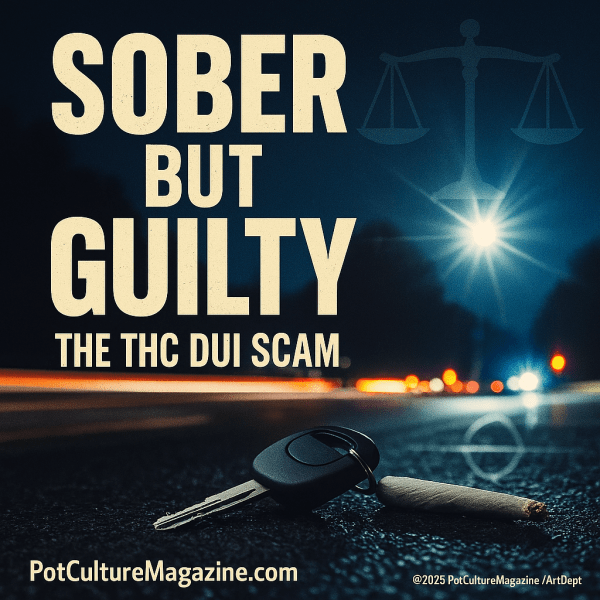
Sober but Guilty: The THC DUI Scam
A new UC San Diego study shreds the myth that regular cannabis users are impaired days after smoking. Yet cops, lawmakers, and courts keep pushing THC blood limits that have no science behind them. This isn’t public safety, it’s prohibition by another name, and it’s nailing sober drivers to the wall.
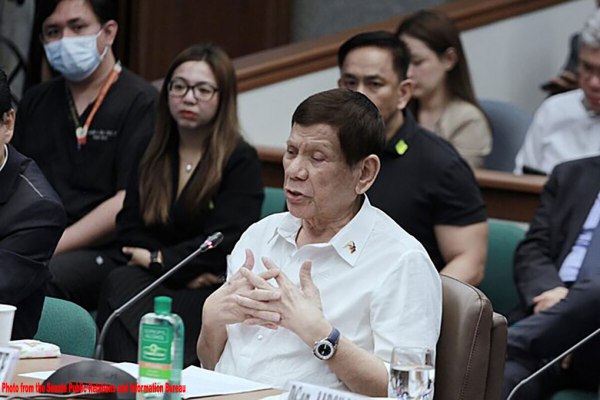
Ex-Philippines President Duterte Arrested, Flown to The Hague for ICC Trial
Rodrigo Duterte, former president of the Philippines, was arrested and extradited to The Hague to face charges of crimes against humanity for his brutal war on drugs, which resulted in thousands of deaths. His trial marks a significant moment for global accountability, as many countries evaluate their own drug policies in light of his actions.
Kevin Allen’s 35-Year Sentence for $20 of Weed Highlights the Broken Justice System
Kevin Allen has spent over ten years behind bars for selling $20 worth of marijuana. Despite a life sentence being reduced, he’s still serving 35 years for a nonviolent offense in a system that profits off cannabis while punishing its past users.
Federal Marijuana Rescheduling: A Potential Catalyst for State-Level Transformations
The potential rescheduling of marijuana by the Drug Enforcement Administration (DEA) could set off a chain reaction of changes not only on a federal level but also across individual states due to "trigger laws". Depending on how states respond to federal rescheduling, this could result in automatic state-level rescheduling, require further action from the state legislature or an appropriate state authority, or leave scheduling decisions unaffected. The impact of the changes could cover politics, criminal justice, and medical marijuana regulations, possibly sparking interstate cannabis commerce and changes in law enforcement practices.