The celebration of 4/20 has shifted from its original meaning of rebellion and community to a commercialized event reflecting empty promises. Despite legalization in many states, disparities persist, with ongoing arrests and barriers for marginalized communities. True significance lies in honoring the past and the fight for genuine justice in cannabis culture.
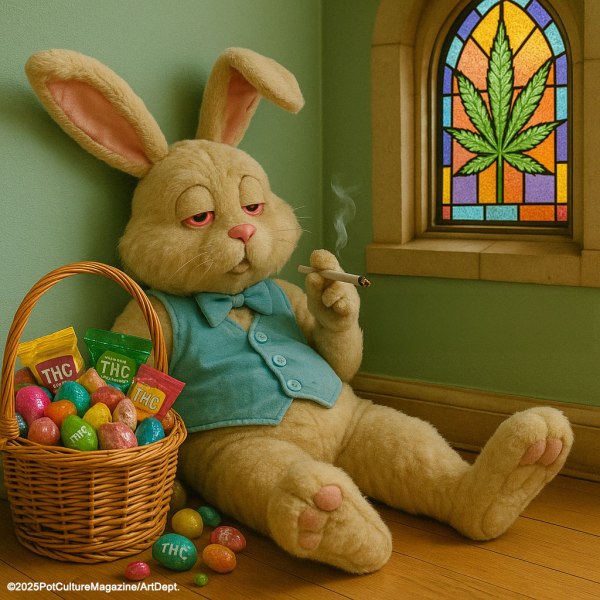
Holy Smokes: What Happens When 4/20 Falls on Easter
What happens when Easter Sunday and 4/20 collide? A wild and weird mash-up of religion, reefer, and THC-infused chocolate bunnies. Pot Culture Magazine breaks down the stoner holiday crossover of 2025.
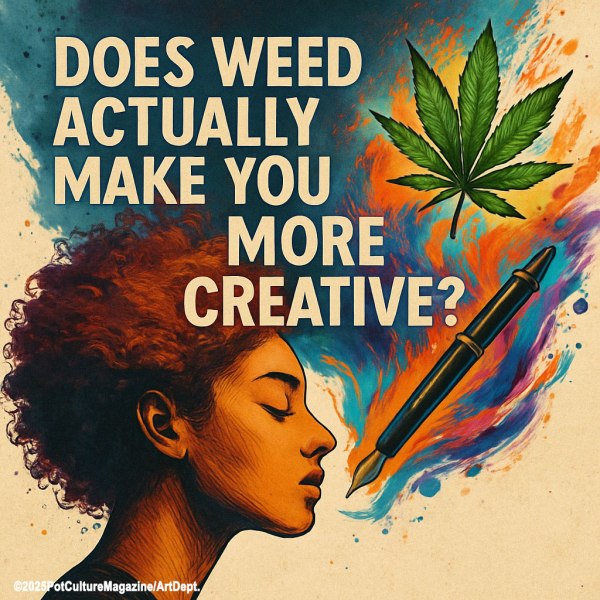
Does Weed Actually Make You More Creative? Here’s What Science Says
Can weed make you more creative or just make you feel like a genius? This feature unpacks what science actually says about cannabis and the creative process, separating inspiration from intoxication. The truth might not be as smooth as your last hit, but it’s a hell of a lot more honest.
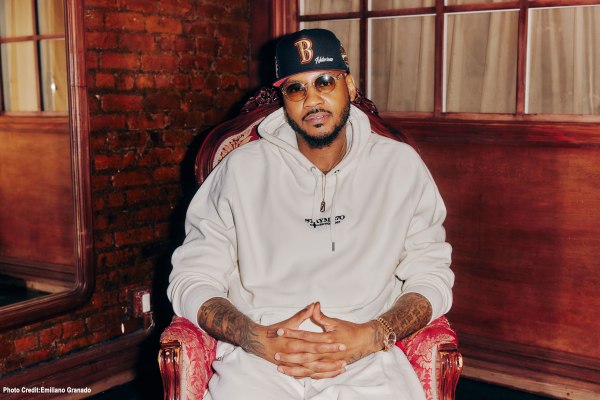
Divine Hustle: Carmelo, Celebrity Weed, and the ‘Mission from God’ Marketing Myth
Carmelo Anthony says launching his new cannabis brand is a “mission from God.” But he’s not the first celebrity to use divine branding to sell premium weed. This feature dissects the language, the strategy, and the real message behind celebrity weed rollouts wrapped in purpose.
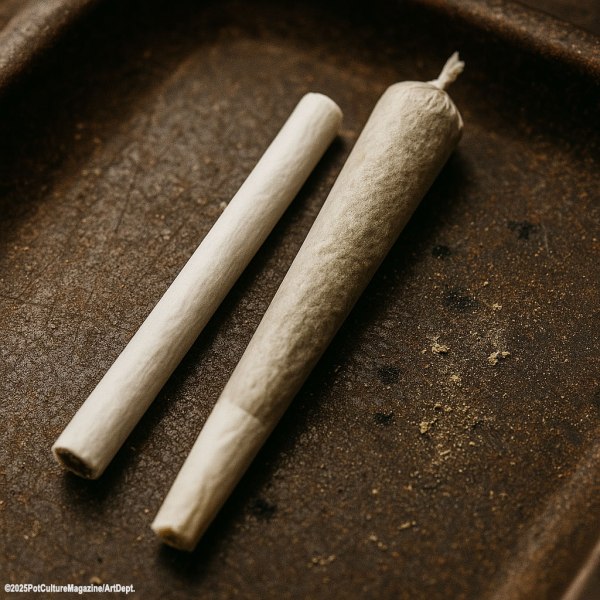
Rolling Rage: Why People Can’t Agree on the Right Way to Pack a Joint
Rolling a joint is a ritual marked by individual style and preference, often leading to debates among smokers. Cones and straight tubes symbolize different approaches, and the filter discourse adds another layer. Ultimately, there is no single correct method; rolling reflects personality and culture within the cannabis community.
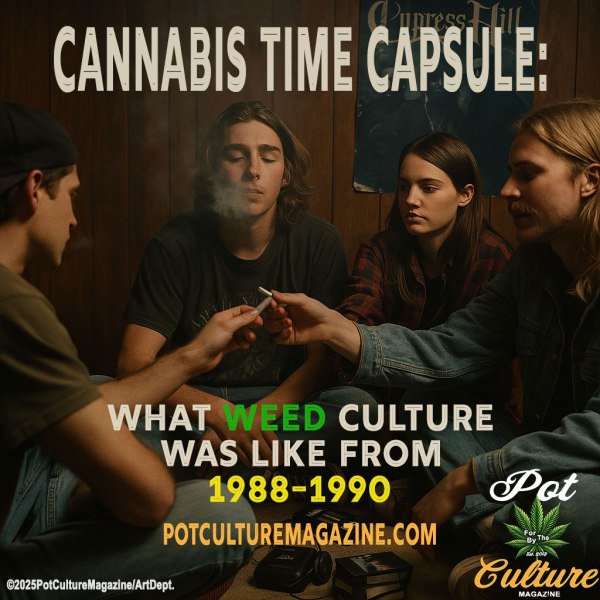
Cannabis Time Capsule: What Weed Culture Was Like from 1988–1990
In the late '80s, amidst the American War on Drugs, a vibrant cannabis culture thrived underground. Stoners, armed with mixtapes and VHS tapes, embraced a gritty lifestyle, consuming low-quality weed without concern for strains. Fashion was thrift-based, while hip-hop and alternative music fueled the rebellious spirit. Resistance emerged through a unique slang and community, revealing a profound defiance against oppressive policies.