Legacy growers fought for legalization, only to be pushed aside by the system they helped create. This feature exposes how red tape, taxes, and policy failures are locking out the real pioneers while corporate weed cashes in. It’s not just exclusion—it’s cultural erasure. And if we’re not careful, the soul of cannabis will vanish under glossy branding and mediocre bud.
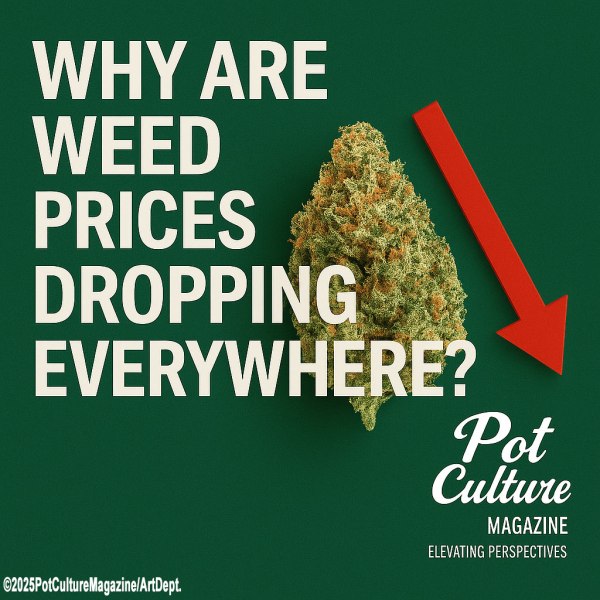
Why Are Weed Prices Dropping Everywhere?
Weed is getting cheaper but it’s not a win. Behind those $49 ounces and $2 prerolls is an industry bleeding out. Overproduction, bad policy, and corporate greed are killing quality, crushing independents, and leaving consumers with less than they bargained for. This isn’t a correction. It’s collapse.
This Is the End (Again): Why Every Great Stoner Movie Falls Apart in Act Three
Why do the best stoner movies always go off the rails in the final act? This sharp satire breaks down the formula, from porch chill to warehouse explosions, and asks why Hollywood still thinks every high needs a crash.
Build Fast, Die Loud: Why Big Weed Keeps Going Bust in California
Gold Flora’s implosion wasn’t a one-off—it was a warning. From ballooned budgets to influencer-backed ego trips, Big Weed’s collapse in California shows what happens when hype and hubris replace substance and sustainability. We break it all down and expose how the industry got too loud, too fast, and now can’t afford the silence.
The $534M Cannabis Heist: California’s War on Competition
California seized $534 million worth of “illegal” weed in 2024, claiming it was about public safety—but was it really? While legacy growers get raided, contaminated corporate weed gets a free pass. This isn’t about protecting consumers—it’s about eliminating competition. We follow the money to expose who actually benefits from California’s war on weed.
Medical Marijuana vs. the Workplace: A Global Look
The relationship between medical marijuana use and employment rights is complex, with varying protections across regions. In the U.S., states like California, New York, and Connecticut offer significant protections, while others like Louisiana and Florida do not. Internationally, while Canada has reasonable accommodations, European countries provide inconsistent support. Employees must understand local laws to navigate this landscape effectively.