Filed Under: Chemical Warfare in Your Bud

There’s a dirty little secret lurking in some of the weed out there, Plant Growth Regulators (PGRs). These synthetic chemicals are used to boost yields, bulk up buds, and fatten the pockets of shady growers. But at what cost? If you’ve ever cracked open a nug that looked dense as a moon rock but smoked like a burning tire, you might have encountered PGR weed.
What Are PGRs?
Plant Growth Regulators are chemicals designed to manipulate plant development. In the world of agriculture, they’re used to control growth, trigger flowering, or extend shelf life. But when it comes to cannabis, certain PGRs are used to artificially force massive bud production. Instead of relying on natural genetics and proper cultivation techniques, growers pumping out mass-market weed turn to these lab-made shortcuts.
Some of the most commonly used PGRs in cannabis cultivation include:
- Paclobutrazol – Restricts plant height, forcing energy into bud production. Sounds great, right? It also harms your body’s ability to break down toxins and is linked to liver damage.
- Daminozide (Alar) – Used to slow growth and increase density. Oh, and it was banned for use on food crops by the EPA in 1989 due to its carcinogenic potential.
- Chlormequat Chloride – Another growth-stunting chemical that makes plants more compact and “marketable,” at the risk of potential reproductive toxicity in humans.
- Uniconazole – A cousin of paclobutrazol, this chemical stunts growth and thickens buds but has been linked to neurological damage in some studies.
How PGRs Affect Your Weed
At first glance, PGR-infused buds might look like top-shelf killers: fat, heavy, and dense. But the devil’s in the details:

- Taste & Smell: Natural, terpene-rich cannabis hits the nose with a pungent, complex aroma. PGR weed? Not so much. Expect dull, muted scents and an artificial, chemical aftertaste.
- Appearance: These buds are often unnaturally dense, rock-hard, and sometimes brownish instead of the vibrant greens and purples you want.
- Smoke Quality: Harsh. Harsh as hell. Expect a throat-scorching, cough-inducing experience with little of the smooth, flavorful ride real weed delivers.
- Effects: Less THC, fewer terpenes, and a generally weaker high. You might feel something, but it won’t be the full-spectrum euphoria of a properly grown herb.
Health Risks of PGR Weed
If the crappy smoking experience wasn’t enough, there are serious health concerns tied to PGR exposure:
- Respiratory Issues – Smoking chemicals meant for crop regulation can irritate the lungs and contribute to long-term damage.
- Endocrine Disruption – Some PGRs have been linked to hormonal imbalances, meaning they can mess with testosterone, estrogen, and other key bodily functions.
- Carcinogenic Potential – The EPA outright banned some of these chemicals from food production. That should tell you everything you need to know about whether they belong in your weed.
- Neurological Damage – Some studies suggest prolonged exposure to certain PGRs can contribute to cognitive decline and nervous system complications.
How to Spot & Avoid PGR Weed
If you’re shopping for bud and want to avoid this chemically enhanced garbage, here’s what to look for:
- The Feel – Natural, well-cured weed has a bit of bounce and stickiness. PGR weed? Dry, rock-hard nugs that feel almost unnatural.
- The Smell – If the terpene profile is weak or smells oddly artificial, be suspicious.
- The Color – PGR weed can have a weird brownish or overly dark tone instead of vibrant greens, purples, and oranges.
- The Ash Test – Good weed burns to light gray or white ash. If your bud leaves behind black, clumpy ash, it’s likely full of chemicals.
- The Smoke – Harsh, chemical, and lacking flavor? You might be smoking PGR-tainted flower.
- The Residue – PGR weed can leave an odd, chemical aftertaste in your mouth and even make your throat feel coated after smoking.
How to Make Sure You’re Smoking Clean Weed
- Buy from Trusted Growers – Stick to dispensaries and growers with a reputation for quality.
- Look for Organic Certifications – While not foolproof, organically grown cannabis is less likely to contain PGRs.
- Ask Questions – If your budtender can’t tell you how the weed was grown, it’s a red flag.
- Grow Your Own – The best way to ensure you’re getting clean weed is to cultivate it yourself with organic nutrients and proper care.
Don’t Settle for Chemical Crap
PGR weed is the fast food of cannabis, mass-produced, visually appealing, but lacking in quality and packed with harmful additives. If you care about your high, your health, the integrity of the plant, steer clear of this lab-grown monstrosity. Stick to organically grown, properly cured, and terpene-rich cannabis that’s as nature intended.
Demand better. Smoke smarter. And if someone tries to pass off some sketchy-looking, unnaturally dense brick of mids? Tell ‘em to keep that chemical garbage to themselves.
© 2025 Pot Culture Magazine. All rights reserved. This content is the exclusive property of Pot Culture Magazine and may not be reproduced, distributed, or transmitted in any form or by any means without prior written permission from the publisher, except for brief quotations in critical reviews.
F O R T H E C U L T U R E B Y T H E C U L T U R E
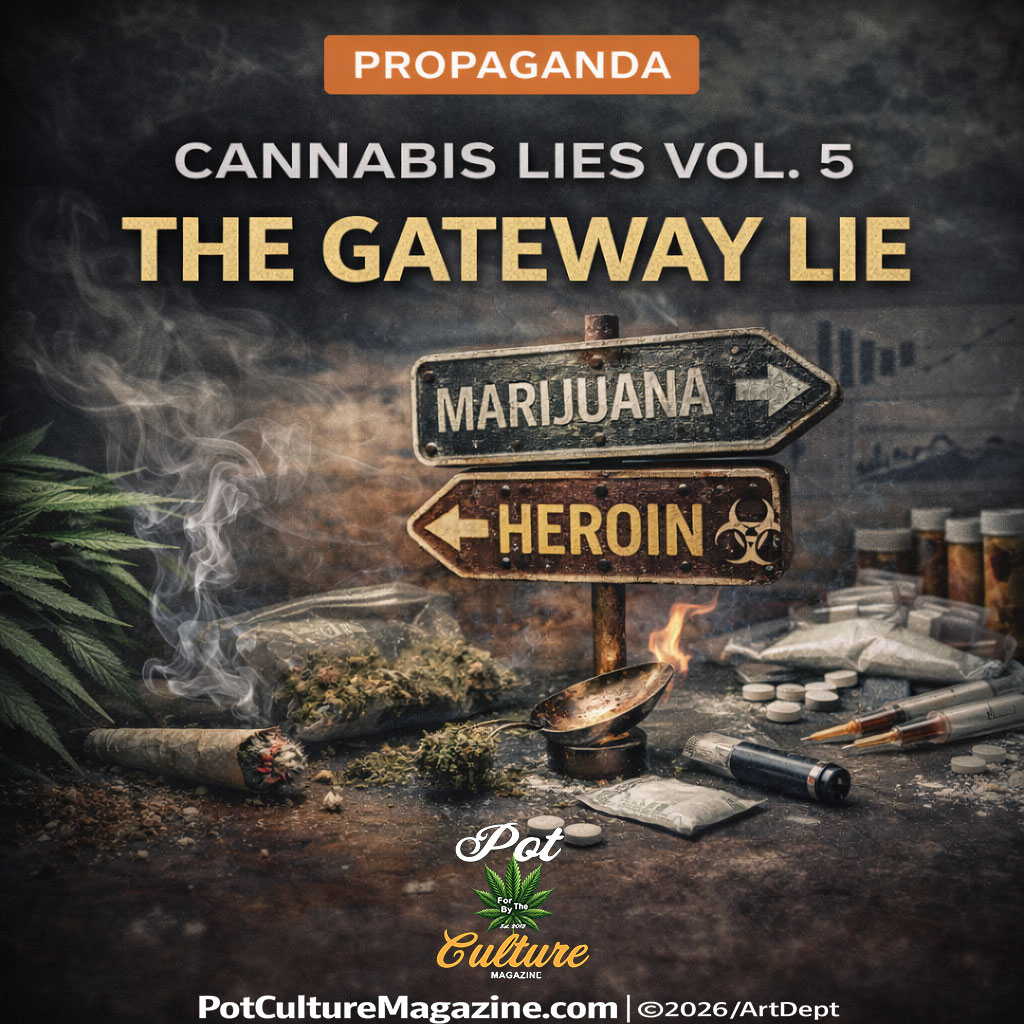
CANNABIS LIES Vol. 5: The Gateway Lie
For decades, politicians have claimed marijuana is a gateway to heroin and harder drugs. Federal youth surveys, NSDUH data, and NIDA’s own language tell a different story. Cannabis use is widespread, hard drug use remains rare, and most users do not progress. The data dismantles one of prohibition’s most durable fear narratives.

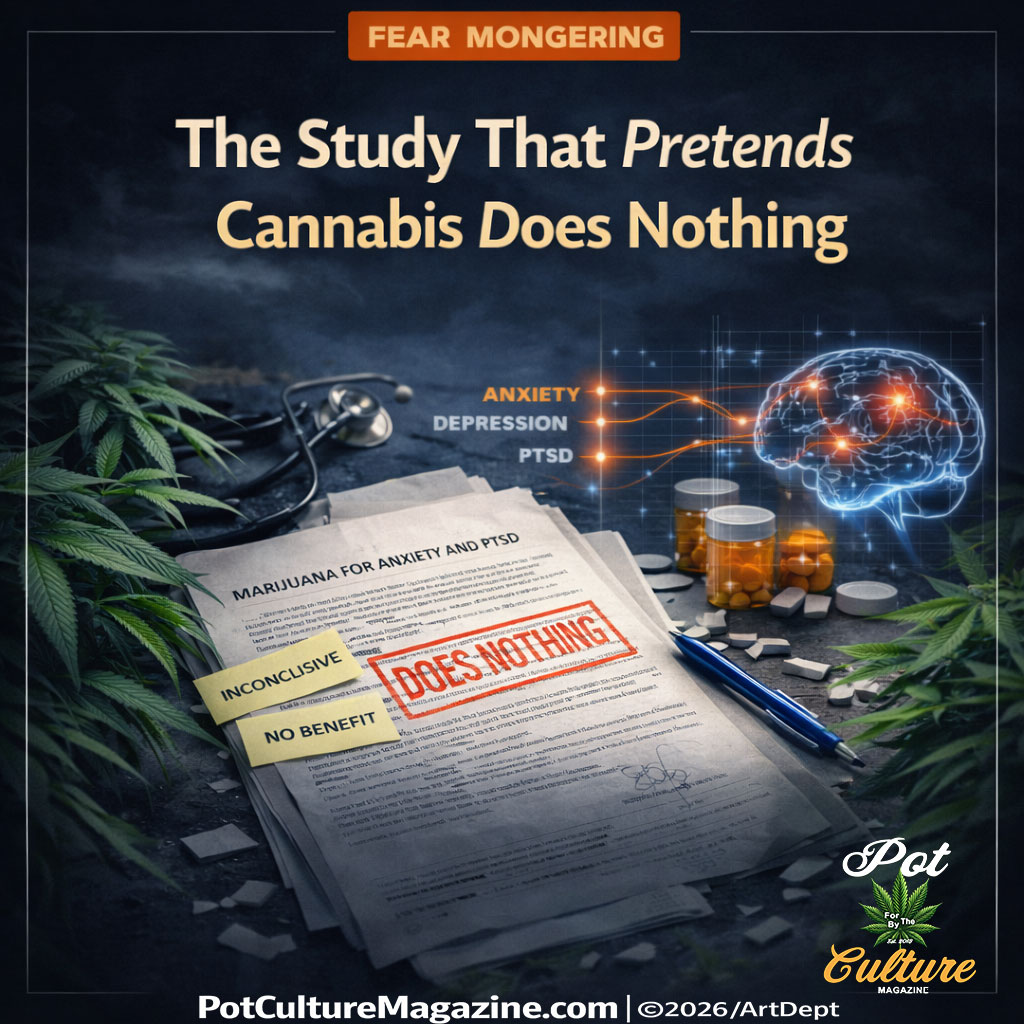
The Study That Pretends Cannabis Does Nothing
A new cannabis study claims marijuana does nothing for anxiety, depression, or PTSD. The reality is far more complicated. Decades of federal restrictions, limited research access, and synthetic substitutes have shaped the science. This breakdown exposes how incomplete data and selective interpretation continue to drive misleading headlines about cannabis and mental health.
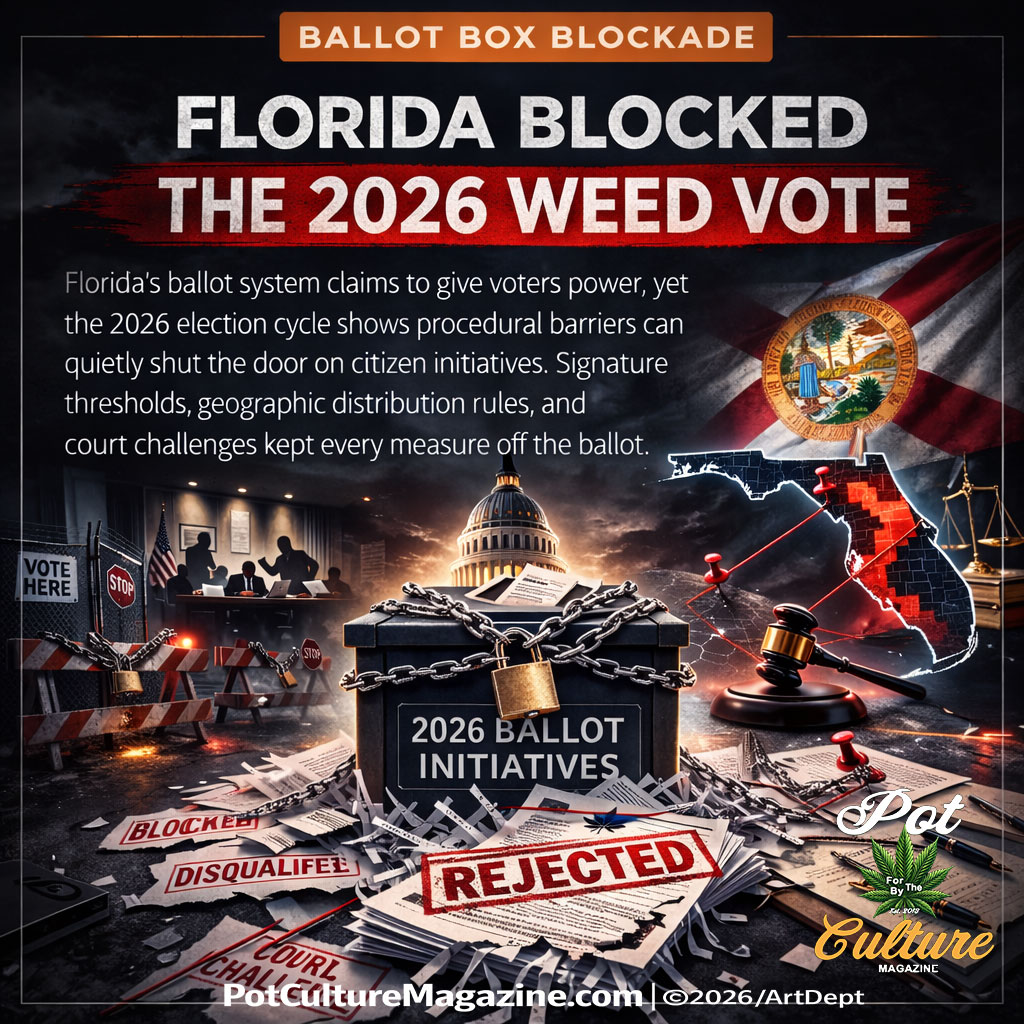
Florida Blocked the 2026 Weed Vote
Florida’s ballot system claims to give voters power, yet the 2026 election cycle shows how procedural barriers can quietly shut the door on citizen initiatives. Signature thresholds, geographic distribution rules, and court challenges blocked every measure from reaching voters, revealing how cannabis legalization fights are often decided by bureaucratic design long before election day.
Discover more from POT CULTURE MAGAZINE
Subscribe to get the latest posts sent to your email.

Leave a comment