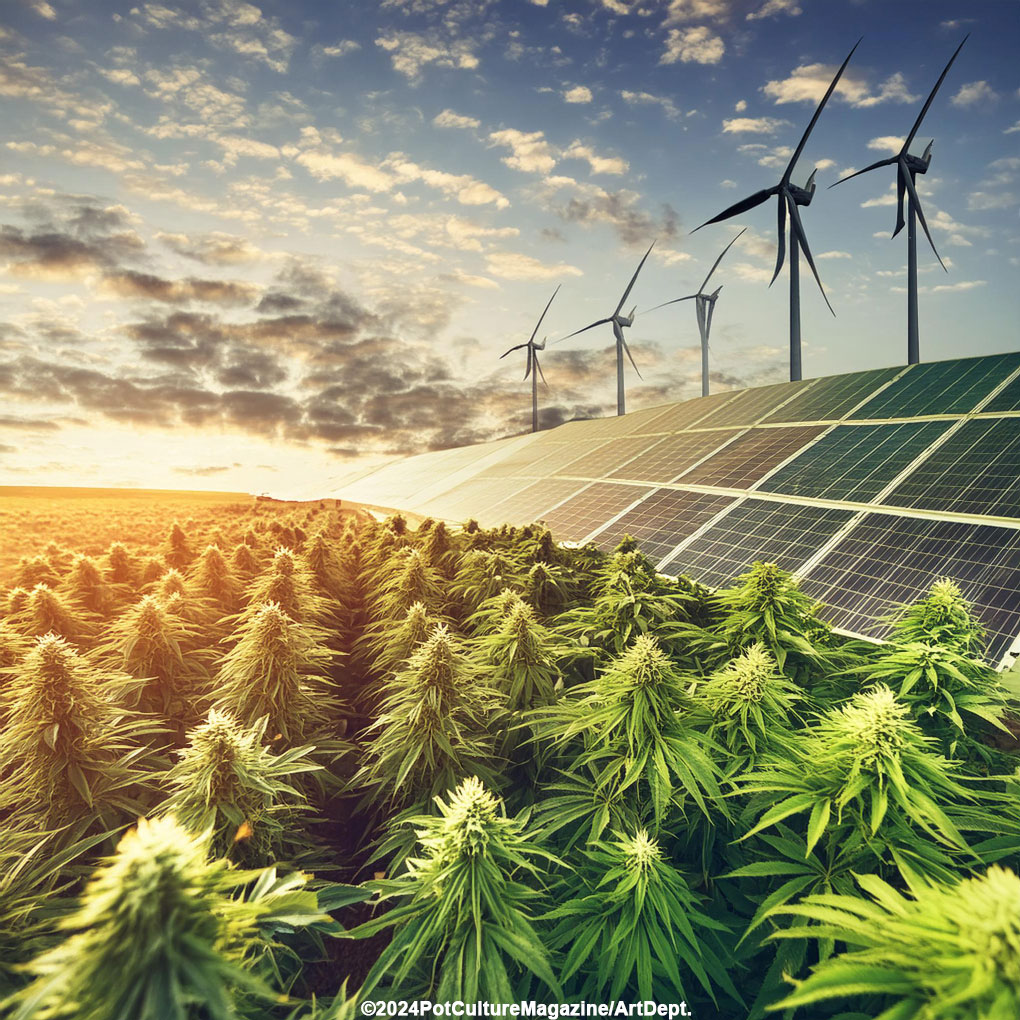
Cannabis isn’t just changing the conversation around health and justice—it’s also turning the tide on climate change. As the cannabis industry grows, so does its potential to make significant environmental impacts. Tomorrow, we dive into how the green industry is influencing traditionally conservative states to adopt more eco-friendly practices, highlighting the surprising intersection of cannabis and climate change.
The Environmental Benefits of Cannabis: Cannabis cultivation, especially hemp, offers numerous environmental benefits. Hemp is a hardy plant that requires fewer pesticides and fertilizers than traditional crops. It also has a remarkable ability to sequester carbon dioxide, making it an effective tool in the fight against climate change. States like Kentucky and North Carolina, historically known for their tobacco and coal industries, are now exploring hemp as a sustainable alternative that can revitalize their economies while promoting environmental health.
Energy Efficiency in Cannabis Cultivation: Indoor cannabis cultivation has often been criticized for its high energy consumption. However, innovative growers are now adopting more sustainable practices. Solar-powered greenhouses, LED lighting, and water recycling systems are becoming industry standards. For example, in Arizona, several large-scale cannabis farms are integrating renewable energy sources to minimize their carbon footprint.



Legalization and Conservation Efforts: Legalization has also paved the way for conservation initiatives. In Oregon, cannabis tax revenues are being allocated to environmental projects, including forest conservation and water preservation. These efforts not only protect natural resources but also promote a positive image of the cannabis industry as a responsible steward of the environment.
Educational Campaigns and Grassroots Movements: Grassroots movements and educational campaigns are crucial in bridging the gap between cannabis and climate change awareness. Organizations like the Cannabis Conservancy and the Resource Innovation Institute are leading the charge, providing resources and certification programs to encourage sustainable practices within the industry. Their efforts are helping to create a culture of environmental responsibility among cannabis producers and consumers alike.
Red States Leading the Green Charge: Surprisingly, some of the most significant advancements in sustainable cannabis practices are happening in traditionally conservative, or “red,” states. Texas, for instance, is witnessing a growing interest in hemp cultivation as a way to diversify its agriculture and reduce reliance on oil. This shift is not only driven by economic incentives but also by a growing recognition of the need for sustainable practices to combat climate change.
Challenges and Opportunities: Despite the progress, challenges remain. Regulatory hurdles, financial barriers, and the need for more research on sustainable cultivation techniques are ongoing issues. However, the potential benefits far outweigh the obstacles. By continuing to innovate and advocate for eco-friendly practices, the cannabis industry can play a pivotal role in addressing climate change and promoting environmental sustainability.
Cannabis and climate change may seem like an unlikely pairing, but together they offer a path to a more sustainable future. As the industry grows, so does its capacity to influence environmental policies and practices positively. By embracing sustainable cultivation methods and supporting conservation efforts, the cannabis sector can help turn the tide on climate change, one green plant at a time.
© 2024 Pot Culture Magazine. All rights reserved. This content is the exclusive property of Pot Culture Magazine and may not be reproduced, distributed, or transmitted in any form or by any means, including photocopying, recording, or other electronic or mechanical methods, without the prior written permission of the publisher, except in the case of brief quotations in critical reviews or analyses.
Discover more from POT CULTURE MAGAZINE
Subscribe to get the latest posts sent to your email.

Leave a comment