Jamaica cannabis law, Dangerous Drugs Amendment 2015, Rastafari sacrament, Cannabis Licensing Authority, Hurricane Melissa, Jamaica Red Cross, Food For The Poor, UNICEF Jamaica, Direct Relief, GlobalGiving, Tourism economy, Crop loss, Climate resilience, Caribbean storms, Medical cannabis Jamaica
Tainted Dreams: Colorado Kicks Out Midnight Drops
Colorado regulators just banned Midnight Drops after reports linked the cannabis sleep aid to liver injuries. Nuka Enterprises and affiliates were fined $400,000 and booted from the state, but loopholes may allow their return. This is not about the plant. It is about corporate shortcuts, weak oversight, and the way scandals weaponize prohibitionist narratives against cannabis culture.
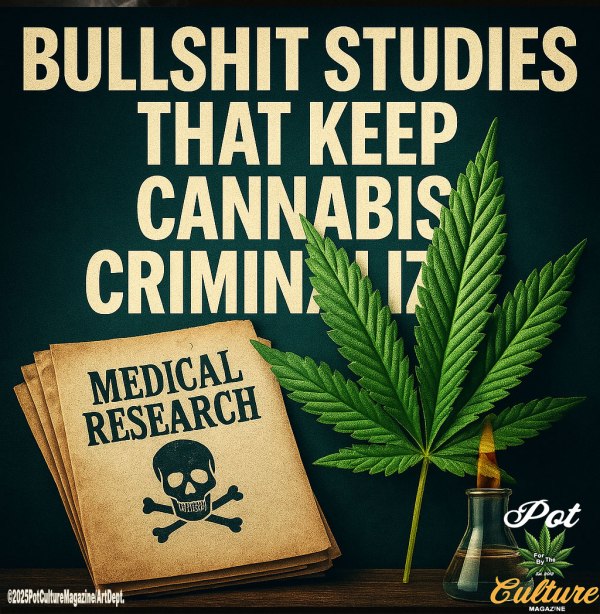
Bullshit Studies that Keep Cannabis Criminalized
For decades, junk science has fueled cannabis prohibition, from bogus chromosome scares to today’s clickbait about weed causing diabetes. Despite billions in tax revenue and no overdose deaths, scare studies dominate headlines while real-world data proves otherwise. This piece exposes how research funding, media bias, and political agendas keep cannabis criminalized despite all evidence.
High Anxiety: New York’s ER Panic Over Cannabis
New York ER visits tied to cannabis have doubled since legalization in 2021, with more than 135,000 cases logged in 2023. Prohibitionists call it a crisis, but the truth is education gaps, black-market products, and a botched rollout. Cannabis is not killing people; propaganda is. Outlaw culture says regulate, educate, and stop the panic.
The New York Times Wants to Scare the Sh*t Out of You
The New York Times is pushing a fear campaign on “cannabis poisonings” in kids, built on sloppy hospital coding, bad data, and lazy journalism. We break down the inflated numbers, call out the stupid motherf*ckers leaving edibles out, and show how real regulation not media panic protects children while exposing the NYT’s scare tactics
Blow Me: The Feds Claim They Can Smell THC On Your Breath
Federal researchers say they’ve detected THC in breath after edible use, but the science is flawed and the implications are dangerous. With no proven link between THC levels and impairment, this tech risks becoming another tool of biased enforcement especially against communities already targeted under cannabis laws