Reefer Report Card Vol. 29 tracks a week where cannabis demand held steady while governance cracked. Ballot initiatives threatened regulated markets, federal reform stalled behind messaging, and patients absorbed the fallout. Legal weed stayed popular. Oversight became optional. Another week where legalization survived but accountability did not.
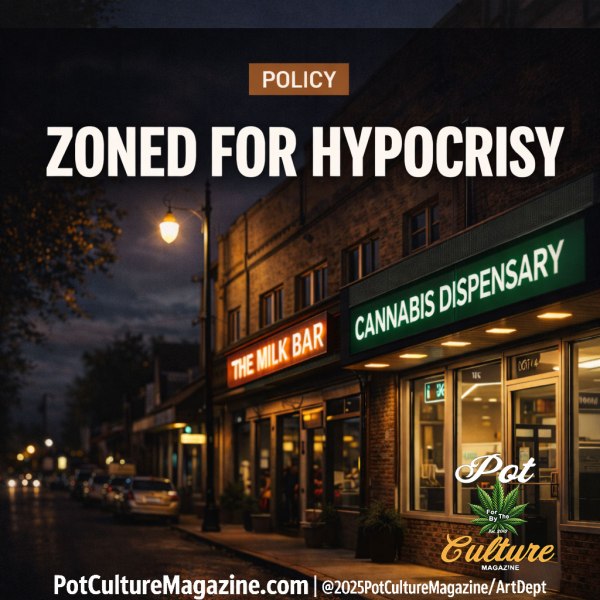
Zoned for Hypocrisy
A new medical cannabis dispensary on South Carrollton Avenue in New Orleans is labeled "controversial" in a corridor already saturated with alcohol and tobacco sales. This piece examines how zoning laws, stigma, and selective moral outrage continue to frame cannabis as a threat while more harmful substances remain normalized.
Christmas Without Permission
Christmas arrives with assumptions that don’t fit everyone. Cannabis culture has always lived outside permission, outside institutions, and outside seasonal narratives. This piece explores why the holidays often expose the gap between performance and survival, and how cannabis culture continues to persist quietly, honestly, and without apology when the noise fades.
Reefer Report Card Vol. 28: The Rescheduling That Wasn’t
This week’s Reefer Report Card cuts through the hype around cannabis “rescheduling,” exposing how a label change left federal prohibition fully intact. Arrest authority, workplace punishment, and immigration penalties remain untouched. Headlines claimed progress. Reality delivered none. A week defined by performance over policy, and reform that never arrived.
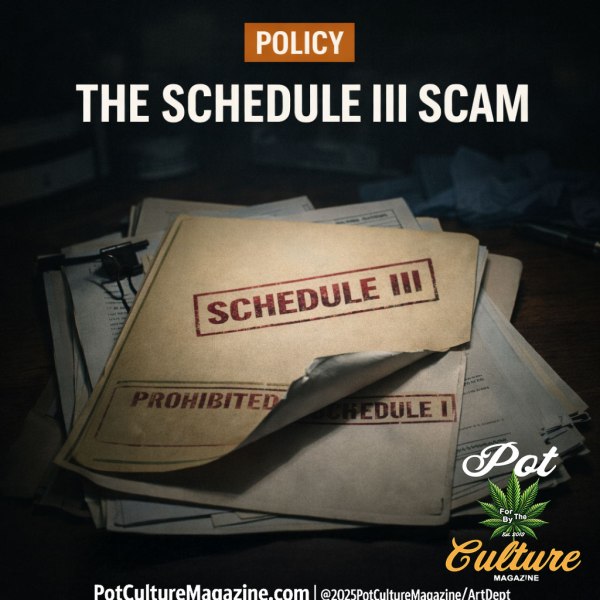
THE SCHEDULE III SCAM
Federal officials claim cannabis is moving forward, but Schedule III changes nothing that matters. This investigation breaks down what rescheduling actually does, what it deliberately avoids, and why prohibition logic remains intact. Arrests continue. Markets remain conflicted. Reform language replaces reform action. The system shifts labels while preserving control.
LEGAL WEED, OLD RULES
Legalization promised freedom but preserved prohibition logic. This investigation examines how cannabis reform left arrests, racial disparities, job punishment, medical blame, and equity barriers intact. By tracing enforcement, employment law, healthcare practice, and licensing rules, it shows how legalization changed the label without dismantling the system.