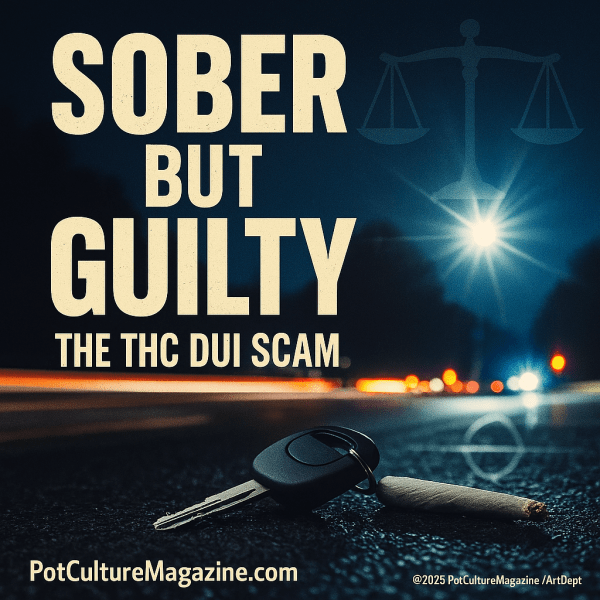
A new UC San Diego study shreds the myth that regular cannabis users are impaired days after smoking. Yet cops, lawmakers, and courts keep pushing THC blood limits that have no science behind them. This isn’t public safety, it’s prohibition by another name, and it’s nailing sober drivers to the wall.
Pete Davidson’s Weakness Is Not Weed’s Problem
Pete Davidson’s claim that weed is “too strong” isn’t just a personal meltdown, it’s ammunition for prohibitionists eager to push THC caps and bad laws. Cannabis culture has fought for decades to kill myths and lies, and we won’t let one unstable celebrity hand our enemies the soundbite they’ve been waiting for.
CRASH COURSE IN BULLSH*T: WHY THE WAR ON WEED DRIVING IS BUILT ON LIES
Fear based headlines claim cannabis is the new drunk driving threat, but federal data says otherwise. This hard edged investigation rips apart the science free panic, exposes the real crash culprit, alcohol, and explains how THC laws criminalize users for detection, not impairment. If you have weed in your system, you are guilty until proven sober.
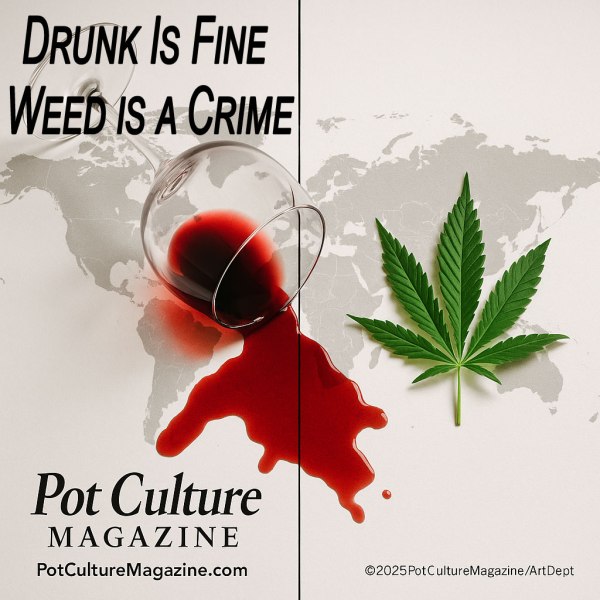
Drunk Is Fine Weed Is a Crime
Alcohol kills over 3 million people worldwide each year and still gets a free pass. Cannabis kills no one, yet it remains criminalized across most of the globe. This hard-edged report dismantles the hypocrisy behind global drug policy and exposes how alcohol gets a halo while weed gets a sentence. The numbers are in, and the story they tell is deadly.
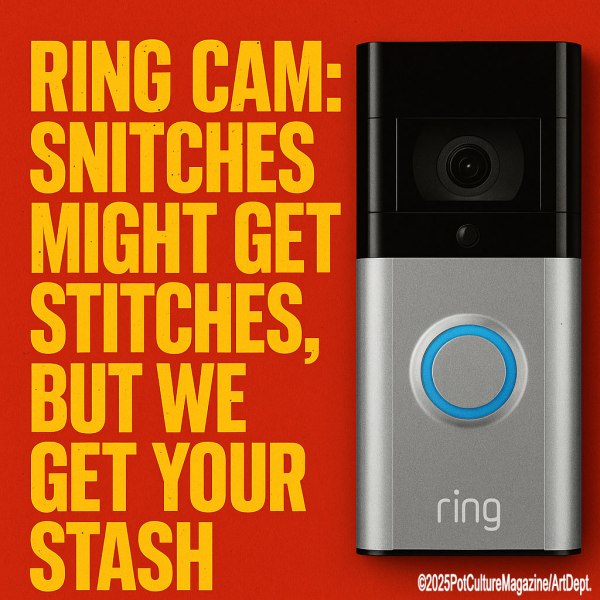
Ring Cam: Snitches Might Get Stitches, But We Get Your Stash
Some smart cameras protect your grow. Others dime you out. Ring has quietly handed over footage to cops without a warrant under “emergency” exceptions, and cannabis growers are ditching it fast. We break down which states protect you, which systems won’t sell you out, and why your front door cam might be your worst informant.
Blow Me: The Feds Claim They Can Smell THC On Your Breath
Federal researchers say they’ve detected THC in breath after edible use, but the science is flawed and the implications are dangerous. With no proven link between THC levels and impairment, this tech risks becoming another tool of biased enforcement especially against communities already targeted under cannabis laws