Idaho lawmakers passed a resolution urging voters to reject a medical cannabis initiative before it reaches the ballot. The move highlights how officials are shaping public opinion ahead of a vote, while maintaining strict prohibition and blocking even limited access for patients.
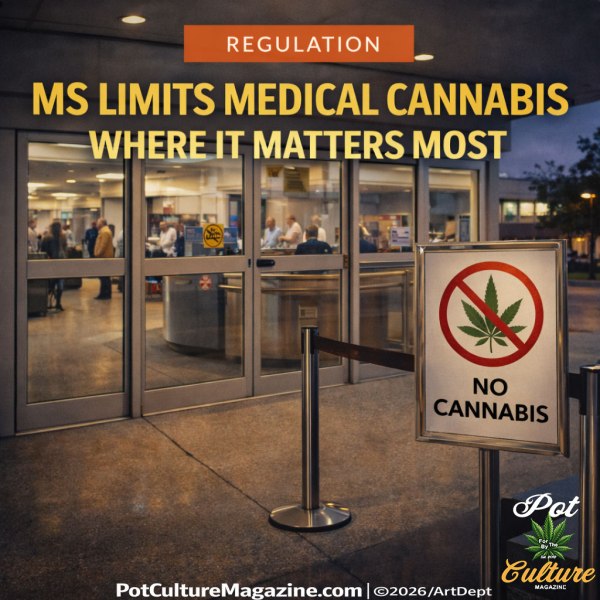
MS LIMITS MEDICAL CANNABIS WHERE IT MATTERS MOST
Mississippi maintains strict limits on medical cannabis after Governor Tate Reeves vetoed expansion bills on March 26, 2026. Patients remain unable to use cannabis in hospitals while eligibility and access rules stay tightly controlled. This feature examines what the veto blocks, how it affects patients, and what it means for the state’s growing cannabis market.
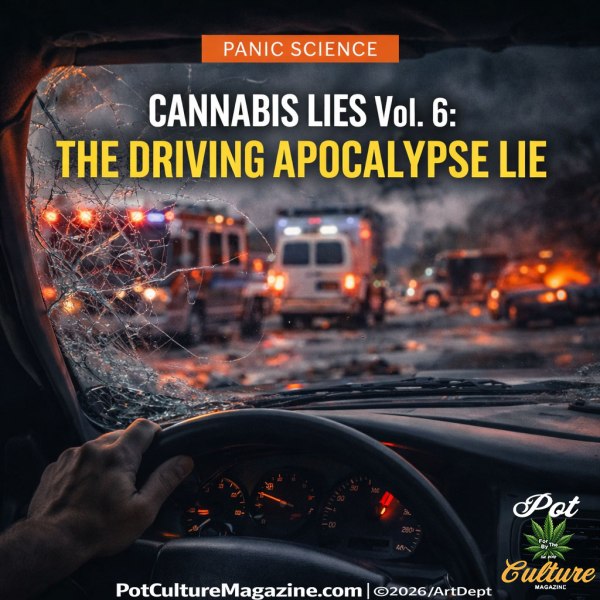
CANNABIS LIES Vol. 6: The Driving Apocalypse Lie
Legal cannabis is often blamed for rising traffic deaths, but federal data tells a more complicated story. NHTSA findings, toxicology limitations, and conflicting crash studies reveal that THC presence is not a reliable measure of impairment. This investigation breaks down how flawed testing and policy shortcuts have shaped the narrative around so-called stoned driving.
Thailand Lost Control
Thailand blew open its cannabis market, then tried to force it back under control. This feature tracks the country’s shift from prohibition to medical legalization, decriminalization, and regulatory backlash, exposing how weak enforcement, political pressure, and rushed policy turned a reform headline into a live case study in state correction.
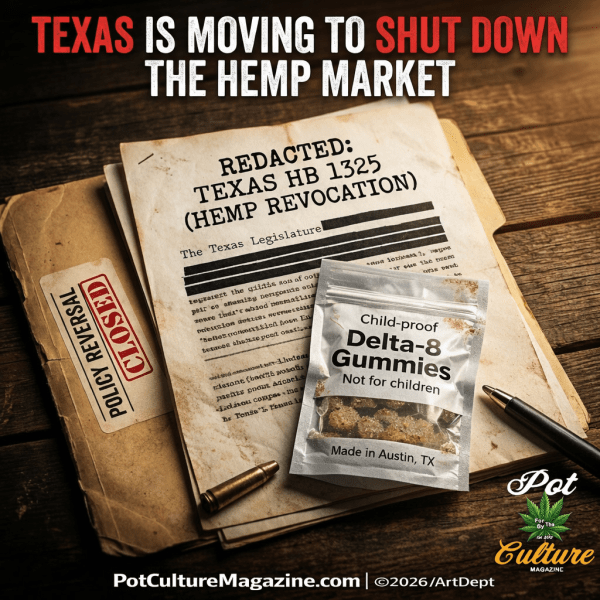
Texas Is Moving to Shut Down the Hemp Market
Texas helped build one of the largest hemp THC markets in the country, then moved to shut it down. As regulators tighten rules and enforcement increases, businesses are left exposed, and the future of hemp-derived cannabinoids hangs in the balance. This is not a simple crackdown. It is a full policy reversal with real economic consequences.
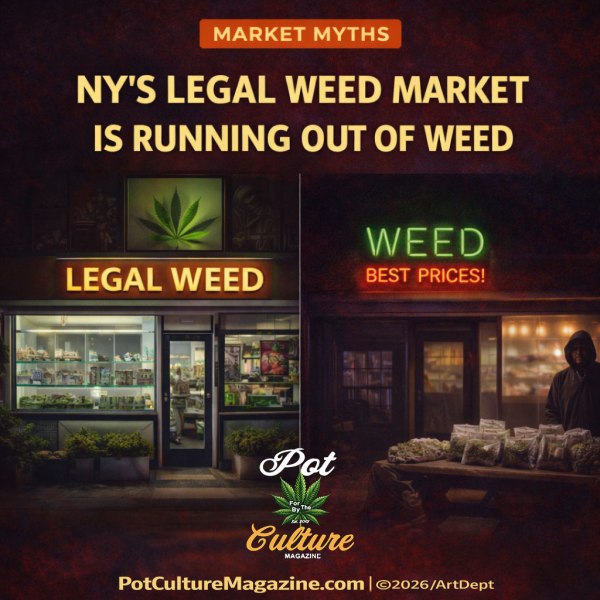
NY’s Legal Weed Market Is Running Out of Weed
New York legalized cannabis and opened hundreds of stores, but regulators now warn the legal market may not produce enough weed to keep them stocked. With nearly 600 stores open and sales nearing $3 billion, the state is discovering that legalization alone does not guarantee a functioning market.