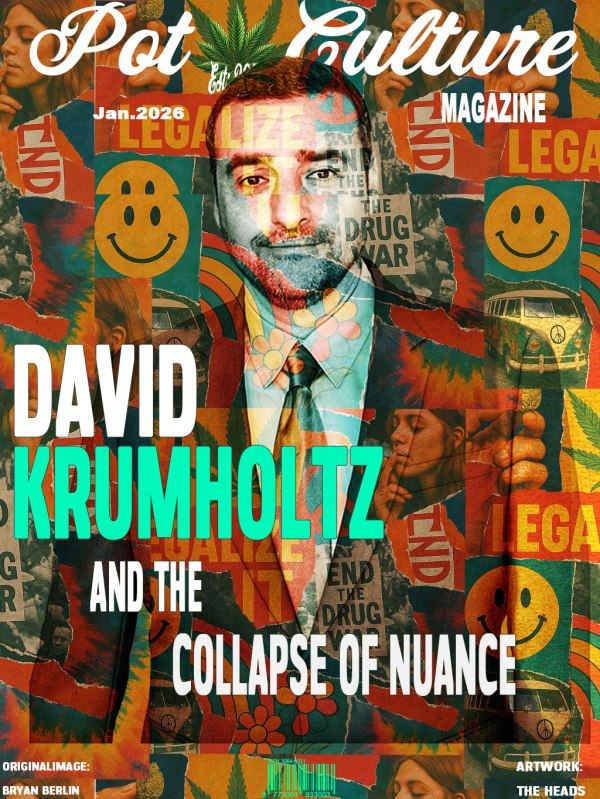
Actor David Krumholtz’s experience with Cannabinoid Hyperemesis Syndrome sparked a backlash that reveals a deeper problem in cannabis culture. This piece examines how rare conditions get weaponized, why defensive reactions backfire, and how patients, veterans, and families are erased when nuance collapses on both sides of the cannabis debate.
No Reset Required
As 2025 closes, cannabis reform headlines promised progress while delivering performance. Pot Culture Magazine looks back without celebration, without hype, and without illusions. This year did not resolve prohibition or fix power. It revealed who controls the narrative, who benefits from delay, and why cannabis culture keeps surviving without permission.
THE SCHEDULE III SCAM
Federal officials claim cannabis is moving forward, but Schedule III changes nothing that matters. This investigation breaks down what rescheduling actually does, what it deliberately avoids, and why prohibition logic remains intact. Arrests continue. Markets remain conflicted. Reform language replaces reform action. The system shifts labels while preserving control.
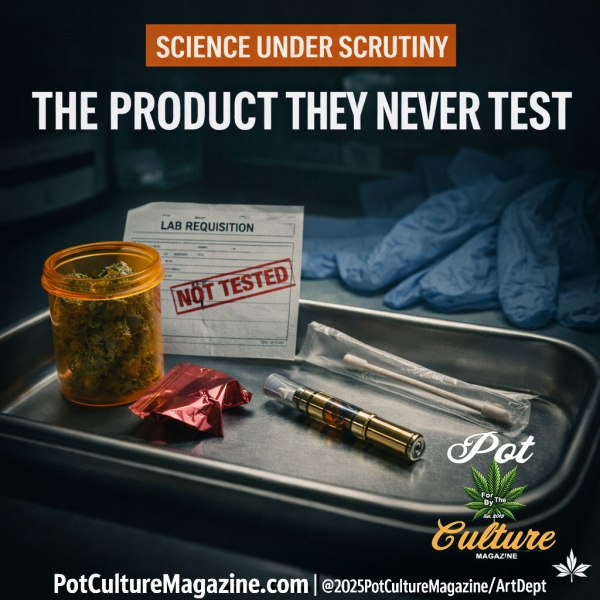
THE PRODUCT THEY NEVER TEST
Hospitals increasingly diagnose Cannabinoid Hyperemesis Syndrome without testing the cannabis products involved. This investigation examines how cartridges, edibles, and other cannabis materials are excluded from medical evaluation, despite known contamination risks, leaving patients with diagnoses based on symptoms and self reported use rather than verified evidence.
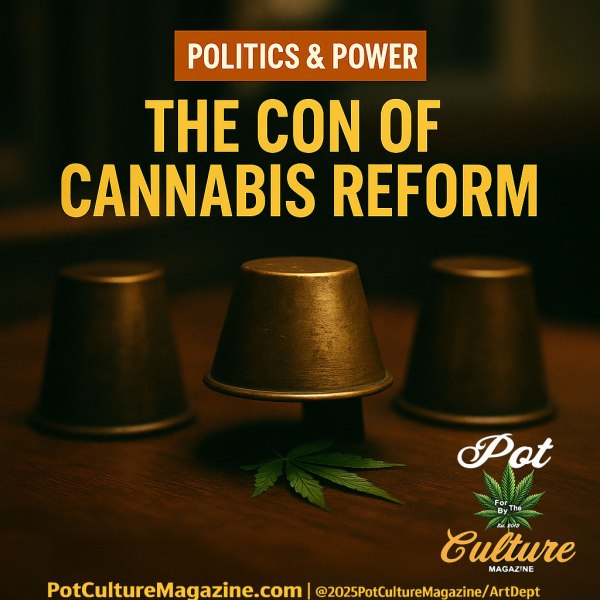
THE CON OF CANNABIS REFORM
Cannabis rescheduling keeps resurfacing in headlines, then vanishes without action. This feature breaks down how federal officials repeatedly float reform language, let deadlines pass, and leave the law untouched. By tracing the mechanics behind the stall, the piece exposes why delay is intentional, who benefits from it, and why cannabis reform remains trapped in federal limbo.
Ohio Tightens Screws On Legal Weed
Ohio voters approved legalization, but lawmakers followed with Senate Bill 56, a measure that tightens control through enforcement expansion, licensing caps, and market restrictions. This piece breaks down what the law actually changes, who benefits from the new structure, and how state authority grows while legal access narrows after the vote.