NY’s Legal Weed Market Is Running Out of Weed

New York legalized cannabis and opened hundreds of stores, but regulators now warn the legal market may not produce enough weed to keep them stocked. With nearly 600 stores open and sales nearing $3 billion, the state is discovering that legalization alone does not guarantee a functioning market.

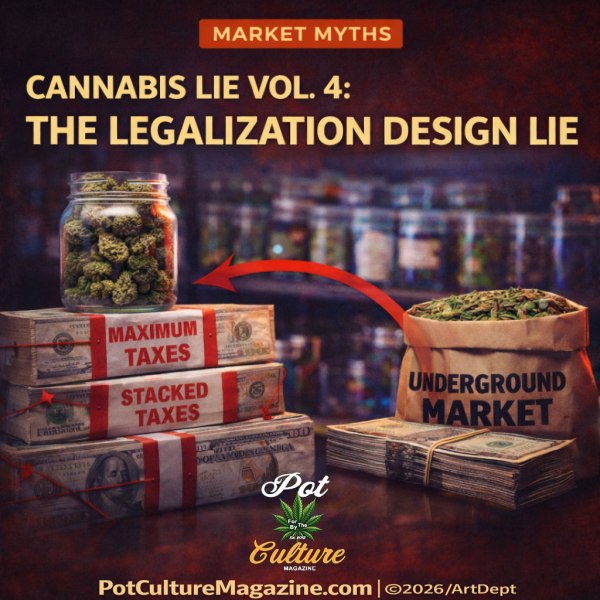
Cannabis Lie Vol. 4: The Legalization Design Lie

Cannabis legalization was sold as the end of the illicit market. Instead, stacked taxes, licensing limits, and local bans created price gaps that allowed underground sales to survive. From California’s cultivation tax to Illinois pricing and Michigan’s price compression, this installment of Cannabis Lie examines how policy design, not the plant, determines who wins and who stays in the shadows.

Louisiana’s Cannabis Pilot Gamble

Louisiana HB 373 would create a tightly controlled adult-use cannabis pilot overseen by the Louisiana Department of Health. The bill limits participation to existing medical marijuana dispensaries, imposes permit renewal fees and a 3.5 percent wholesale assessment, and sunsets July 1, 2030, forcing lawmakers to decide whether to make legalization permanent.

Why Illegal Weed Thrives in Legal Cannabis Markets

Nevada’s legal cannabis market runs in plain sight, yet unlicensed sales keep pace because the rules still leave openings. Price gaps, compliance costs, patchy access, and limited places to consume make the illicit channel feel easier for many buyers. This feature tracks what the numbers show, why raids only disrupt, and what actually shrinks underground sales.

Reefer Report Card Vol. 32: Kicking the Can Again

This week’s Reefer Report Card tracks a familiar pattern in cannabis policy: delay dressed as progress. Federal lawmakers punted again on hemp regulation, states flirted with dismantling legal markets, and patients were left waiting. Oversight weakened, accountability faded, and reform stalled. Another week in weed, graded.

The Federal Hemp Blueprint That Isn’t

A proposed federal hemp framework is being sold as long overdue clarity for a chaotic market. But beneath the promise of order, the structure reveals rigid caps, unresolved enforcement questions, and a quiet shift of power away from states and smaller producers. We break down what the proposal does, what it avoids, and why the difference matters.

Create a website or blog at WordPress.com

Up ↑