Weed shops profit from cannabis culture while refusing to hire the people who shaped it. Insurers, compliance officers, and corporate rules punish cannabis users even in legal states. Testing myths, background screening, and liability fear filter out anyone with real experience. The result is a workforce designed to exclude the culture that keeps the industry alive.
Dead Flowers: The Waste of American Weed
Every year, millions of pounds of perfectly good cannabis are destroyed under “safety” rules that do little but feed landfills. From testing failures to expiration laws, the system burns medicine while patients go without. Dead Flowers: The Waste of American Weed follows the regulators, the waste, and the absurd logic behind America’s most profitable destruction ritual.
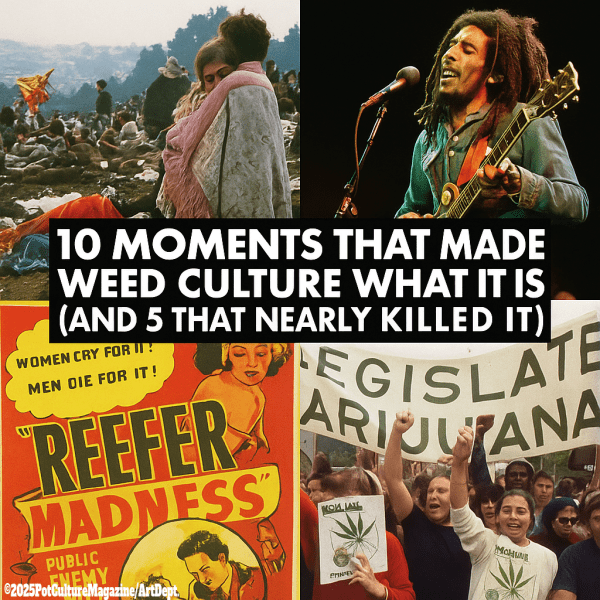
10 Moments That Made Weed Culture What It Is (and 5 That Nearly Killed It)
Weed culture didn’t just happen; it was built in smoke-filled rooms, protest rallies, and courtroom battles. From 420’s origin to corporate takeovers that nearly killed it, these are the moments that shaped cannabis history. Discover how legends like Jack Herer, Steve Hager, and the Waldos created a movement bigger than any strain.
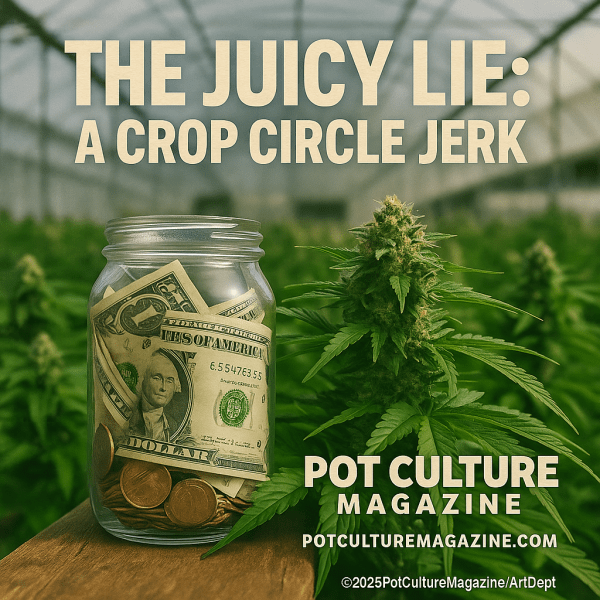
The Juicy Lie: A Crop Circle Jerk
JuicyFields promised passive income from medical cannabis but delivered one of the biggest frauds in the weed world. This exposé rips into the digital hustle, fake farms, crypto fronts, and the gullible greed that helped turn a weed dream into a global con.
Fear, Fraud, and the Flower They Framed
From Hearst’s racist headlines to DEA funded junk science, cannabis has been framed, smeared, and scapegoated for over a century. This feature exposes how lies became law, how fear fueled policy, and how the truth got buried under headlines. It's not just history, it’s a damn indictment.
$24.7 Billion Later, Legal Weed’s Massive Tax Haul Is Getting Harder to Ignore
Legal cannabis has generated nearly $25 billion in tax revenue, with $4.4 billion collected in 2024 alone. States benefit significantly, funding various community programs. However, equity issues remain, as many who contributed to legalization are still marginalized. The promise of justice is overshadowed by bureaucracy and economic barriers for legacy growers.