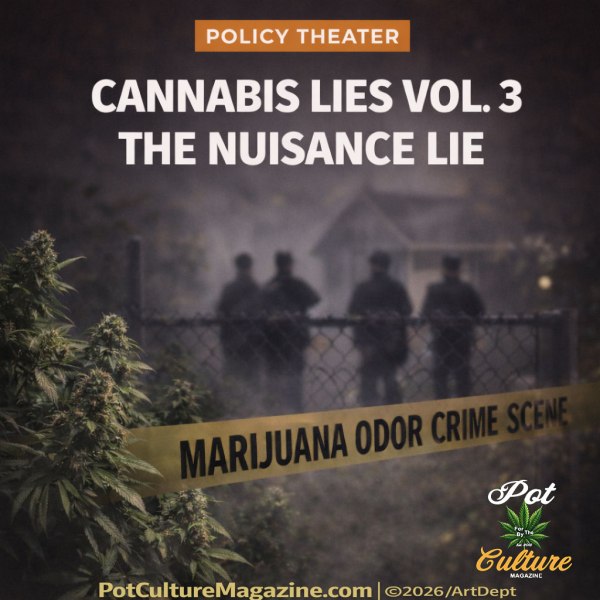
Cannabis Lies Vol. 3: The Nuisance Lie
Arizona lawmakers are advancing legislation that would criminalize “excessive” marijuana odor detectable across property lines. Cannabis Lie Vol. 3 examines SB 1725 and SCR 1048, the proposed misdemeanor penalties, the legal implications of State v. Sisco, and why critics argue this is a backdoor attempt to reintroduce cannabis criminalization under the banner of nuisance law.

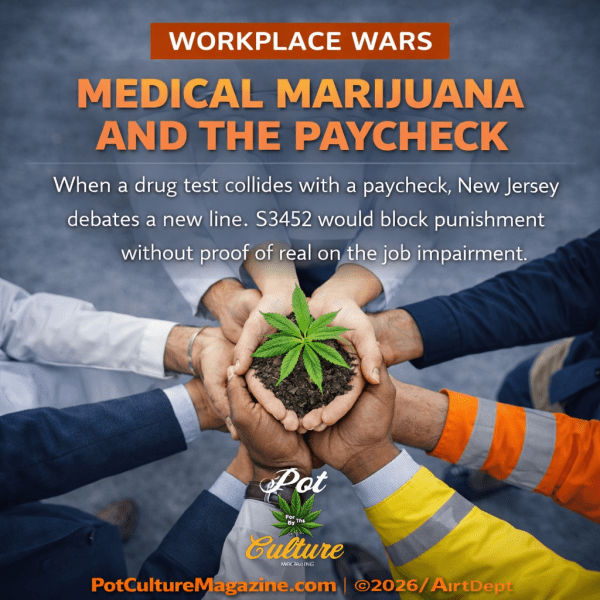
Medical Marijuana and the Paycheck

Workplace Wars continues in New Jersey, where Senate Bill S3452 would protect registered medical cannabis patients from metabolite-only drug test punishment. The proposal shifts the burden to employers, requiring proof by a preponderance of the evidence that lawful medical use caused on-duty impairment, backed by specific articulable symptoms. It also keeps the written notice and three-day explanation or retest process.

Weed, Guns, and “Unlawful User”

Federal law bans gun ownership for anyone labeled an “unlawful user” of cannabis, but it never clearly defines what that means. The result is a shifting standard that changes by circuit, by evidence, and by prosecutor. This feature breaks down the legal fog, the enforcement leverage, and why vagueness is the real power play.

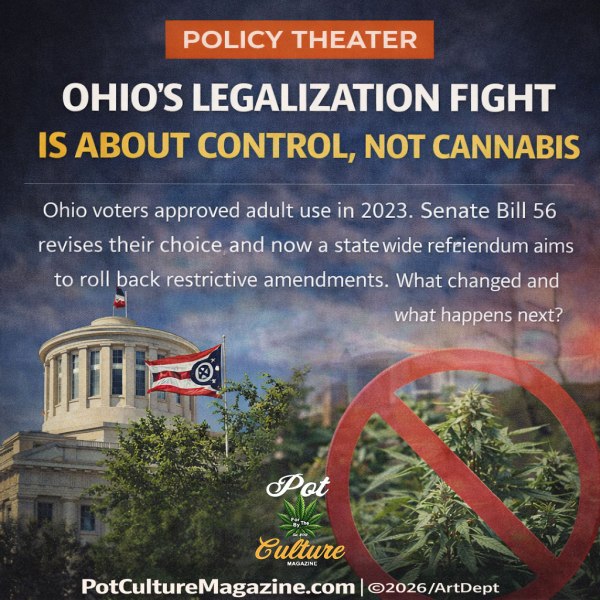
OHIO’S LEGALIZATION FIGHT IS ABOUT CONTROL, NOT CANNABIS

Ohio voters approved adult use cannabis with 57 percent support in 2023. Two years later, lawmakers narrowed that framework through Senate Bill 56. A referendum campaign now seeks to overturn those revisions, requiring roughly 248,000 valid signatures statewide. This piece breaks down what changed, who changed it, and what voters are being asked to decide next.

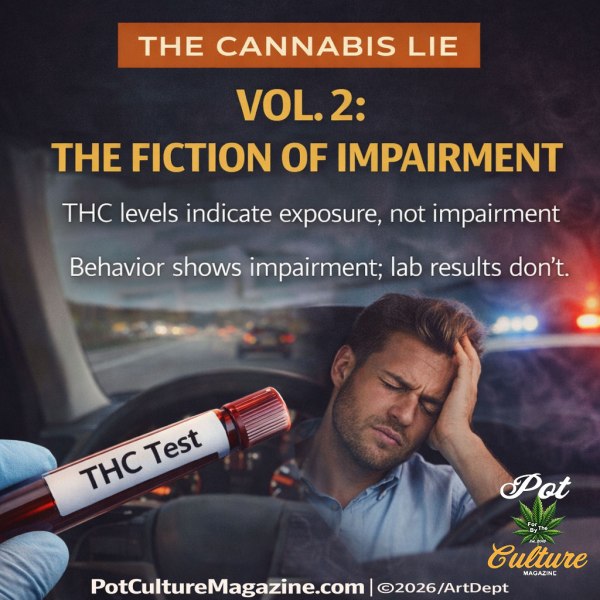
THE CANNABIS LIE: Vol. 2

THE CANNABIS LIE is a reporting series examining how cannabis policy turns shaky assumptions into hard penalties. In THE CANNABIS LIE: Vol. 2, The Fiction of Impairment, THC detection is often treated like proof of impairment, even though blood levels show a weak, inconsistent relationship to functional driving ability. This installment explains why per se THC limits and zero tolerance rules create false certainty, why urine metabolites only show prior exposure, and why real impairment should be demonstrated through behavior and context, not presumed from a lab result.

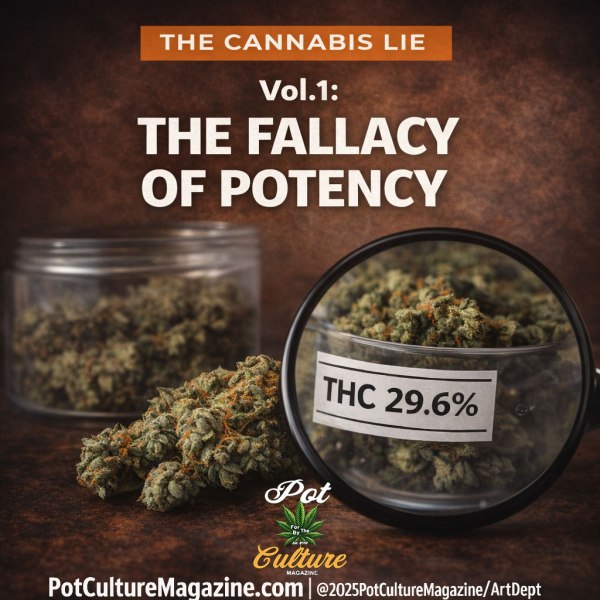
THE CANNABIS LIE: Vol. 1

This new investigative series begins by confronting one of cannabis policy’s most durable myths. THC percentage became a convenient shortcut for harsher laws, even though higher potency has never equaled greater danger. Vol. 1 documents how numbers replaced evidence and how courts, media, and policy still punish people for a claim that cannot survive scrutiny.

Create a website or blog at WordPress.com

Up ↑