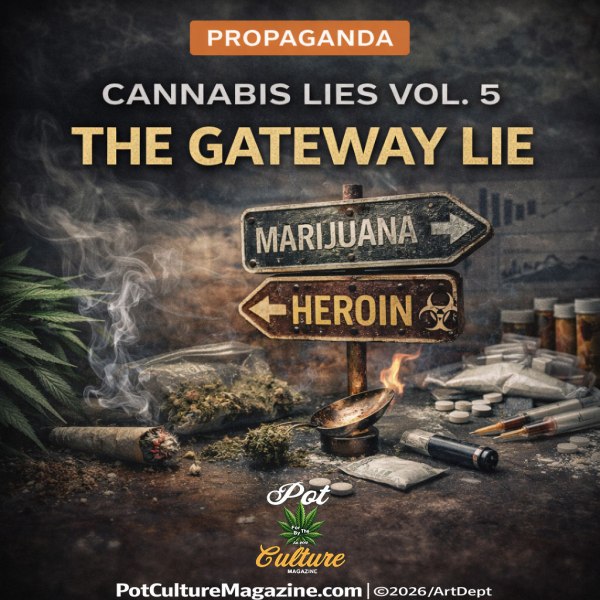
For decades, politicians have claimed marijuana is a gateway to heroin and harder drugs. Federal youth surveys, NSDUH data, and NIDA’s own language tell a different story. Cannabis use is widespread, hard drug use remains rare, and most users do not progress. The data dismantles one of prohibition’s most durable fear narratives.
The Cannabis Lie: Vol. 4 — The Crime Wave Lie
Politicians and pundits warned that legal cannabis would unleash a crime wave. The data tell a different story. From Colorado’s violent crime trends to DOJ time-series research and statewide arrest declines, the evidence shows no consistent long-term surge tied to legalization. The numbers never matched the panic.
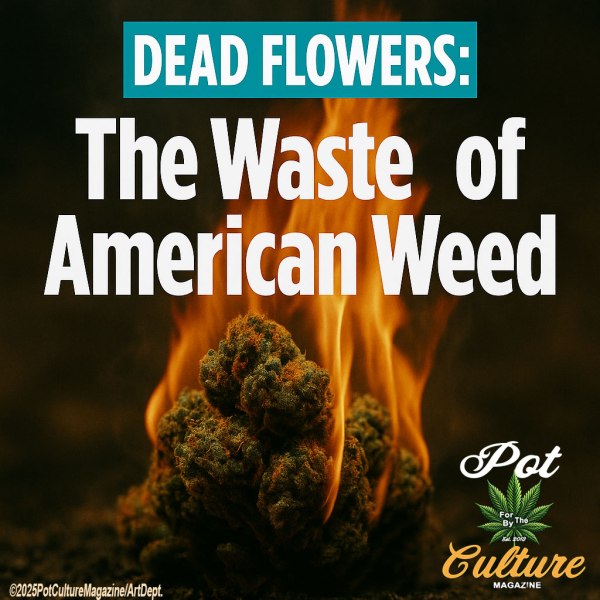
Dead Flowers: The Waste of American Weed
Every year, millions of pounds of perfectly good cannabis are destroyed under “safety” rules that do little but feed landfills. From testing failures to expiration laws, the system burns medicine while patients go without. Dead Flowers: The Waste of American Weed follows the regulators, the waste, and the absurd logic behind America’s most profitable destruction ritual.
Tainted Dreams: Colorado Kicks Out Midnight Drops
Colorado regulators just banned Midnight Drops after reports linked the cannabis sleep aid to liver injuries. Nuka Enterprises and affiliates were fined $400,000 and booted from the state, but loopholes may allow their return. This is not about the plant. It is about corporate shortcuts, weak oversight, and the way scandals weaponize prohibitionist narratives against cannabis culture.
CANNABIS PANIC IN DENVER
Denver’s new “cannabis psychosis” documentary blames weed for mental health crises, but the science tells a different story. Pot Culture Magazine follows the fear machine, exposes the shaky studies, and calls out the system pushing prohibitionist panic. This isn’t about health. It’s about control.
$24.7 Billion Later, Legal Weed’s Massive Tax Haul Is Getting Harder to Ignore
Legal cannabis has generated nearly $25 billion in tax revenue, with $4.4 billion collected in 2024 alone. States benefit significantly, funding various community programs. However, equity issues remain, as many who contributed to legalization are still marginalized. The promise of justice is overshadowed by bureaucracy and economic barriers for legacy growers.