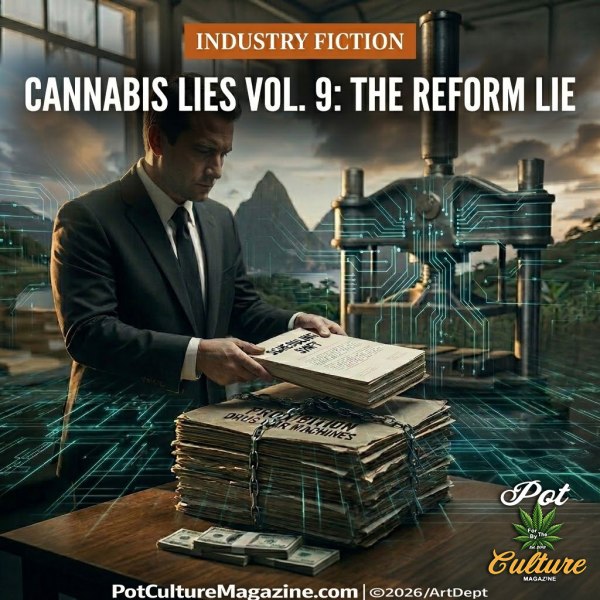
The federal move to Schedule III is a masterclass in bureaucratic maintenance. While corporations celebrate tax relief, the core structure of the drug war remains untouched. This analysis deconstructs the Reform Lie, exposing how the state uses symbolic gestures to professionalize a privilege for the few while keeping the machinery of punishment active for everyone else.
Gov. Abigail Spanberger’s Virginia Sabotage
Virginia legalized possession, but Governor Abigail Spanberger sabotaged the retail market. By delaying sales until 2027 and gutting equity provisions, the Commonwealth institutionalized a half-legal trap. Consumers now navigate a system that treats possession as a right but supply as a crime, fueling an unchecked illicit market while abandoning promised reform. Spanberger’s public safety rhetoric is clearly a mask for obstruction.
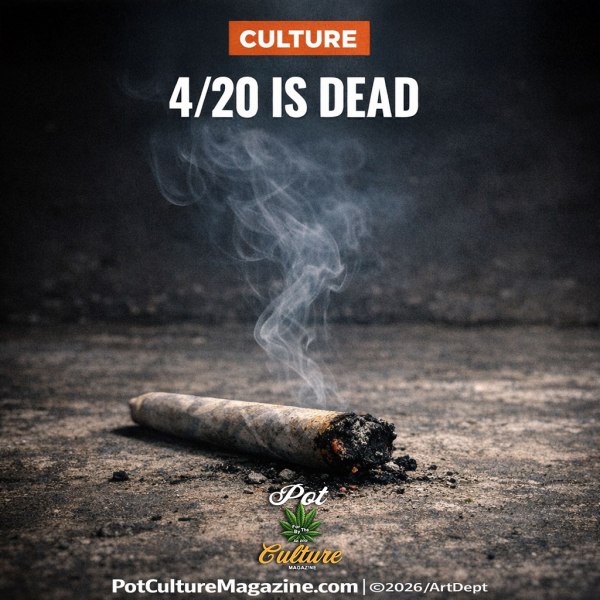
4/20 is Dead
4/20 has been hollowed out by branding, corporate silence, and a culture that forgot its own history. While the industry sells holiday merch, Singapore executed a man for cannabis. The movement that once fought for autonomy now treats the plant like a commodity. This piece examines the cost of that betrayal and the culture left behind.
IDAHO TRIES TO STOP A VOTE BEFORE IT STARTS
Idaho lawmakers passed a resolution urging voters to reject a medical cannabis initiative before it reaches the ballot. The move highlights how officials are shaping public opinion ahead of a vote, while maintaining strict prohibition and blocking even limited access for patients.
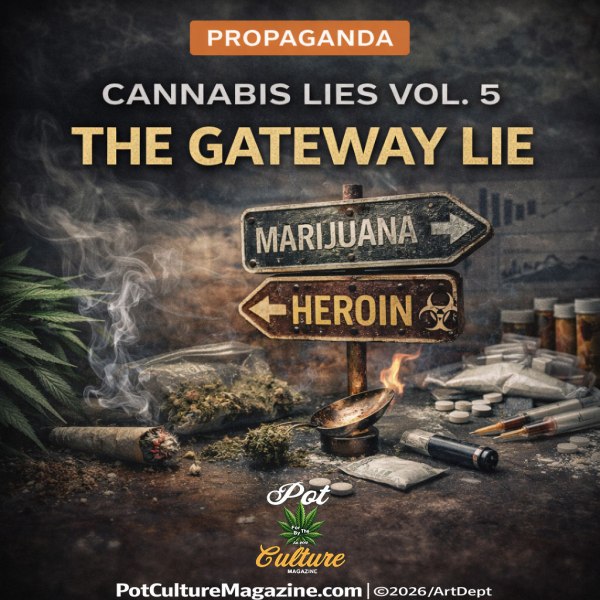
CANNABIS LIES Vol. 5: The Gateway Lie
For decades, politicians have claimed marijuana is a gateway to heroin and harder drugs. Federal youth surveys, NSDUH data, and NIDA’s own language tell a different story. Cannabis use is widespread, hard drug use remains rare, and most users do not progress. The data dismantles one of prohibition’s most durable fear narratives.
The Cannabis Lie: Vol. 4 — The Crime Wave Lie
Politicians and pundits warned that legal cannabis would unleash a crime wave. The data tell a different story. From Colorado’s violent crime trends to DOJ time-series research and statewide arrest declines, the evidence shows no consistent long-term surge tied to legalization. The numbers never matched the panic.