Filed Under: Legal Loopholes, Culture Clash
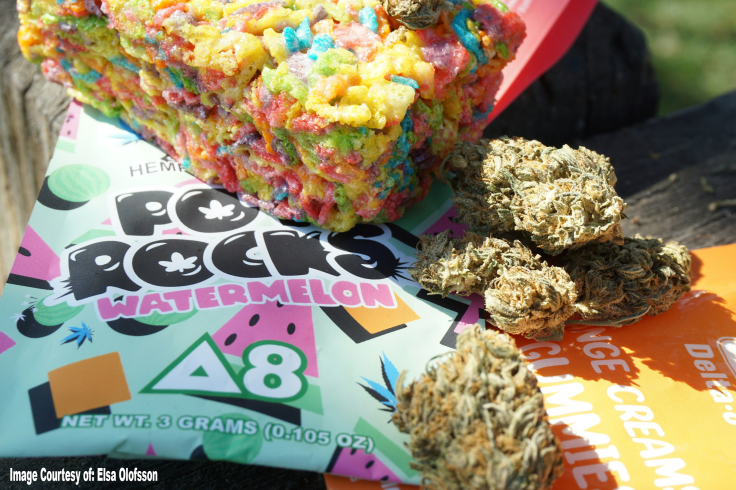
Delta-8 THC was never meant to happen. When Congress passed the 2018 Farm Bill, they legalized hemp as long as it contained no more than 0.3 percent delta-9 THC by dry weight. Lawmakers wanted to allow industrial hemp for rope, textiles, and CBD wellness products. They did not anticipate that a psychoactive cousin of THC would emerge as the most profitable byproduct of that law. Within two years, delta-8 THC had slipped through the cracks and sparked a billion-dollar gray market.
Delta-8 gummies, vapes, and tinctures promise a legal high without the need for a dispensary card. Retailers sell it from gas stations, smoke shops, and websites with flashing banners claiming “Farm Bill Compliant.” Consumers buy it thinking it is safe and legal. The truth is more complicated. Delta-8 lives in a legal gray zone where federal agencies disagree, state laws conflict, and almost no one is testing these products for purity or potency.
Federal regulators were blindsided when hemp entrepreneurs discovered they could convert hemp-derived CBD into delta-8 THC using solvents and acids. The Farm Bill legalized hemp “derivatives,” and companies argued that their products fell within the letter of the law. The Drug Enforcement Administration disagreed. In 2021, the DEA warned that chemically synthesizing delta-8 from CBD creates a synthetic cannabinoid that remains illegal under the Controlled Substances Act. Cannabis lawyers accused the DEA of overreach. Court rulings have so far favored hemp producers, with a 2022 federal appeals court declaring that delta-8 is not a controlled substance under federal law. This legal tug-of-war has left delta-8 in limbo, federally legal in theory but vulnerable to enforcement in practice.
Seventeen states, including Colorado, New York, and Oregon, banned delta-8 outright. Seven others imposed restrictions like age limits, potency caps, and mandatory lab testing. Tennessee allows delta-8 but limits gummies to 25 milligrams per serving and requires retailers to verify customers are over twenty-one. In twenty-two states and Washington, D.C., delta-8 remains legal by default, even though enforcement is inconsistent. Alabama, Florida, and Maryland allow sales with minimal oversight. In Idaho and Nebraska, possessing delta-8 carries the same penalties as marijuana. Texas health officials tried to ban delta-8 in 2021, triggering lawsuits from hemp companies. A temporary injunction blocked the ban while the Texas Supreme Court considers whether the state overstepped its authority.
FOR THE CULTURE BY THE CULTURE
CANNABIS LIES Vol. 5: The Gateway Lie
For decades, politicians have claimed marijuana is a gateway to heroin and harder drugs. Federal youth surveys, NSDUH data, and NIDA’s own language tell a different story. Cannabis use is widespread,…

The Study That Pretends Cannabis Does Nothing
A new cannabis study claims marijuana does nothing for anxiety, depression, or PTSD. The reality is far more complicated. Decades of federal restrictions, limited research access, and synthetic substitutes have shaped…
Consumers describe delta-8 as “weed light,” a calmer, less paranoid high compared to traditional cannabis. Medical users say it helps them sleep, eases pain, and stimulates appetite. But this unregulated market has produced dangerous outcomes. The FDA received over 300 adverse event reports involving delta‑8 THC between January 2021 and February 2022, including symptoms like hallucinations, vomiting, tremors, anxiety, dizziness, confusion, and loss of consciousness. Poison control centers logged 2,362 exposure cases during that period; 41% involved children, 70% required medical care, and 8% ended up in intensive care. Alarmingly, the FDA confirmed one pediatric death linked to a delta‑8 edible ingestion. The CDC issued a health alert in September 2021 as emergency visits spiked
The lack of oversight has also created a market flooded with mislabeled and contaminated products. Investigations uncovered vape cartridges containing dangerous solvents and heavy metals. Some products labeled “hemp extract” contained higher levels of delta-9 THC than allowed under federal law, turning them into illegal marijuana in disguise. Retailers have been accused of marketing delta-8 edibles in packaging designed to appeal to children. In 2023, the FDA and FTC jointly warned companies to stop selling gummies and candies in lookalike packaging that mimicked popular brands like Nerds Rope, Sour Patch Kids, and Oreos.
Outside the United States, delta-8 has not enjoyed the same regulatory blind spot. Canada treats all THC isomers as cannabis and allows delta-8 sales only through licensed dispensaries, subject to strict quality controls. Selling delta-8 outside this system is illegal. In the United Kingdom, delta-8 is a controlled substance under the Misuse of Drugs Act, making production, possession, or sale a criminal offense. Germany, France, and Italy also ban delta-8 as part of broader prohibitions on THC isomers. Even in countries with tolerant cannabis laws, delta-8 cannot be imported or sold without government approval. Travelers carrying delta-8 across borders have been arrested and charged with drug trafficking.
Lawmakers in Washington are preparing to shut the door on delta-8. A proposed amendment to the next Farm Bill would ban all intoxicating hemp products, redefining hemp to exclude any cannabinoids that produce a high. This change would devastate delta-8 businesses and wipe the gray market off the map. Some states are already folding delta-8 into their regulated cannabis programs, forcing retailers to apply for licenses and comply with strict testing and labeling standards. Others are banning it outright, citing public health concerns.
For now, delta-8 exists in a legal twilight. It is neither fully legal nor entirely illegal. Consumers looking for a cheap, legal high are fueling a market regulators cannot control. But the clock is ticking. One cannabis policy expert summed it up bluntly. “Delta-8 is not the future of cannabis; it is a symptom of a broken system. Either regulators bring it into the fold or they shut it down.”
If Congress does not act, states will continue their patchwork bans, and consumers will be left navigating an unpredictable and potentially dangerous landscape.
©2025 Pot Culture Magazine. All rights reserved. This content is the exclusive property of Pot Culture Magazine and may not be reproduced, distributed, or transmitted in any form or by any means without prior written permission from the publisher, except for brief quotations in critical reviews.
Discover more from POT CULTURE MAGAZINE
Subscribe to get the latest posts sent to your email.

Leave a comment