–Canadian Cannabis —
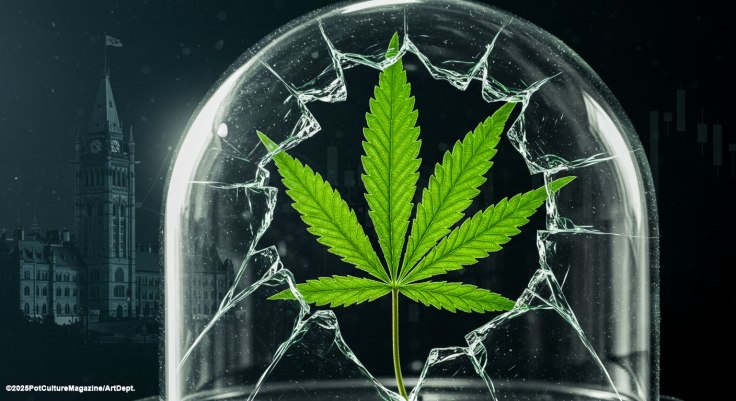
The resignation of Justin Trudeau marks the end of an era for Canada’s cannabis industry. As the man who brought legalization to life steps away from the national stage, the question lingers: what comes next for a sector still fighting to find its footing? Trudeau’s gamble to legalize recreational cannabis in 2018 cemented his legacy as a reformer, turning Canada into a global pioneer in drug policy and sparking hope among advocates and producers alike. But even as legalization became a reality, cracks in the system emerged, and those cracks now threaten to widen in his absence.
Trudeau’s administration, for all its historic achievements, left the cannabis industry in a precarious position. A flat-rate excise tax that doesn’t account for market fluctuations and provincial markups that can reach nearly 70% created financial hurdles that producers have struggled to overcome. By mid-2023, unpaid excise tax bills topped CA $200 million, and more than 80% of licensed producers reported losing money. While Trudeau’s government planned to review the excise tax system in 2025, his resignation casts doubt on whether this initiative will stay on track. Producers are left wondering if relief is coming or if the status quo will persist under new leadership.
The future of Canada’s cannabis industry hinges on what happens next in Ottawa. If a Conservative government takes power, industry insiders worry that cannabis could fall off the priority list entirely. Cuts to Health Canada’s regulatory branch could slow licensing and amendments, creating backlogs and stagnation in an industry struggling to compete with the illicit market. On the other hand, a new government might see the economic potential of cannabis and focus on cutting red tape to unlock growth. The problem is, that no one knows which path will prevail.
The cannabis industry has proven to be more than just a regulatory experiment; it’s a significant driver of jobs, tax revenue, and social change. Yet, the current regulatory system holds it back. Restrictions on advertising, THC content in edibles, and innovation prevent legal operators from competing effectively. Producers are calling for a more adaptable framework that fosters entrepreneurship while maintaining safety standards. Additionally, embracing opportunities for international partnerships and sustainability could help Canada stay competitive in the global cannabis market.
Advocacy remains a powerful tool for change. Groups like NORML Canada and Medical Cannabis Canada (MCC) are mobilizing support for reform, while grassroots movements remind policymakers that legalization isn’t a policy to abandon—it’s a foundation to build upon. As Canadians increasingly accept cannabis as part of everyday life, the industry’s survival depends on keeping that momentum alive.
As Canada transitions into its post-Trudeau phase, one thing is clear: the cannabis industry won’t thrive without collective action. Producers, consumers, and advocates must work together to hold the government accountable and push for policies that reflect the realities of a growing sector. Legal weed isn’t going anywhere, but its future depends on how hard people are willing to fight to make it sustainable. With the right moves, Canada can keep its place as a global leader in cannabis regulation. Without them, it risks becoming a cautionary tale.
© 2025 Pot Culture Magazine. All rights reserved. This content is the exclusive property of Pot Culture Magazine and may not be reproduced, distributed, or transmitted in any form or by any means without prior written permission from the publisher, except for brief quotations in critical reviews.
Discover more from POT CULTURE MAGAZINE
Subscribe to get the latest posts sent to your email.

Leave a comment