
As cannabis culture evolves, so do its innovations and its risks. Enter HHC, or hexahydrocannabinol, a semi-synthetic cannabinoid derived from hemp. Promoted as a legal alternative to THC, HHC has gained traction in places where cannabis laws are murky. But as its popularity grows, so does the controversy surrounding its safety and lack of regulation, with troubling reports, especially from Ireland, spotlighting its dangers.
HHC is marketed as a “legal high,” flying under the radar of regulatory oversight. Produced by chemically altering CBD from hemp, it skirts legal definitions of cannabis in many countries. The result? Products with dubious manufacturing practices, unpredictable potency, and minimal oversight. In Ireland, HHC vapes have been linked to cases of psychosis in adolescents as young as 13. Health authorities are sounding the alarm about the risks of these products, but legislative action remains slow. The U.S. faces similar concerns, with HHC available in states with restrictive cannabis laws. The absence of federal regulation has led to a Wild West-style market, raising red flags among health experts.
In the United States, HHC occupies a legal gray area. Derived from hemp, it is technically legal under the 2018 Farm Bill. But its psychoactive effects make it comparable to THC, raising questions about its safety and legitimacy. Reports of adverse reactions, including nausea, paranoia, and dizziness, mirror those associated with poorly regulated synthetic cannabinoids. Unlike THC and CBD, HHC lacks established guidelines for production or testing. This leaves consumers vulnerable to unverified claims and potential health hazards, particularly in states where cannabis remains illegal, and HHC fills the void.
The lack of regulation is the heart of the issue. Without oversight, manufacturers can produce HHC products without adhering to safety or quality standards, endangering public health. Legislative action is needed to establish clear guidelines for semi-synthetic cannabinoids like HHC. Consumer awareness campaigns must highlight the risks of unregulated cannabinoids, while mandatory third-party testing for potency and purity should be enforced. Stricter age verification processes are crucial for protecting young people from exposure to potentially harmful products.
HHC might sound like a groundbreaking alternative for cannabis enthusiasts, but its unregulated nature makes it a risky gamble. As cases of adverse effects grow, the need for swift regulatory action is clear. For consumers, the lesson is simple: Know what you’re using and demand transparency from manufacturers.
Have you encountered HHC products? What’s your take on this unregulated cannabinoid? Let us know in the comments or on social media.
© 2024 Pot Culture Magazine. All rights reserved.
This content is the exclusive property of Pot Culture Magazine. It may not be reproduced, distributed, or transmitted in any form or by any means without prior written permission from the publisher, except for brief quotations in critical reviews.
F O R T H E C U L T U R E B Y T H E C U L T U R E
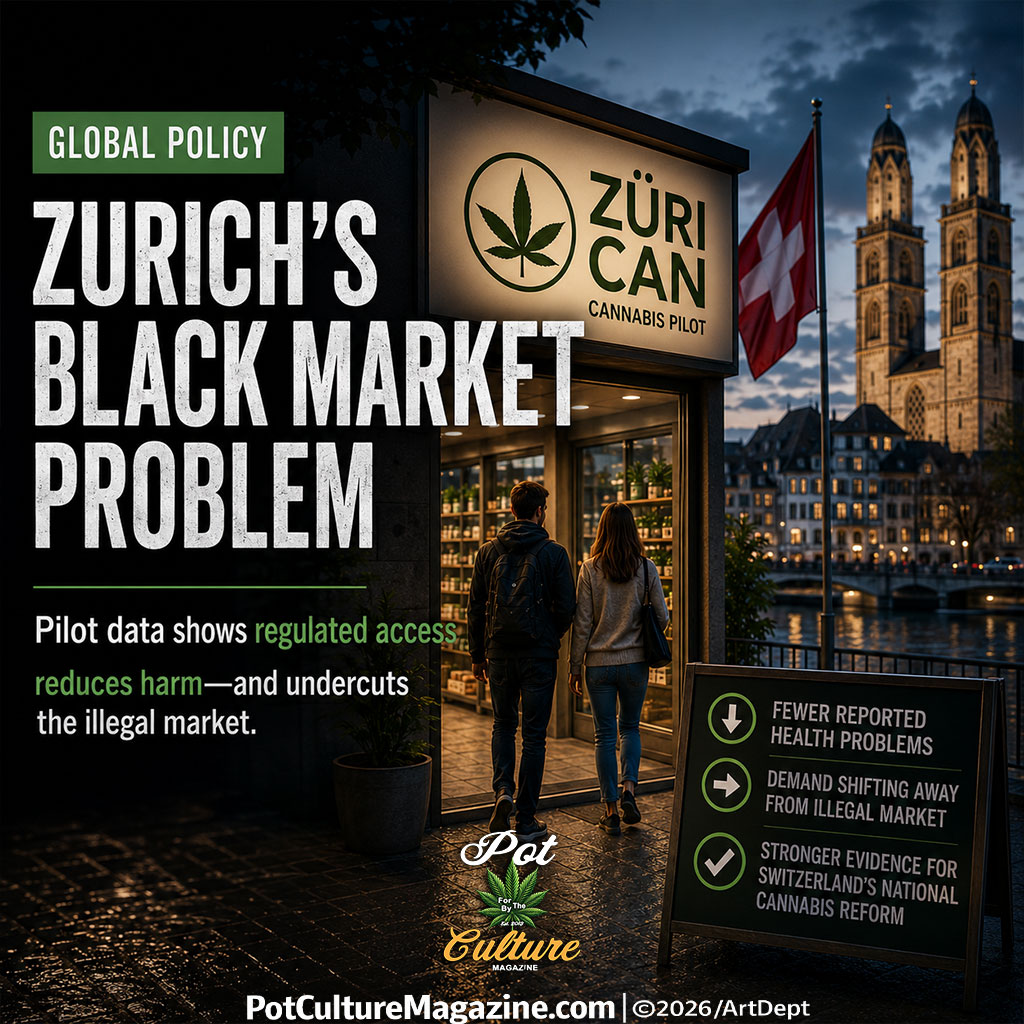
Zurich’s Black Market Problem
Zurich’s Züri Can pilot is giving cannabis reformers something stronger than slogans. New interim findings show regulated, nonprofit access reduced several reported health problems while pulling demand away from the illegal market, giving Switzerland fresh evidence for national cannabis reform and putting prohibition panic on weaker ground.


Vegas Knew, Vegas Looked Away
Las Vegas sold tourists the illusion of legal cannabis while fake dispensary style hemp shops operated near the Strip. Vegas Knew, Vegas Looked Away exposes how Nevada’s casino separation rules, weak hemp oversight, delayed Clark County action, and tourist confusion created a loophole economy hiding in plain sight.
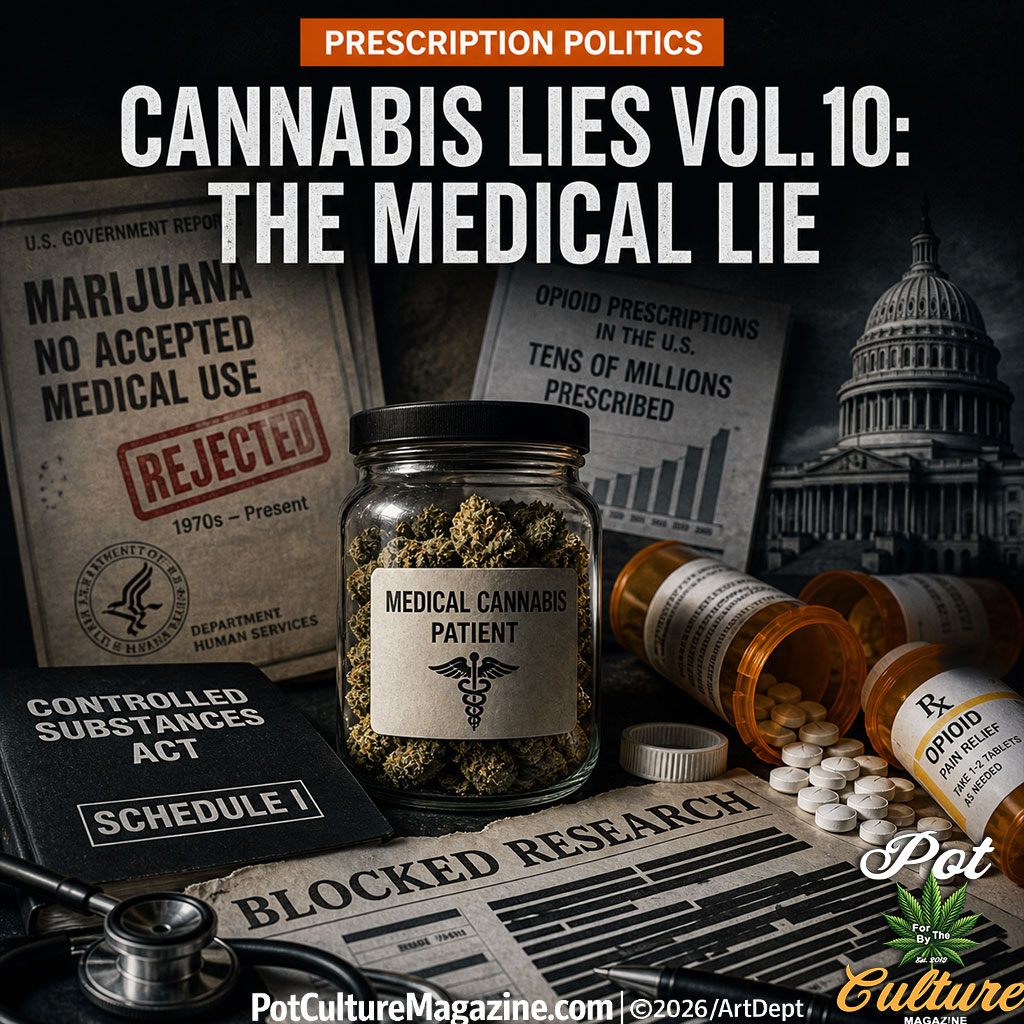
CANNABIS LIES Vol. 10: The Medical Lie
For decades, federal policy claimed cannabis had no accepted medical use while opioid prescriptions moved through the health care system by the tens of millions. Cannabis Lies Vol. 10 exposes the contradiction behind Schedule I, blocked research, medical cannabis patients, and the institutions that spent years pretending politics was medicine.
Discover more from POT CULTURE MAGAZINE
Subscribe to get the latest posts sent to your email.

Leave a comment