Revisiting an Interview from March 5, 2013
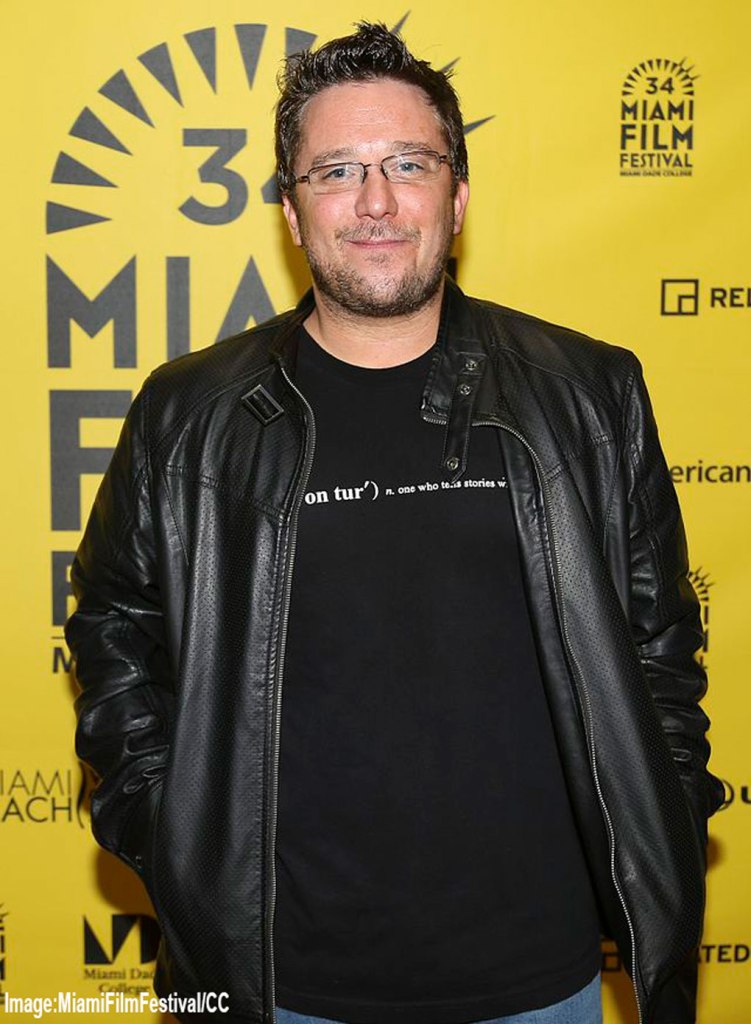
Billy Corben isn’t just a filmmaker; he’s a cultural excavator, digging deep into the dirt and grit of South Florida’s dark past. From the first moment of our conversation, it was clear Corben thrives in the chaos, turning crime and corruption into binge-worthy gold. Known for iconic documentaries like Cocaine Cowboys, Square Grouper, and Dawg Fight, Corben first made waves with Raw Deal: A Question of Consent, a polarizing Sundance debut that tested the limits of audience comfort and debate.
But what sets Corben apart is his ability to find the pulse of a story and deliver it at breakneck speed, whether it’s the violent cocaine wars of Miami or the hypocrisies of power and influence. A decade after our interview, Corben is still pulling no punches, now tackling scandals in Florida politics with God Forbid: The Sex Scandal That Brought Down a Dynasty on Hulu.
The Infamous Delta Chi Tape
When asked about his career’s explosive start, Corben dove into the origin of Raw Deal.
“My producing partner, Alfred Spellman, and I were sophomores at the University of Miami when we heard about this stripper who was allegedly raped at the Delta Chi fraternity house at the University of Florida. The night’s events were captured on two videotapes by brothers in the fraternity. Thanks to Florida’s sunshine laws, the footage became public.”
Corben was fascinated not just by the case but by how differently people reacted to the same footage.
“One friend told me, ‘This woman’s a liar; she had sex with all these guys and cried rape.’ Another said, ‘What they did to her was sickening.’ Two people watched the same video and saw two completely different things.”
That duality became the foundation for Raw Deal: A Question of Consent.
“Welcome to the Argument”
Editing Raw Deal wasn’t just labor-intensive; it was emotionally charged.
“We’d have friends stop by to watch clips, and it would spark debates right there in my apartment. It happened so often that our producer, Dave Cypkin, put up a sign: ‘Welcome to the Argument.’”
When the film debuted at Sundance, it polarized audiences. Even Corben and Spellman found their opinions shifting during screenings.
“It’s the worst movie to watch with a significant other,” Corben admitted. “Even if you agree on the big picture, the nuances will get you arguing.”
Birth of the “Popdoc”
After Raw Deal, Corben and his Rakontur team decided to pivot to what he calls “Popdocs,” gritty, pulpier stories with a sheen of pop culture appeal.
“We’re not out to make traditional, socially conscious documentaries. We dive into the seedier, flashier stories what my friend called ‘Popdocs.’”
Cocaine Cowboys: The “Gangster Movie” That Wasn’t
One of those stories became Cocaine Cowboys, a documentary that looks and feels more like a crime epic than a traditional doc.
Corben described its genesis: “We’d just returned from Sundance when my cousin called, asking if I’d heard of Jon Roberts. I hadn’t. Turns out, this guy was connected to the Italian Mafia in New York and the Medellín Cartel in Miami. We met Jon, Mickey Munday, and Jorge ‘Rivi’ Ayala, and suddenly we had this insane access to Miami’s cocaine underworld.”
The documentary’s frenetic pacing and aesthetic weren’t accidental.
“We wanted it to feel like doing cocaine fast, intense, and relentless. From the fades to white to the Jan Hammer score, it was all about creating that ’80s, Miami Vice vibe.”
Rivi Ayala: The Chilling Charmer
Among the many figures in Cocaine Cowboys, Rivi Ayala stands out.
“Rivi was disarmingly charming, even. He whispered when he spoke, so you had to lean in, and then you’d remember: Oh shit, this guy’s killed people. He could’ve been the mayor of Miami if he’d chosen a different path.”
Corben shared an anecdote that didn’t make it into the film:
“When Rivi was 11, he arrived in Miami and told the customs agent he wanted to kill people. The agent laughed, thinking Rivi meant joining the army. Little did he know, Rivi would go on to be a hitman for Griselda Blanco.”
What’s Next for Billy Corben?
Today, Corben continues to thrive as a cultural provocateur, always pushing boundaries with his storytelling. His latest film, From Russia with Lev, dives into the bizarre world of Lev Parnas, Rudy Giuliani’s associate, who became embroiled in political scandal and international intrigue. True to Corben’s style, the documentary promises a gripping exploration of power, corruption, and the absurdities of modern politics.
Corben is also a relentless voice on social media, taking aim at Florida’s political chaos and exposing corruption with his signature wit and candor. For more on his past and present work, including Cocaine Cowboys, visit Rakontur’s official website.
© 2024 Pot Culture Magazine. All rights reserved. This content is the exclusive property of Pot Culture Magazine and may not be reproduced, distributed, or transmitted in any form or by any means without prior written permission from the publisher, except for brief quotations in critical reviews.
F O R T H E C U L T U R E B Y T H E C U L T U R E
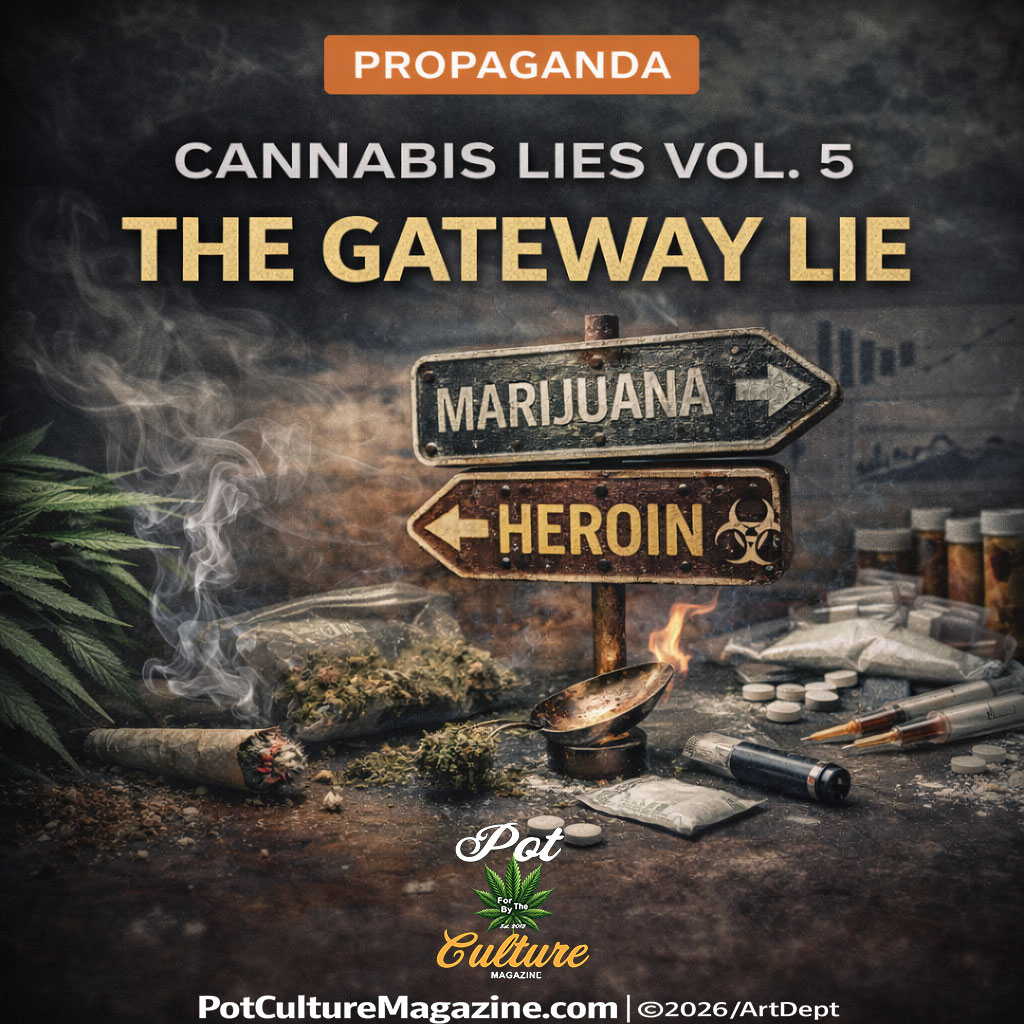
CANNABIS LIES Vol. 5: The Gateway Lie
For decades, politicians have claimed marijuana is a gateway to heroin and harder drugs. Federal youth surveys, NSDUH data, and NIDA’s own language tell a different story. Cannabis use is widespread, hard drug use remains rare, and most users do not progress. The data dismantles one of prohibition’s most durable fear narratives.


The Study That Pretends Cannabis Does Nothing
A new cannabis study claims marijuana does nothing for anxiety, depression, or PTSD. The reality is far more complicated. Decades of federal restrictions, limited research access, and synthetic substitutes have shaped the science. This breakdown exposes how incomplete data and selective interpretation continue to drive misleading headlines about cannabis and mental health.
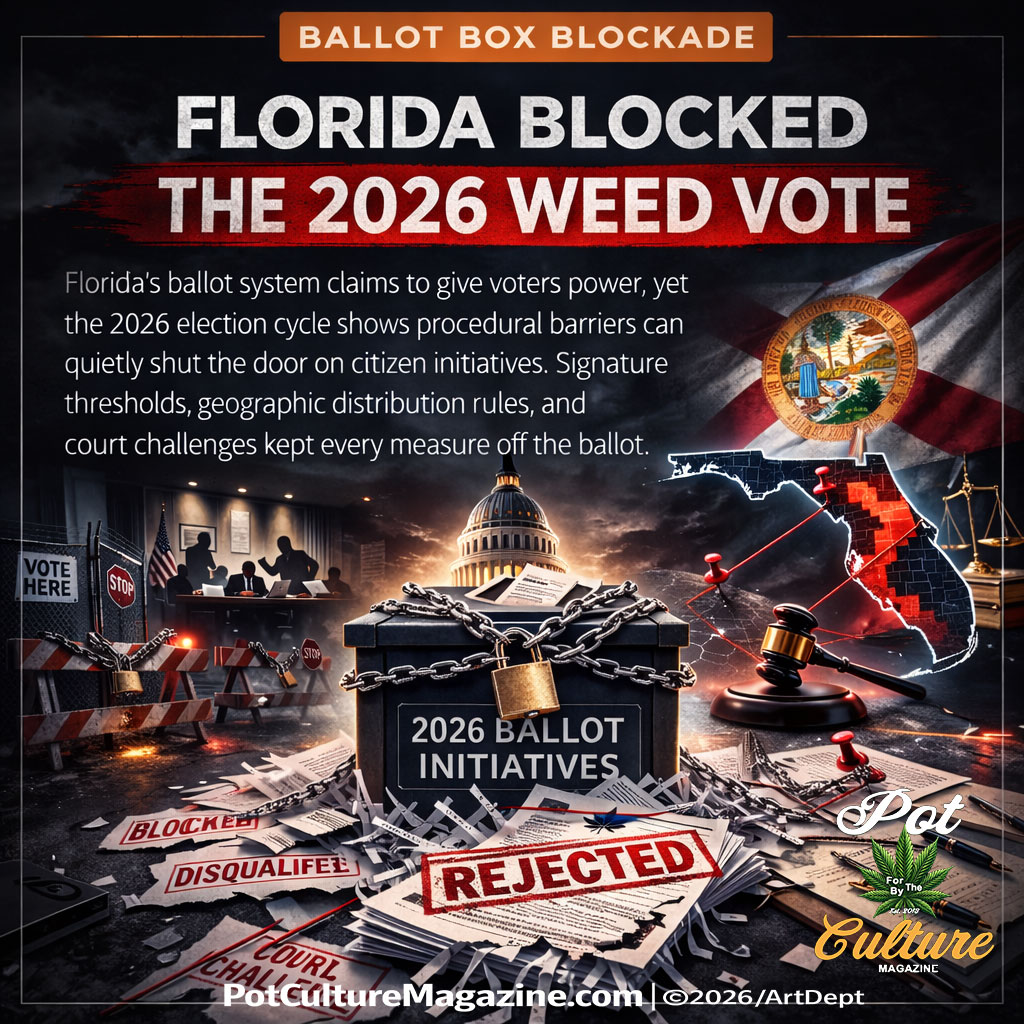
Florida Blocked the 2026 Weed Vote
Florida’s ballot system claims to give voters power, yet the 2026 election cycle shows how procedural barriers can quietly shut the door on citizen initiatives. Signature thresholds, geographic distribution rules, and court challenges blocked every measure from reaching voters, revealing how cannabis legalization fights are often decided by bureaucratic design long before election day.
Discover more from POT CULTURE MAGAZINE
Subscribe to get the latest posts sent to your email.

Leave a comment