Filed Under: An Autopsy of the Culture
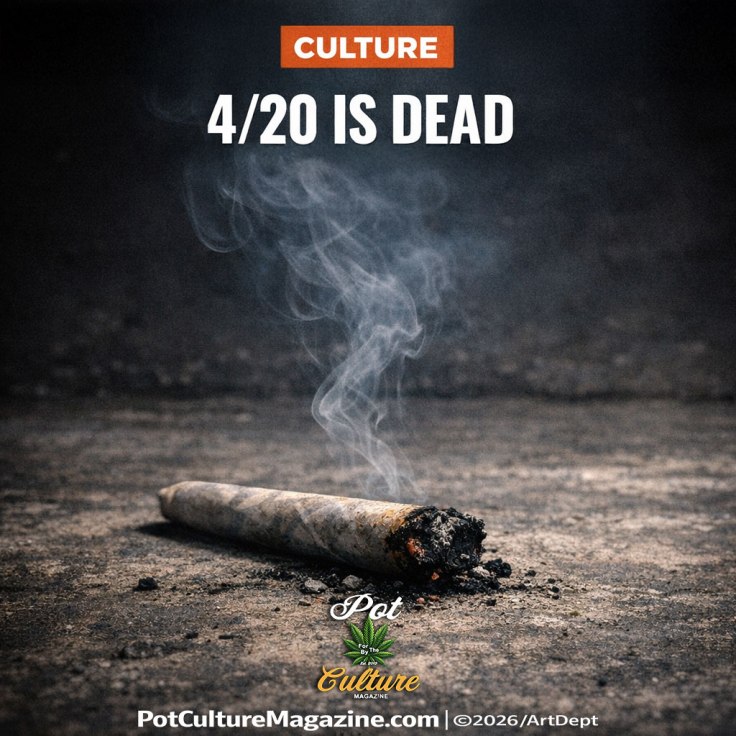
Every year, like clockwork, the emails arrive in mid-April. They are glossy, brightly colored, and utterly devoid of soul. They promise doorbuster deals, curated 4/20 starter kits, and exclusive collaborations with the same tired, neon-drenched aesthetics that scream retail conversion rather than counter culture. Today, April 20, 2026, we are all expected to play along. We are expected to participate in the charade of the holiday, to purchase our corporate-approved goods, and to smile for the marketing algorithms that have reduced a global struggle for human liberty into a quarterly revenue target.
It is time to be brutally, undeniably honest. 4/20 is dead. It was murdered, not by the police or the DEA, but by the very people who claimed to be its pioneers. They traded their grit for a seat at the table and left the rest of us to deal with the consequences of their compliance.
While the industry, that sprawling corporate hydra that now dictates the terms of our relationship with this plant, floods the airwaves with its sanitized, safe-for-work celebrations, we need to talk about the reality of the prohibition that never truly ended. There is a bloodstain on the floor of the dispensary that no amount of branding can scrub away.
On April 16, 2026, the state of Singapore executed a man. His name was Omar bin Yacob Bamadhaj. He was 46 years old. He was executed for bringing cannabis across the border. The state took his life over a plant. It is mind-boggling that in this day and age, people still carry this brutal stigma about cannabis. The fact that a government can still put a person to death for possession of a substance that is currently being sold on the stock market is the single greatest indictment of the legalization era we are living through.

This silence from the industry is not an oversight. It is a calculated strategy. The titans of this trade do not mention the gallows because it ruins the branding. It complicates the quarterly projections. It reminds their investors that the plant is still a flashpoint of life and death, not just a commodity for the elite.
We are living in a world where the plant is a commodity for the wealthy and a death sentence for the vulnerable. The people in the middle, the so-called leaders of the movement, have decided that silence is more profitable than the truth. They are polishing their LinkedIn profiles and tweeting about destigmatization while a man was sanctioned to death by the state for the very thing they are turning into a lifestyle accessory. That dissonance is our current reality.
The most dangerous thing that can happen to an outlaw movement is that it eventually gets comfortable. We have watched the cannabis revolution follow the same path as every other co-opted rebellion in history. First, the wave breaks the concrete. Next, the wave builds the business. Finally, the wave turns the movement into a museum exhibit.
Look at the legacy guard. These are the figures who built their names on the strength of their convictions three or four decades ago. They were the ones who wrote the zines, who risked the raids, who stood on the front lines when it was dangerous. Today, they have become the curators of their own relevance. They spend their time trading on the currency of their past deeds, carefully navigating the politics of the new corporate gatekeepers, and ensuring they do not say anything that might disrupt their brand.
They walk the floors of the conventions. They sit on the panels. They demand the respect earned by their predecessors. But the bite is gone. The willingness to ask the difficult question, to challenge the corporate narrative, or to stand up for the truth when it is not profitable? That is gone, too.
They have spent so long cultivating a legacy that they have forgotten the legacy was the movement, not the personality. When the goal shifts from telling the truth to maintaining the legacy, journalism dies. The industry has become a vast, sprawling graveyard of once great voices who now prefer a quiet dinner party to a loud argument.
They want you to think they are still driving the car. They are not. They sit in the backseat, hoping no one notices they have lost the keys, terrified that if they open their mouths to scream about the injustice of an execution, they will be uninvited from the next industry gala. There is a profound cowardice in refusing to acknowledge the reality of the situation today because it might upset the status quo. It is a pathetic, performative display of loyalty to an era that finished decades ago.
If the legacy figures are the curators of the museum, the mainstream media are the gift shop employees, selling the sanitized version of our struggle to the masses.
Look at how the mainstream press approaches 4/20. They treat it like a quirky, slightly edgy calendar event. It is a holiday for stoners that occasionally warrants a light-hearted, out-of-touch quip about the budding industry. They frame it through the lens of retail success: what are the stocks to watch? Which states have legalized? How is the industry coping with the regulatory hurdle of the day?
They scrub the blood off the plant. They bleach the danger out of the narrative. When they do cover cannabis, it is almost exclusively through the lens of corporate viability or tax revenue. They do not want to talk about the global reality of prohibition because it complicates the story. It does not fit the narrative of progress that they want to push.
When a man is executed, you will not see it on the front page of the business section alongside the latest market projections for cannabis derivatives. It is an inconvenient fact that ruins the Happy 4/20 aesthetic. It reminds people that legalization is a luxury of the geography you happen to reside in, not a universal human right.
The media’s silence is a choice. It is a calculated decision to keep the narrative safe, digestible, and profitable. By ignoring the global stakes, they are helping the industry maintain the illusion that the fight is over. They want you to believe that we won, the plant is legal, and now we can all get back to the serious business of market consolidation.
They are wrong. The fight is not over. It has just moved into a more insidious phase. The fight is no longer just against the government that wants to lock you up. It is against the industry that wants to turn you into a consumer and the media that wants to sell you the lie that everything is fine.
The history of this plant is one of defiance. It was a plant that lived in the dark, in the basements, in the back of the vans, and in the margins of society. It was a plant that required a certain level of danger to cultivate and a certain level of loyalty to distribute. The people who built the culture were not looking for a quarterly earnings report. They were looking for a way to live outside the lines drawn by the state.
Now, we have a generation of executives who treat that history like a costume. They wear the tie-dye of the old guard while signing the NDAs of the new. They are the vultures who descended after the hard work was already finished. They saw the path cleared by the activists and the smugglers and decided that the only thing missing was a series of venture capital injections.
We must look at what this industry has actually built. It is not a community. It is a series of walled gardens. They offer the illusion of choice, presenting a hundred different brands of the same mass-produced product, all designed to appeal to the same focus-grouped demographic. They have replaced the local dealer, who at least had a stake in the quality of the product and a connection to the consumer, with a sterile interface that treats the customer like a data point to be harvested.
The corporate strategy is simple. Convince the user that they are part of a movement by buying a specific brand of pre-roll. Make the user feel sophisticated by using a high-end vaporizing device. Ensure the user never once thinks about the fact that there are still people rotting in federal prisons for the exact same substance that is currently being packaged in child-resistant plastic.
This is the central contradiction of the modern cannabis era. We have created a legal system that benefits the owners of the capital while leaving the casualties of the prohibition in the dirt. We have turned the plant into an asset class, and in doing so, we have stripped it of its soul.
The legacy icons who still occupy the boards and the advisory roles are complicit in this transformation. They are the ones who provided the legitimacy. They sold the story of the revolution to the new guard, and in return, they were given the consulting fees, the speaking spots, and the hollow titles. They are the ones who told us that legalization was the end goal, ignoring the fact that legalization under a capitalist regime simply means the state captures the profit and the corporate class captures the market.
Do not be fooled by their talk of reform. Their reform is not about justice. It is about stability. It is about creating a predictable environment where the flow of capital can be optimized. They want the government to act as the enforcer of their patents, the protector of their licenses, and the gatekeeper of their competitive landscape. They want the state to be their business partner.
And what of the consumer? The poor soul who thinks that because they can walk into a store and buy a tincture, the war is won? They are being sold a bill of goods. They are being told that their consumption is a political act, when in reality, it is nothing more than a transaction. They are being convinced that they are supporting the local farmer, when in fact their money is funneling directly into the balance sheets of a conglomerate based in a state where the plant is still technically illegal.
The reality of this industry is that it is a pyramid built on a foundation of hypocrisy. It relies on the labor of the undocumented, the knowledge of the underground, and the marketing of the mainstream. It is a parasitic relationship that feeds on the very culture it claims to represent.
So, today, what do you do?
If you are waiting for the titans to lead the way, you are going to be waiting a long time. They have too much to lose to ever really say anything worth hearing again. They are beholden to their boards, their investors, and their own inflated senses of importance. They have built their empires on a foundation of prohibition, and as long as they can carve out a safe, profitable corner for themselves, they are content to watch the rest of the world burn.
We are not here to curate their museum. We are not here to protect their reputations or respect their years of service. At Pot Culture Magazine, we recognize that if your principles require a permission slip from the legacy guard or the corporate gatekeepers, they are not principles. They are just market positioning.
The industry does not want rebels anymore. They want consumers. They want you quiet, compliant, and satisfied with whatever is on the shelf. They want you to believe that the movement was about making it easier to buy weed at a strip mall.
It was not. It was about autonomy. It was about the fundamental right to choose what you put in your body without the threat of the state or the corporate interest crushing you.
This 4/20, do not celebrate. Do not engage in the performative nonsense. Do not buy the deal. Instead, treat the day as an autopsy. Look at the carcass of the culture we have allowed to be hollowed out. Acknowledge that while you have the luxury of convenience, people are being destroyed by the very laws that the corporate industry is perfectly happy to work around, provided they get their license first.
We are entering a new era. The masks are off. The legacy icons have shown us who they are, and the industry has shown us what it values. We are on our own now. Those of us who still believe that this was supposed to mean something more than a quarterly earnings report must lead the way.
The work is in the ground, not in the archive. The future belongs to those who are willing to say the quiet part out loud: the industry is a franchise, the movement is being erased, and if we want to save any part of it, we must start by tearing down the museum they have built around us.
The revolution was not a product launch. And it certainly was not a Happy 4/20. It was a war. And it is time we started acting like it.
Every action we take from this point forward must be a rejection of their terms. Stop looking at the mainstream metrics. Stop waiting for the validation of the industry press. Stop seeking the approval of the people who sold you out. We have the knowledge, we have the history, and we have the truth. That is more than enough.
The history of this movement is not in the gloss of the magazine page. It is not in the carefully curated feed of the industry influencer. It is in the memories of the people who held the line when the world was against us. It is in the stories that have not yet been told because they were too dangerous for the sanitized narrative of the boardroom.
It is time to tell those stories. It is time to document the real cost of this transition. It is time to name the names, identify the hypocrites, and expose the rot that has taken root in our fields.
We do not owe the industry anything. We do not owe them our silence. We do not owe them our participation. We owe it to the people who were destroyed by the war on this plant to never forget what this was actually about. We owe it to the future to ensure that the struggle is not turned into a product.
There will be those who say we are being too harsh. They will tell us to be positive, to focus on the good, to support the industry because it is all we have. Do not listen to them. They are the ones who have benefited from the compromise. They are the ones who are comfortable with the status quo.
The truth is never comfortable. It is often loud, often disruptive, and always necessary. If we want to reclaim the culture, we have to be willing to burn down the false idols. We have to be willing to stand apart from the crowd and declare that we will not participate in the lies.
The time for polite disagreement is over. The time for nuance is long gone. We are in the middle of a struggle for the soul of this movement, and the corporate interests are winning because they have the money and the media on their side. But they do not have the truth. They do not have the history. And they do not have the passion.
We have all of that. And if we choose to use it, if we choose to wield it like a weapon, we can take it back. We can start by refusing to play their game. We can start by building our own networks, our own narratives, and our own power.
We start today. On the very day they told us to celebrate, we chose to dissent. We choose to remember. We choose to fight. The autopsy of the movement is complete, and the cause of death is clear: it died when it stopped fighting for the people and started fighting for profit.
But death is not the end. It is a new beginning. From the ashes of what they have destroyed, we can build something new. Something real, something that is honest, and something that is ours.
The industry thinks they have won. They think they have bought the culture, packaged it, and sold it back to us at a markup. They think we are satisfied with the crumbs they have left on the table. They have no idea what they have unleashed by underestimating us.
They have no idea that the spirit of the outlaw is not something that can be commodified. It is not something that can be licensed. It is not something that can be sold. It is a flame that burns in the heart of everyone who knows the truth about this plant.
And as long as that flame exists, they will never be safe. As long as we are here, we will be witnesses to their crimes. We will be the ones who record the history they want to erase. We will be the ones who tell the truth when they want us to lie.
The revolution is not over. It is just beginning. And this time, we know who the enemy is. We know their tactics, we know their strategies, and we know their weaknesses. We are ready.
So let the emails arrive. Let the deals be offered. Let the corporate slogans fill the airwaves. We will not be moved. We will not be silenced. We will not be sold.
We are the ones who remember. We are the ones who know the cost. And we are the ones who are going to finish this.
The revolution was not a product launch. It was a war. And today, we reclaim the front lines.
If 4/20 means anything in 2026, it has to mean refusing to look away. It has to mean saying Omar bin Yacob Bamadhaj’s name. It has to mean remembering that a culture that forgets its dead isn’t a culture, it’s a brand.
©2026 Pot Culture Magazine. All rights reserved. This content is the exclusive property of Pot Culture Magazine and may not be reproduced, distributed, or transmitted in any form or by any means without prior written permission from the publisher, except for brief quotations in critical reviews.
F O R T H E C U L T U R E B Y T H E C U L T U R E
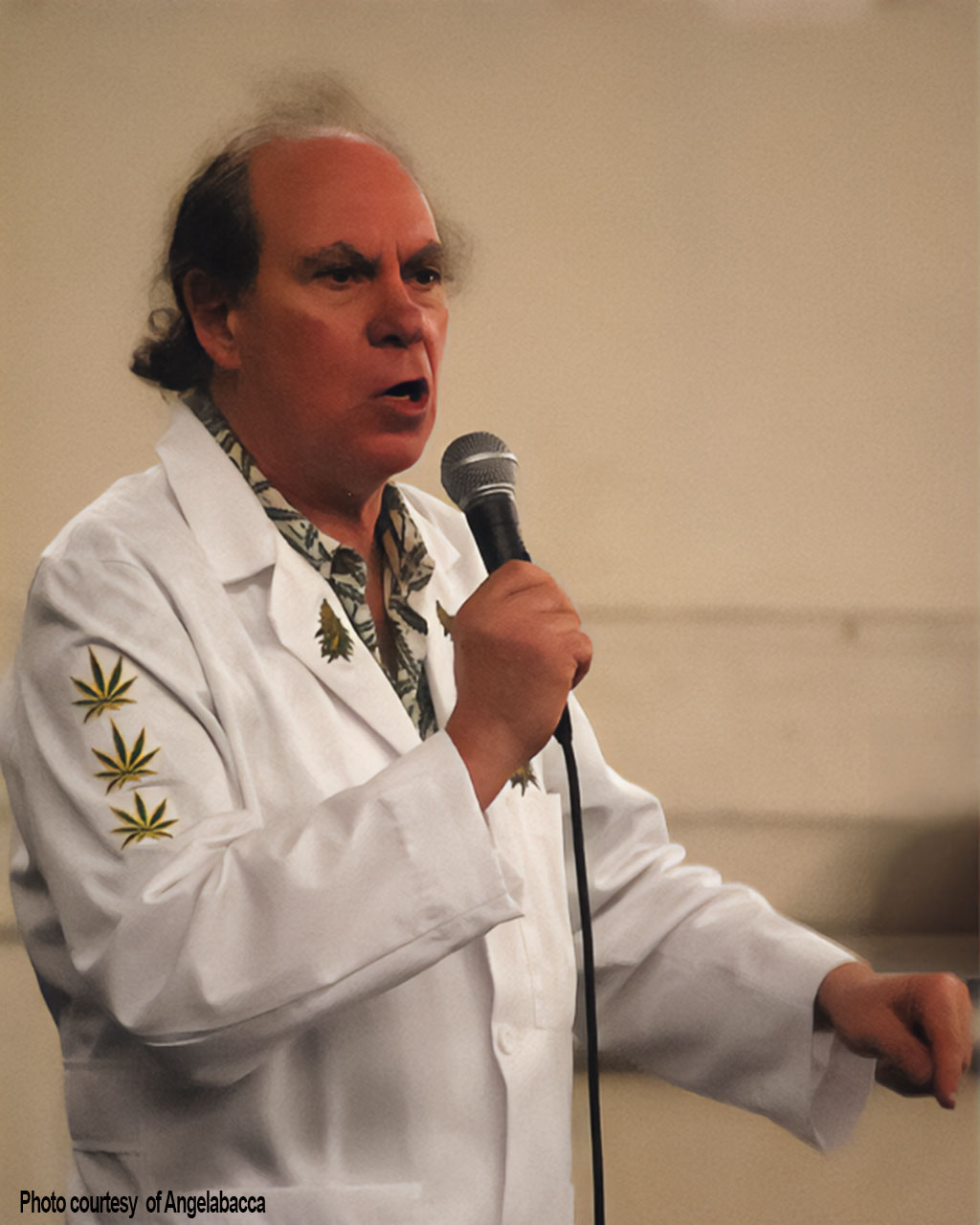
Ed Rosenthal and the Origins of High Times
Ed Rosenthal recounts how the magazine was born not from psychedelic myth but from hard numbers. Rolling paper import data, underground press experience, and market logic revealed a massive hidden cannabis audience. His account challenges the romantic origin story and offers a rare firsthand look at the early mechanics behind one of cannabis culture’s most…


Ohio’s Hemp Ban Hits a Wall in Court
Ohio’s attempt to restrict intoxicating hemp sales is already facing legal resistance. A judge has blocked enforcement of key provisions, raising questions about whether the law protects consumers or reshapes the cannabis market. The case could set a precedent for how states regulate hemp derived THC products across the country.

CANNABIS LIES Vol. 8: The Addiction Lie
Cannabis is often labeled addictive, but the science tells a more precise story. This piece breaks down cannabis use disorder, how it is defined, and why mild, moderate, and severe cases get flattened into one fear-driven narrative. The result is a distorted public understanding of risk that fuels policy, perception, and misinformation.
Discover more from POT CULTURE MAGAZINE
Subscribe to get the latest posts sent to your email.

Leave a comment