Filed Under: The Line in the Dirt
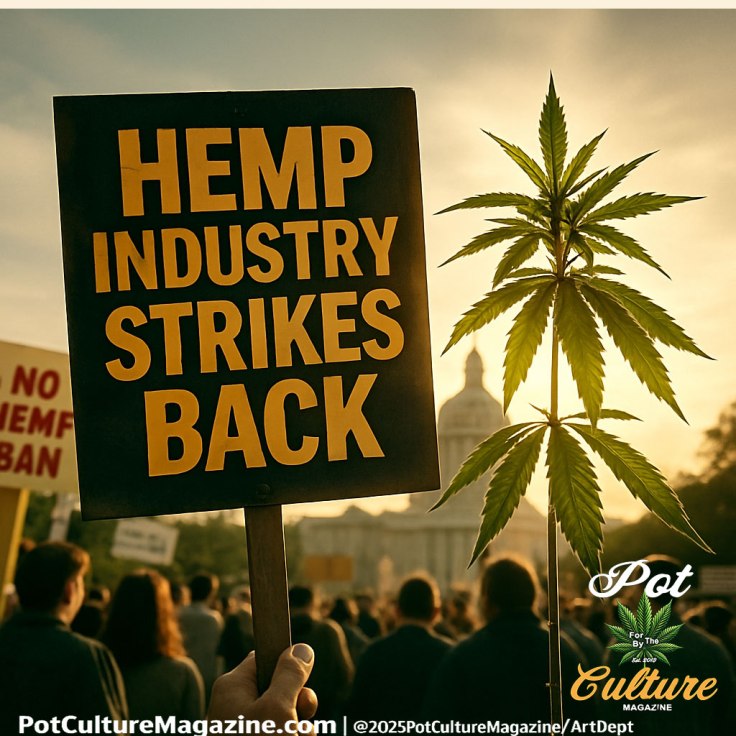
When Congress quietly rewrote the definition of legal hemp on November thirteen to keep the government open, they buried the change inside a spending deal that almost no one had time to read. The new language looks small on paper but carries the weight of a political earthquake. It keeps the original 2018 Farm Bill threshold of 0.3 percent THC by dry weight, yet adds a new rule that any finished hemp product containing more than 0.4 milligrams of total THC per container will now be illegal under federal law. That limit is so restrictive that it wipes out almost every hemp extract on the American market. Drinks, tinctures, oils, gummies, capsules, sleep aids, full-spectrum CBD, and every other product used by millions of Americans are erased with a single number. Lawmakers call it public safety. Farmers call it a betrayal.
The numbers are not speculation. They come straight from the people who represent the industry that Congress is about to gut. In its public statement, the U.S. Hemp Roundtable warned that the proposed federal language “would wipe out 95 percent of the industry, shuttering small businesses and American farms while costing states one point five billion dollars in lost tax revenue.” The group estimates that more than three hundred thousand American jobs depend on the hemp economy, and that the broader hemp sector is valued at twenty-eight point four billion dollars. Those are not activist projections. They are economic data from the largest national coalition fighting to keep hemp legal.
The Roundtable’s warning is not about fear. It is about math. Remove hemp-derived THC from the market, and you erase the businesses built around it. Farmers who pivoted to high-resin flower lose their only profitable crop. Processors who invested in extraction equipment lose their revenue stream. Retailers lose their top-selling products. Consumers lose the only legal cannabinoids available in prohibition states. This is a federal decision that cuts through the entire supply chain in one move, and it hits the smallest players the hardest.
Cheech and Chong’s Global Holding Company saw the threat immediately. Their president, Brandon Harshbarger, put it plainly when he told Pot Culture Magazine, “A sudden nationwide ban would upend an entire sector overnight, including the hemp products that millions of Americans rely on for relief and wellness. It would not just impact individual SKUs, it would affect our retail partners, our supply chain, and the hundreds of thousands whose livelihoods are tied to this industry.” He also made it clear that prohibition would not remove demand. It would simply push consumers into unregulated and unsafe alternatives, which puts people at risk instead of protecting them.
This is the real landscape. A federal rewrite of a single definition has the power to collapse the market that made cannabis accessible in the states where legalization never arrived. It would not protect anyone. It would not solve any public health issue. It would only punish the farmers, veterans, small operators, and cultural brands who built a legal industry inside the narrow doorway Congress opened in 2018.
advertisement
F O R T H E C U L T U R E B Y T H E C U L T U R E
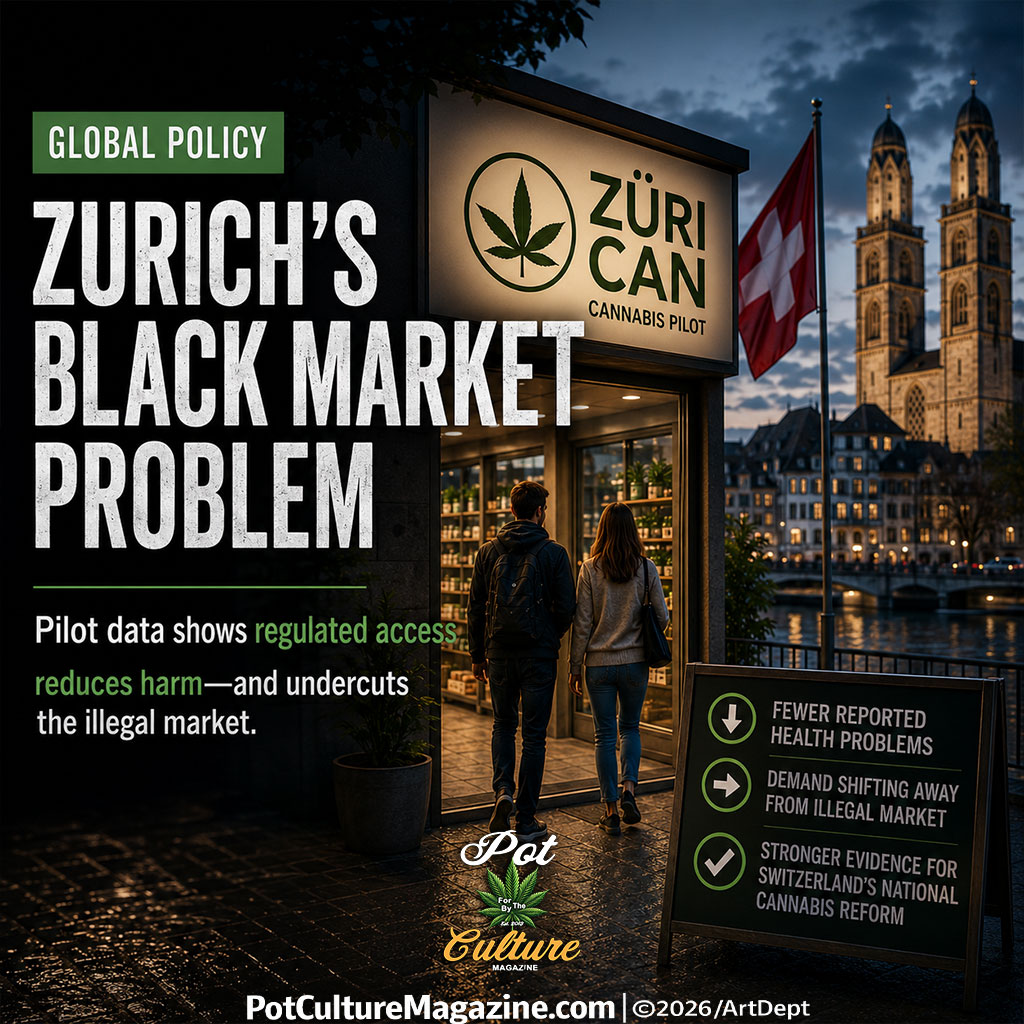
Zurich’s Black Market Problem
Zurich’s Züri Can pilot is giving cannabis reformers something stronger than slogans. New interim findings show regulated, nonprofit access reduced several reported health problems while pulling demand away from the illegal market, giving Switzerland fresh evidence for national cannabis reform and putting prohibition panic on weaker ground.

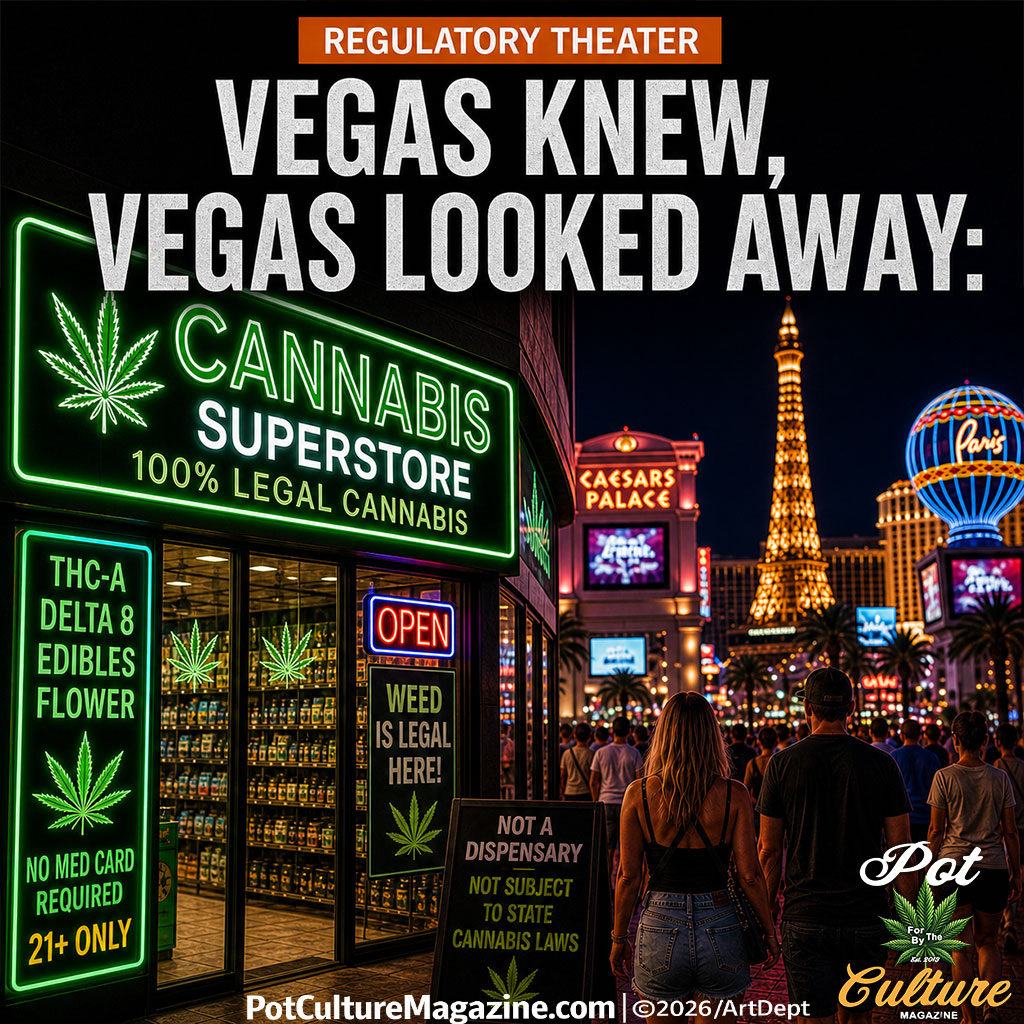
Vegas Knew, Vegas Looked Away
Las Vegas sold tourists the illusion of legal cannabis while fake dispensary style hemp shops operated near the Strip. Vegas Knew, Vegas Looked Away exposes how Nevada’s casino separation rules, weak hemp oversight, delayed Clark County action, and tourist confusion created a loophole economy hiding in plain sight.
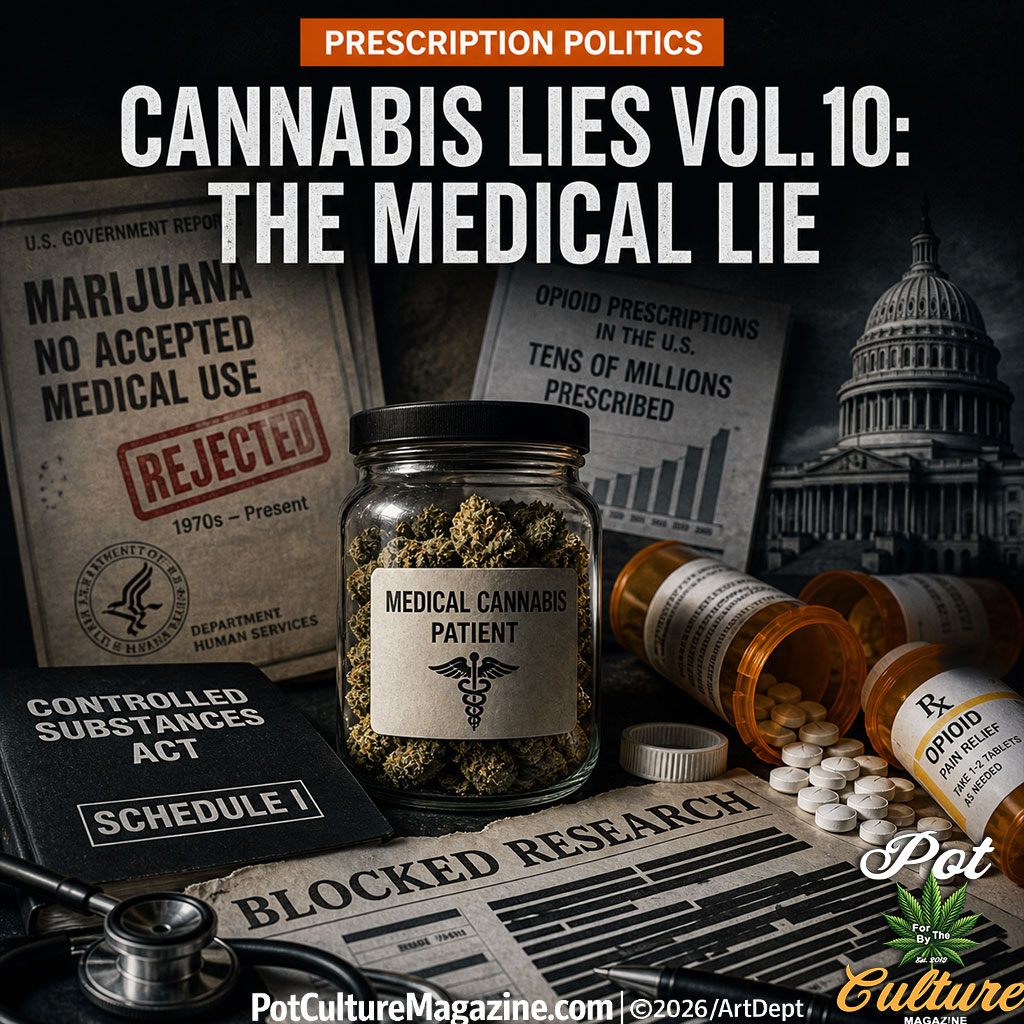
CANNABIS LIES Vol. 10: The Medical Lie
For decades, federal policy claimed cannabis had no accepted medical use while opioid prescriptions moved through the health care system by the tens of millions. Cannabis Lies Vol. 10 exposes the contradiction behind Schedule I, blocked research, medical cannabis patients, and the institutions that spent years pretending politics was medicine.
advertisement
Behind closed doors, the legal fight is already taking shape. The U.S. Hemp Roundtable will lead a national lawsuit that challenges the ban on constitutional grounds. The Hemp Beverage Alliance has already delivered a legal argument to Congress outlining the scientific errors in the bill, the economic fallout, and the absence of a public safety record supporting the prohibition. Hemp Industry and Farmers of America is warning rural communities that the shutdown deal targets the same farmers Congress encouraged in twenty eighteen.
Lawsuits will argue that Congress used a spending bill to hide a sweeping policy reversal that never received hearings, public comment, or scientific review. They will argue that banning products that cross state lines violates the Commerce Clause. They will argue that the one-year delay proves the ban has no scientific basis. They will argue that the rule punishes farmers, processors, and consumers who relied in good faith on federal law.
The economic damage is staggering. Farmers planted 45,000 acres of hemp in open fields in 2024 and harvested 32,000 acres, worth more than $417 million, according to the National Agricultural Statistics Service. Fiber, grain, and seed all increased. Texas generates $5.5 billion in annual hemp cannabinoid sales and $260 million in tax revenue. Minnesota produces more than $11 million a year from hemp beverages. These numbers represent payrolls, mortgages, equipment loans, and long-term contracts.
Cheech and Chong’s High and Dry can pivot because they have access to international markets and state-legal cannabis. Endoca will continue operating under Europe’s regulated hemp system. Small American farmers will not be so lucky. They built barns, drying facilities, irrigation systems, extraction partnerships, and genetics programs because Congress told them hemp was legal. They believed the government meant what it said.
The cultural cost is just as severe. Hemp culture has been a lifeline for people who cannot access state legal cannabis, veterans who cannot risk their benefits, seniors who cannot tolerate pharmaceuticals, parents searching for gentle options for their children, and millions who simply want relief without destruction. Hemp shops are more than retailers. They are community anchors. They are places where people learn, connect, and support each other. Congress did not just criminalize products. They damaged a culture built on care, safety, and shared knowledge.
This ban threatens the very ecosystem that made hemp mainstream. Innovators created beverages that replaced alcohol, wellness blends that replaced sedatives, and functional products that reshaped everyday health. Congress did not regulate this creativity. They crushed it.
The next year determines everything. The line in the dirt is real. Congress stepped over it. The people who built this industry are stepping back. States that depend on hemp revenue will fight. Farmers who trusted the Farm Bill will not accept being collateral damage. Consumers who rely on hemp will not return to prescriptions that failed them.
If you depend on hemp for your work, your wellness, your community, or your livelihood, now is the moment to move. Contact your lawmakers. Tell them to replace prohibition with regulation. Tell them to support testing standards, labeling requirements, age protections, and enforcement tools that work. Tell them the market is real. Tell them the damage is real. Tell them the people who built this industry are not leaving.
Hemp is fighting for its life. Do not let Congress write the ending.
This is the property of Pot Culture Magazine and is protected by U.S. and international copyright laws. Unauthorized reproduction, distribution, or transmission of this work, in part or in whole, without the express written permission of Pot Culture Magazine is strictly prohibited.
Affiliate Disclosure: Pot Culture Magazine may receive commissions from purchases made through affiliate links such as Cheech & Chong and Endoca. This helps support our independent journalism without affecting our editorial standards.
F O R T H E C U L T U R E B Y T H E C U L T U R E
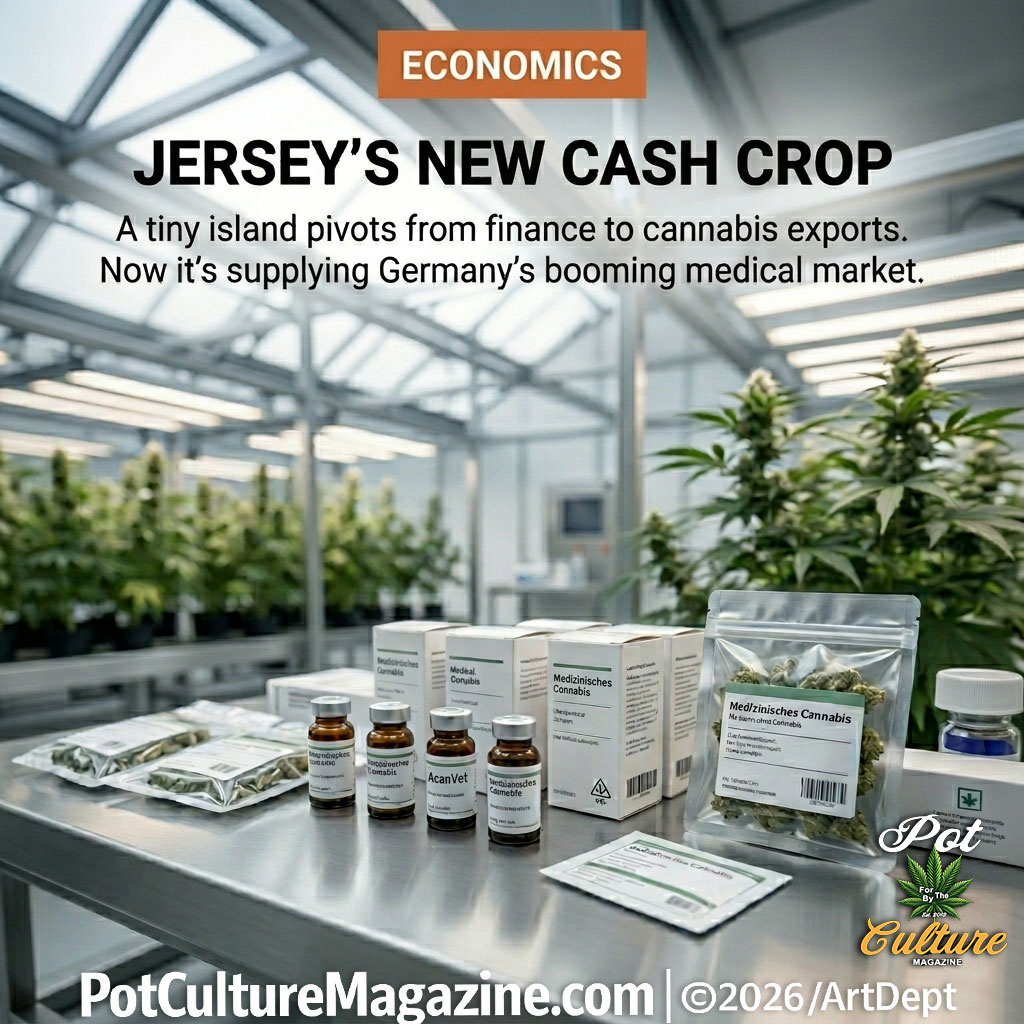
Jersey’s New Cash Crop
Jersey reinvented itself. A forty-five square mile island once known for offshore finance is now exporting pharmaceutical-grade cannabis into Germany’s booming medical market. With strict regulation, heavy investment, and a government eager for diversification, Jersey has become an unlikely European powerhouse. The contradiction between local policing and global commerce tells the real story.
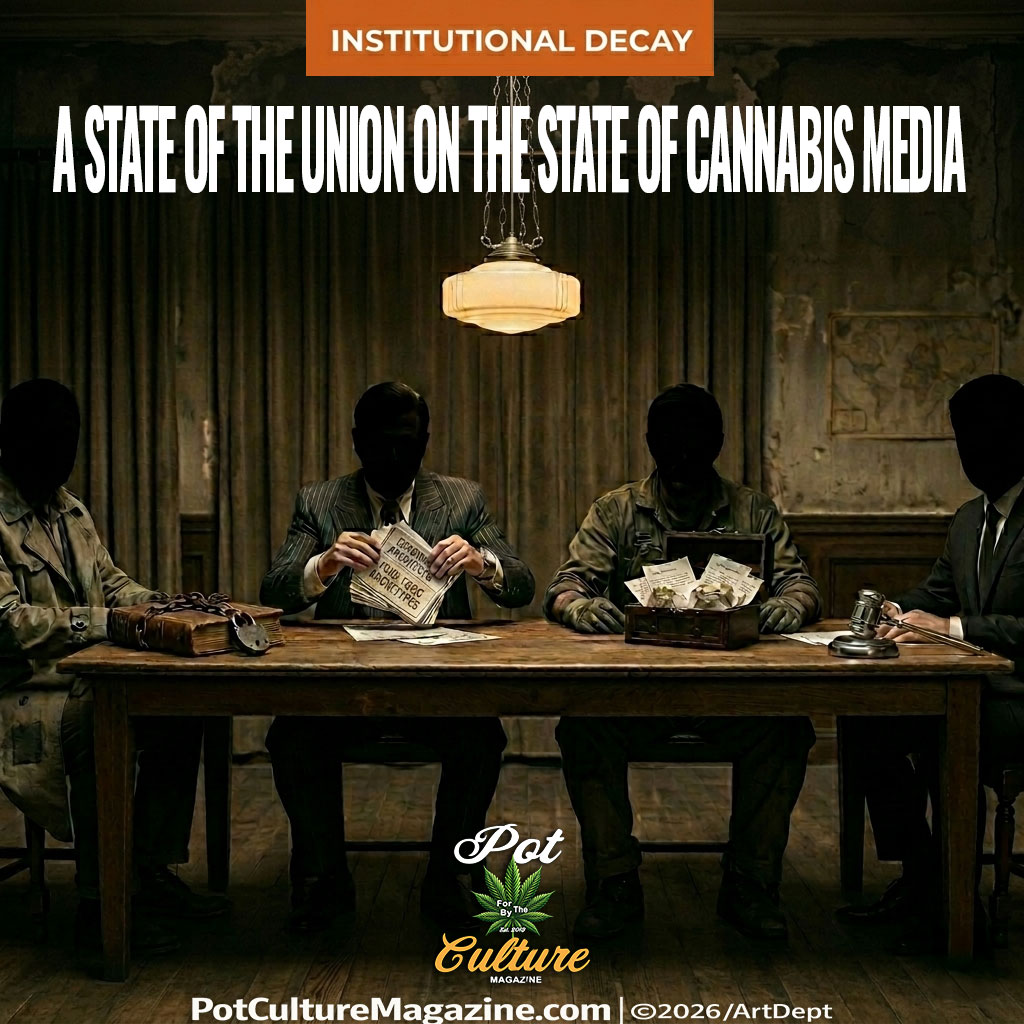
A State of the Union on the State of Cannabis Media
Cannabis media is undergoing a predictable institutional decay. The movement’s original architects have transformed from revolutionary contributors into defensive gatekeepers, protecting their legacy rather than fostering future growth. This manifesto examines the four archetypes of decay: the Gatekeeper, the Mercenary, the Scavenger, and the Shill, that currently stifle the industry’s independent voice and threaten the…
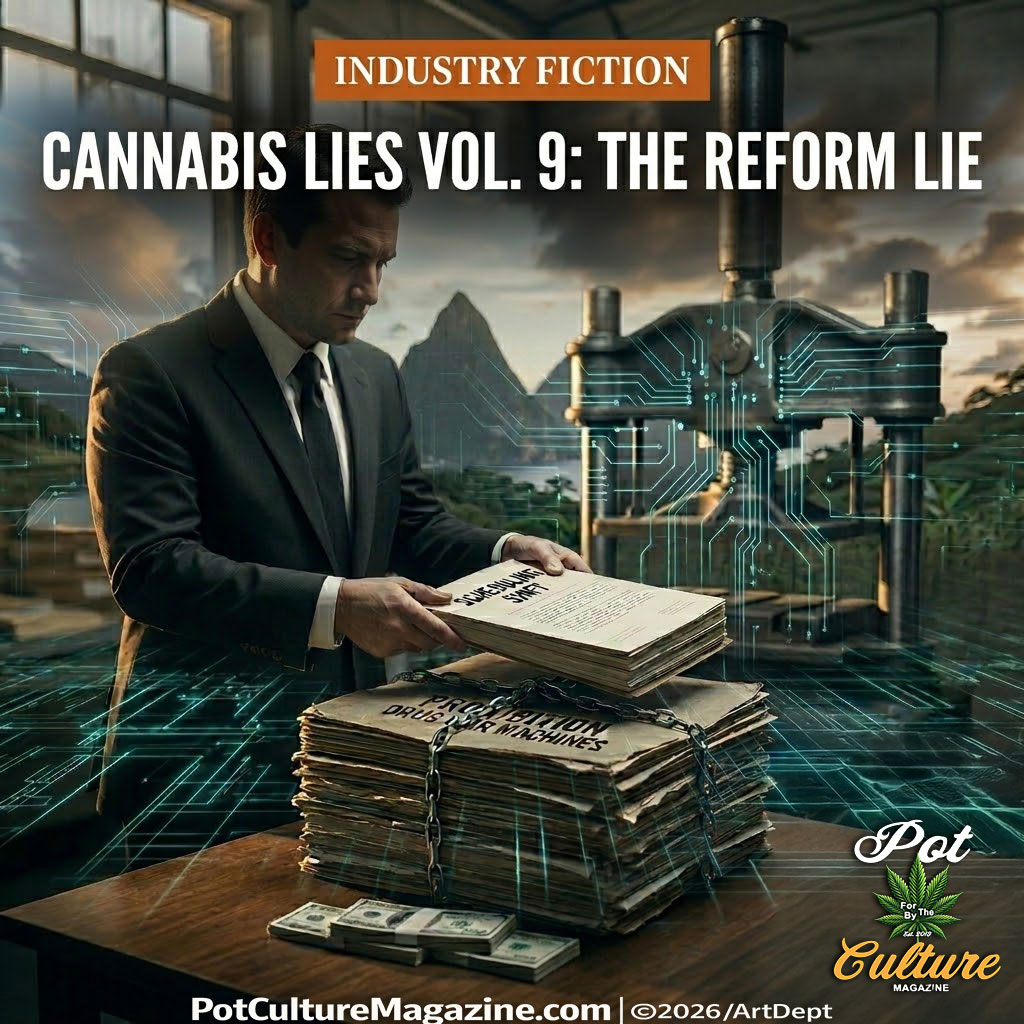
Cannabis Lies Vol. 9: The Reform Lie
The federal move to Schedule III is a masterclass in bureaucratic maintenance. While corporations celebrate tax relief, the core structure of the drug war remains untouched. This analysis deconstructs the Reform Lie, exposing how the state uses symbolic gestures to professionalize a privilege for the few while keeping the machinery of punishment active for everyone…
Discover more from POT CULTURE MAGAZINE
Subscribe to get the latest posts sent to your email.

Leave a comment