Filed Under: Justice Deferred

The air inside an American prison never changes. It smells like bleach, metal, and the passage of time. A radio mutters about legalization while a man serving life for forty-three grams of marijuana stares at the wall. On the screen, politicians grin about progress. Inside the cell, nothing moves.
This is the real America of cannabis reform. Two realities under one flag. On one side, dispensaries shine with state licenses. On the other hand, the same plant still carries a sentence longer than some murders. The billboard says freedom. The docket says otherwise.
Legal cannabis is now a multibillion-dollar industry. Twenty-four states and Washington, D.C., allow adult use. Forty states plus D.C. run medical programs. Federal reform crawls while investors build empires on prohibition’s corpse. In that same country, tens of thousands remain behind bars for the same plant now sold under loyalty programs and neon lights.
No one can give the exact number. The Last Prisoner Project spent years digging through data the government refuses to organize. Their estimate still lands in the tens of thousands. Some are in for cannabis alone, others caught in stacked charges that began with weed and never let go. The Department of Justice cannot give a total. Most states will not. The ignorance is convenient. It keeps the moral math clean.

Police still made almost one hundred ninety thousand marijuana possession arrests in 2024, according to FBI Uniform Crime Reporting data. One in five drug arrests in the nation. These are not cartel busts. They are people in cars, apartments, and neighborhoods that never stopped being targets. For every celebrity investor bragging about equity, someone else still sits in a cell for the same act.
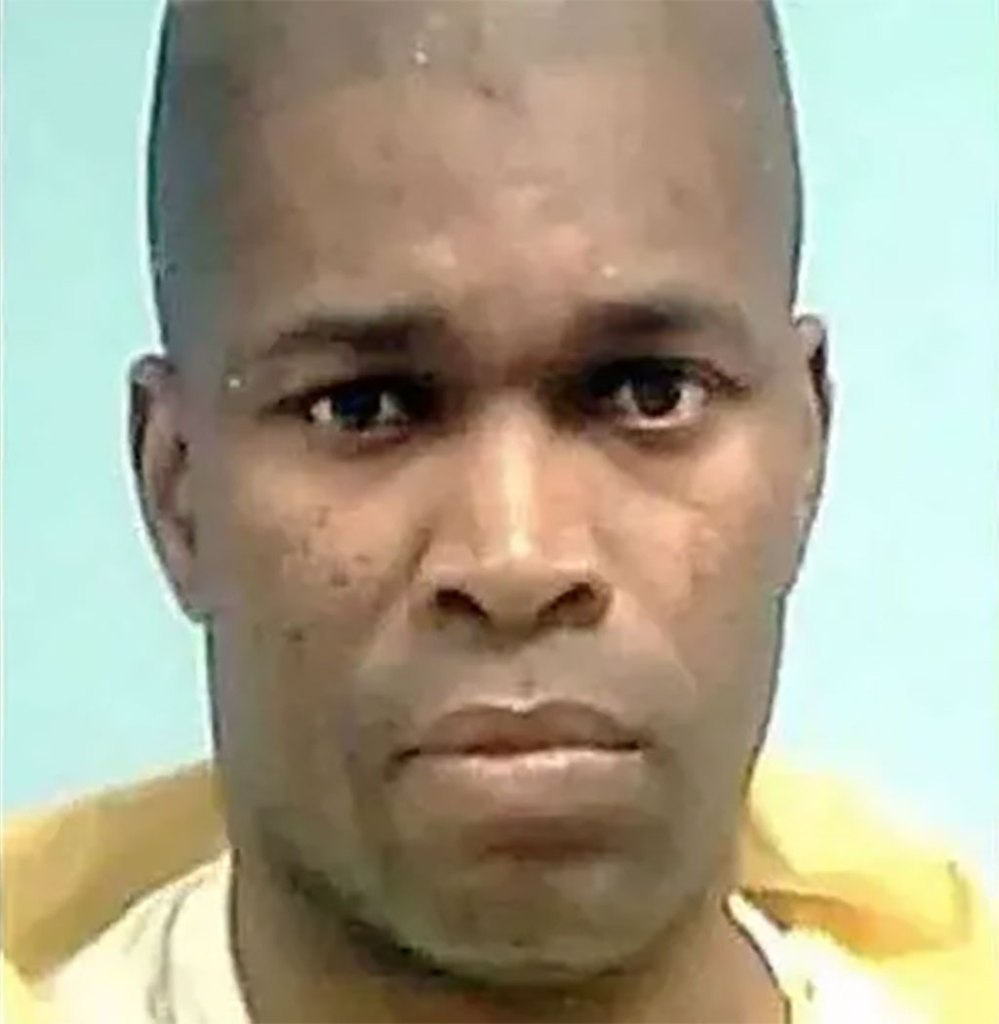
Allen Russell is one of them. He sits in a Mississippi prison serving life without parole after a marijuana possession conviction for forty-three grams triggered the state’s habitual offender law. Though his prior convictions included violent felonies, the conviction that sealed his fate was for cannabis alone. The Mississippi Supreme Court upheld the sentence as legal. A few years later, the legislature passed medical cannabis and moved on. Russell stayed where he was, proof that legalization can coexist with cruelty when profit matters more than people.

Across the state line in Louisiana, Kevin Allen was convicted in 2013 after police found less than an ounce, worth about twenty dollars. Because of two old non-violent priors, prosecutors invoked the habitual-offender statute and won a thirty-five-year sentence. The Louisiana Supreme Court upheld it. He spent almost a decade behind bars while the state rolled out its medical program. Public pressure and advocacy lawyers finally secured his release in 2021. We told his story in Kevin Allen’s 35-Year Sentence for $20 of Weed Highlights the Broken Justice System. His case remains a monument to selective mercy.
Then there is Edwin Rubis. He has served more than twenty-five years of a forty-year federal term for a non-violent cannabis conspiracy. His projected release is 2031. While he counts birthdays, Congress debates rescheduling, and corporations sell the same product that erased his life. His name circulates through advocacy campaigns because it exposes how federal inertia keeps human beings frozen in old law.
advertisement
F O R T H E C U L T U R E B Y T H E C U L T U R E

Vegas Knew, Vegas Looked Away
Las Vegas sold tourists the illusion of legal cannabis while fake dispensary style hemp shops operated near the Strip. Vegas Knew, Vegas Looked Away exposes how Nevada’s casino separation rules, weak hemp oversight, delayed Clark County action, and tourist confusion created a loophole economy hiding in plain sight.


CANNABIS LIES Vol. 10: The Medical Lie
For decades, federal policy claimed cannabis had no accepted medical use while opioid prescriptions moved through the health care system by the tens of millions. Cannabis Lies Vol. 10 exposes the contradiction behind Schedule I, blocked research, medical cannabis patients, and the institutions that spent years pretending politics was medicine.

Jersey’s New Cash Crop
Jersey reinvented itself. A forty-five square mile island once known for offshore finance is now exporting pharmaceutical-grade cannabis into Germany’s booming medical market. With strict regulation, heavy investment, and a government eager for diversification, Jersey has become an unlikely European powerhouse. The contradiction between local policing and global commerce tells the real story.
advertisement
Politicians call these cases relics. They are not relics. They are the framework that holds the hypocrisy together. Every time a state legalizes, lawmakers celebrate jobs and tax revenue, then forget the people they buried. They design automatic expungement systems that demand lawyers, petitions, and luck. They build clemency programs dependent on prosecutors who never supported reform.
Illinois is praised as a model. It has expunged more than seven hundred eighty thousand charges and issued twenty-six thousand pardons since legalization. California reports clearing ninety percent of eligible records under Proposition 64. Maryland pardoned one hundred seventy-five thousand convictions in 2024. The press calls it historic. The people waiting for confirmation letters call it theater. Every one of those programs leaves thousands behind because automatic rarely means automatic. Counties drag their feet. Notices never reach the right person. Databases fail to update.
Maryland’s record-clearing made headlines, but the fine print ruined it. Pardons do not erase records. They simply stamp them forgiven. To truly disappear from a background check, individuals must file expungement petitions that cost money and time. The governor gets applause. The people get paperwork.
California’s progress varies by county. Some clerks clear thousands of files, others claim they lack resources. Seven years after legalization, people still lose jobs over convictions that should be gone. Illinois moved faster, but still has gaps. The remaining cases sit mostly in neighborhoods that carried the heaviest policing. Legalization was sold as a repair. It became triage.
District attorneys act as the gatekeepers of mercy. Many states require their approval before resentencing. The same office that won the conviction decides whether justice applies. A single phrase, public safety concern, can keep a person locked up. Even in states with mandatory review, prosecutors stall by contesting eligibility or ignoring files. Inaction becomes policy.
Families serve the same sentence without entering the gate. They drive across states for visits, pay for collect calls, send commissary money, and try to keep kids believing their parent are more than a number. They now live beside dispensaries selling the same flower that stole their years. For them, legalization feels like a taunt.
The cruelty runs deeper than the law. It lives in the culture of forgetting. Politicians and brands celebrate progress while counting on the public to move on. Most media follows the market, not the cell block. Human stories fade when they stop being new. The prisoners who remain inside are treated like ghosts haunting an industry that will not speak their names.
Groups like the Last Prisoner Project and Mission Green do the work the state will not. They locate prisoners, pay lawyers, fund reentry, and push governors to act. Their campaigns have cleared more than two hundred fifty thousand records and freed hundreds of people, all financed by donations instead of tax revenue. They keep track of who still waits for justice while the legal industry posts slogans about social equity.
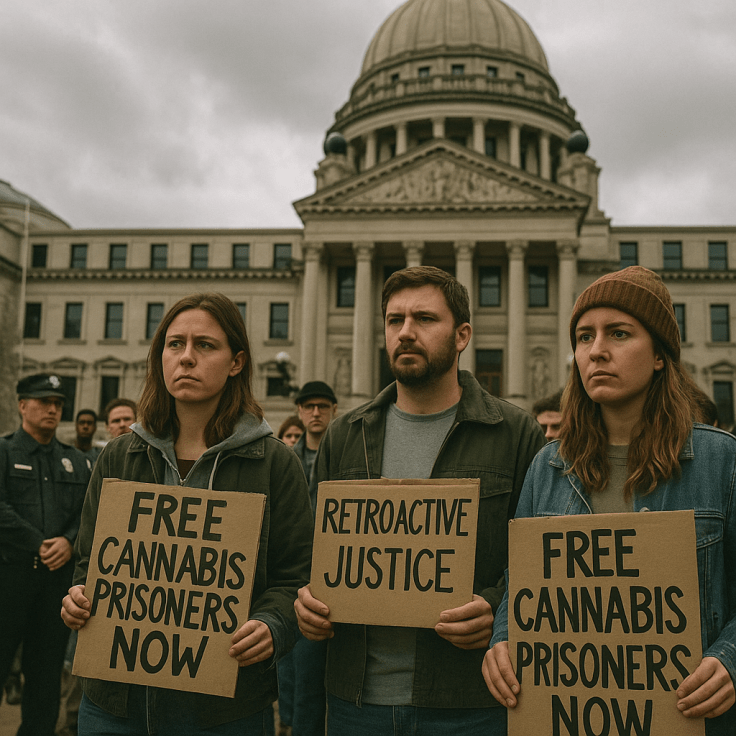
The moral math stays ugly. Legal businesses generate billions, while the people who took the risks still sit behind bars. Executives hold conferences about diversity while ignoring the communities that carried the arrests. Every brand that says no one should be in prison for weed should publish receipts showing whom they helped release. Otherwise, it’s advertising.
The fix is not complicated. Make every cannabis reform retroactive. Convert or dismiss any sentence where cannabis was the main factor and the same conduct is now legal. Fund legal aid with cannabis taxes so people are not forced to beg for representation. Audit every prison, jail, and probation office for cannabis-related cases. Publish the numbers and make governors answer for them.
Lawmakers say full retroactivity would cost too much. The same legislators who approved multimillion-dollar enforcement budgets suddenly become penny pinchers when asked to pay for justice. They claim releasing people would burden the courts. The truth is that bureaucracy is a shield for cowardice.
When alcohol prohibition ended, federal prisoners went home. There were no lifers for whiskey. Cannabis never got that reckoning because the drug war was never about safety. It was about control, politics, and punishment. Legalization kept that machinery alive under a different brand.
Families of cannabis prisoners live inside a contradiction. Outside their window, weed is legal. Inside their life, it is contraband. Some of their relatives will die in custody before the state admits the contradiction. The gap between law and morality widens every year.
The advocates who still fight know the names and the math. They track the forgotten, file motions, raise money, and remind anyone who will listen that no state has delivered true retroactive justice. They understand that each delay is another year stolen. They know how to measure hypocrisy in birthdays missed and parents buried.
Real reform would look like this. A governor standing behind a table of release papers instead of talking about equity grants. A legislature voting to fund expungement clinics, not dispensary tax breaks. An attorney general publishes a live count of how many people remain in prison for cannabis. That is what accountability would look like if legalization meant what it claims to mean.
Until that day, legalization is theater for the comfortable. It is the same story in new packaging, a victory parade built on unfinished graves.
If you live in a legal state, ask three questions. How many people here are still locked up for the same plant sold down the street? How many old convictions still ruin lives? How much of the tax money goes toward freeing them? If your leaders cannot answer, they have not earned your vote or your praise.
The people still inside are not statistics. They are the unpaid debt of every reform bill and every ribbon-cutting. Their names belong on every campaign poster and every dispensary sign. They are the reason this fight exists.
Subscribe to Pot Culture Magazine to support reporting that names names, follows cases, and refuses to trade truth for comfort. We are not here to celebrate hype. We are here to finish the story that legalization refuses to end.
Until the last prisoner of weed is home, legalization remains unfinished business, and the country calling itself free is lying to itself.
©2025 Pot Culture Magazine. All rights reserved. This content is the exclusive property of Pot Culture Magazine and may not be reproduced, distributed, or transmitted in any form or by any means without prior written permission from the publisher, except for brief quotations in critical reviews.
F O R T H E C U L T U R E B Y T H E C U L T U R E

A State of the Union on the State of Cannabis Media
Cannabis media is undergoing a predictable institutional decay. The movement’s original architects have transformed from revolutionary contributors into defensive gatekeepers, protecting their legacy rather than fostering future growth. This manifesto examines the four archetypes of decay: the Gatekeeper, the Mercenary, the Scavenger, and the Shill, that currently stifle the industry’s independent voice and threaten the…

Cannabis Lies Vol. 9: The Reform Lie
The federal move to Schedule III is a masterclass in bureaucratic maintenance. While corporations celebrate tax relief, the core structure of the drug war remains untouched. This analysis deconstructs the Reform Lie, exposing how the state uses symbolic gestures to professionalize a privilege for the few while keeping the machinery of punishment active for everyone…

The Digital Cage: Saint Lucia’s Traceability Trap
Saint Lucia has selected GrowerIQ as its national seed-to-sale traceability backbone, effectively finalizing a digital surveillance grid for its cannabis industry. By mandating enterprise software before establishing licensing frameworks, the government risks automating the exclusion of legacy farmers. This move trades cultural sovereignty for state-managed control, turning the cannabis industry into an extension of the…
Discover more from POT CULTURE MAGAZINE
Subscribe to get the latest posts sent to your email.

Leave a comment