Filed Under: From Banned to Beloved
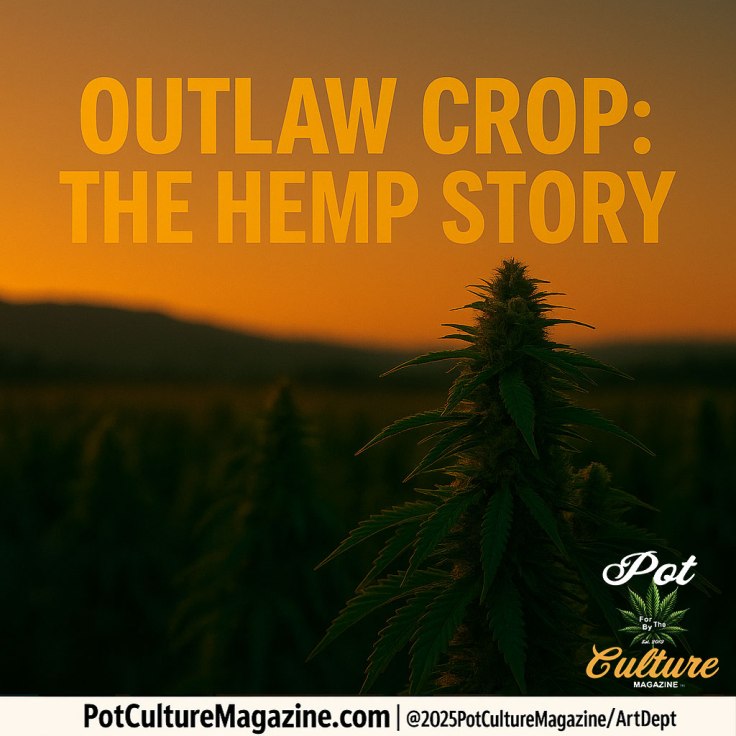
Hemp has been everything America needed and everything it feared. It built ships, clothed soldiers, and printed early drafts of independence. Then it vanished, exiled by policy and propaganda that blurred it with its psychoactive twin. For nearly eighty years, the plant was guilty by association. It took a new generation of scientists, farmers, and activists to clear its name.
When Congress passed the 2018 Farm Bill, hemp came home. The legislation removed it from the Controlled Substances Act, reopening the gates for cultivation and research. Overnight, the same plant that once drew raids and burn piles was treated as an agricultural resource again. Farmers in Kentucky, Oregon, and Colorado began planting fields where corn and tobacco once stood. For the first time in decades, hemp was legal, taxable, and commercially viable.
What came next was chaos and gold. Hemp was reborn into an unregulated boom. CBD stores are opening on every corner. Some sold snake oil, others sold science. The public wanted calm in a bottle; the industry delivered confusion by the case. Amid the rush, a few companies tried to keep things honest.
One of them was Endoca, a family-run operation that had already built its foundation in Europe years before American lawmakers changed their minds. While the market is filled with synthetic blends and mislabeled oils, Endoca leans on transparency, releasing third-party lab results for every batch. They treated hemp like a crop, not a gimmick, showing that full-spectrum hemp producers could compete on quality instead of promises.
advertisement
F O R T H E C U L T U R E B Y T H E C U L T U R E
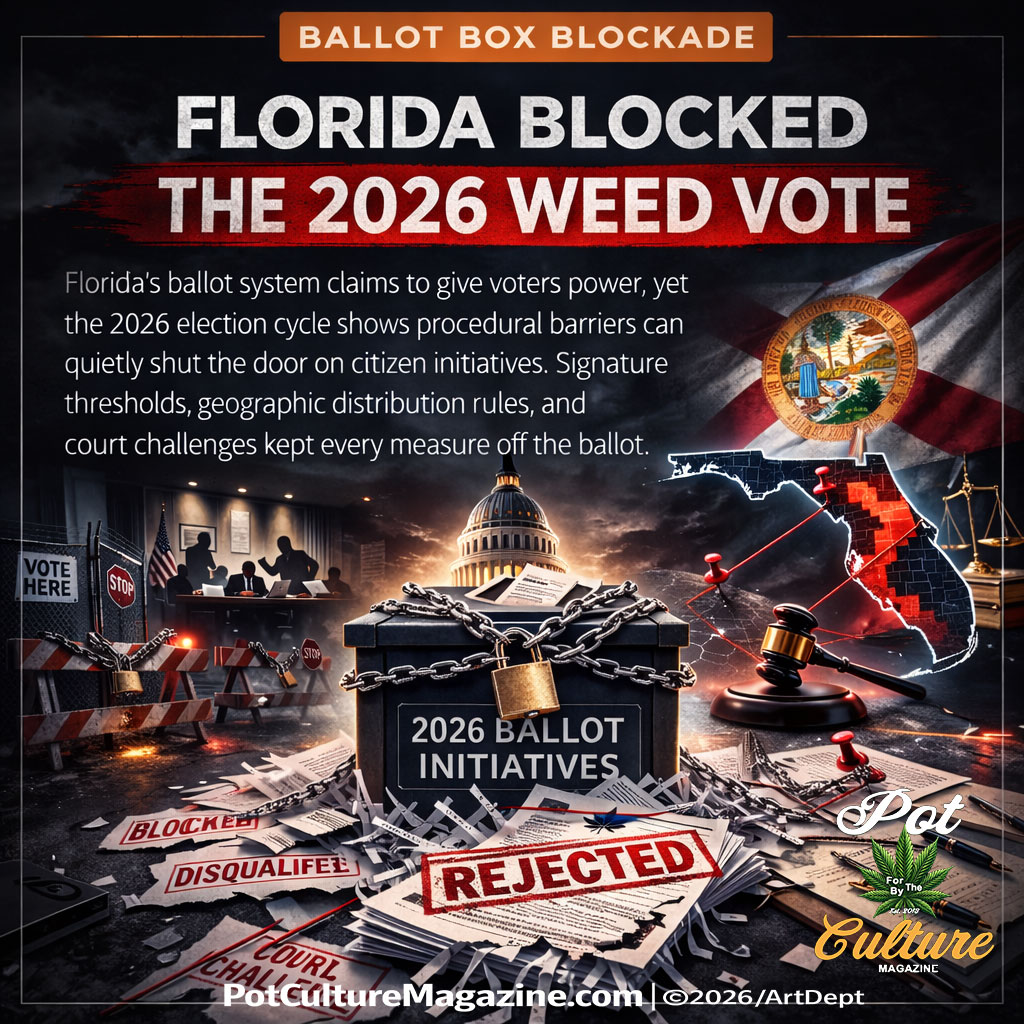
Florida Blocked the 2026 Weed Vote
Florida’s ballot system claims to give voters power, yet the 2026 election cycle shows how procedural barriers can quietly shut the door on citizen initiatives. Signature thresholds, geographic distribution rules, and court challenges blocked every measure from reaching voters, revealing how cannabis legalization fights are often decided by bureaucratic design long before election day.


The Cannabis Lie: Vol. 4 — The Crime Wave Lie
Politicians and pundits warned that legal cannabis would unleash a crime wave. The data tell a different story. From Colorado’s violent crime trends to DOJ time-series research and statewide arrest declines, the evidence shows no consistent long-term surge tied to legalization. The numbers never matched the panic.

South Africa Legalized Weed, But Not the Market
South Africa recognized private adult cannabis use and home cultivation, but never built a legal domestic market around them. With buying and selling still largely outside the law, the illicit trade remains dominant while regulators scramble to set limits, draft rules, and prepare a broader Cannabis Bill that could finally address commerce.
advertisement
The return of hemp did more than open wallets. It reconnected the United States to an agricultural past that prohibition erased. Farmers rediscovered soil rotation benefits. Architects began using hempcrete for sustainable housing. Textile innovators started spinning blends that rivaled cotton. The plant that once fed engines and made rope was finally recognized as more than a policy problem. It was infrastructure, nutrition, and chemistry rolled into one.
Yet redemption has its price. The modern hemp economy still walks the same legal tightrope cannabis faces. THC limits are policed by decimal points, and mislabeling can turn an entire shipment into contraband. Lawmakers who celebrate hemp in hearings still oppose cannabis on ballots. The contradiction remains a national ritual.
However, despite bureaucracy and misunderstandings, hemp continues to push forward. Its seeds produce one of the most nutrient-dense oils on earth. Its stalks can replace trees in paper mills and concrete in walls. Its extracts anchor the growing wellness market. What was once contraband now holds trade value, environmental potential, and cultural respect.
Hemp’s story is not about absolution. It is about survival through ignorance and return through persistence. It never needed to be reinvented; it only needed to be reaccepted. In that sense, the redemption was never the plant’s to earn; it was ours.
For readers interested in how modern hemp producers maintain the plant’s integrity, one example is full-spectrum hemp producers (affiliate link).
Pot Culture Magazine may earn a commission from affiliate links in this post. We only feature brands we believe in.
©2025 Pot Culture Magazine. All rights reserved. This content is the exclusive property of Pot Culture Magazine and may not be reproduced, distributed, or transmitted in any form or by any means without prior written permission from the publisher, except for brief quotations in critical reviews.
advertisement
F O R T H E C U L T U R E B Y T H E C U L T U R E
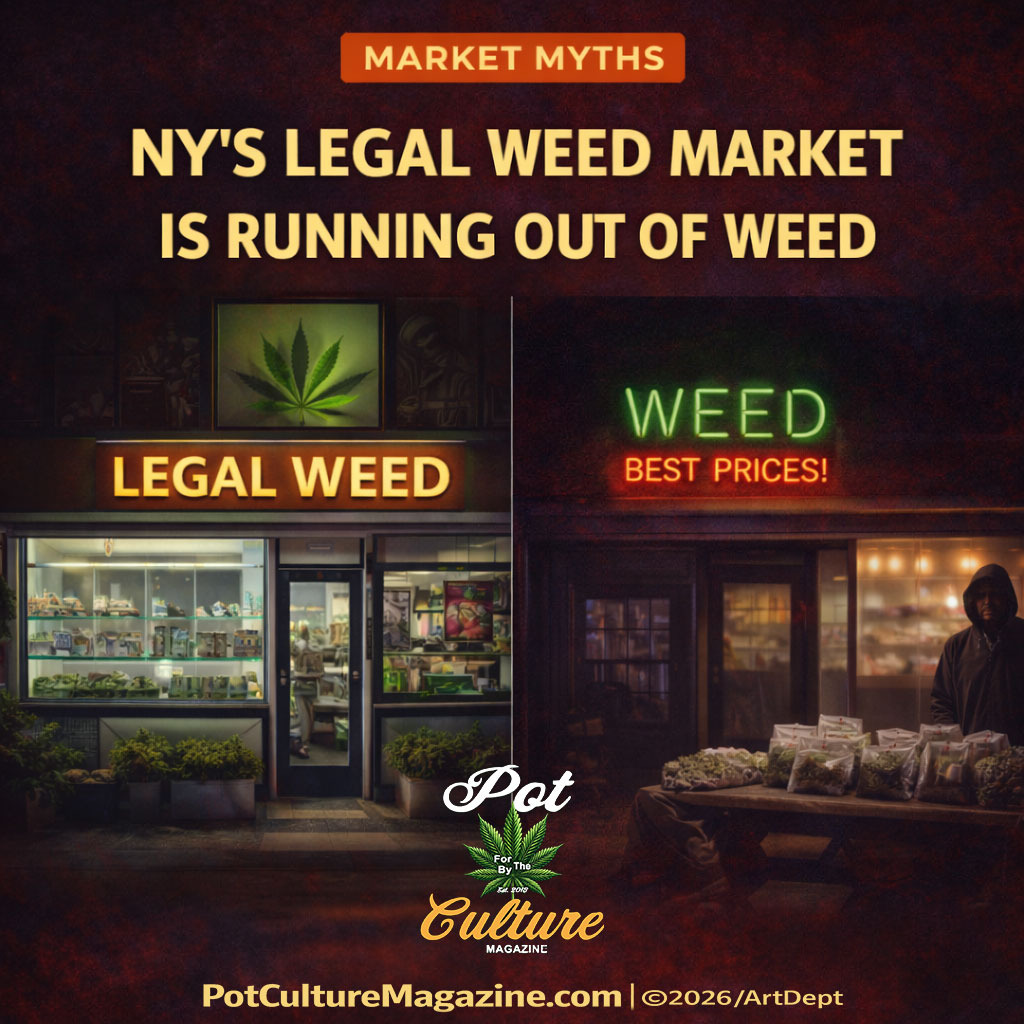
NY’s Legal Weed Market Is Running Out of Weed
New York legalized cannabis and opened hundreds of stores, but regulators now warn the legal market may not produce enough weed to keep them stocked. With nearly 600 stores open and sales nearing $3 billion, the state is discovering that legalization alone does not guarantee a functioning market.
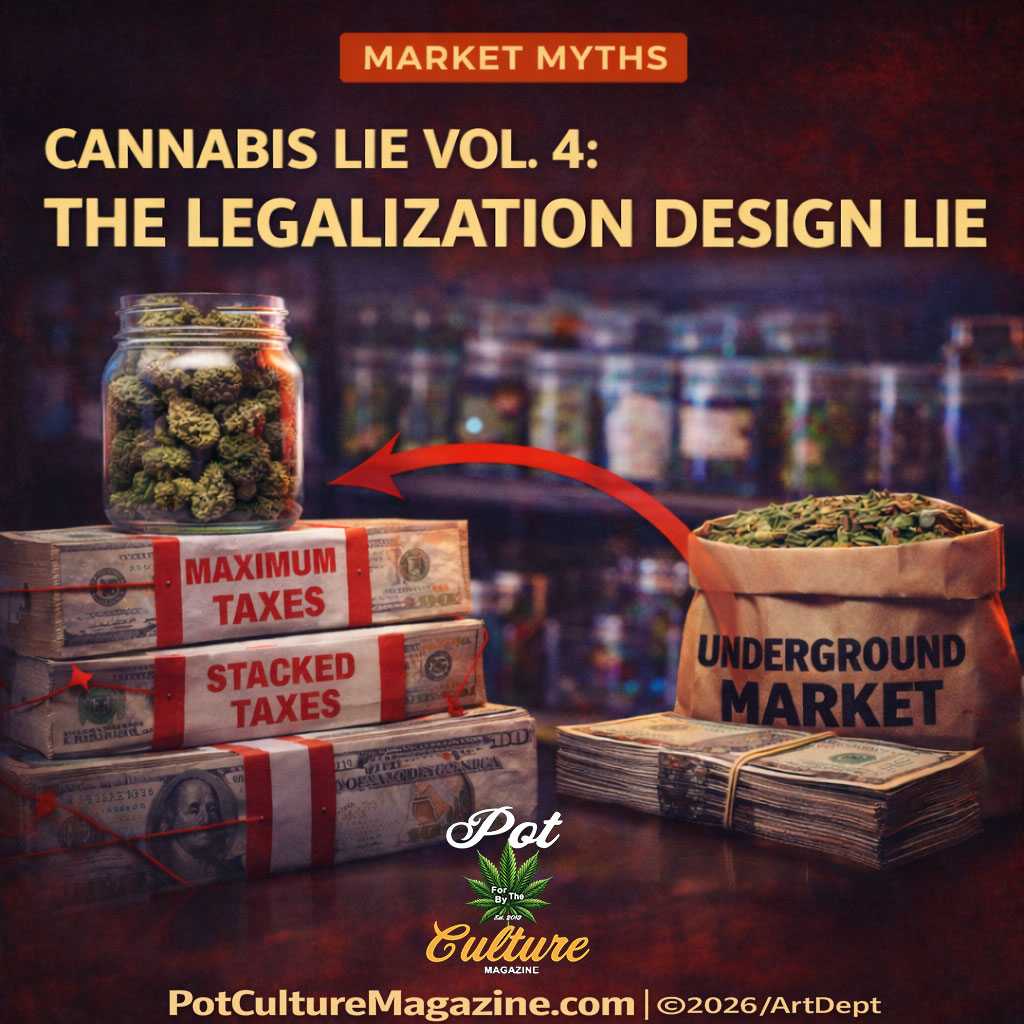
Cannabis Lie Vol. 4: The Legalization Design Lie
Cannabis legalization was sold as the end of the illicit market. Instead, stacked taxes, licensing limits, and local bans created price gaps that allowed underground sales to survive. From California’s cultivation tax to Illinois pricing and Michigan’s price compression, this installment of Cannabis Lie examines how policy design, not the plant, determines who wins and…
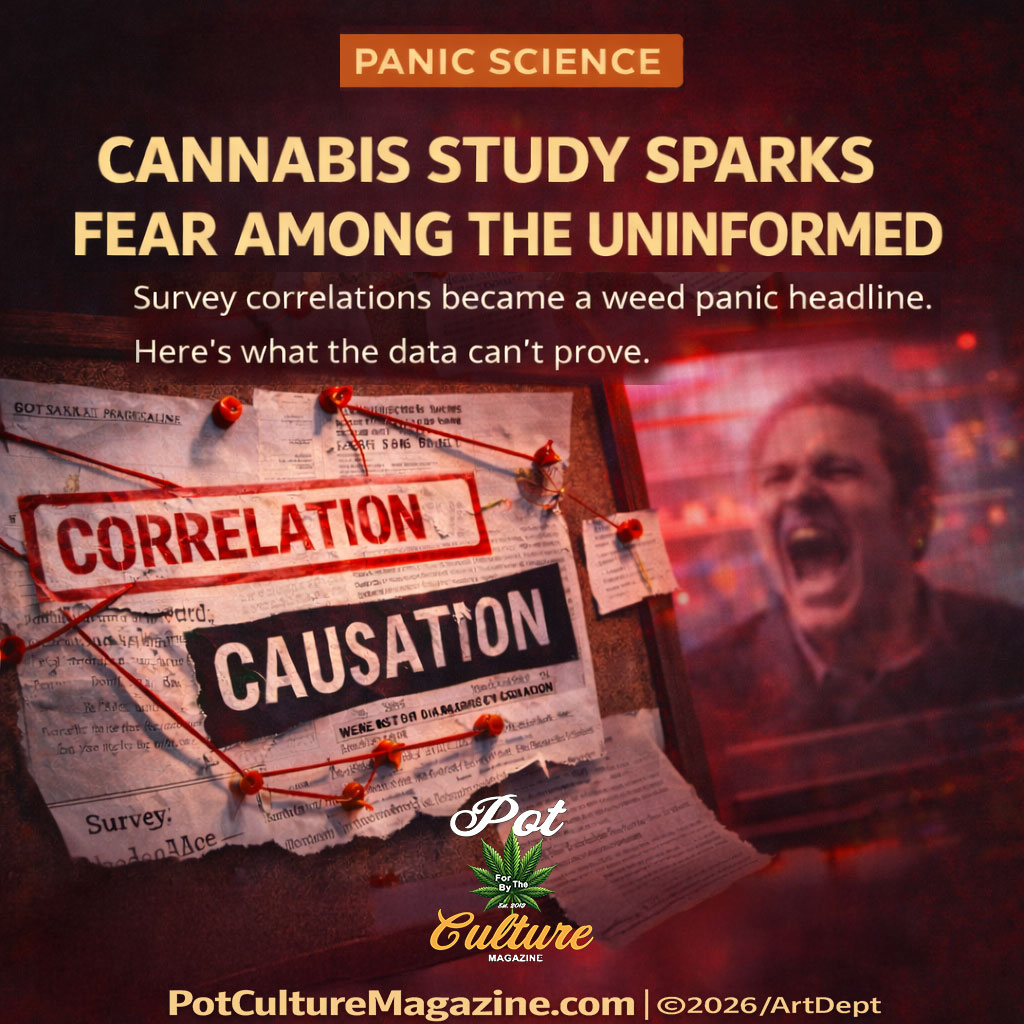
Cannabis Study Sparks Fear Among the Uninformed
A McMaster led analysis of two Canadian mental health surveys is getting recycled as a weed panic story, even though the design can only show association. This piece breaks down what the data can actually support, what it cannot prove, and how headlines turn survey correlations into causal claims that fuel stigma, bad policy, and…
Discover more from POT CULTURE MAGAZINE
Subscribe to get the latest posts sent to your email.

Leave a comment