Filed Under: High Math

Start with the recall, since that’s where the mask slipped. Health Canada told buyers to return or safely dump two flavors of Chillows THC pouches after tests showed the numbers on the box didn’t match what was inside. The label said 10 milligrams per pouch. The lab said the units ran hot and scattered, with some breaking the legal ceiling and wild variance from piece to piece. That isn’t a typo; that’s a system failure that only surfaced because a consumer complained and an inspector dug in.
Canada loves to sell the story of safe, standardized cannabis. The rules even spell out how close a product has to be to its label. Most extracts and topicals must fall within 85% to 115% of the stated THC. Edibles get a bit more wiggle room, but the point remains: tell the truth and stay close to the claim. When a ten-milligram pouch comes in at fifteen, that’s not close. That’s noncompliant by definition.
Zoom out. Health Canada’s own lab program sampled legal flower and found 48% of products overstated THC by 20% or more. That’s not a minor deviation. That’s a market where the label talks louder than the chemistry.
Colorado’s numbers tell the same story. A statewide audit retested dispensary products and found nearly half the flower labels missed the mark. Most of those inflated their THC counts. Concentrates tested cleaner, probably because oils are easier to measure and harder to fake. Either way, it’s proof that the numbers on the shelf aren’t gospel. Consumers pay for potency that often isn’t there.
Here’s how it happens. Labs measure THC through chromatography, convert THCA to total THC using math and assumptions, and hope the sample is representative. Good labs grind, homogenize, and calibrate their instruments. Bad labs chase numbers. They retest until the result pleases the client. The regulators know it. The tolerance bands in the rules quietly admit it. What’s new is that enforcement is finally naming names.
Nevada nailed a repeat offender, documenting potency inflation and banning its owners for nearly a decade. Washington shut down a lab caught falsifying results. Michigan dropped the hammer on Viridis Laboratories after years of suspiciously high THC numbers that distorted the market. Each case came with fines, license losses, and public records to prove it.
advertisement
F O R T H E C U L T U R E B Y T H E C U L T U R E

CANNABIS LIES Vol. 5: The Gateway Lie
For decades, politicians have claimed marijuana is a gateway to heroin and harder drugs. Federal youth surveys, NSDUH data, and NIDA’s own language tell a different story. Cannabis use is widespread, hard drug use remains rare, and most users do not progress. The data dismantles one of prohibition’s most durable fear narratives.


The Study That Pretends Cannabis Does Nothing
A new cannabis study claims marijuana does nothing for anxiety, depression, or PTSD. The reality is far more complicated. Decades of federal restrictions, limited research access, and synthetic substitutes have shaped the science. This breakdown exposes how incomplete data and selective interpretation continue to drive misleading headlines about cannabis and mental health.
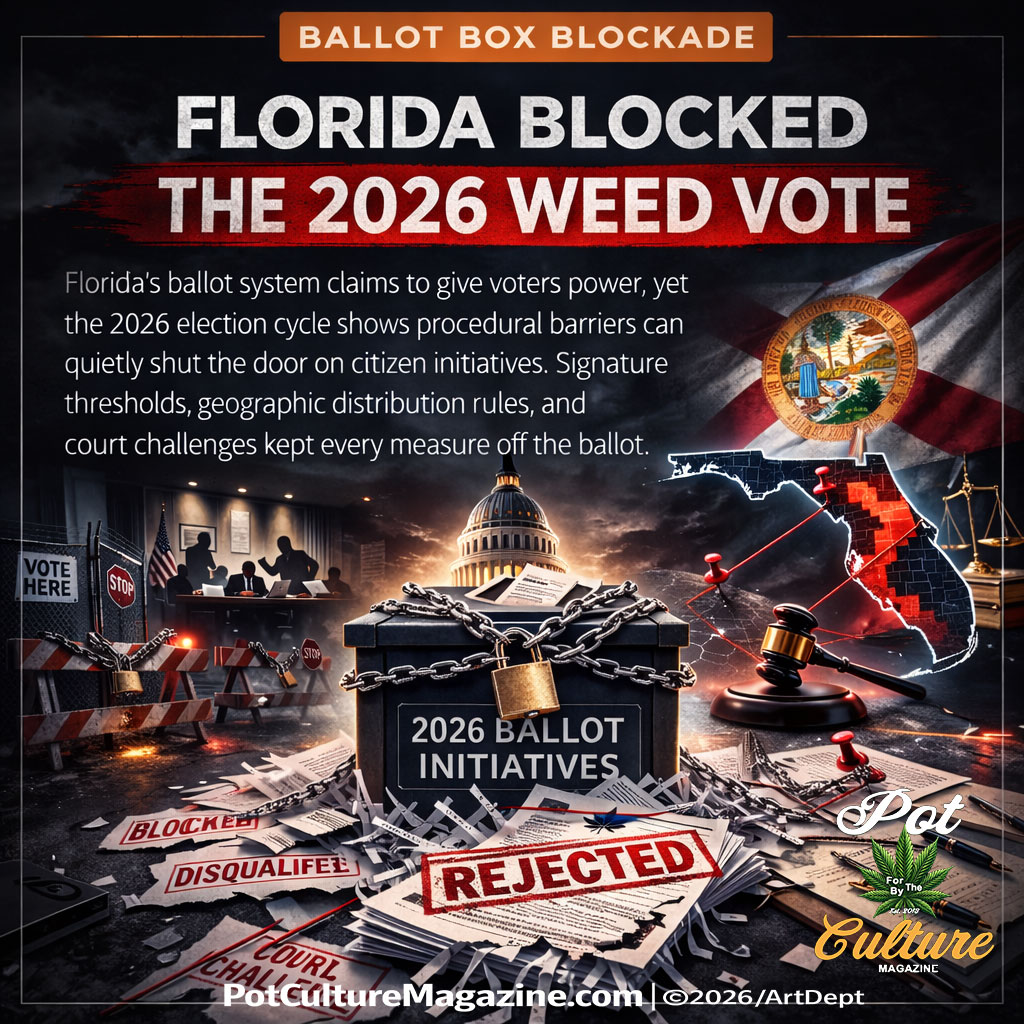
Florida Blocked the 2026 Weed Vote
Florida’s ballot system claims to give voters power, yet the 2026 election cycle shows how procedural barriers can quietly shut the door on citizen initiatives. Signature thresholds, geographic distribution rules, and court challenges blocked every measure from reaching voters, revealing how cannabis legalization fights are often decided by bureaucratic design long before election day.
advertisement
When regulators finish, the courts take over. California consumers launched a class action against Jeeter prerolls, claiming their joints came nowhere near the advertised potency and broke the state’s 10% variance rule. Independent tests backed them up, showing some batches running at barely half the label strength. If the plaintiffs win, it sets a new line in the sand: lie about potency and expect to pay for it.
Why does it keep happening? Because the legal market trained buyers to shop by THC first and everything else second. Because a twenty-five on a label outsells a nineteen even if the nineteen smokes better. Because lab shopping became a business model when calibration mattered more than craft. The incentives are wired to drift.
Canada and the United States took different roads and landed in the same ditch. Canada caps edibles at 10 milligrams per package and enforces strict tolerances. The U.S. lets states write their own rules, most allowing 10 milligrams per serving and 100 per package, with no real cap on flower or concentrates. California demands labels stay within ten percent. Other states stretch to fifteen. The map changes, the consumer doesn’t. They just want to know what they’re taking.
So what fixes it? Start with sampling. No more cherry-picking top colas for potency pulls. Require independent, blind sampling from finished lots. Back it with proficiency testing that means something. If a lab flunks consistency checks or always lands at the top of the curve, pull its accreditation until it can prove it belongs in the game. Michigan’s reference lab plan points the way.
Put every certificate of analysis a scan away. A QR code on the package should lead straight to the batch report, method, lab ID, and date. Show the margin of error up front. Transparency won’t kill fraud, but it makes it harder to fake.
And teach buyers to look past the number. The Colorado work found cannabinoids like CBG showing up more often than CBD, changing the ride in ways a simple THC score never could. Terpenes tilt the effect. Freshness and storage matter. A clean twenty-two can hit harder than a stale twenty-nine. That’s chemistry, not marketing.
For the Chillows recall, the short advice is simple. Stop using the lots named in the notice. Return them if you can, dispose of them safely if you can’t, and keep them away from kids and pets. Bigger picture, start asking for lab reports when you buy. If the seller can’t show them, walk. If the label sounds too good to be true, it probably is.
Legalization promised to end the guessing game. Instead, the guessing came back with a barcode. Health Canada’s data says almost half of legal flower labels run hot. Colorado’s audit says the same. Nevada, Washington, and Michigan caught labs bending the truth for clients. California’s courts are handling the fallout. The fix is not complicated. Clean up the labs, tighten the sampling, and remove the incentive to lie. Until that happens, the number on the box is just another sales pitch.
©2025 Pot Culture Magazine. All rights reserved. This content is the exclusive property of Pot Culture Magazine and may not be reproduced, distributed, or transmitted in any form or by any means without prior written permission from the publisher, except for brief quotations in critical reviews.
F O R T H E C U L T U R E B Y T H E C U L T U R E

The Cannabis Lie: Vol. 4 — The Crime Wave Lie
Politicians and pundits warned that legal cannabis would unleash a crime wave. The data tell a different story. From Colorado’s violent crime trends to DOJ time-series research and statewide arrest declines, the evidence shows no consistent long-term surge tied to legalization. The numbers never matched the panic.

South Africa Legalized Weed, But Not the Market
South Africa recognized private adult cannabis use and home cultivation, but never built a legal domestic market around them. With buying and selling still largely outside the law, the illicit trade remains dominant while regulators scramble to set limits, draft rules, and prepare a broader Cannabis Bill that could finally address commerce.

NY’s Legal Weed Market Is Running Out of Weed
New York legalized cannabis and opened hundreds of stores, but regulators now warn the legal market may not produce enough weed to keep them stocked. With nearly 600 stores open and sales nearing $3 billion, the state is discovering that legalization alone does not guarantee a functioning market.
Discover more from POT CULTURE MAGAZINE
Subscribe to get the latest posts sent to your email.

Leave a comment